






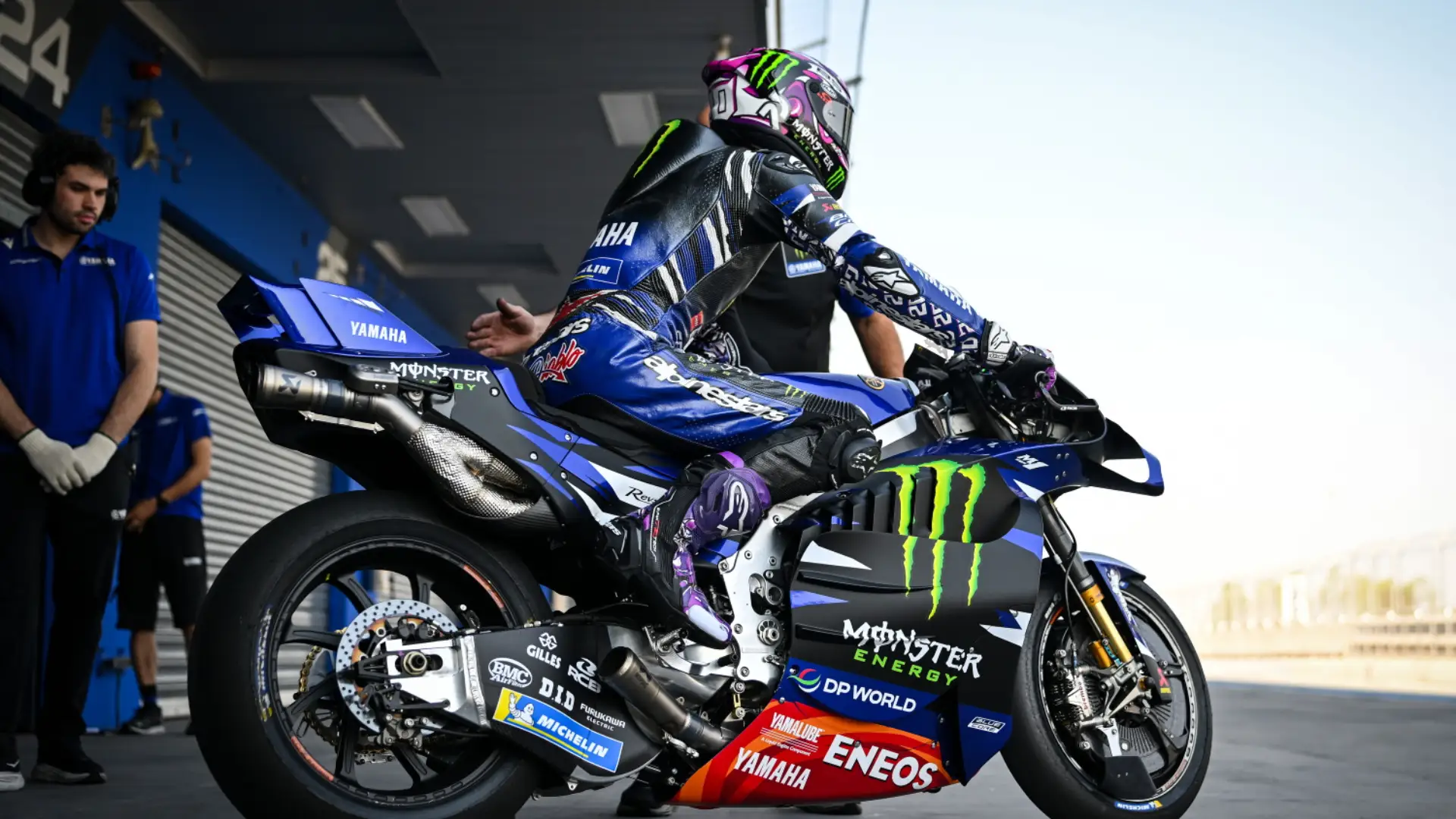

Fabio Quartararo will implement a revised aerodynamic package on the Yamaha V4 during this weekend's MotoGP event at Le Mans. This technical pivot follows a disappointing performance at the Spanish Grand Prix, where the Frenchman finished 14th—a stark contrast to his runner-up finish at the same venue last year using the inline-four M1. The move is designed specifically to address a persistent lack of confidence in the motorcycle's front-end stability.
The primary objective of the new aero configuration is to restore "front-end confidence," a critical factor for Quartararo's aggressive braking and turn-in style. During the Monday test in Jerez, the implementation of this revised package allowed Quartararo to climb to seventh fastest, suggesting that the modifications have successfully improved the bike's behavior when transitioning into corners. From a technical standpoint, the goal is to optimize the aerodynamic load to prevent the front tire from losing grip under high-stress maneuvers, which has been a recurring struggle since the introduction of the V4 engine.
A key component of this updated package is the potential use of the tri-plane front wing, which was among the options evaluated during the Jerez testing phase. Analytically, the tri-plane design is engineered to generate higher levels of vertical downforce on the front axle. By increasing the load on the front tire, the wing helps mitigate understeer and improves steering precision. For Quartararo, regaining this precision is essential at Le Mans, a circuit characterized by technical, slow-speed corners where front-end grip is the primary determinant of lap time.
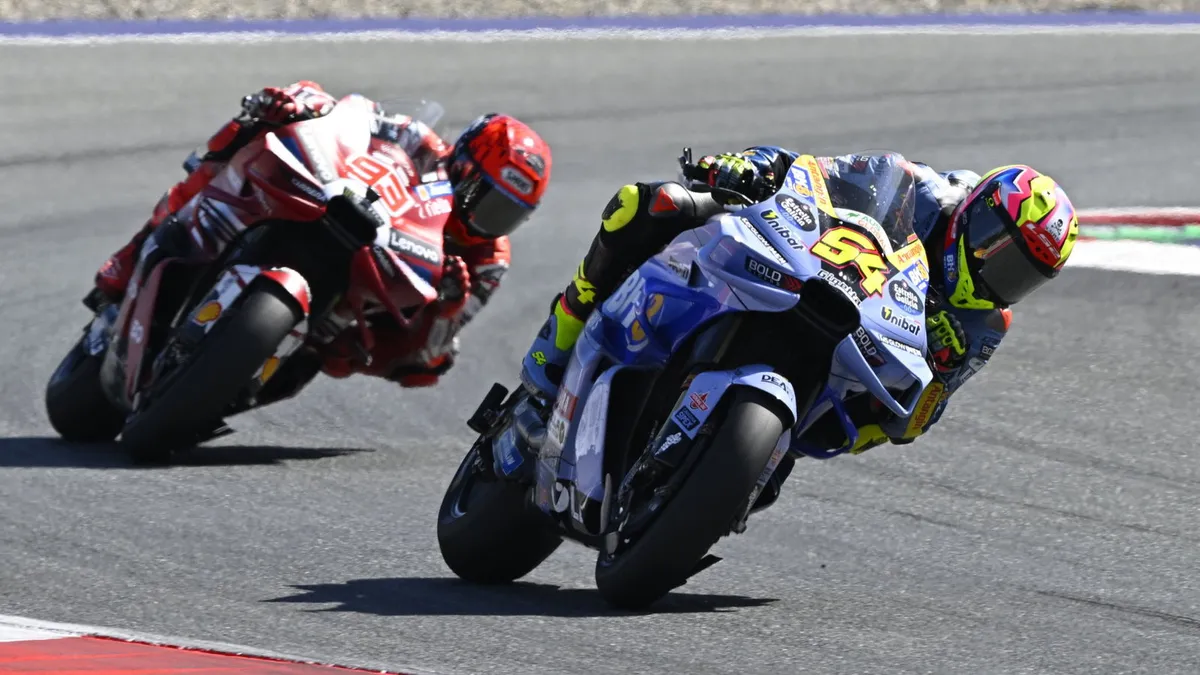
The current performance deficit of the Yamaha V4 is severe, with the machine yet to finish higher than 14th in a Grand Prix. This lack of competitiveness indicates a fundamental struggle in integrating the high power delivery of the V4 engine with the chassis' aerodynamic efficiency. The inability to maintain a balanced grip profile across different lean angles has left Quartararo unable to maintain a competitive race rhythm, often leaving him vulnerable to the more stable platforms utilized by European manufacturers.
Despite the technical struggle, variable weather conditions forecast for Le Mans may provide a tactical advantage for the Frenchman. Mixed conditions often neutralize raw engine power and shift the performance balance toward rider adaptability and tire management. Quartararo's recent seventh-place finish in the flag-to-flag Jerez Sprint demonstrates that he remains highly effective when technical variables like grip levels are in flux. If the new aerodynamics provide a stable baseline, the unpredictable weather could allow him to punch above the V4's current performance ceiling.
This home race also carries significant weight as it marks Quartararo's final appearance at Le Mans as a Yamaha rider before his anticipated transition to Honda for the 2027 season. This contractual transition adds a layer of urgency for the rider to prove that he can still extract maximum potential from the Yamaha project. The ability to deliver a strong result at Le Mans would serve as a validation of his current form and a testament to his capacity to adapt to fundamentally different engine configurations.
Ultimately, the effectiveness of the revised aerodynamics at Le Mans will serve as a critical litmus test for Yamaha's V4 development project. If the new wings successfully resolve the front-end stability issues, it could provide the blueprint for the rest of the season's technical evolution. Conversely, if the performance gap remains wide despite these modifications, it will confirm that the V4's struggles are rooted in deeper structural issues beyond simple aerodynamic adjustments, further complicating Yamaha's path back to the front of the grid.
Baca Juga
Carlo Pernat menganalisis GP Austria dan menyebut perebutan gelar MotoGP 2026 hanya antara Marc Marquez, Jorge Martin, dan Marco Bezzecchi. Simak ulasannya.
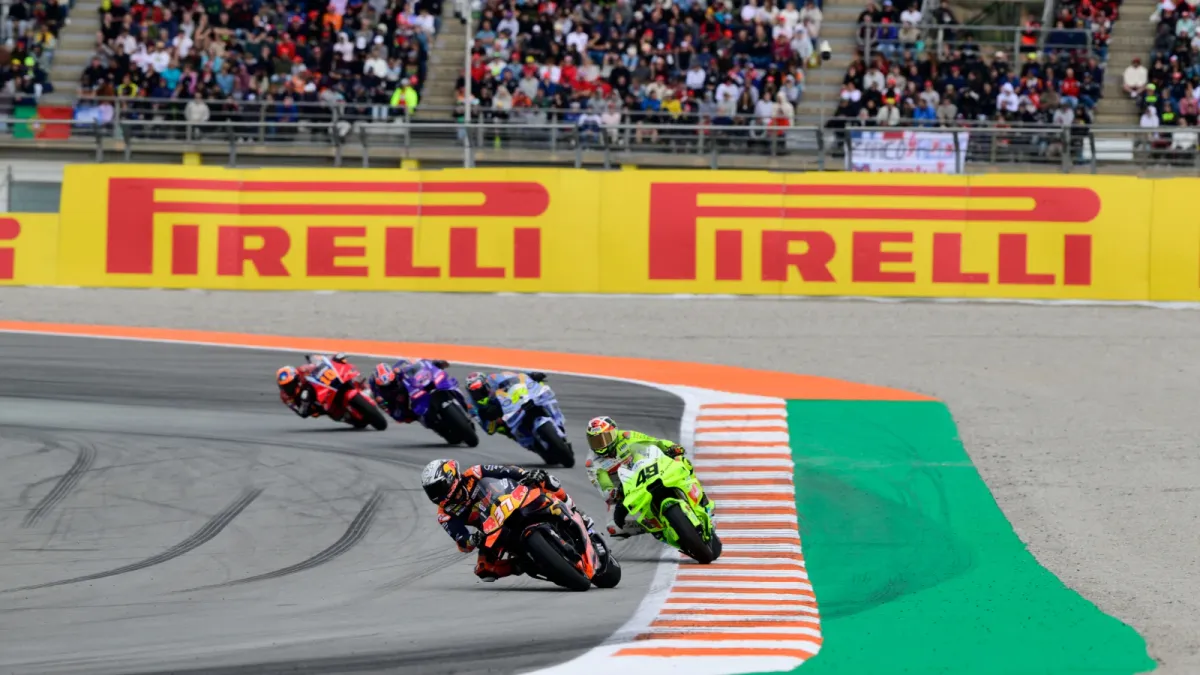
MotoGP resmi mengonfirmasi Valencia sebagai tuan rumah seri penutup musim 2027. Balapan akan digelar 26-28 November, dengan sisa kalender dirilis Jumat ini.
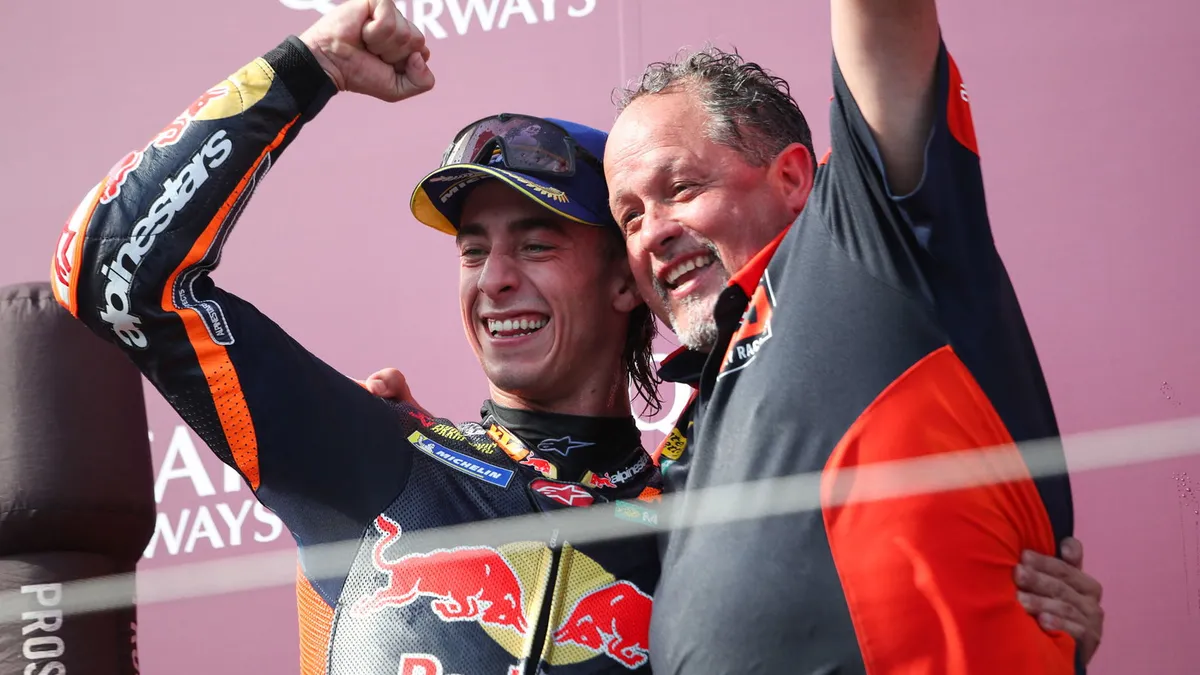
Marc Marquez dapat peringatan dari crew chief KTM, Paul Trevathan, bahwa Pedro Acosta akan jadi monster di MotoGP 2027. Simak analisis lengkapnya.
 Lanjutkan dengan Google
Diskusi & Komentar (0)
Mari Bergabung dalam Diskusi!
Masuk dengan mudah untuk mulai memberikan komentar, membalas, dan berinteraksi dengan pembaca lainnya.
Komentar Terbaru
Belum ada komentar. Jadilah yang pertama!