






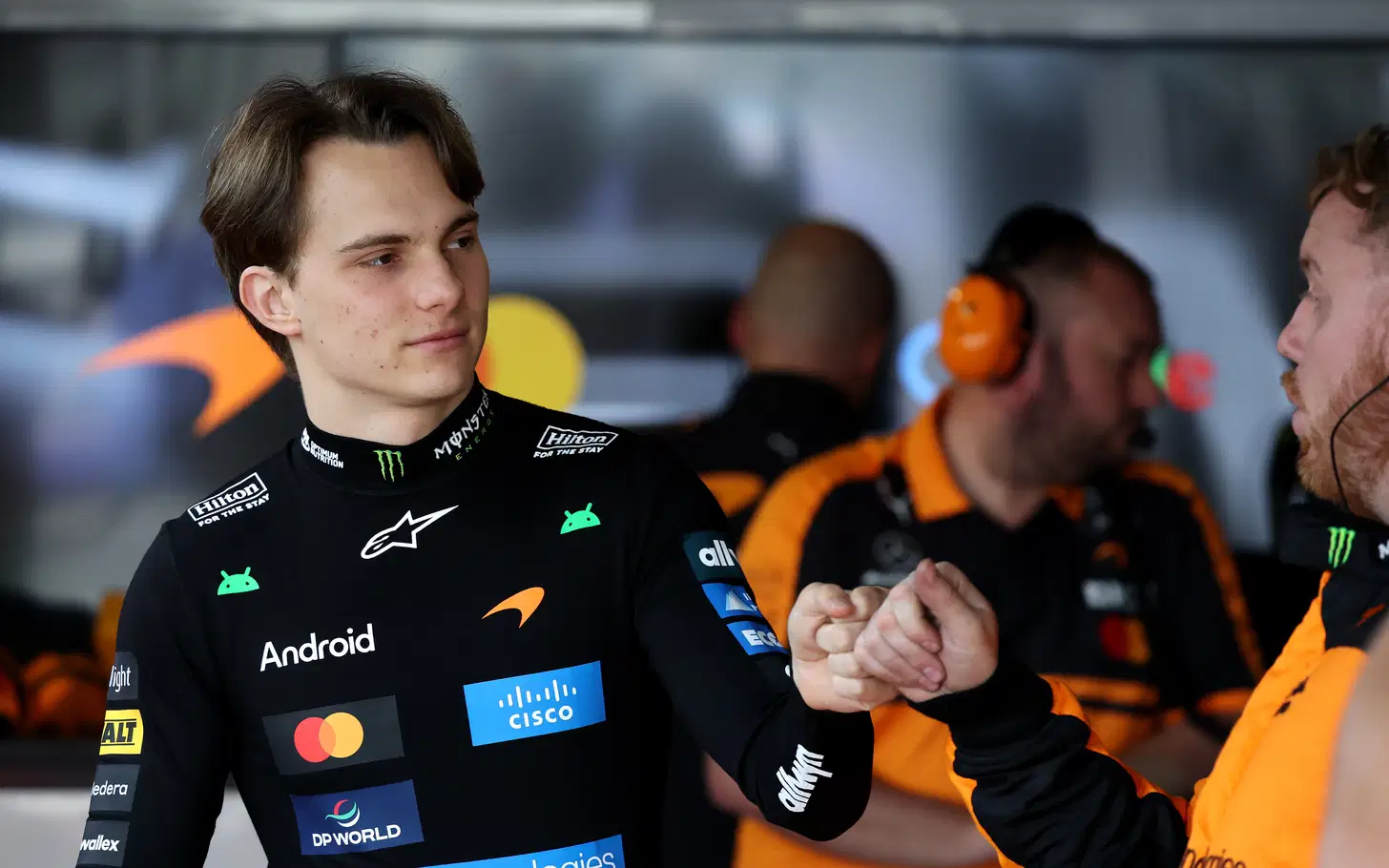

Oscar Piastri has openly urged the FIA to implement further revisions to the Formula 1 2026 regulations following what he described as a "pretty crazy" situation during the Miami Grand Prix. The McLaren driver believes that the rule adjustments introduced after the April break have failed to address the fundamental issues regarding race dynamics, specifically the extreme closing speeds encountered during overtaking maneuvers.
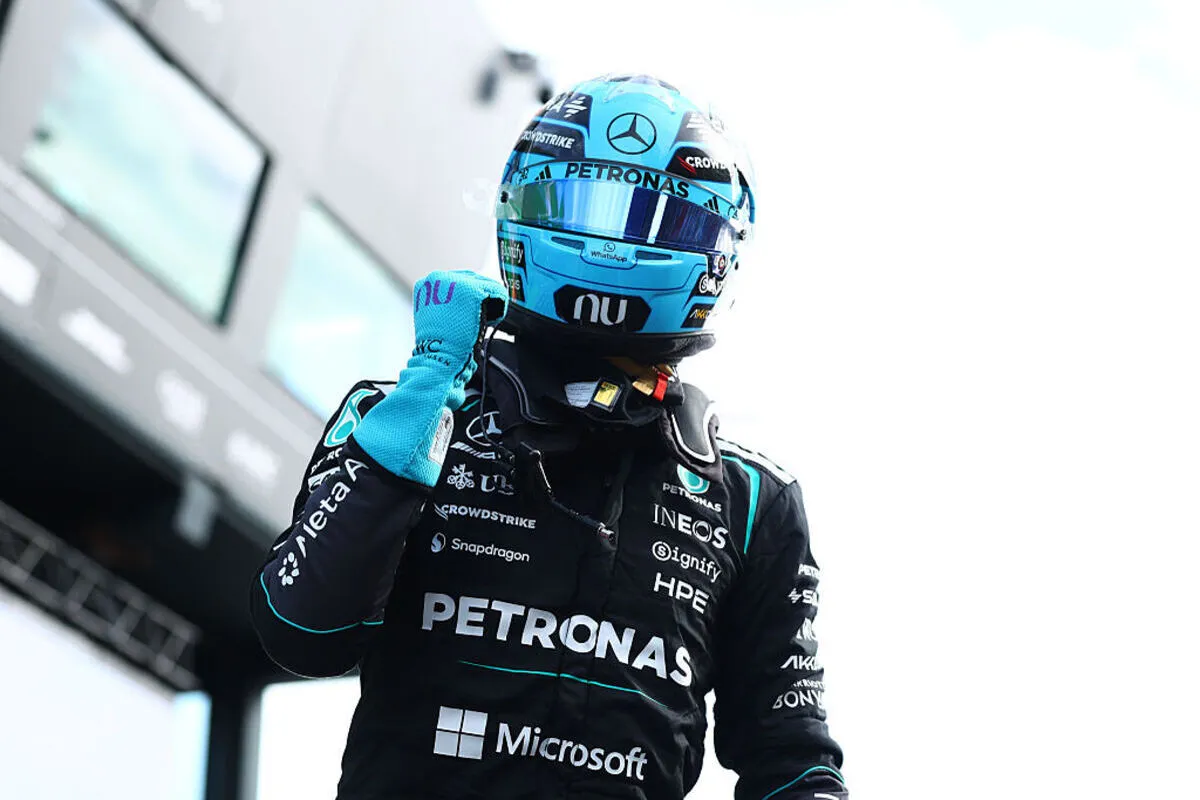
The catalyst for Piastri's concerns was a specific encounter with George Russell on the Miami straight. Piastri expressed shock at how Russell, who was trailing by a full second, managed to execute an overtake by the end of the straight. This phenomenon highlights a massive disparity in closing speed between the attacking and defending cars, a condition that Piastri considers dangerously unpredictable and nearly impossible for a defending driver to anticipate using standard visual cues from their mirrors.
From a technical standpoint, one of the lapped changes already implemented was the reduction of the "harvest limit" during qualifying sessions. This modification was intended to make qualifying more of a "flat-out" challenge by limiting the amount of energy drivers could recover, thereby reducing the reliance on rigid energy management strategies. While Piastri acknowledged that this lapped a specific problem, he emphasized that it did nothing to solve the primary issue of race-day behavior, where the interaction between hybrid power delivery and aerodynamic drag is far more volatile.
The "closing speed" crisis analyzed by Piastri is a result of the hyper-efficient aerodynamic profiles and the optimized power deployment of the current generation of cars. When a car is in the slipstream of another, the reduction in drag allows for an exponential increase in acceleration, which, when coupled with a perfectly timed ERS (Energy Recovery System) deployment, creates a speed differential that is far too high. For the defending driver, this means the gap is closed significantly faster than in previous eras, leaving almost no window for a controlled defensive reaction.
Piastri further admitted that the pressure from these extreme closing speeds forced him into an aggressive maneuver himself just five laps later. This admission underscores a critical flaw in the current regulations: when the closing speed is too high, drivers are coerced into taking erratic risks just to maintain their position. If the regulations do not balance peak top speed with defendability, the nature of overtaking becomes random rather than strategic, potentially leading to more frequent and severe collisions on high-speed straights.
Furthermore, Piastri highlighted the inherent limitations of the current hardware. He noted that while collaboration between the FIA and F1 has been positive, there is a ceiling to what can be achieved through software tweaks or minor rule changes when the physical chassis and power unit architecture have already been manufactured. This presents a significant challenge for the governing body, as any meaningful change to closing speeds might require a fundamental redesign of aerodynamic elements or power delivery maps, which teams are reluctant to implement mid-season.
In terms of performance context, Piastri's calls for change come at a time of personal resurgence. After a disastrous start to the season in Australia and China—where he failed to complete a single racing lap in both events—Piastri has found his form with a podium in Japan and a strong third-place finish in Miami. His ability to fight at the front has given him a firsthand look at the technical volatility of the 2026 cars, reinforcing his belief that the current regulations are insufficient for safe and competitive wheel-to-wheel racing.
Ultimately, the responsibility now lies with the FIA to determine the speed of their regulatory response. The objective is to find a solution where closing speeds are manageable, ensuring that the outcome of a battle is decided by driver skill and strategic positioning rather than an anomalous technical gap in speed. For Piastri and McLaren, a more stable and predictable regulatory framework is essential to ensure that the fight for the World Championship is decided by merit on the track rather than by the unpredictability of the current aerodynamic era.
Baca Juga
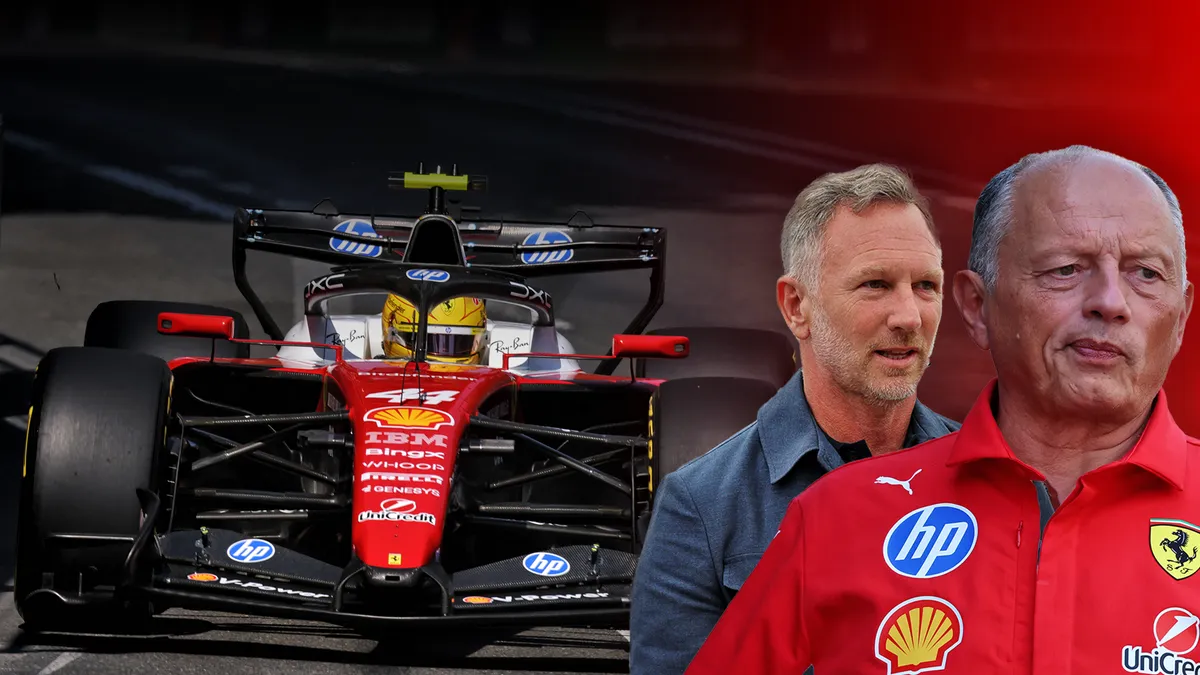
Rumor Christian Horner ke Ferrari kembali mencuat setelah wawancaranya dengan The Times. Simak analisis lengkap dan fakta di balik spekulasi ini.
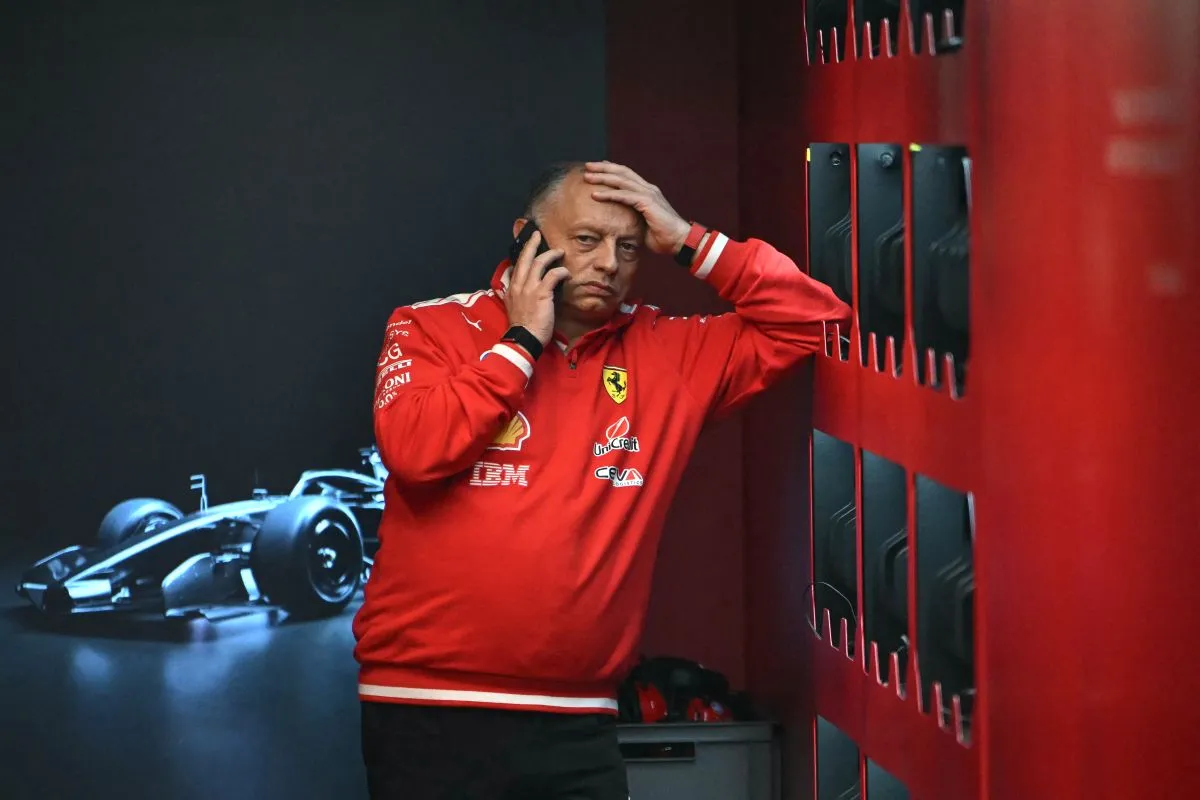
Ferrari dikabarkan siap mengakhiri era Frederic Vasseur. Elkann dan Vigna disebut telah mengambil keputusan besar setelah rentetan hasil buruk di musim 2026.
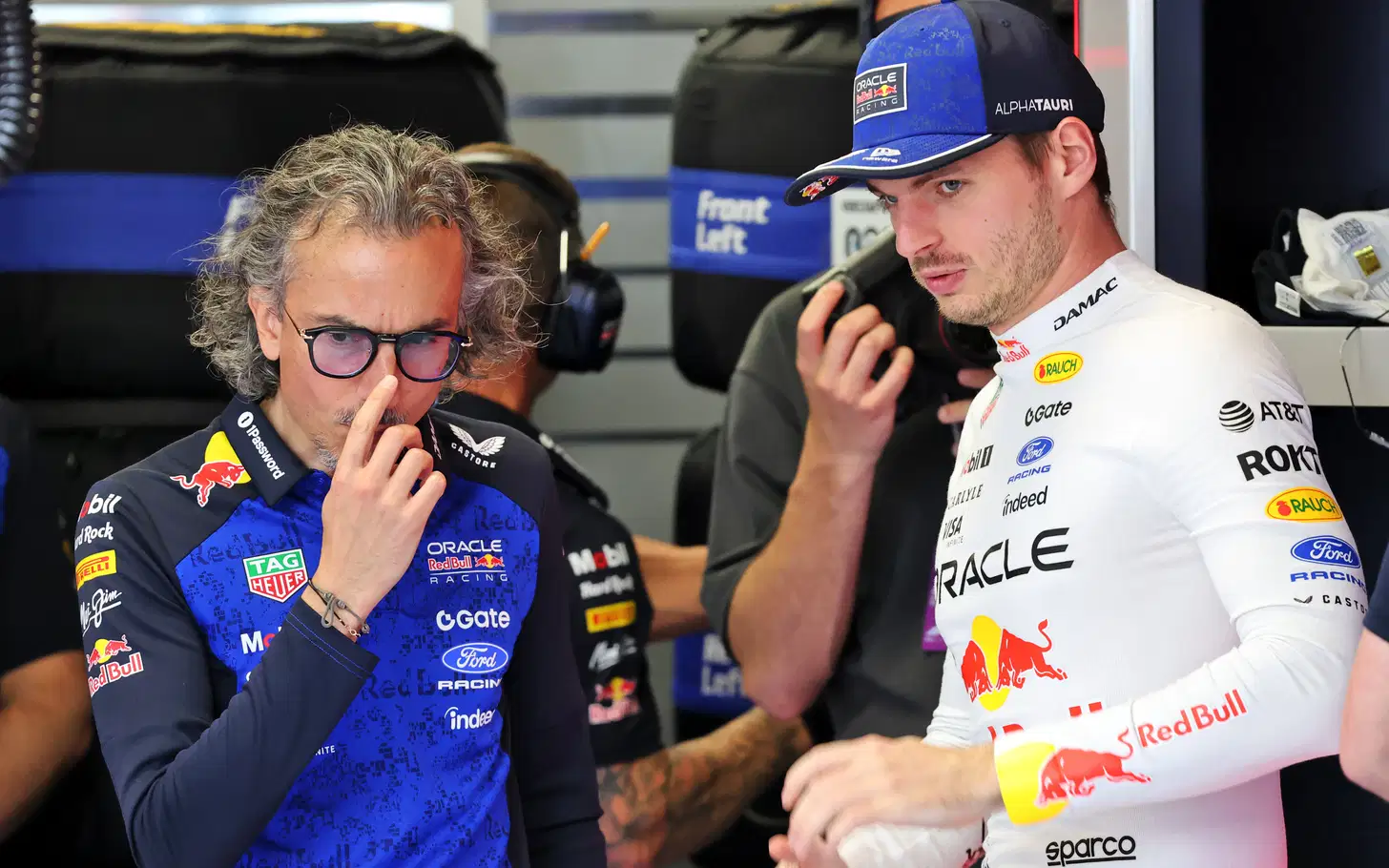
Red Bull belum memastikan Max Verstappen akan menerima penalti grid setelah masalah mesin di kualifikasi GP Azerbaijan, menunggu hasil analisis teknis.
 Lanjutkan dengan Google
Diskusi & Komentar (0)
Mari Bergabung dalam Diskusi!
Masuk dengan mudah untuk mulai memberikan komentar, membalas, dan berinteraksi dengan pembaca lainnya.
Komentar Terbaru
Belum ada komentar. Jadilah yang pertama!