







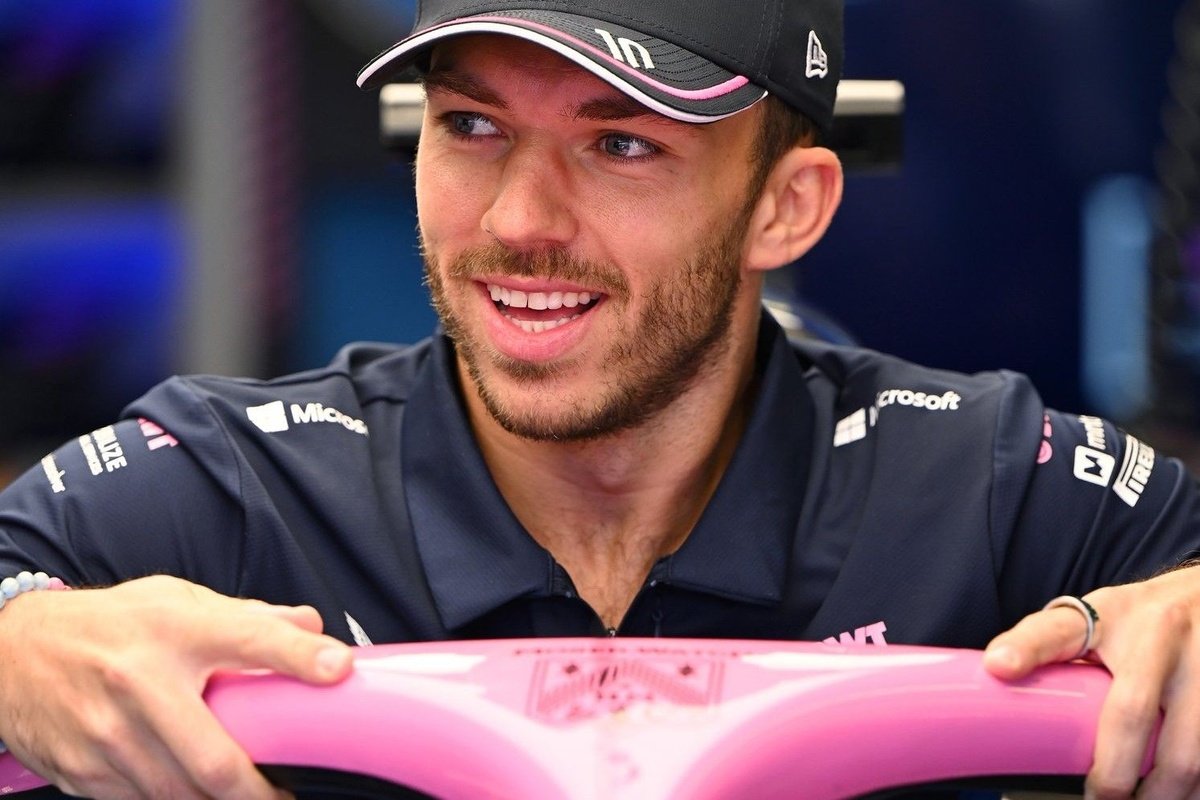

Formula 1, Sportrik Media - Pierre Gasly has suggested that Formula 1 drivers risk becoming “passengers” under the complex 2026 regulations, citing the growing level of automation in energy management and active aerodynamics systems.
Under the new power unit framework, drivers can select energy recovery modes, but the actual harvesting process is automatically controlled by the electronic control unit (ECU). In addition, active aerodynamics can be automatically disabled to prevent drivers from using straight-line mode through certain corners — a safeguard introduced after incidents such as Jack Doohan’s attempt at Suzuka in FP1 2025.
Gasly, who drives for Alpine, explained that the expanding technical layers make it increasingly difficult for drivers to fully understand and exploit the systems at their disposal. He believes the shift places greater influence in the hands of software and power unit calibration rather than driver intuition.
“There is so much to take into consideration at the moment that it is difficult to get my head around it,” Gasly told media, including RacingNews365.
He contrasted the new era with the previous generation of predominantly internal combustion engine deployment, where energy usage patterns were more predictable across competitors.
“With the ICE engine, you pretty much know the deployment of the other guys. I know what the Mercedes engine is going to be like, so I can go racing knowing that when someone commits more on one straight, he will suffer on another.”
Gasly pointed out that with multiple engine manufacturers applying different deployment strategies, the variability becomes harder to anticipate, particularly in wheel-to-wheel scenarios when both cars are at full power in straight-line mode.
“What is harder to figure out is what the other engine manufacturers are doing. They might deploy more on one straight and less on another, and this will create bigger differences in racing situations where both cars are at full power. There won’t be much slipstream or speed difference.”
Although drivers with greater mental capacity for energy management might theoretically benefit, Gasly cautioned that the extent of automation limits how much influence they can exert.
“For the same engine, someone with more capacity to understand the energy management might benefit. But at the same time, there’s quite a lot we don’t have control over. It feels like we are more on the passenger side with what we can do inside the car.”
He expects the systems to evolve over time but emphasized that energy usage will not be as manually adjustable as some might assume.
“It’s not a case of saying, ‘I’m going to recharge my battery now and deploy it here because I decide to.’ There might be some engines that allow more flexibility, others less, but I don’t think it will be as straightforward as the drivers with more capacity automatically doing better.”
Gasly concluded by stressing that real race conditions will provide clearer answers than simulation environments.
“There is so much we want to understand, but we need proper racing scenarios to discover it. My suggestion? Qualify on pole, and life becomes a lot easier from there.”
As Formula 1 approaches the 2026 season, the balance between automation and driver control is emerging as a central theme, potentially reshaping the competitive and strategic landscape of the championship.
Baca Juga
Max Verstappen akui Red Bull Racing kini jauh lebih tidak penuh stres di bawah kepemimpinan Laurent Mekies setelah era Christian Horner berakhir di F1.
Helmut Marko sebut Max Verstappen sangat percaya diri bisa akhiri kutukan Marina Bay dan menangi GP Singapura F1 musim ini bersama Red Bull.
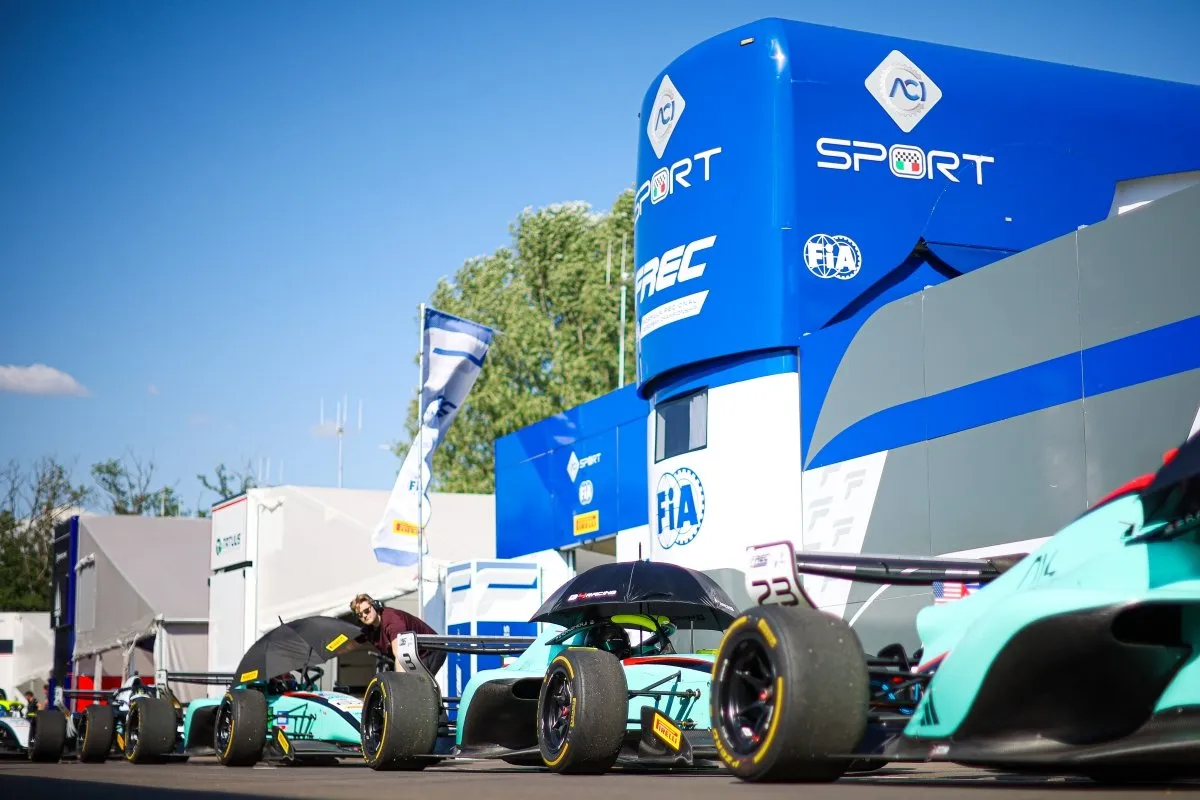
Kalender FREC 2027 resmi diumumkan dengan memasukkan Algarve dan Silverstone serta kembalinya status balapan pendukung Formula 1 di Hungaria.
 Lanjutkan dengan Google
Diskusi & Komentar (0)
Mari Bergabung dalam Diskusi!
Masuk dengan mudah untuk mulai memberikan komentar, membalas, dan berinteraksi dengan pembaca lainnya.
Komentar Terbaru
Belum ada komentar. Jadilah yang pertama!