







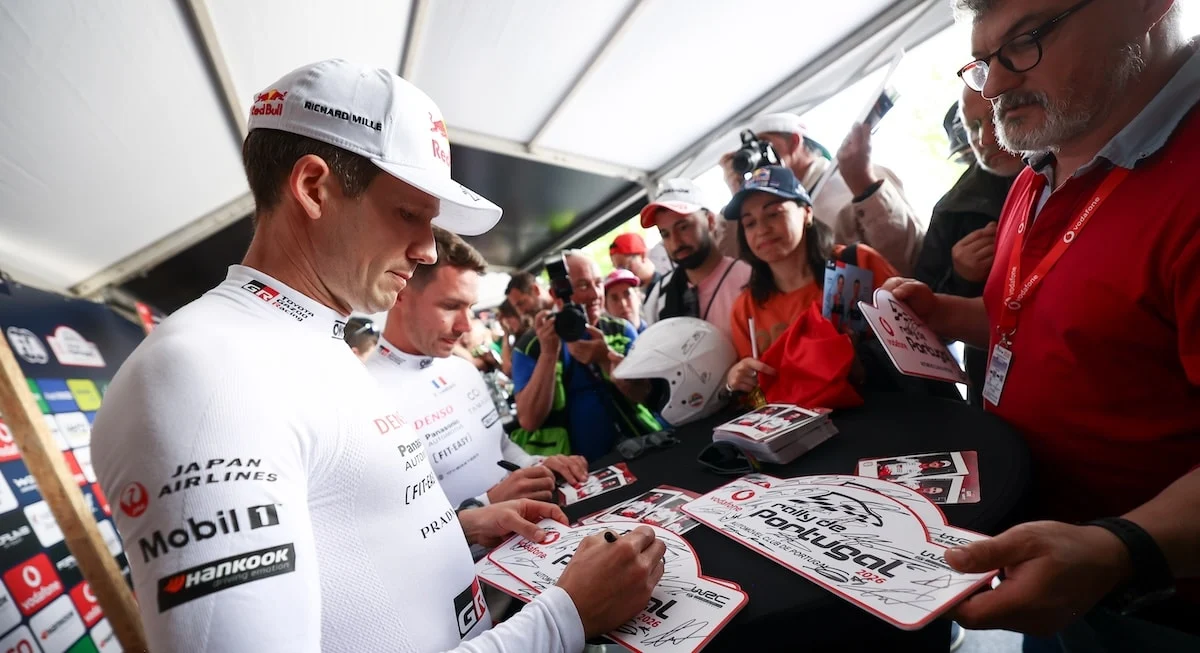

Sébastien Ogier and Elfyn Evans endured a frustrating opening day at Rally Portugal, as both struggled to match the pace of their Toyota teammate, Oliver Solberg. While Solberg seized the overall lead, Ogier currently sits in third place, trailing by 7.2 seconds, while Evans remains in fifth, 7.5 seconds behind the lead. The disparity in performance highlights significant technical hurdles for the team's senior drivers during the initial stages.
The primary technical struggle for Ogier centered on a severe lack of front-end balance, manifesting as chronic understeer. In rally terms, understeer occurs when the front tires lose traction before the rear, causing the vehicle to push straight instead of following the intended steering angle. This forced Ogier to reduce his entry speeds into corners, preventing him from fully committing to the technical sections of the course. The lack of "bite" from the front axle significantly hindered his ability to maintain a competitive rhythm throughout the opening stages.
This balance issue was exacerbated by the unpredictable nature of the road surface. Ogier anticipated that his road position would provide a "cleaner" line, meaning the loose gravel would have been swept away by preceding cars. However, the surface proved to be more unstable than expected, with the road breaking up and retaining a high volume of loose material. Technically, this accumulation of loose gravel reduces the coefficient of friction between the tire and the solid ground, which directly worsens understeer and makes the chassis stability of the Toyota GR Yaris Rally1 inconsistent.
Simultaneously, Elfyn Evans encountered his own set of technical anomalies regarding the terrain. Evans reported that the road conditions did not improve as expected; instead, the surface became "softer" in several key sectors. A softer surface increases the risk of the car sinking into the gravel, which reduces lateral grip and forces the driver to adopt a more conservative approach to acceleration on corner exits. This shift in surface density forced Evans to constantly recalibrate his driving style to avoid losing traction on the unstable underlayer.
A critical point of analysis for Evans is the high-risk strategy involved in tire selection. With weather conditions remaining volatile, Evans described the choice of tire compounds as a "gamble." In the context of WRC, the decision between hard and soft compounds is a delicate balance between durability and immediate grip. Soft compounds provide superior traction but are prone to rapid thermal degradation on abrasive surfaces, while hard compounds offer longevity but can fail to provide sufficient grip if the road temperature drops or the surface becomes too soft. Any error in this selection can result in a drastic drop in pace mid-stage.
Despite these setbacks, Ogier confirmed that the vehicle's feeling improved toward the end of the day following specific setup modifications. These adjustments likely involved changes to the suspension damping or the alignment of the front wheels to counteract the understeer. The ability to rapidly iterate setup changes during a race weekend is essential for Toyota to minimize the gap to Solberg and restore the confidence of their most experienced driver.
Overall, the first day of Rally Portugal underscores the extreme sensitivity of the Toyota GR Yaris Rally1 to surface variations and balance settings. The combination of Ogier's struggle with front-end grip and Evans' concerns over tire degradation indicates that the team is still searching for the optimal baseline. With seven special stages scheduled for Friday, the priority for Toyota will be to synchronize their tire strategy with the unpredictable weather and ensure the chassis balance is precisely tuned to eliminate the understeer that plagued the start of the event.
Baca Juga
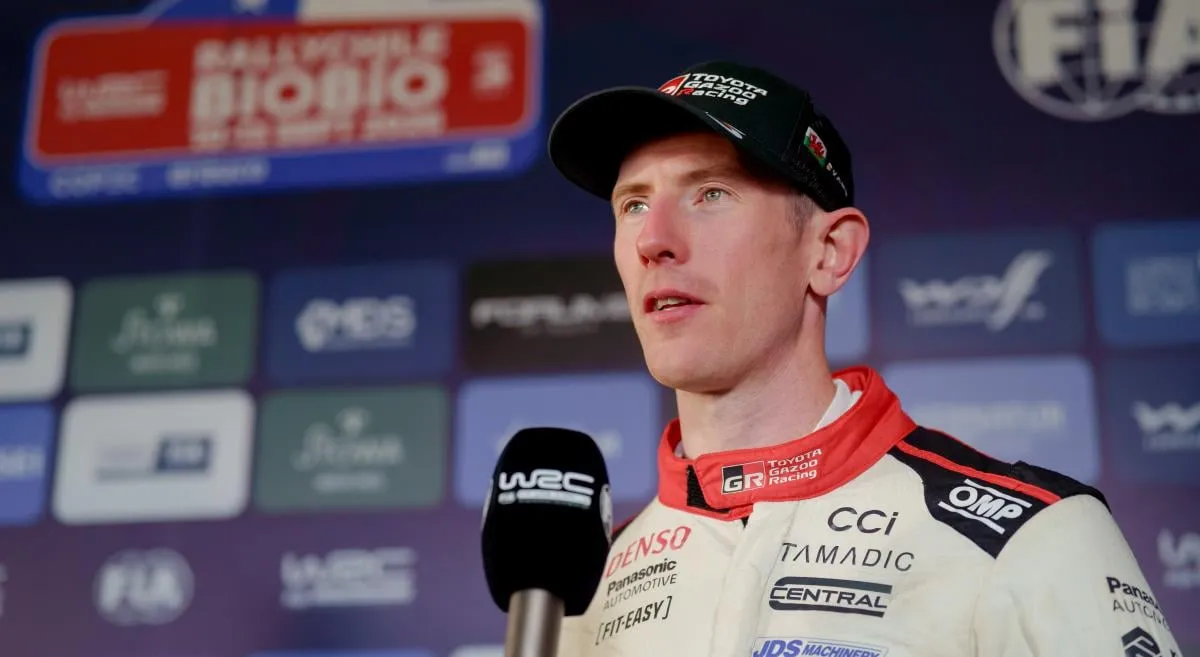
Toyota mengubah nominasi pembalap untuk poin konstruktor di WRC Sardinia, memberi Elfyn Evans keleluasaan ganti komponen tanpa penalti.
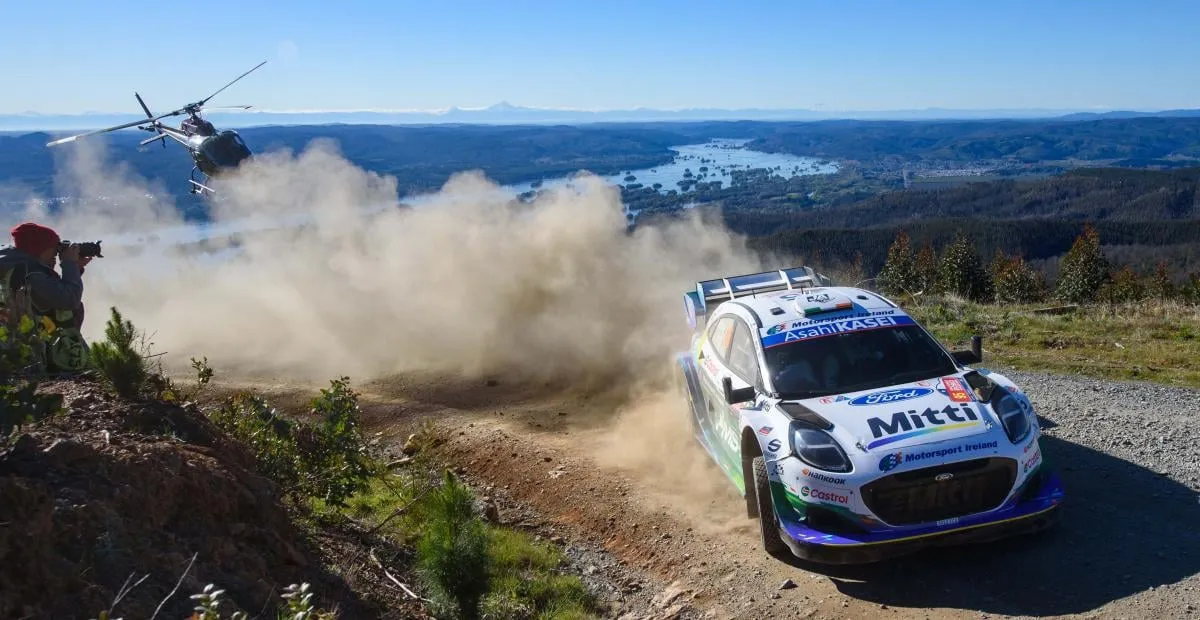
WRC akan uji kamera helm teknologi F1 di final musim Sardinia. Uji coba oleh M-Sport Ford ini bisa mengubah cara menonton reli di TV.
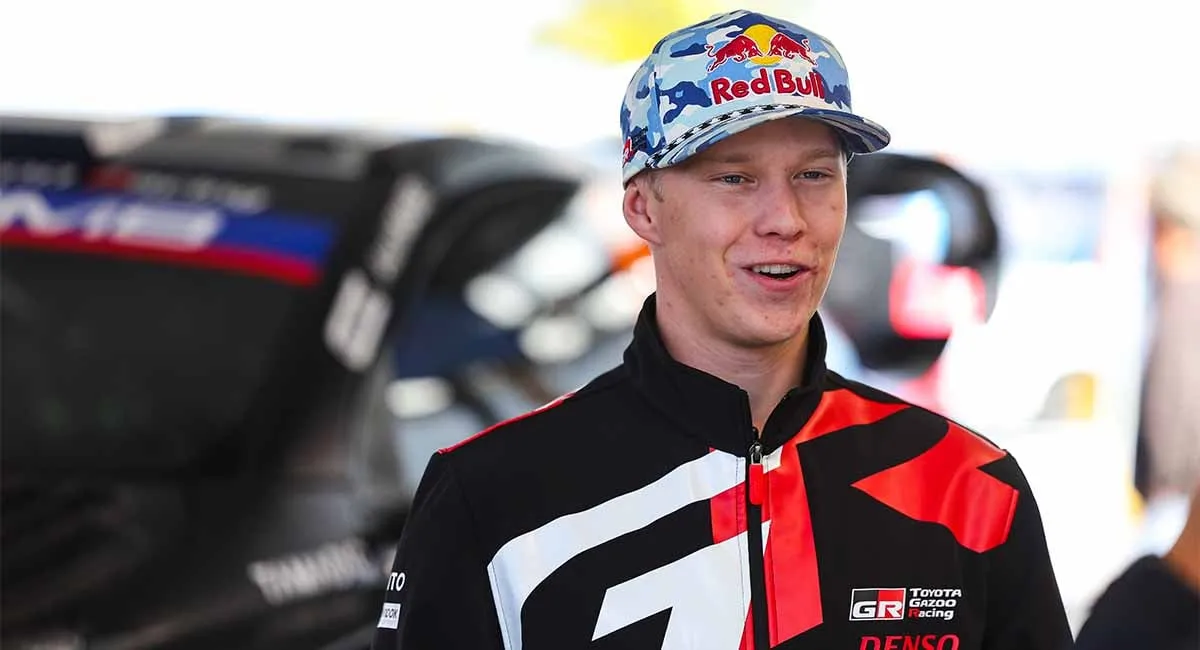
Kalle Rovanpera kembali mengendarai Toyota GR Yaris Rally1 di Tennessee, tetapi masa depannya di WRC masih belum pasti. Pembicaraan dengan Toyota berlanjut.
 Lanjutkan dengan Google
Diskusi & Komentar (0)
Mari Bergabung dalam Diskusi!
Masuk dengan mudah untuk mulai memberikan komentar, membalas, dan berinteraksi dengan pembaca lainnya.
Komentar Terbaru
Belum ada komentar. Jadilah yang pertama!