






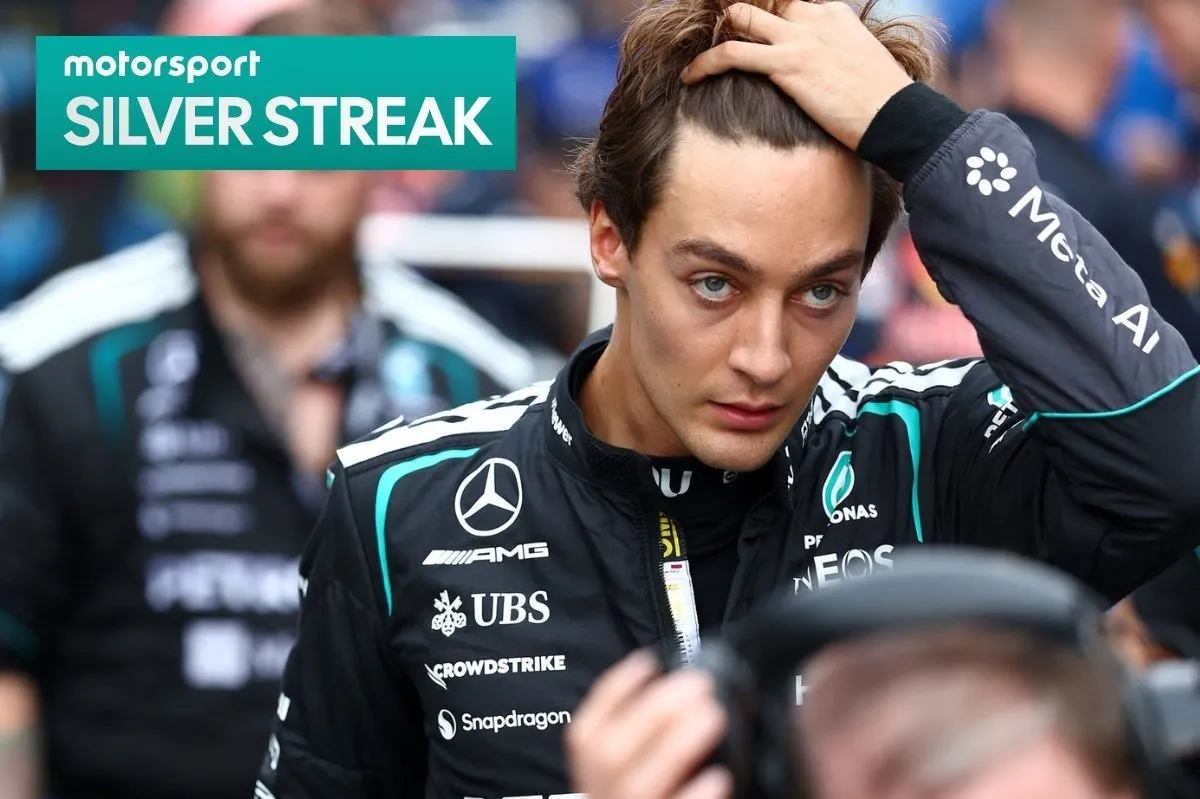

The extreme heat and humidity of the Southeast Asian double-header have taken a brutal physical toll on the grid, thrusting driver cooling systems into the spotlight. While the FIA specifically created a financial allowance for teams to develop liquid-cooled driver vests to prevent heat exhaustion, Mercedes shocked the paddock by confirming they opted out of the program entirely to navigate strict cost-cap limitations.

Following George Russell's frustrations over stifling cockpit temperatures, Mercedes deputy team principal Bradley Lord defended the decision, explaining that rigid cost-cap constraints forced a brutal compromise. Lord noted that the small financial allowance provided was simply deemed insufficient to develop a robust solution capable of lasting an entire race distance without compromising core car development.
Rather than diverting valuable resources away from aerodynamic and mechanical upgrades to perfect the cooling vest, the team prioritized maximizing raw car performance. Lord stressed that the drivers were fully bought into the grueling strategy, understanding that cockpit thermal management has improved significantly compared to past struggles in events like Singapore.
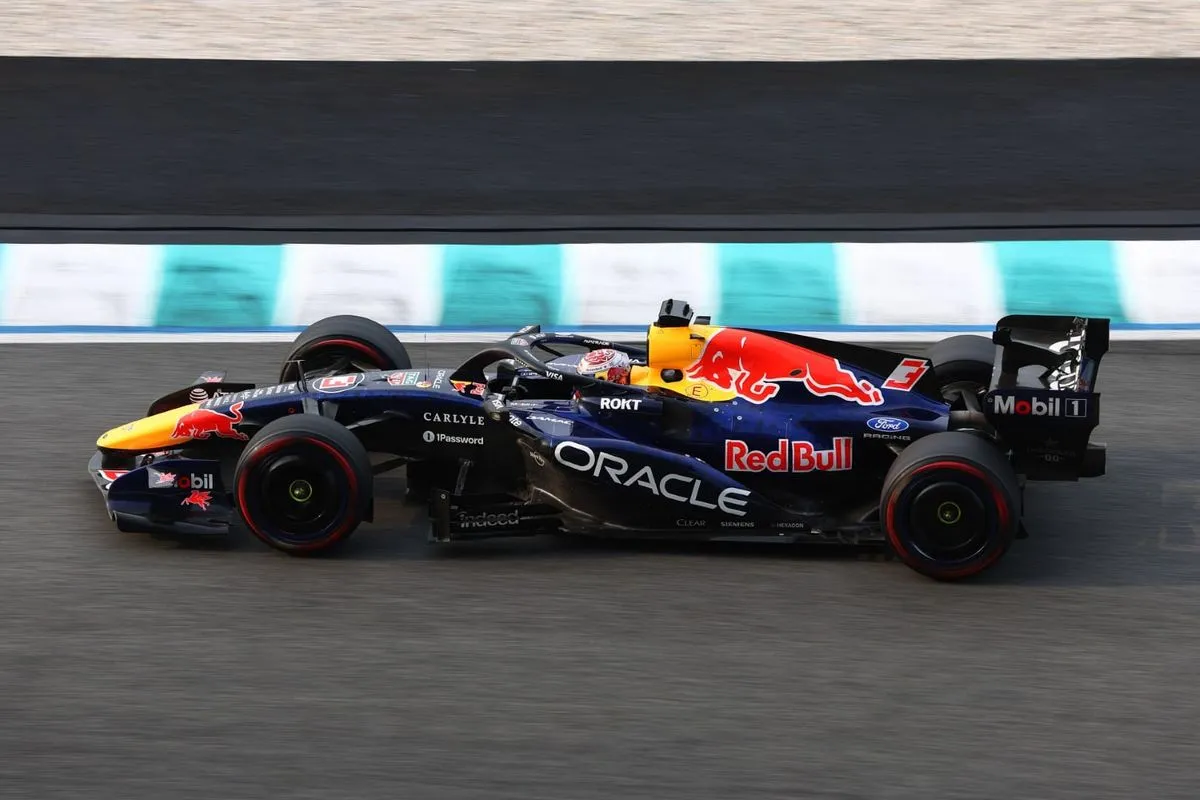
Lord concluded that true competitors will always prioritize lap time and performance over physical relief when balancing the overall trade-offs of an F1 car design. Unfortunately, sacrificing comfort did not yield the desired results, as Russell was forced to retire due to a power unit issue, compounding a devastating weekend for the driver.

Looking ahead, the retirement leaves Russell facing the grim prospect of potential engine penalties later in the campaign, adding a punishing double whammy effect to an already gut-wrenching blow for the Brackley squad.
Baca Juga
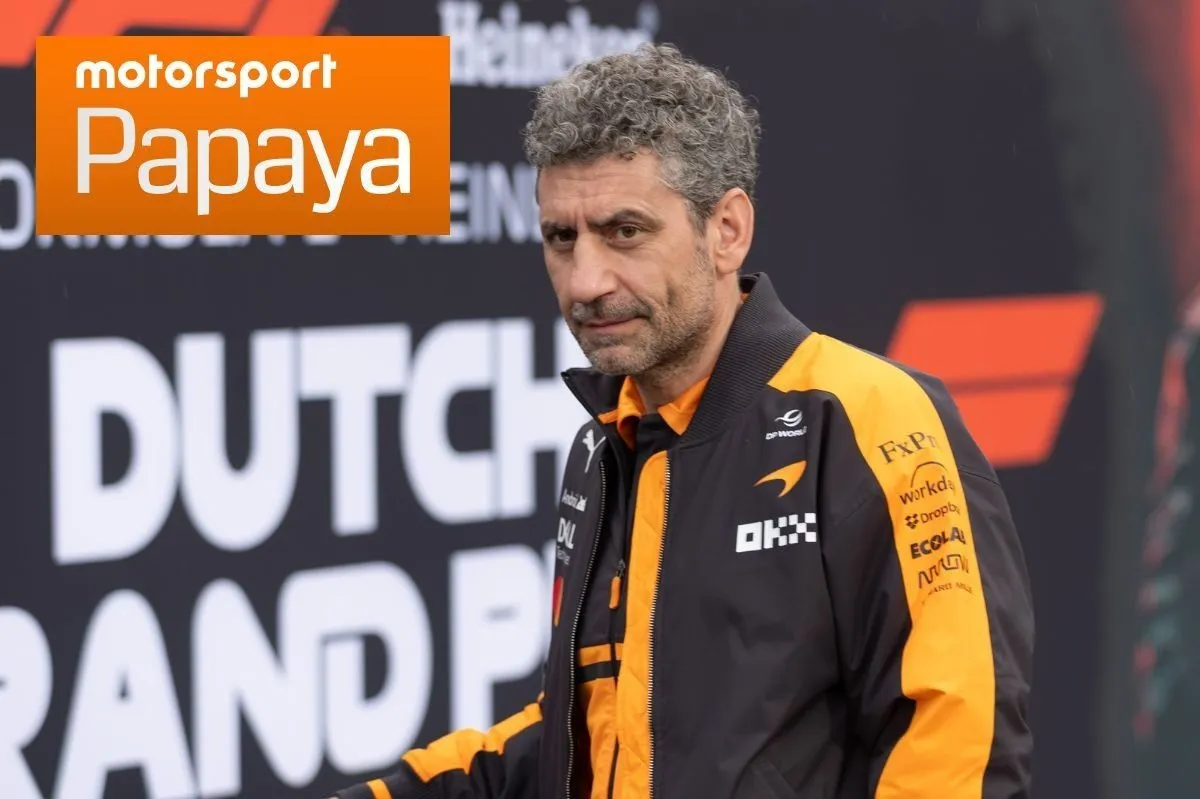
Andrea Stella menolak panik atas performa McLaren dan sebut data Sepang menyesatkan, jadikan GP Singapura ujian sebenarnya.
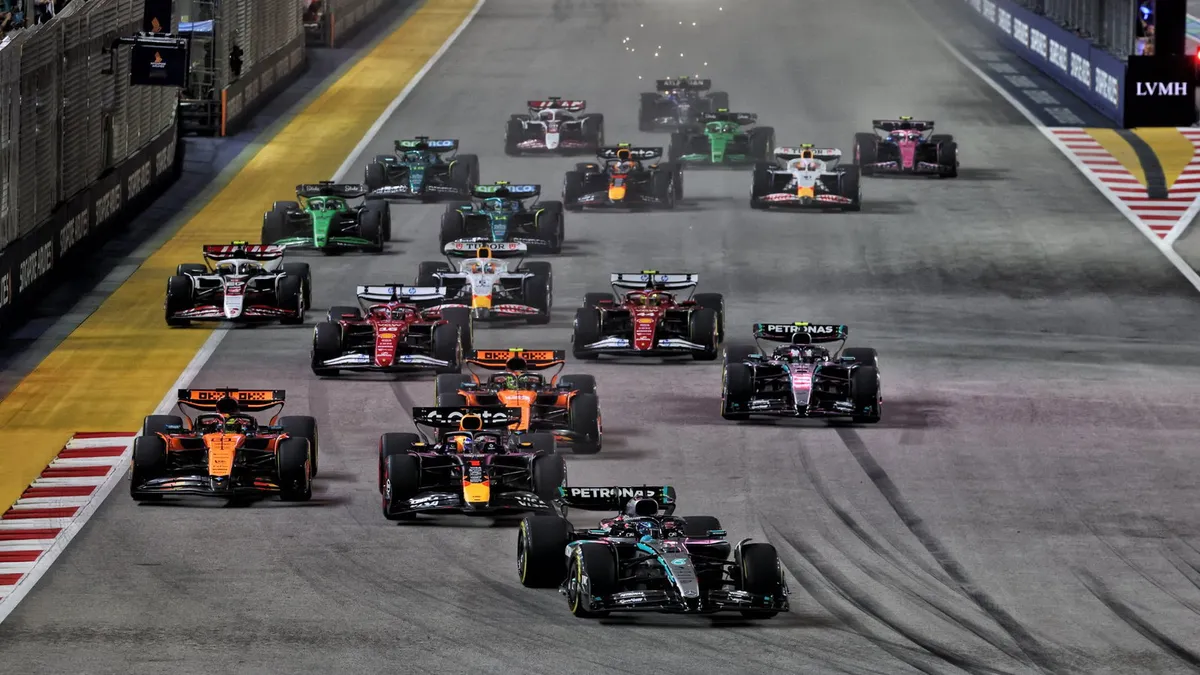
Panduan lengkap jadwal dan cara menonton F1 GP Singapura 2026 serta format sprint perdana di Marina Bay. Cek detail siaran langsung dan posisi klasemen.
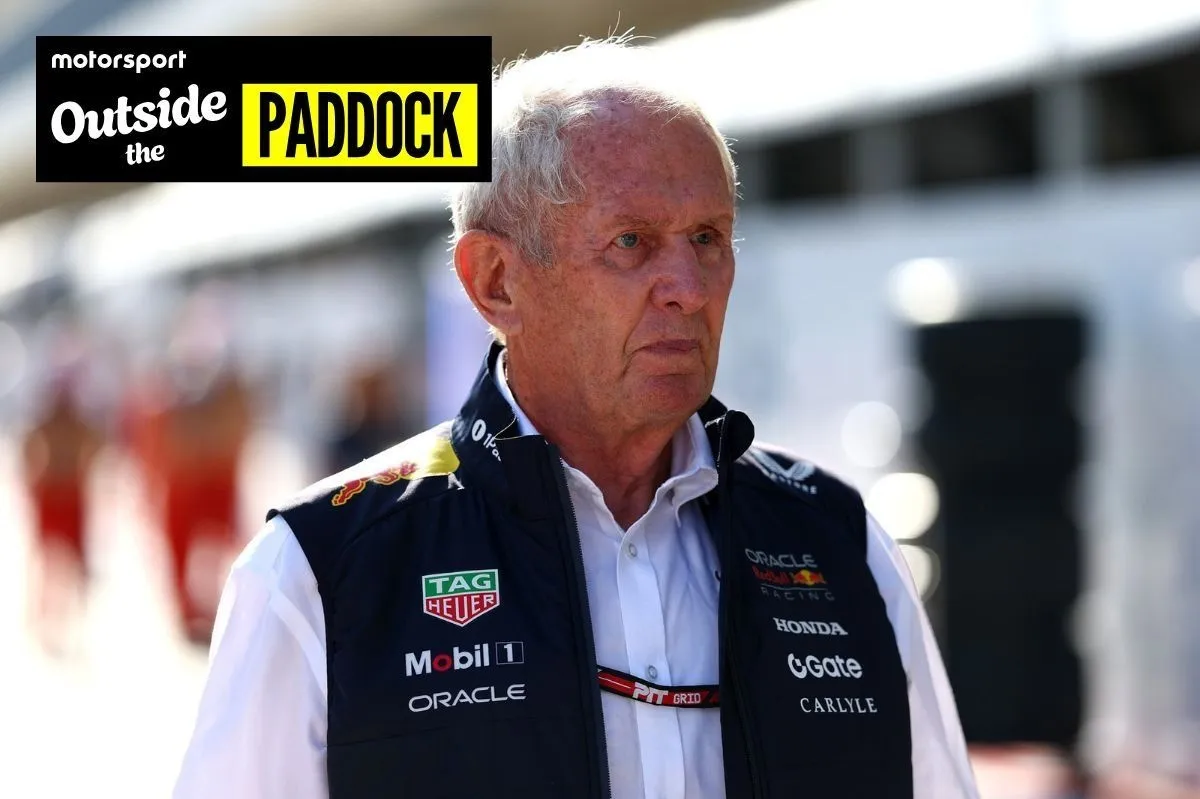
Helmut Marko sebut regulasi mesin V8 turbo F1 2030 sudah pasti disahkan setelah kekacauan teknis software dan hibrida kompleks di awal musim.
 Lanjutkan dengan Google
Diskusi & Komentar (0)
Mari Bergabung dalam Diskusi!
Masuk dengan mudah untuk mulai memberikan komentar, membalas, dan berinteraksi dengan pembaca lainnya.
Komentar Terbaru
Belum ada komentar. Jadilah yang pertama!