









Lewis Hamilton has described his involvement from the very beginning of Scuderia Ferrari’s 2026 car project as a “particularly fascinating challenge”, as the team prepares for what he considers the biggest regulation change of his Formula 1 career.
Hamilton joined Ferrari from Mercedes ahead of the 2025 season with a clear long-term objective: to embed himself within the team before the all-new 2026 technical regulations came into force. That transition year proved difficult on track, as Hamilton endured the first podium-less season of his Formula 1 career, reinforcing the scale of the reset now facing both driver and team.

The 2026 rules mark the sixth major regulatory era Hamilton has competed in since his 2007 debut, following significant changes in 2009, 2014, 2017, 2022, and now 2026. This depth of experience has positioned Hamilton as a key reference point within Ferrari’s Maranello-based engineering group as work progresses on the SF-26.
Hamilton explained that his role has gone beyond adaptation, with Ferrari placing value on his early feedback to help shape the fundamental concept of the new car. The focus has been on establishing a clear technical direction, particularly given the increased complexity introduced by revised power unit architecture and energy deployment requirements.
“The 2026 season represents a huge challenge for everyone, probably the biggest regulation change I have experienced in my career,” Hamilton said.
“When a new era begins, everything revolves around development, growth as a team, and moving forward in the same direction.”
Hamilton highlighted that early involvement in the design phase offers a different level of influence compared to joining a project once the core architecture is already defined. Working closely with Ferrari’s engineers, he has sought to reduce uncertainty and ensure alignment between driver feedback and technical philosophy.
“As a driver, being involved from the very start in the development of such a different car has been a particularly fascinating challenge, working closely with the engineers to help define a clear direction.”
Under the 2026 regulations, the driver’s technical responsibility is expected to increase, particularly in areas such as energy management and system optimisation during a lap. Hamilton acknowledged that this places greater emphasis on understanding the car’s systems and contributing directly to its ongoing evolution.
“It will be an extremely important year from a technical perspective, with the driver playing a central role in energy management, understanding the new systems and contributing to the car’s development.”
Hamilton concluded by stressing that Ferrari’s approach to the new era is collective, with the emotional and cultural backing of the team’s supporters remaining a defining factor in its identity and motivation.
“It is a challenge we face together as a team, supported by the extraordinary passion of Ferrari’s tifosi, which means so much to all of us.”
As Formula 1 approaches its next regulatory reset, the SF-26 project represents a defining opportunity for Hamilton and Ferrari to rebuild on solid technical foundations, with early collaboration and clarity of direction set to shape their competitiveness throughout the new era.
Baca Juga
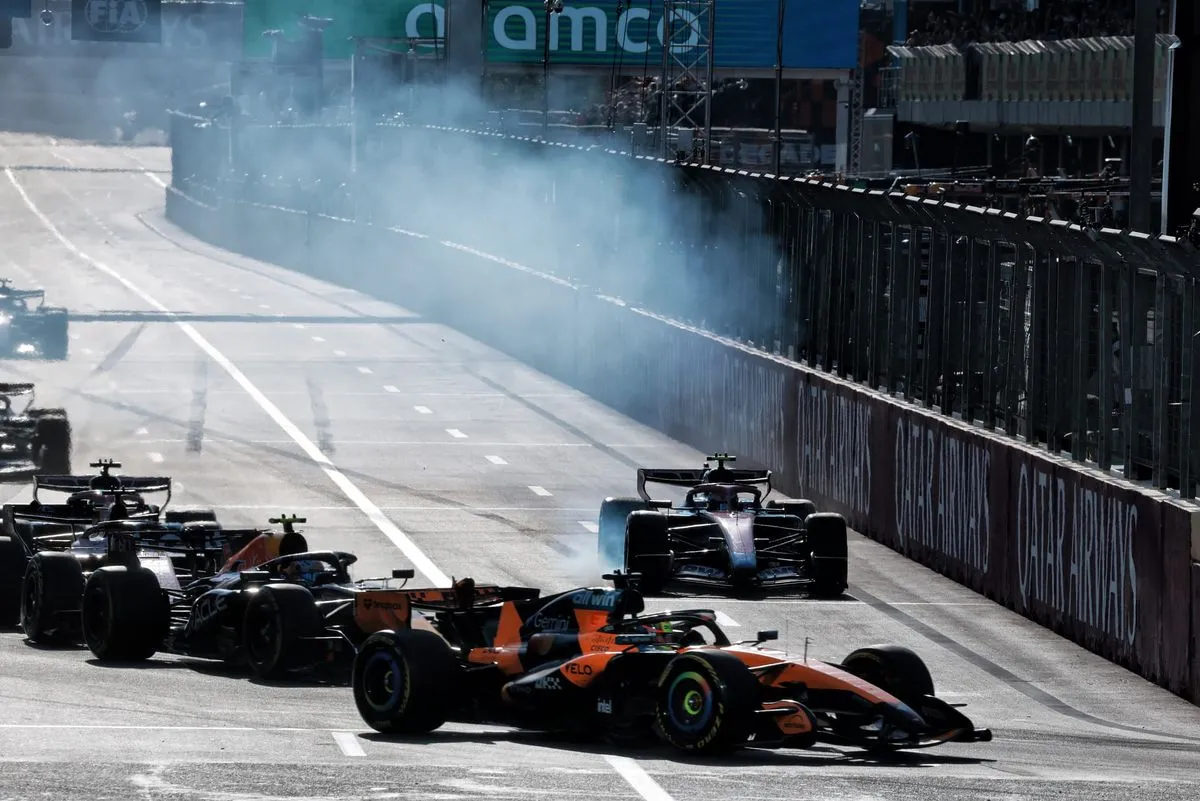
Insiden Franco Colapinto di GP Azerbaijan 2026 menyoroti titik buta sistem poin penalti F1. Tanpa poin penalti, apakah hukuman grid sudah cukup?
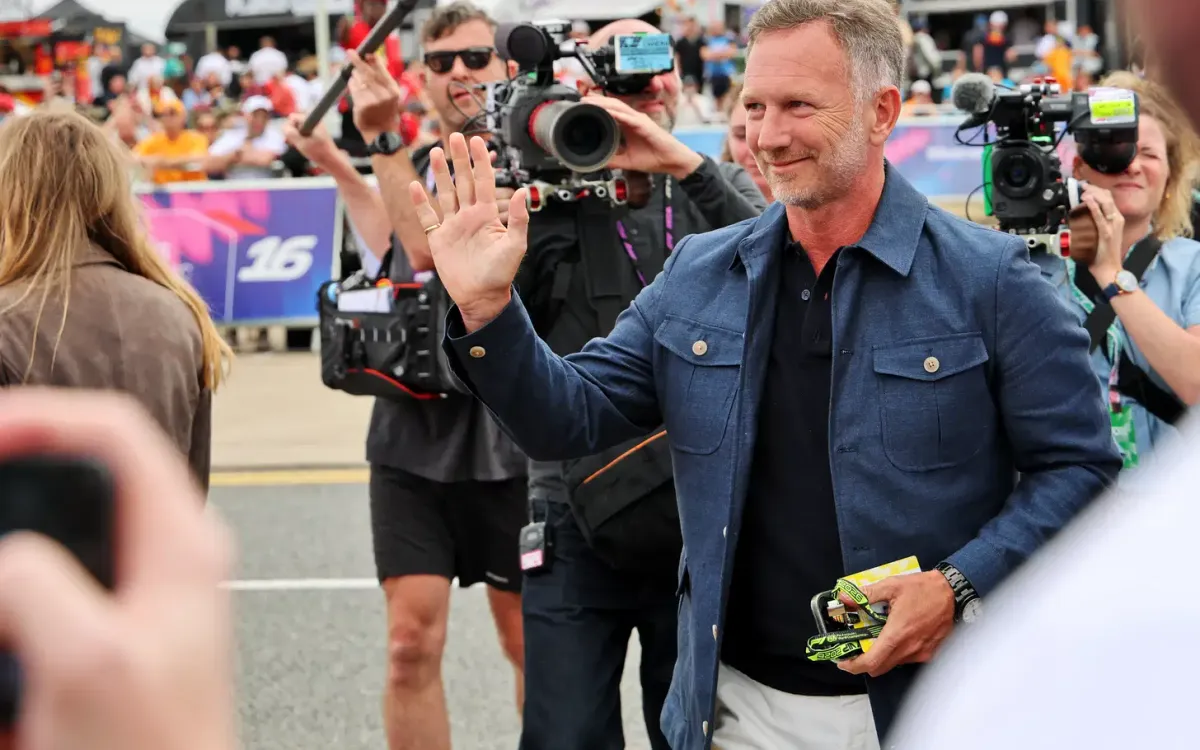
Christian Horner blak-blakan soal kepergiannya dari Red Bull. Ia sebut tim telah kehilangan 'vibe' dan identitas sejak ditinggalkan. Simak pernyataan lengkapnya.
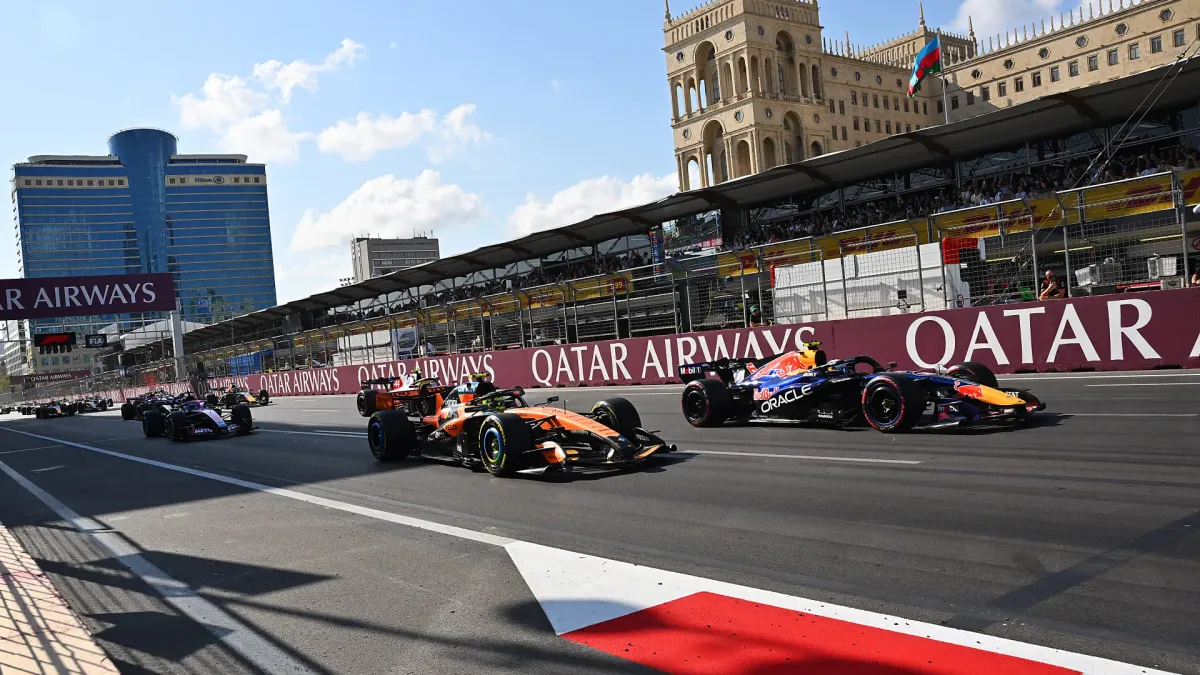
Klasemen F1 2026: Kimi Antonelli memimpin dengan 302 poin, disusul George Russell dan Lewis Hamilton. Simak update lengkapnya di sini.
 Lanjutkan dengan Google
Diskusi & Komentar (0)
Mari Bergabung dalam Diskusi!
Masuk dengan mudah untuk mulai memberikan komentar, membalas, dan berinteraksi dengan pembaca lainnya.
Komentar Terbaru
Belum ada komentar. Jadilah yang pertama!