







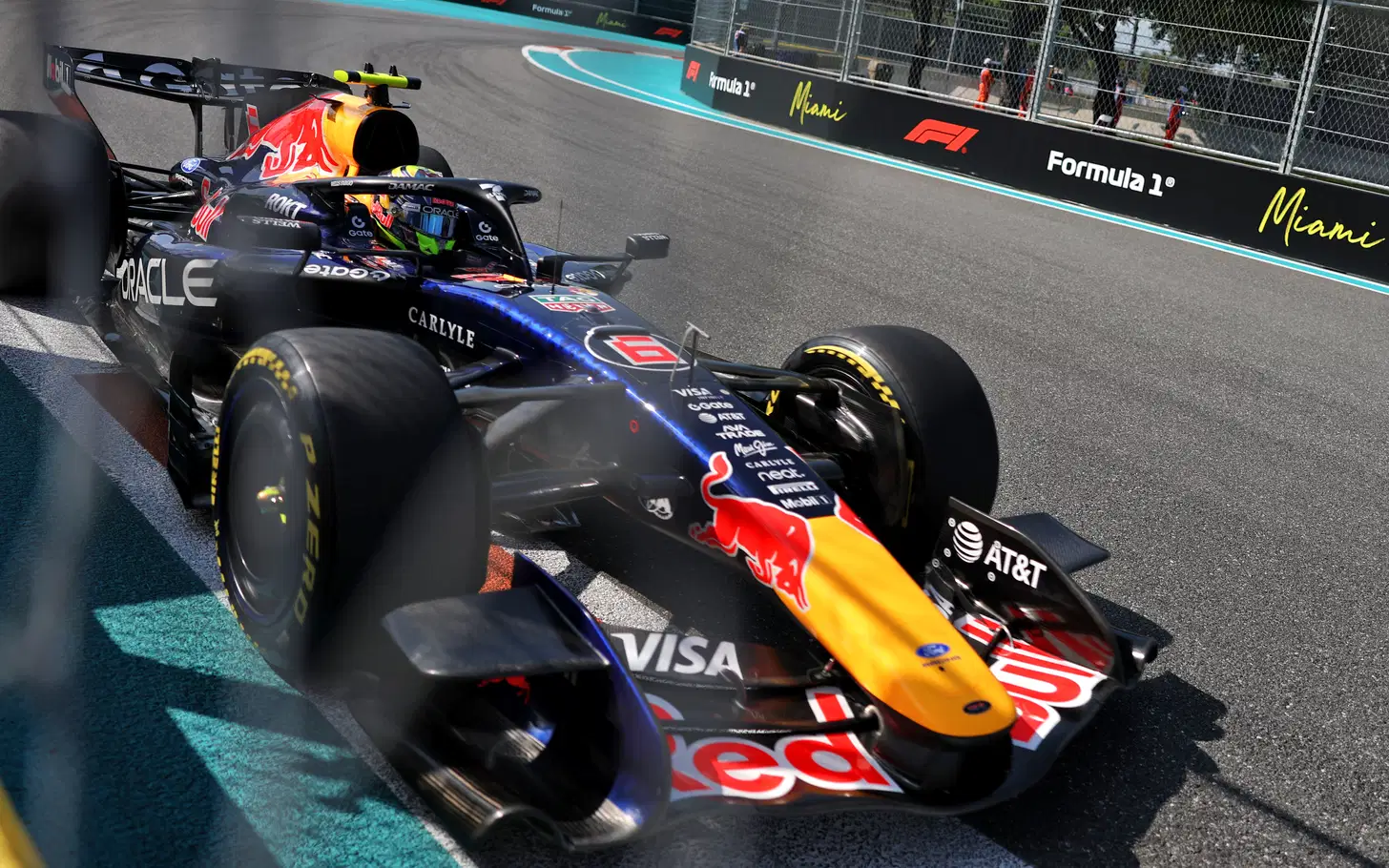

Isack Hadjar has urged Red Bull Racing to fix its start procedure after stalling twice and losing several positions at the beginning of the Barcelona-Catalunya Grand Prix. Hadjar started sixth but a poor launch forced him into a recovery drive before he eventually returned to the same position at the chequered flag.
The problem did not arrive without warning. Hadjar revealed that his starts had been inconsistent throughout the weekend, including across the six practice launches completed before the race. However, his worst getaway occurred when it mattered most, immediately removing the advantage secured by qualifying on the third row.
Two Stalls Expose Narrow Start Procedure Window
Hadjar believes the sequence drivers must complete before the lights go out has become too complicated and demands an unrealistic level of precision. During a modern Formula 1 start, a driver must coordinate clutch position, engine revs, bite point, and throttle input. Small variations in tyre temperature, surface grip, or clutch response can significantly affect the launch.
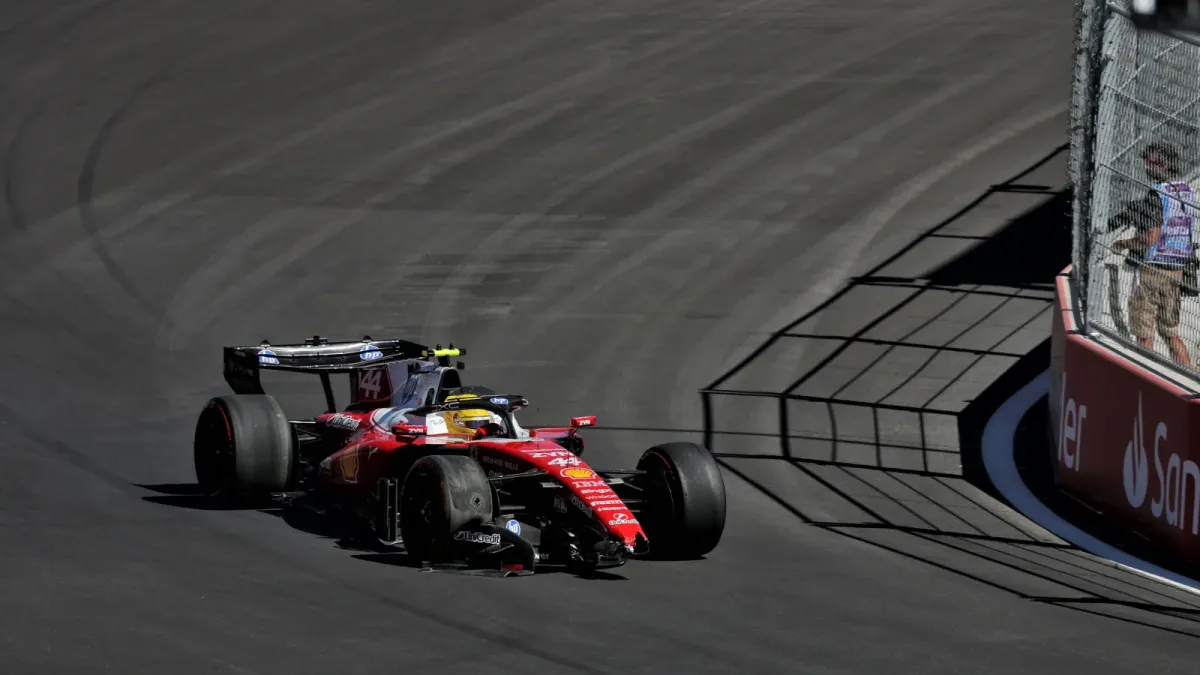
"It was just like this for me throughout the whole weekend," Hadjar said. "Out of the six practice starts we had, the one on the grid was the worst. It had to happen there. I stalled twice, which I had never done all season."
Hadjar then called on Red Bull to simplify or correct the process. "We need to fix these issues because the procedure is way too complicated," he added. "I am not a computer, I am not a machine, and I cannot be 0.0001 per cent precise. It is not working."
His assessment indicates that the issue cannot be reduced to driver reaction alone. Hadjar believes the operating window for producing a clean launch is too narrow, meaning a minor error can trigger wheelspin, an excessive drop in engine revs, or a stall. At circuits where the run to the opening corner is decisive, such a weakness can erase the entire benefit of a strong qualifying result.
Recovery Drive Rescues Sixth Place
Hadjar recovered by passing the midfield cars that had moved ahead of him during the opening phase. The car's underlying pace was strong enough to bring him back to sixth, securing a third consecutive points finish. However, the effort required to regain those positions made the race more difficult than it would have been had he retained his grid position.
Once Hadjar cleared the midfield group, the leading cars were already too far ahead for him to join the next battle. That left him in an isolated section of the race. He had more pace than the cars behind but lacked the track position needed to challenge the established front runners.
"If you are starting at the back like me, you clear the midfield cars quite easily, and then the top cars are nowhere near you," Hadjar explained. "Then it becomes a boring race. But to be fair, we did better than I expected for a track like that and in those conditions."
Start Weakness Risks Wasting Red Bull Pace
Sixth place demonstrated that Hadjar's race package possessed enough performance to deliver a strong points result in Barcelona. The start problem, however, transformed what should have been a controlled race from the front of the midfield into a recovery operation. In a tightly packed field, losing several places on the opening lap can force a team to alter its strategy and leave the driver running in turbulent air.
Following another car closely reduces available aerodynamic load, increases tyre temperatures, and can accelerate degradation. The launch procedure therefore affects more than the approach to Turn 1. It can shape the entire race by determining whether the driver is able to manage tyres in clean air or must spend the opening stint attacking through traffic.
Red Bull must now examine the clutch data, bite-point calibration, engine revs, and driver inputs from each Barcelona practice start. Comparing those launches with previous rounds should establish whether the problem was linked to hardware calibration, the circuit's grip level, or the complexity of the operating sequence Hadjar was required to follow.
Hadjar still secured sixth and extended his points-scoring run, but his message to the team was clear. Race pace will not always be enough to recover positions lost during the launch. Ahead of the next round, improving the consistency and usability of the start procedure will be essential if Red Bull is to avoid wasting another strong qualifying position before the opening lap is complete.
Baca Juga
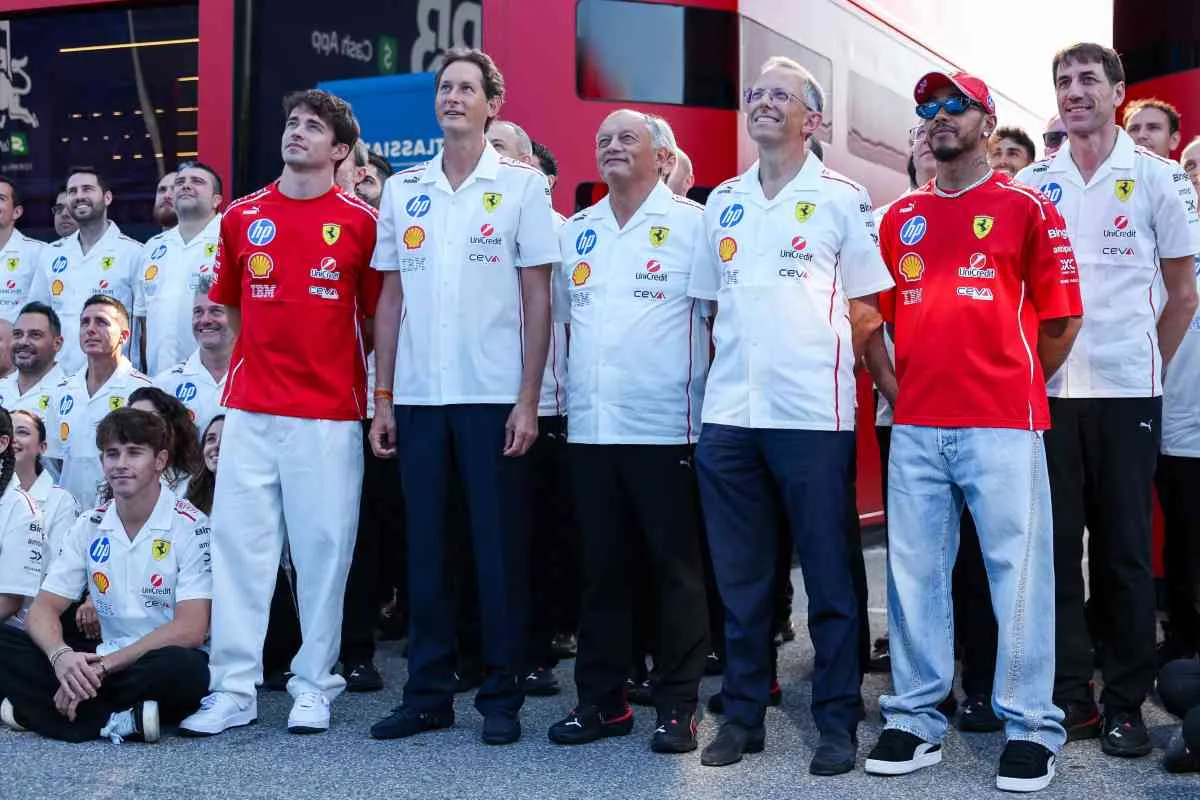
Ferrari dilanda krisis setelah empat GP tanpa podium. Rumor ketegangan antara Hamilton dan Vasseur serta spekulasi masa depan team principal menjadi sorotan.
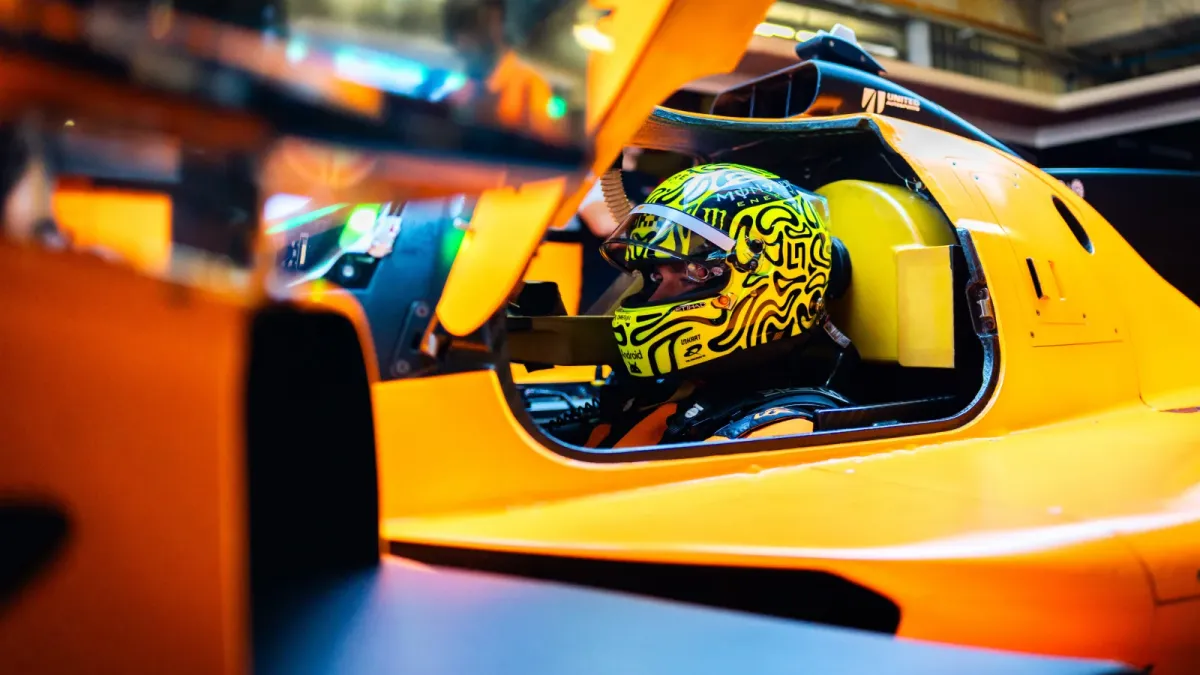
Lando Norris menguji hypercar McLaren MCL-HY di Portimao usai finis ketiga di GP Spanyol. Ia sebut pengalaman itu 'sangat istimewa' dan berharap bisa kembali mengendarainya.
Fotografer F1 diduga dicekik polisi di GP Spanyol. Insiden terjadi saat menuju podium. FIA diminta bertindak. Simak kronologinya di sini.
 Lanjutkan dengan Google
Diskusi & Komentar (0)
Mari Bergabung dalam Diskusi!
Masuk dengan mudah untuk mulai memberikan komentar, membalas, dan berinteraksi dengan pembaca lainnya.
Komentar Terbaru
Belum ada komentar. Jadilah yang pertama!