







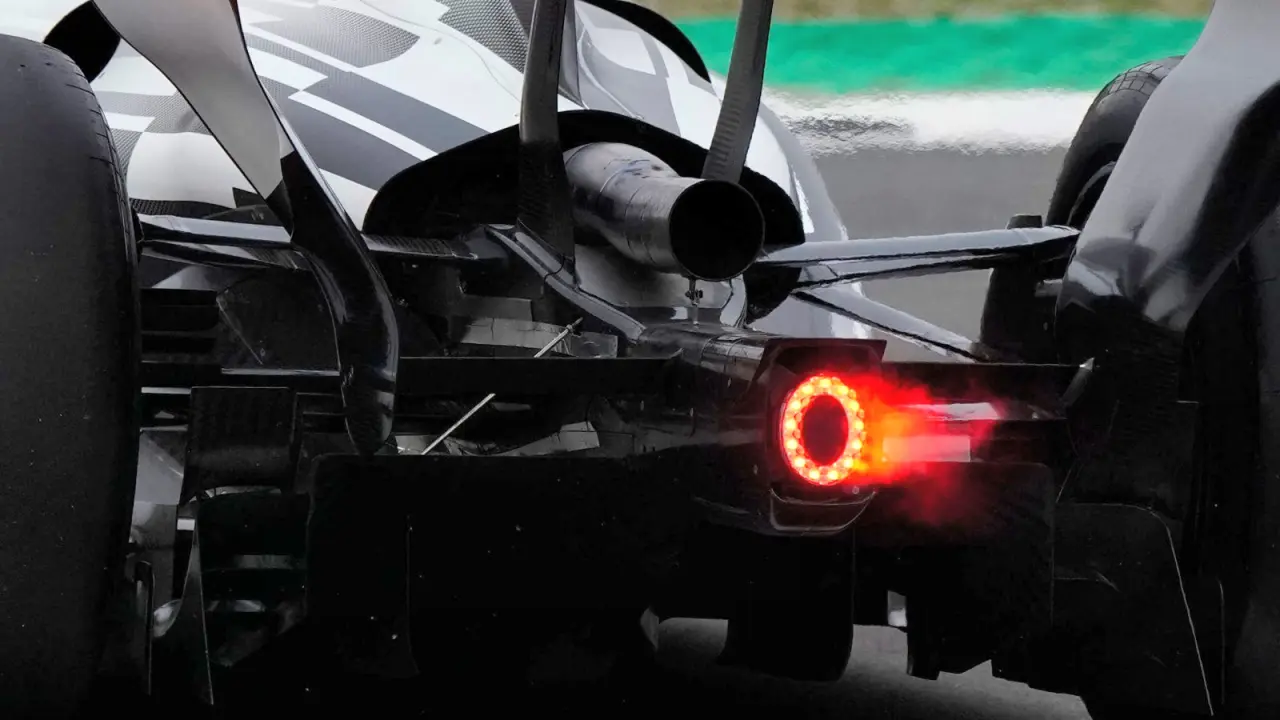

Formula 1, Sportrik Media - Haas delivered one of the fastest technical responses of the early 2026 Formula 1 season by introducing a modified interpretation of Ferrari’s SF-26 exhaust-blown flap concept during the Chinese Grand Prix weekend.
The solution, first seen on Ferrari’s car earlier in the season, utilises the exhaust plume to influence airflow around the rear of the car. By carefully managing the flow of hot gases leaving the exhaust pipe, teams can improve the aerodynamic behaviour of the diffuser and rear bodywork, potentially increasing downforce without significantly increasing drag.
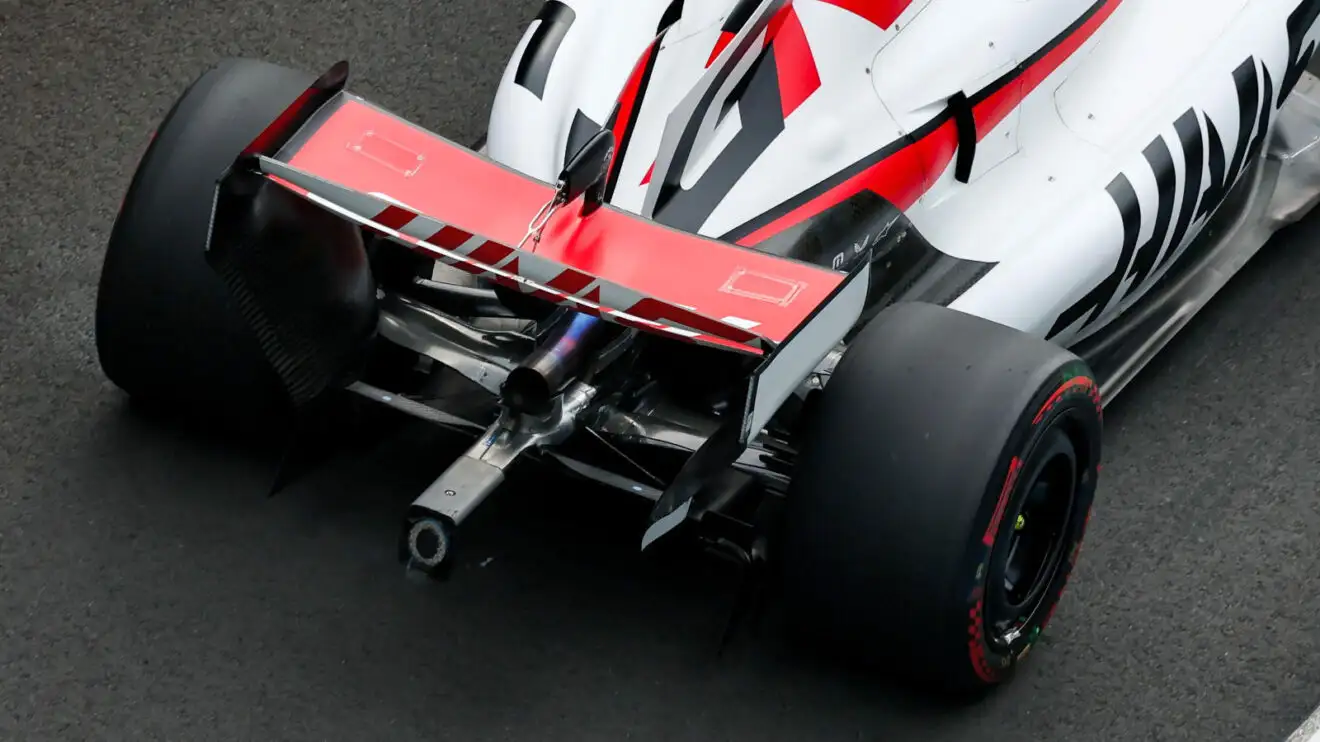
Haas, which runs a Ferrari power unit and maintains close technical links with the Italian manufacturer, was the only team able to introduce a rapid response to the concept in Shanghai. However, the VF-26 version is not a direct copy of Ferrari’s design.
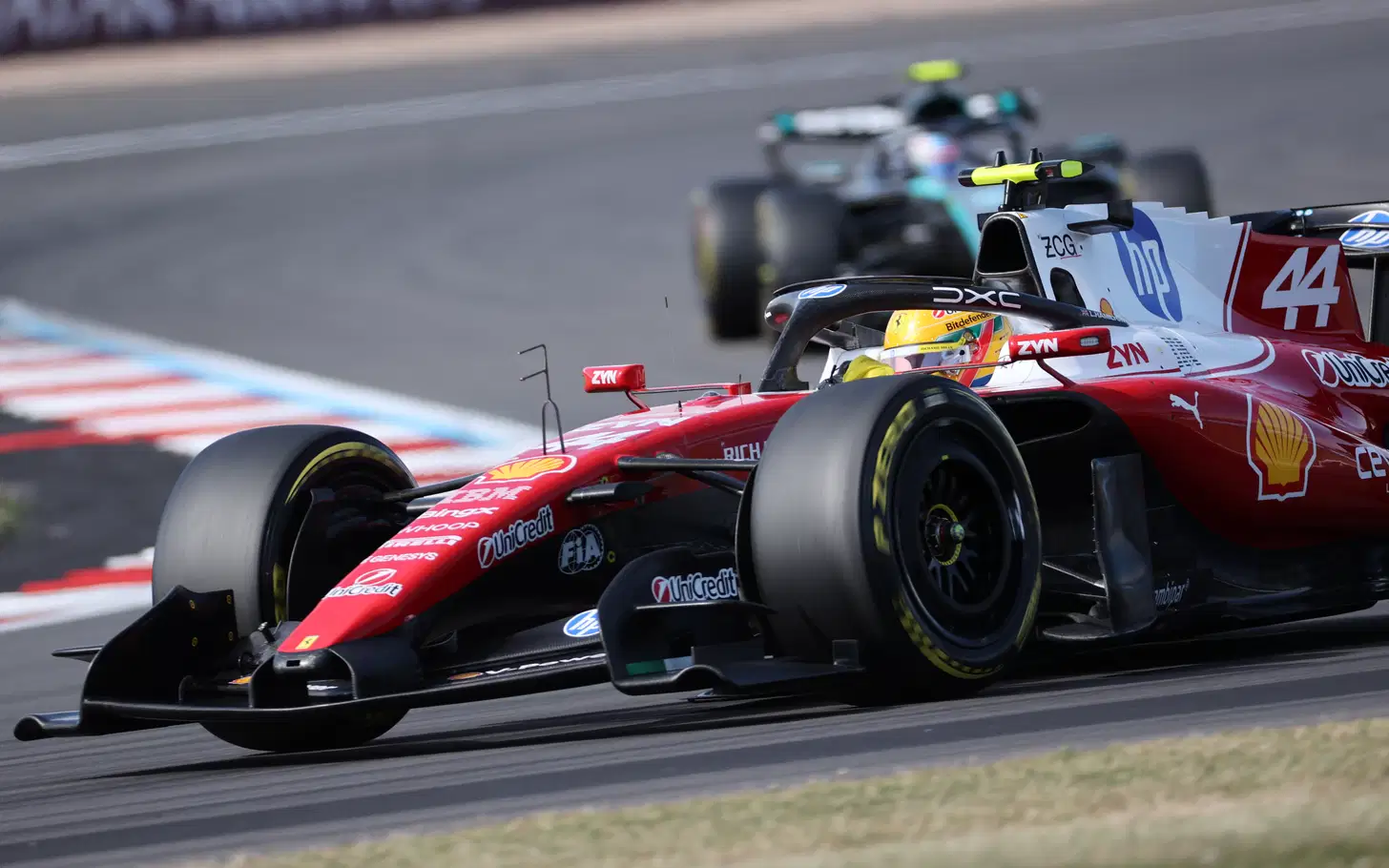
Instead, the American team adapted the concept to work with its existing rear-end architecture. This approach reflects the structural differences between the Haas and Ferrari cars, meaning the concept needed to be integrated into Haas’s pre-existing aerodynamic configuration.
The system itself consists of two primary design elements. The first is a seat-like structure positioned around the exhaust outlet. The second is a small aerodynamic flap that manipulates the exhaust plume, directing the hot airflow to influence the aerodynamic behaviour of the surrounding components.
While Ferrari’s design features a relatively large and closely integrated flap near the exhaust outlet, Haas opted for a noticeably shorter version positioned slightly further away from the tailpipe.
This design choice suggests that Haas engineers are still exploring how best to integrate the concept with the rest of the VF-26’s rear aerodynamic package.
The solution introduced in China is therefore likely only the first stage of development. Further refinements are expected in upcoming races as the team continues to optimise the interaction between the exhaust plume and the surrounding aerodynamic surfaces.
One key component influenced by this design is the diffuser. Like Ferrari, Haas had already adopted a diffuser extension chute that runs upward along the side of the rear crash structure.
The addition of the exhaust-blown aerodynamic element could enhance the effectiveness of this diffuser configuration. However, the introduction of the new system means the entire rear aerodynamic package may require re-optimisation to ensure the airflow structures interact correctly.
This process often involves iterative development across multiple race weekends, with adjustments made to the diffuser geometry, rear wing configuration, and surrounding bodywork.
Another important challenge associated with the concept is heat management. Because the aerodynamic components operate very close to the exhaust outlet, they must withstand extremely high temperatures generated by the engine’s exhaust gases.
To address this issue, Haas has implemented specialised heat-resistant materials and coatings. Engineers are also closely monitoring the temperature distribution around the affected components.
As part of this monitoring process, heat-sensitive temperature strips have been attached to several areas around the exhaust and diffuser assembly. These strips change colour when exposed to certain temperature thresholds, allowing engineers to analyse heat loads and evaluate whether additional protection or material adjustments are required.
The concept has also prompted questions about whether other teams using Ferrari power units might adopt a similar design. In particular, attention has turned to the new Cadillac Formula 1 project.
Although Cadillac uses Ferrari engines, the team has chosen to design and manufacture its own rear-end components rather than purchasing the full rear suspension and gearbox assembly from Ferrari, as Haas does.
Because the exhaust-blown flap concept relies heavily on the integration between the power unit installation and the surrounding rear-end aerodynamic structure, Cadillac cannot easily replicate Ferrari’s configuration.
As a result, Cadillac finds itself in a similar position to most of the grid, where teams must independently interpret the regulatory framework if they wish to pursue a comparable concept.
The solution itself represents a clever exploitation of the regulatory design “boxes” within the 2026 technical regulations. Formula 1 aerodynamic development often revolves around identifying these subtle opportunities within the rules and translating them into performance gains.
Haas’s rapid response also highlights the increasingly fast pace of technical development in modern Formula 1. In an environment where even minor aerodynamic improvements can produce measurable performance gains, the ability to react quickly to rival innovations can be crucial.
As the season progresses, it will become clearer whether the exhaust-blown flap concept evolves into a wider development trend across the grid or remains a specialised solution limited to a small number of teams capable of integrating it effectively.
Baca Juga
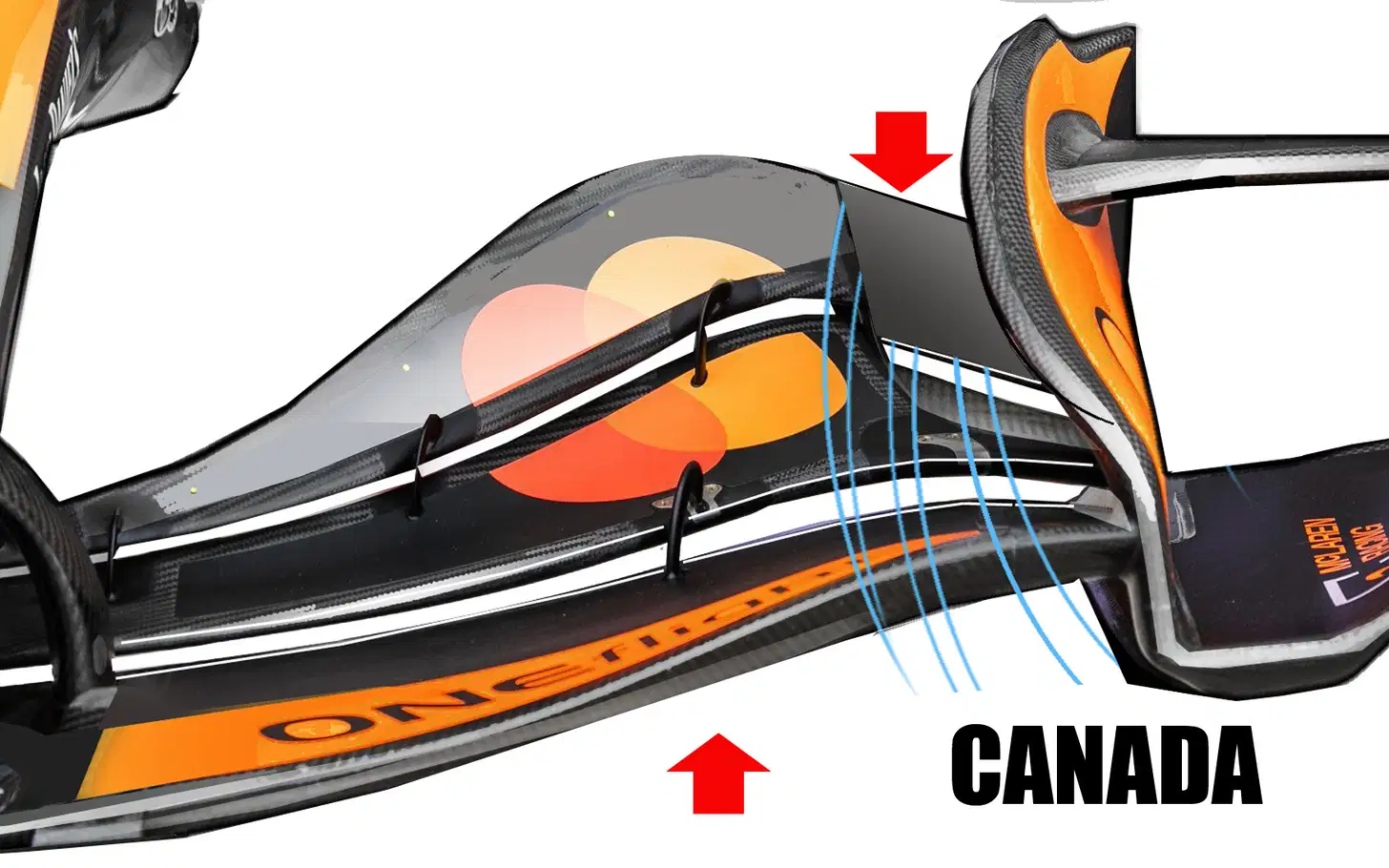
Mercedes dan McLaren membawa paket upgrade besar ke GP Kanada, memicu duel teknis yang bisa menentukan arah musim F1 2026.
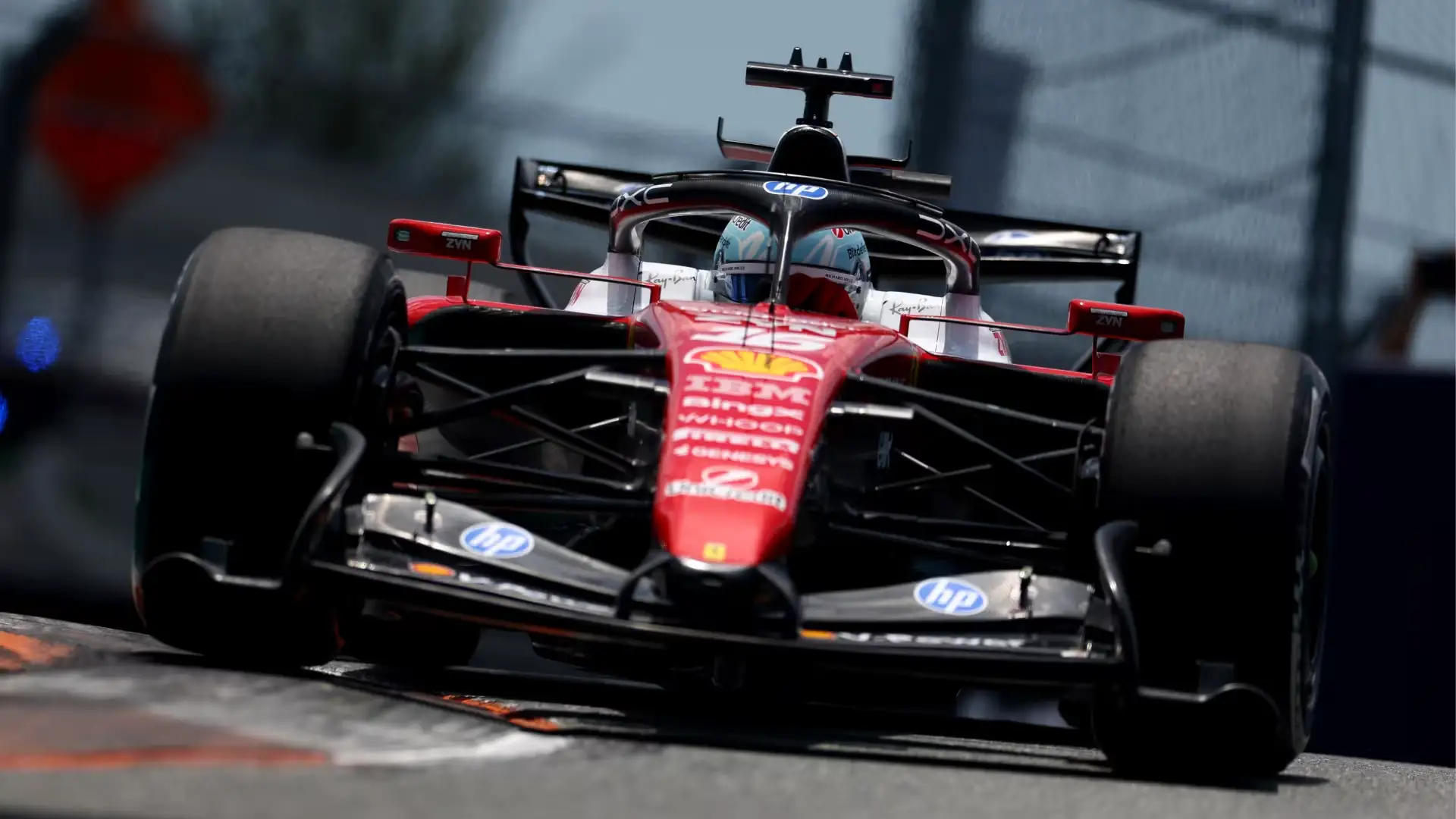
Ferrari membawa upgrade besar SF-26 dari depan hingga belakang mobil dan mulai mengancam McLaren serta Red Bull di Formula 1 2026.
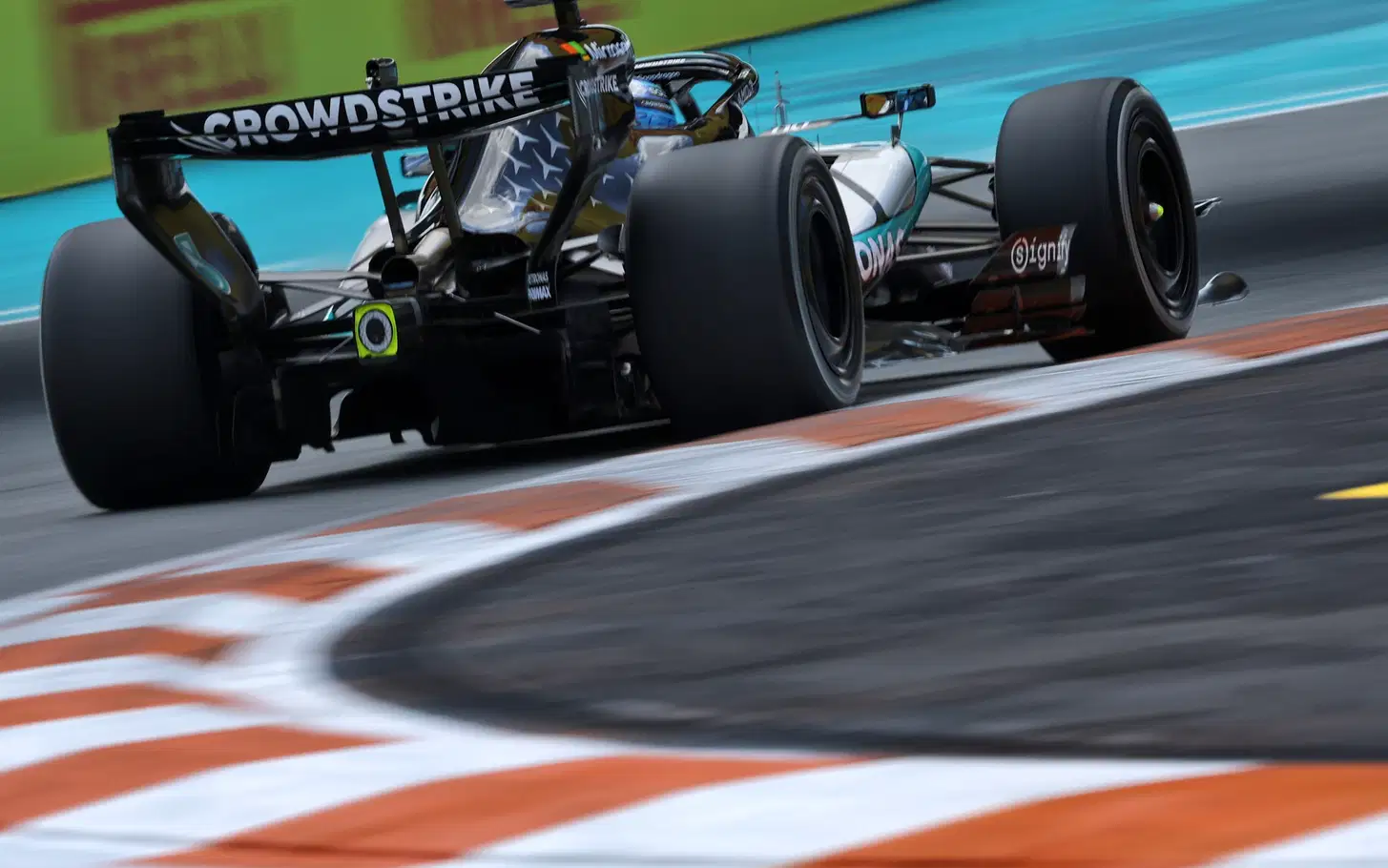
Mercedes menghadapi ujian besar di GP Kanada 2026 setelah regulasi energy management FIA berpotensi mengubah keseimbangan Formula 1.
 Lanjutkan dengan Google
Diskusi & Komentar (0)
Mari Bergabung dalam Diskusi!
Masuk dengan mudah untuk mulai memberikan komentar, membalas, dan berinteraksi dengan pembaca lainnya.
Komentar Terbaru
Belum ada komentar. Jadilah yang pertama!