








Gary Anderson, former F1 designer and now technical analyst, highlights that Formula 1's overtaking problem is not just about one circuit. In his analysis for The Race, he notes that the inaugural race at the Madring saw virtually no competitive overtaking, but that is true of many, if not all, current F1 circuits.
Anderson distinguishes between competitive overtaking and maneuvers that occur solely due to energy strategy differences. He argues that since the start of the season, we have seen exciting racing, but that is mainly down to the harvesting and deployment of an inadequate battery pack. When one car runs out of battery while another still has electrical energy to deploy, that is not overtaking based on driver skill. "This is far removed from any driver skill, and driver skill is the reason I and millions of other viewers watch F1," he says.
Furthermore, Anderson points out the cars' over-reliance on downforce, especially the front wing. When downforce is lost in this area, understeer occurs and lap time is lost. Consequently, a faster car catching another loses performance and cannot pull off an overtaking maneuver. This issue is exacerbated by tyre overheating due to increased sliding.
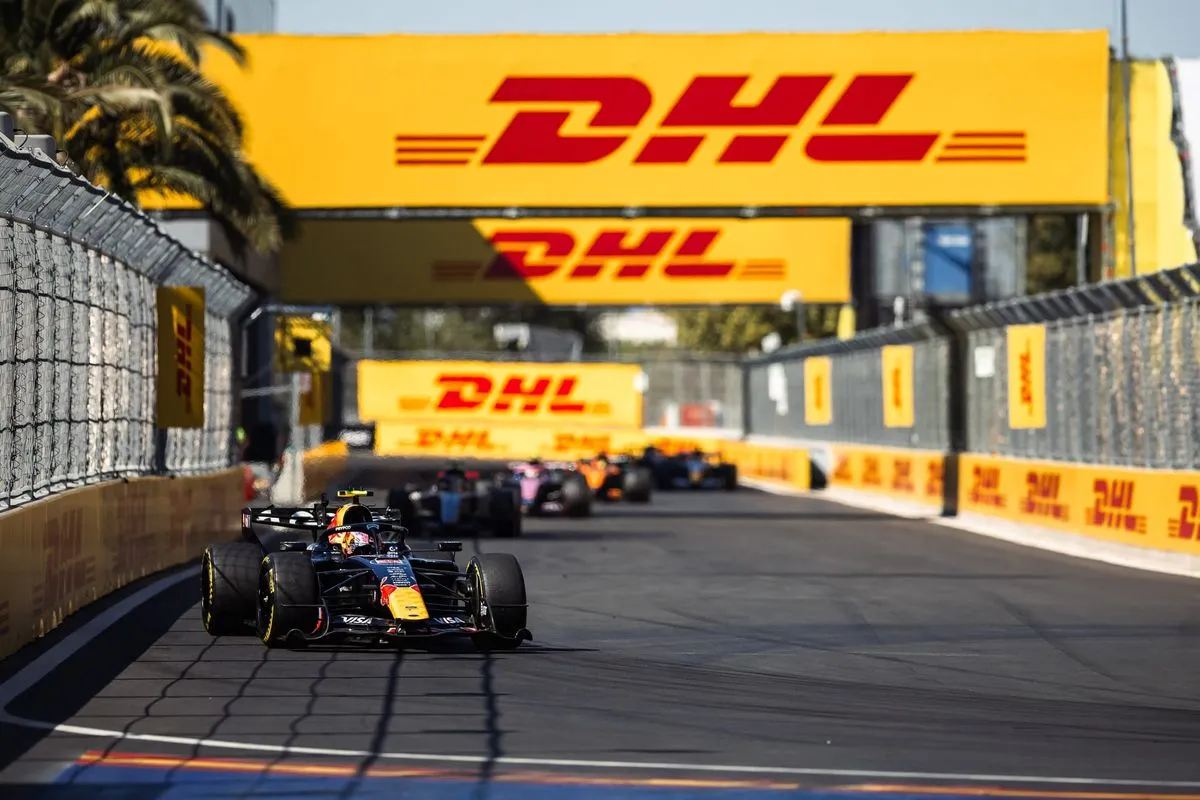
Anderson also highlights the role of tyres. He criticizes the high tyre pressures mandated by Pirelli through the FIA to reduce the risk of tyre failures. However, higher pressures make the tyre stiffer, reduce the contact patch, and decrease grip. "Tyre pressures equal grip. The higher the pressure, the stiffer the tyre and the smaller the tyre contact patch becomes, resulting in less grip," he explains. He suggests that Pirelli should advise camber and tyre pressures but allow teams to decide for themselves what they actually run.
For the Madring circuit, Pirelli brought the C2 hard, C3 medium, and C4 soft tyres. However, according to Anderson, this choice does not necessarily solve the overtaking problem. He emphasizes that the issue is more structural and requires a comprehensive solution, not just a change of circuit or tyre compound.
Anderson also touches on other technical aspects such as the influence of DRS and race strategy. He believes DRS helps, but is not enough to create pure overtaking. "To get any extra deployment to help with overtaking, you need to be within one second of the car in front, but if you have already lost downforce, you are slower," he says. This creates a vicious cycle that is hard to break.
He further discusses the role of Pirelli as the sole tyre supplier. He believes Pirelli is in a difficult position, having to balance performance and safety. However, he argues that F1 teams should be given more freedom in determining tyre settings, as they have the data and expertise to manage risk.
Anderson also mentions the current technical regulations. He believes F1 cars are too downforce-dependent and need a significant reduction, especially on the front wing. "I still believe the cars are too downforce-reliant, especially the front wing. When you lose downforce in this area, it creates understeer and basically you lose laptime," he states.
In conclusion, Anderson asserts that F1's overtaking problem is not something that can be solved quickly. Fundamental changes in technical regulations are needed, including downforce reduction, better tyre management, and possibly changes to the race format. "This is not a problem that can be solved with just one circuit or one rule change. It is a systemic issue that requires a comprehensive solution," he concludes.
Baca Juga
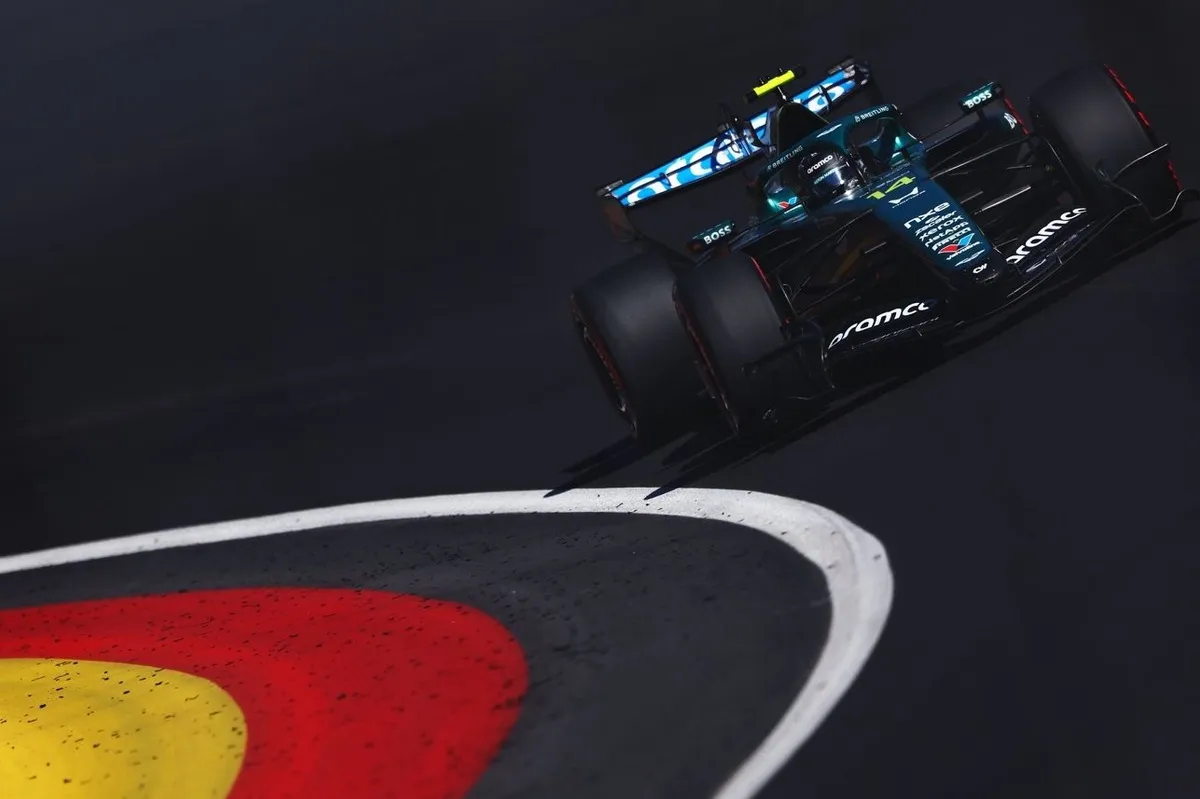
Mercedes terbuka pada revisi ADUO F1 setelah Alonso bicara dengan FIA soal Honda. Toto Wolff akui Honda butuh bantuan lebih agar kompetitif.
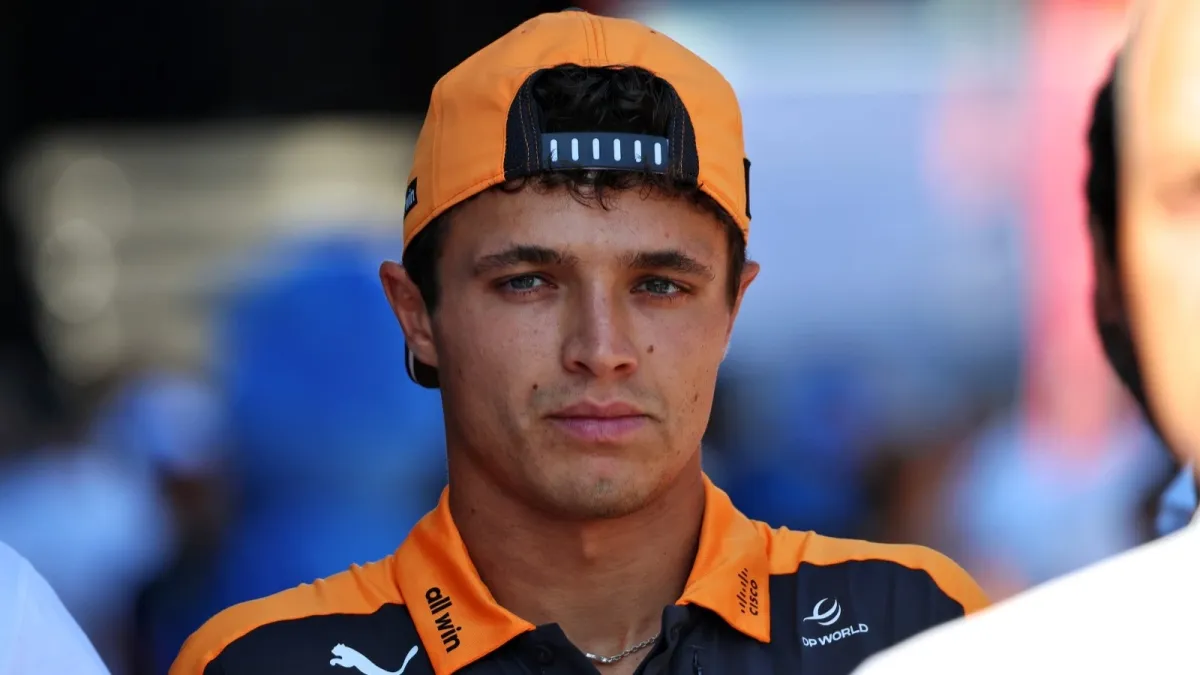
Lando Norris mengkritisi format sprint Monaco 2027 yang hanya menyediakan satu sesi latihan bebas. Ia menilai pembalap harus mengambil risiko lebih awal tanpa ruang untuk membangun limit.
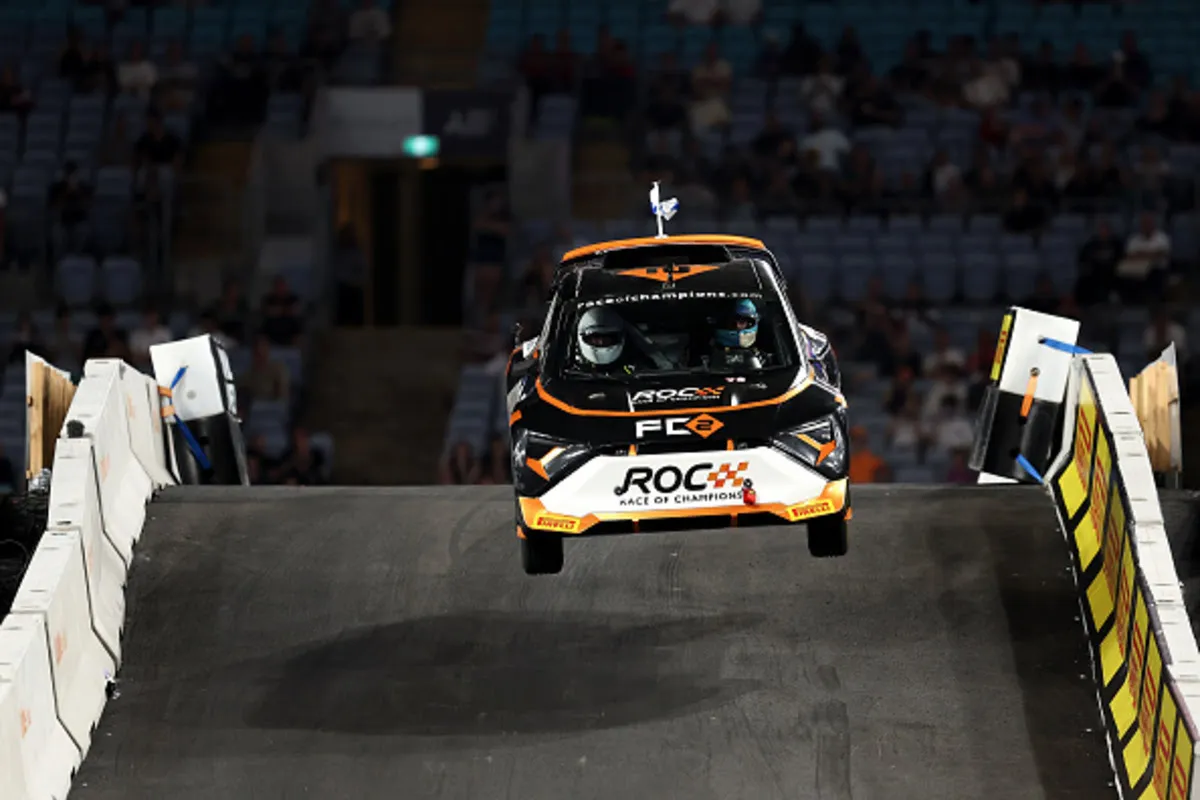
Race of Champions 2027 akan digelar perdana di Wellington, Selandia Baru, pada 9-10 Januari. Vettel, Bottas, dan Paddon siap bertarung.
 Lanjutkan dengan Google
Diskusi & Komentar (0)
Mari Bergabung dalam Diskusi!
Masuk dengan mudah untuk mulai memberikan komentar, membalas, dan berinteraksi dengan pembaca lainnya.
Komentar Terbaru
Belum ada komentar. Jadilah yang pertama!