







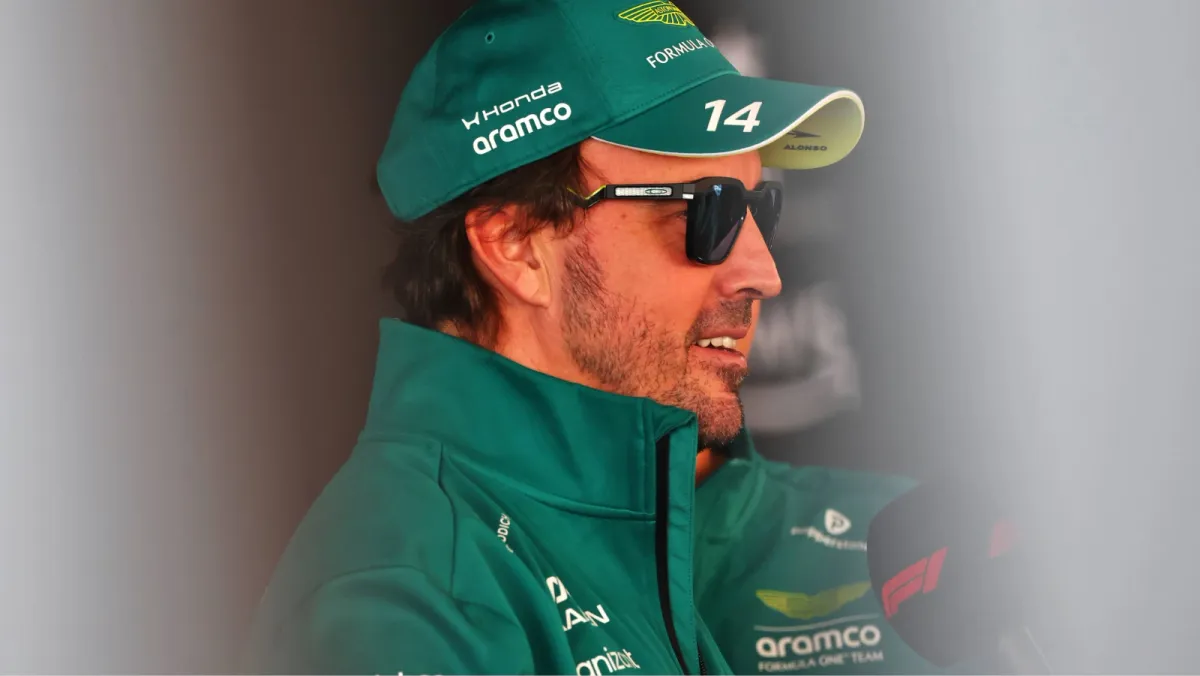

Two-time world champion Fernando Alonso has steadfastly refused to retract his controversial remarks regarding the subpar driving standards at the rear of the Formula 1 grid following the United States Grand Prix.
The harsh critique initially surfaced in the wake of a collision involving the Spanish veteran and Alex Albon. Deep frustration after the race prompted him to openly claim that the overall quality of drivers inhabiting the back third of the grid sits at a very low level.
Nearly a week following the race weekend in Austin, the experienced racer's stance remains entirely unchanged. He argued that the drivers who felt personally targeted by his words inadvertently validated the harsh reality of on-track occurrences.
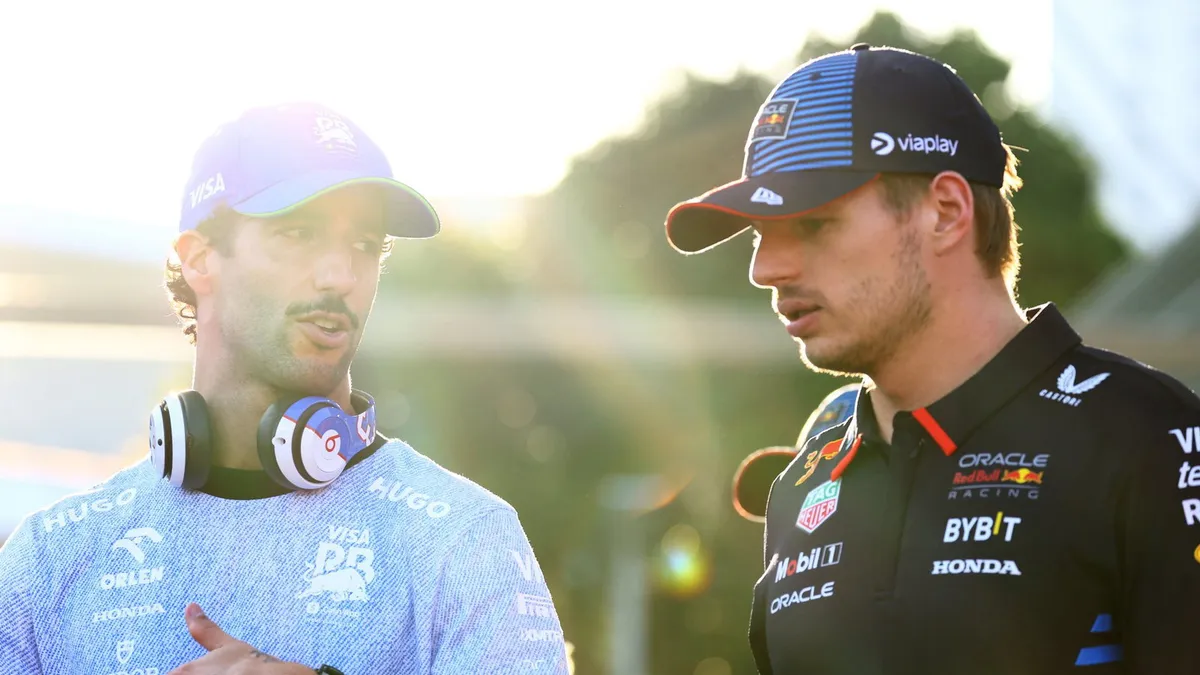
Reporting from Motorsport Week, he reiterated to media outlets that while he refrained from specifying an exact numerical headcount of problematic drivers, everyone within the paddock community clearly understands the identities implied.
"I don’t know if it’s one-third, because then I saw some reports trying to pick up eight or seven drivers. I’m not specific about the number of them," Alonso told media, including Motorsport Week. "Pero I think we all know which ones we’re talking about and which ones they felt hit by that comment. So that tells you everything. I still feel the same. That was a mistake that was not needed."
Elaborating further, the Aston Martin talisman explained that decades of accumulated top-flight experience still leave him utterly perplexed by the erratic risk assessments executed by certain competitors.
"I still find it difficult to understand what the opportunity was that Alex saw in that moment. But it’s not only Austin. Unfortunately, that part of the race for the whole season, I see things from the car that I cannot tell you," he stated candidly.
Addressing the root causes behind persistent rear-grid chaos, Alonso emphasized that the phenomenon is deeply systemic, exacerbated by the severe mechanical challenges of handling uncompetitive machinery possessing minimal grip.
"No, I think it’s the same. The same over the years. Obviously, at the back of the grid, the cars are difficult to drive. They’re more difficult to drive. They have less grip. Mistakes are coming more often because you don’t have the environment that is under control," he detailed regarding technical car behavior.
He noted that aerodynamic instability punishes drivers unmercifully, breeding unnecessary first-lap collisions and flying debris among competitors who are ultimately fighting over negligible positions.
"The car doesn’t welcome you in a nice way. You make more mistakes. I don’t feel that all the incidents in lap one, all the touches, all the front wheels that fly around, all these kinds of things are not necessary. Especially if you’re fighting for nothing at the back of the grid," Alonso explained.
Furthermore, the veteran pointed toward the modern cost cap era as an unexpected catalyst influencing reckless driving cultures, noting that certain outfits appear surprisingly tolerant of perpetual crash damage.
"The cost cap also adds to this problem. If their teams are happy with the cost cap and breaking things every race, it’s OK for them," he pointed out regarding financial side impacts.
When questioned about potential intervention from race control, Alonso completely absolved the stewards of policing aggressive ambitions, placing absolute accountability squarely on the drivers' desperate career aspirations.
"No, I think the stewards- it’s not their job unless there is something clearly unsafe. It’s not part of the stewards’ job. It’s just whatever ambition those drivers want for the future," Alonso concluded. "If they want to stay in Formula 1 for longer, if they want to have an opportunity into a bigger team, they are happy to crash."
Baca Juga
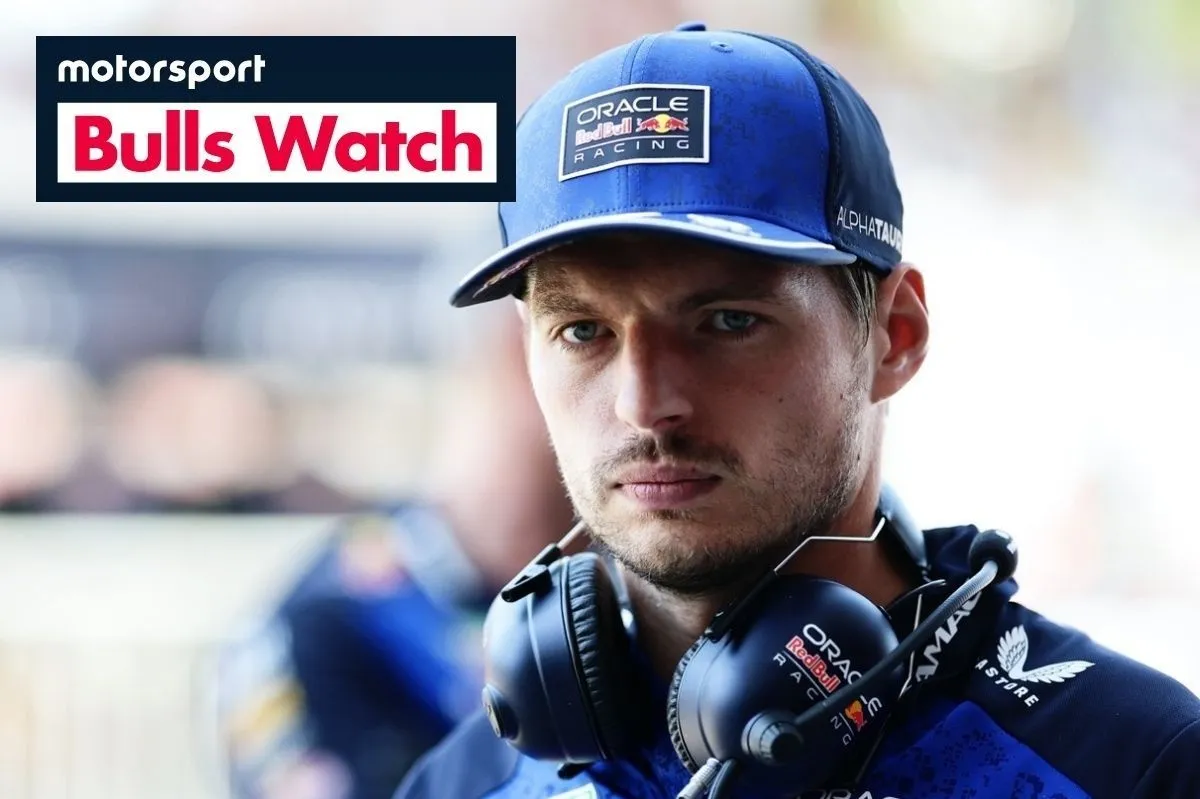
Simak analisis lengkap Max Verstappen mengenai dampak buruk jadwal triple-header F1 2026 terhadap kesehatan pembalap dan kru. Baca selengkapnya di sini!
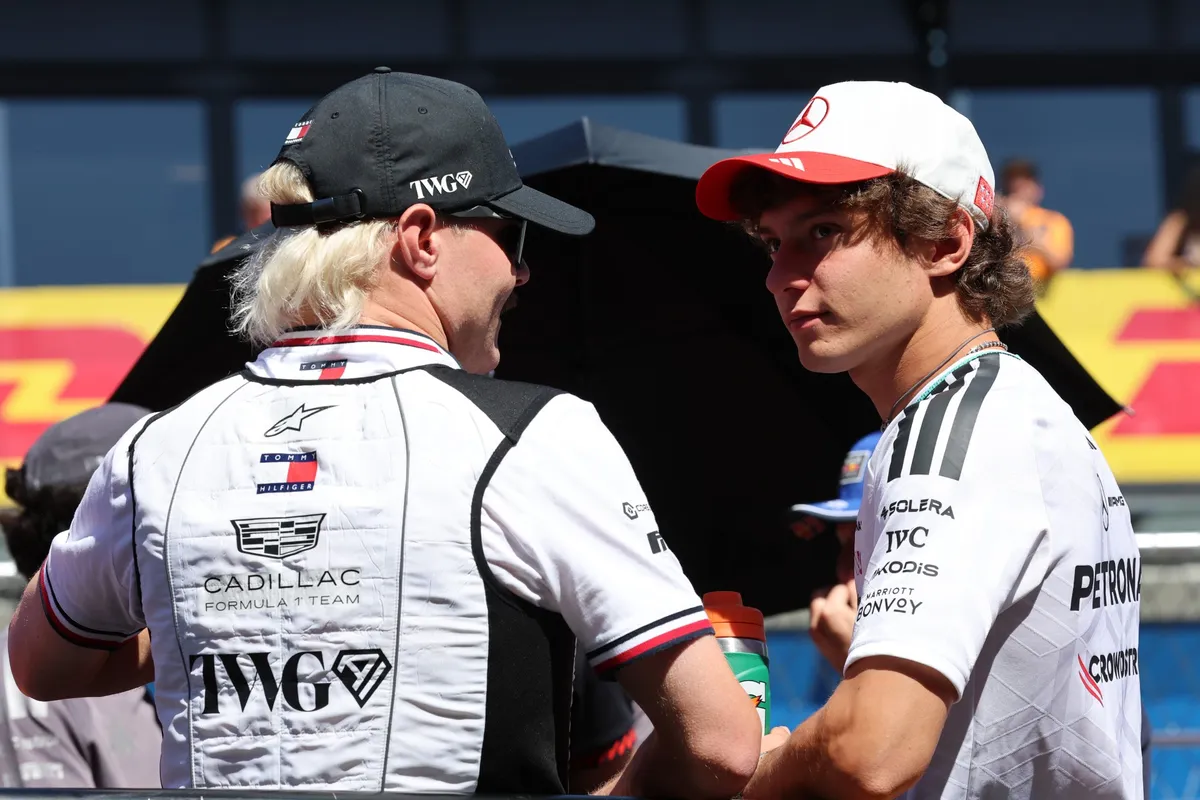
Kimi Antonelli dan Valtteri Bottas terserang penyakit jelang F1 GP Meksiko 2026. Simak analisis lengkap, update klasemen, dan persiapan akhir pekan di sini
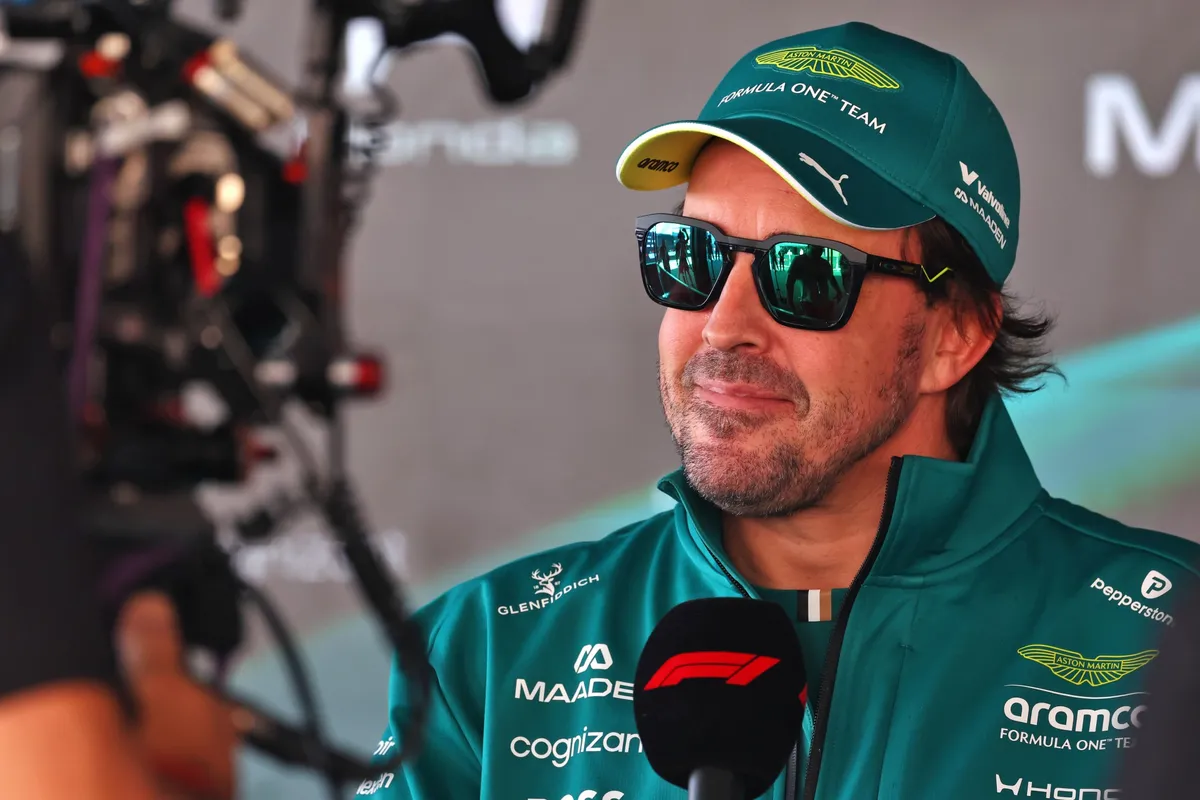
Fernando Alonso pertahankan kritik tajam soal kualitas pembalap F1 di barisan belakang. Baca analisis lengkap perseteruan para pembalap di sini.
 Lanjutkan dengan Google
Diskusi & Komentar (0)
Mari Bergabung dalam Diskusi!
Masuk dengan mudah untuk mulai memberikan komentar, membalas, dan berinteraksi dengan pembaca lainnya.
Komentar Terbaru
Belum ada komentar. Jadilah yang pertama!