







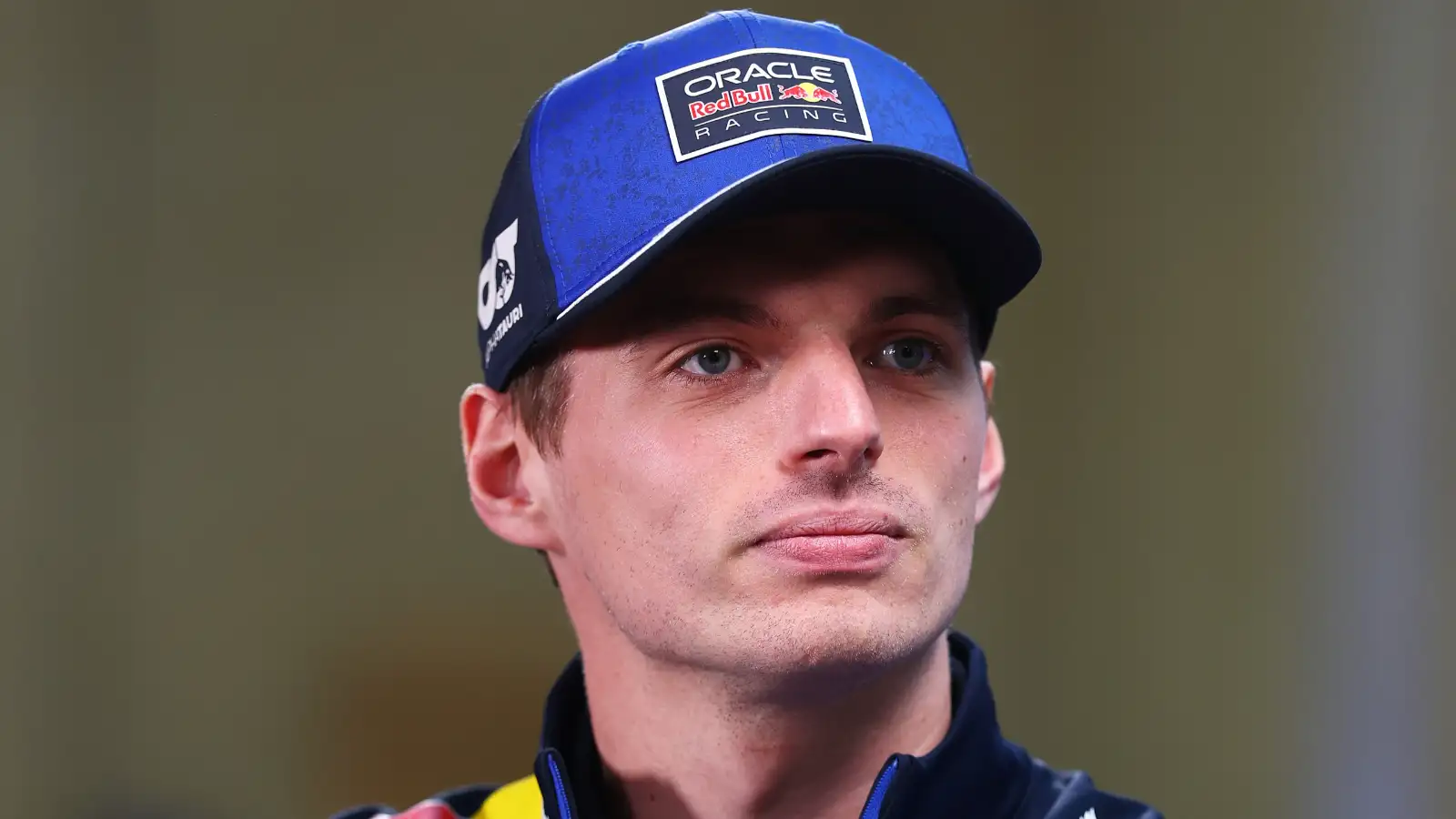

Formula 1, Sportrik Media - Red Bull Racing has received a strong vote of confidence from Formula 1 fans ahead of the 2026 season, with a clear majority believing the team’s new in-house power unit will be competitive enough to keep Max Verstappen in the fight for a fifth drivers’ world championship.
For the introduction of the new power unit regulations in 2026, Red Bull has embarked on one of the most ambitious technical projects in modern Formula 1 history by becoming its own engine supplier through Red Bull Powertrains. The move marks a decisive break from reliance on external manufacturers and places full responsibility for performance and reliability in-house.
Although Red Bull benefits from technical collaboration with Ford, the Milton Keynes-based operation will enter the new regulatory era largely dependent on its own infrastructure, personnel, and development philosophy. This approach differentiates Red Bull from its previous engine partnerships and significantly raises the stakes for the opening phase of the 2026 season.
Becoming an engine supplier, however, is only part of the challenge. Establishing a competitive and reliable power unit at the first attempt remains a formidable task, particularly when measured against long-established manufacturers such as Mercedes, Ferrari, and Honda, each of whom brings decades of power unit development experience.
Despite those structural disadvantages, Red Bull emerged from a largely encouraging five-day test programme in Barcelona. The absence of major reliability concerns and steady mileage accumulation contributed to growing optimism around the baseline competitiveness of the new power unit.
That optimism is reflected in a recent poll conducted by RacingNews365. According to the results, a decisive 65.2 percent of respondents believe Red Bull’s power unit will be strong enough for Verstappen to mount a genuine title challenge, potentially securing his fifth championship in six seasons.
A further 24.6 percent of voters adopted a more cautious outlook, expecting Verstappen to claim race victories but fall short of sustained championship contention. This group cited the steep learning curve associated with a brand-new power unit programme as a potential limiting factor over the course of a full season.
Meanwhile, 9.5 percent of respondents predicted a more difficult transition, suggesting Red Bull could slip into the midfield during the early stages of the new regulations. This perspective reflects concerns that any early technical shortcomings could be amplified under a tightly controlled development environment.
Notably, only 0.7 percent of voters anticipated a worst-case scenario in which Red Bull would fall to the back of the grid. This minimal figure highlights the broader confidence fans retain in Red Bull’s operational competence and its proven ability to execute large-scale technical projects.
From a strategic standpoint, the poll results align with Red Bull’s reputation as a team capable of turning bold decisions into competitive advantages. Its organisational structure, aggressive recruitment of experienced engineers, and stable leadership framework have historically allowed the team to respond effectively to regulatory upheaval.
For Verstappen, the 2026 season represents a potentially defining chapter. Should Red Bull Powertrains deliver a competitive power unit from the outset, the Dutch driver would enter the new era with a realistic opportunity to extend his championship record and further cement his status among Formula 1’s all-time greats.
Conversely, any significant performance or reliability deficits in the early phase of the regulations could place Red Bull on the back foot, particularly given the development restrictions that limit rapid recovery once the competitive order begins to settle.
With a clear majority of fans expressing confidence in Red Bull’s new power unit project, the ultimate verdict will come on track in 2026. Whether that belief translates into another sustained title campaign for Verstappen will be one of the defining narratives of Formula 1’s next regulatory era.
Baca Juga
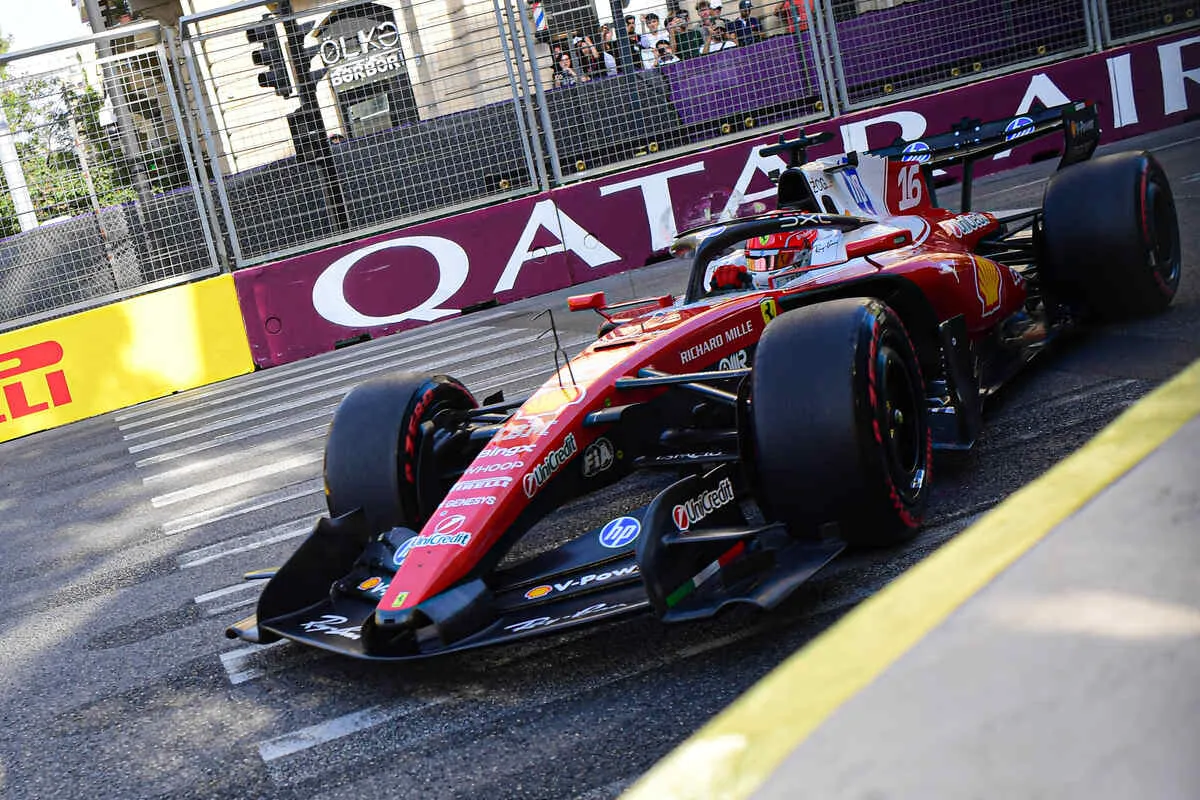
Baku GP Azerbaijan 2026 membalikkan hierarki: Russell dan Leclerc bangkit, Mercedes dominan, Ferrari kembali ke barisan depan. Analisis lengkap di sini.
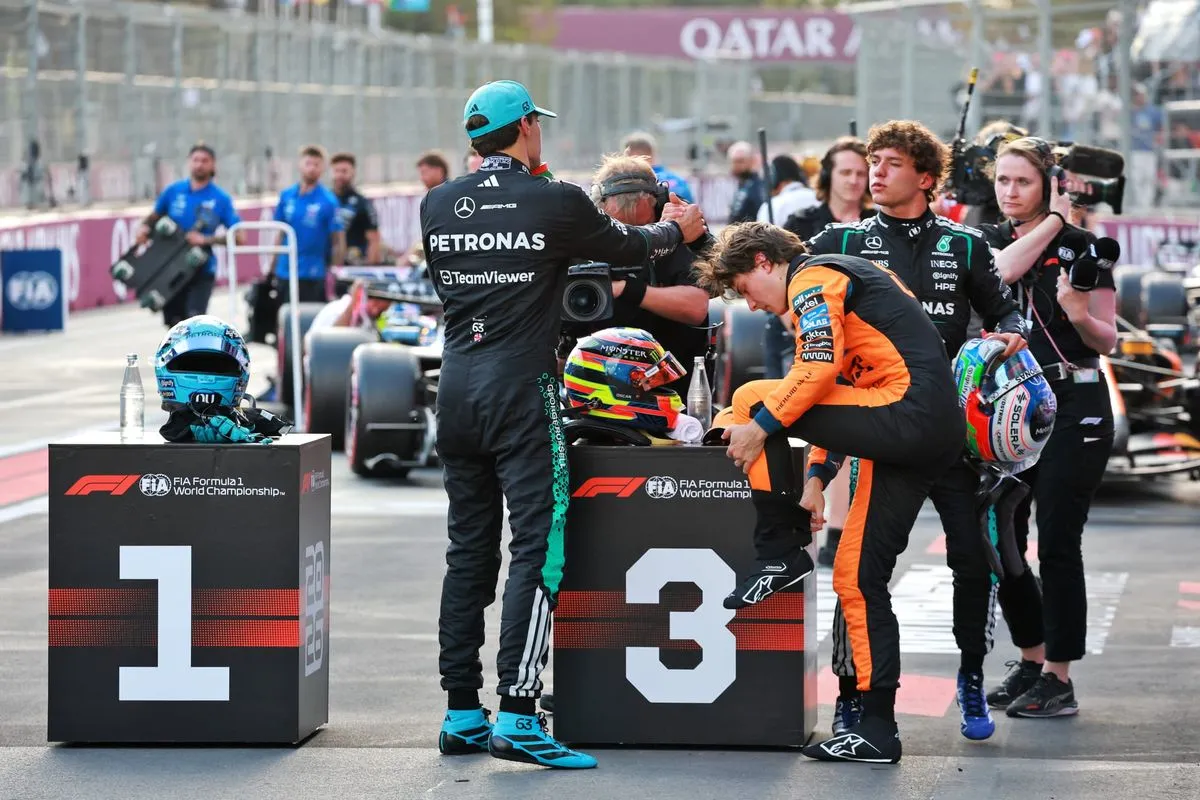
Kualifikasi F1 Azerbaijan: Russell pole, Antonelli tersingkir di Q1, Verstappen kesulitan. Simak drama kontras Mercedes di Sirkuit Baku.
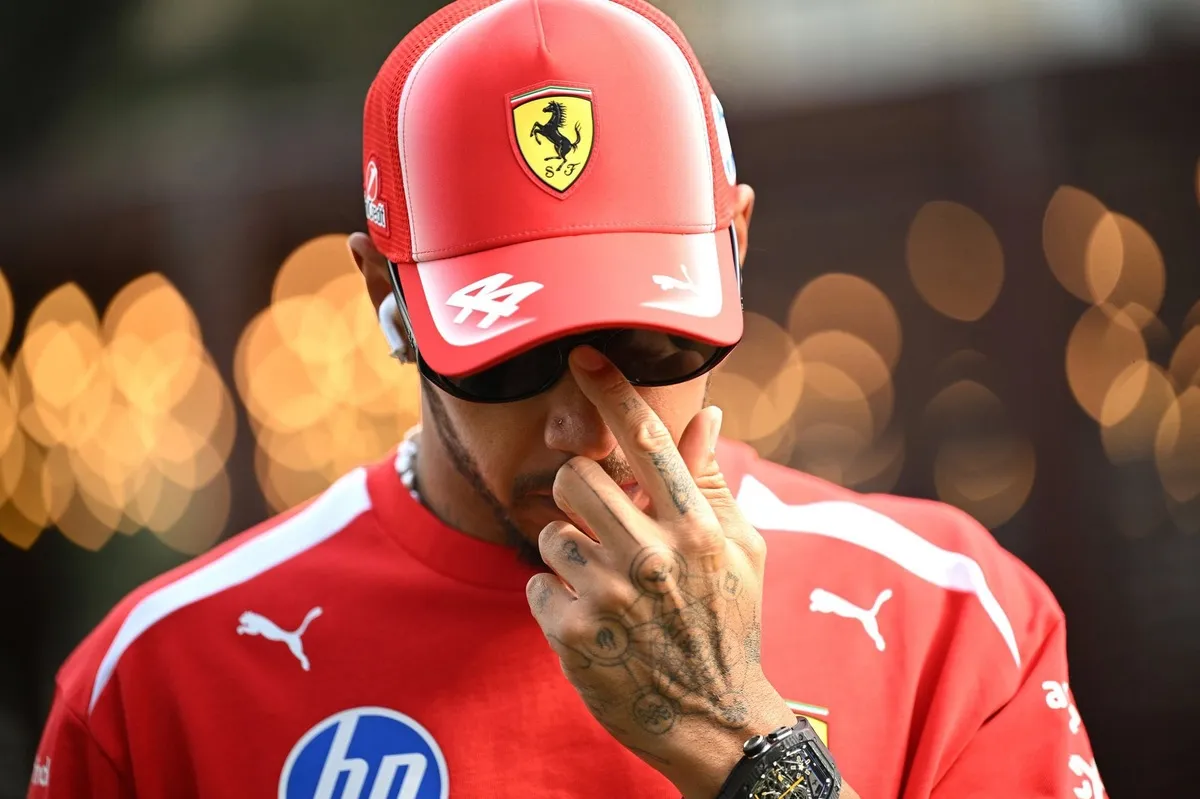
Lewis Hamilton frustrasi dengan strategi kualifikasi Ferrari di GP Azerbaijan. Tanpa tow, ia start keenam dan tertinggal 1,332 detik dari George Russell.
 Lanjutkan dengan Google
Diskusi & Komentar (0)
Mari Bergabung dalam Diskusi!
Masuk dengan mudah untuk mulai memberikan komentar, membalas, dan berinteraksi dengan pembaca lainnya.
Komentar Terbaru
Belum ada komentar. Jadilah yang pertama!