







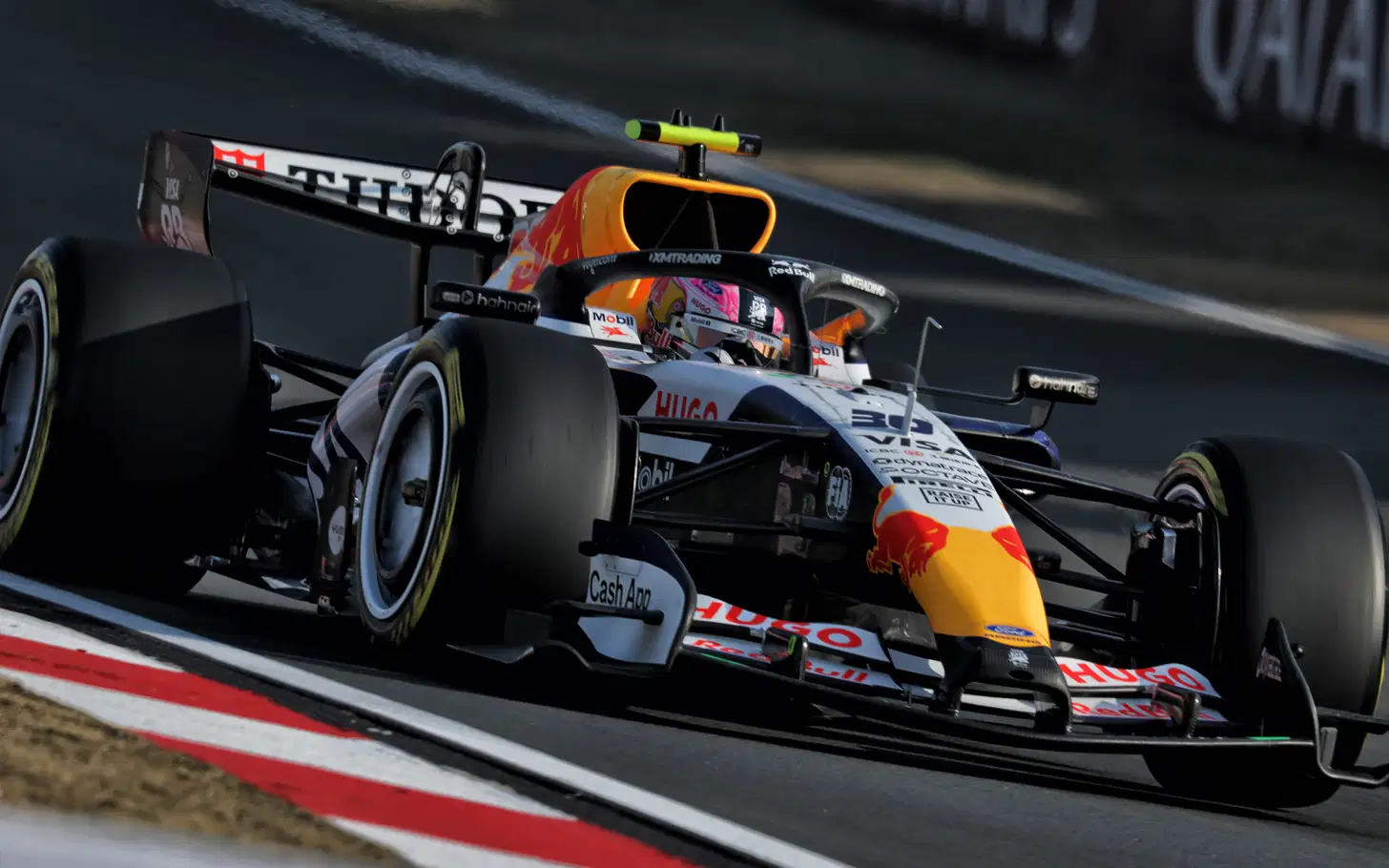

Racing Bulls driver Liam Lawson has exposed a massive and highly radical operational shift in how Formula 1 teams are treating Grand Prix weekends this season. This structural revolution was directly triggered by the implementation of the new power unit technical regulations, which mandate a strict 50/50 power distribution split between the internal combustion engine and advanced electrical battery deployment. This overhaul represents the single most sweeping regulatory and technological transformation in the entire history of the premier class world championship.
Unsurprisingly, this engineering blueprint has completely rewritten the standard procedural manual inside the pit lane during event preparation. Lawson detailed that during recent seasons, a driver's technical debrief alongside their engineering crew focused almost exclusively on optimizing the conventional aerodynamic chassis setup, selecting precise downforce levels, adjusting vehicle ride heights, and stiffening suspension kinematics. However, due to the extreme structural complexity of the cutting-edge engines, those traditional physical parameters have suddenly been relegated from primary concerns.
Energy Management Yields Far Superior Lap Times
Dissecting the inner workings of his Racing Bulls squad, Lawson explained that the absolute premium is now placed on orchestrating the power unit's energy storage profile. Engineering telemetry is heavily dominated by calculating the exact GPS coordinates for energy deployment, optimizing harvesting and charging phases, and micro-managing specific gear-usage strategies to aggressively preserve total electrical capacity. Drivers must also execute highly precise lift-and-coast maneuvers into heavy braking zones to prevent severe thermal and electrical power drop-offs.
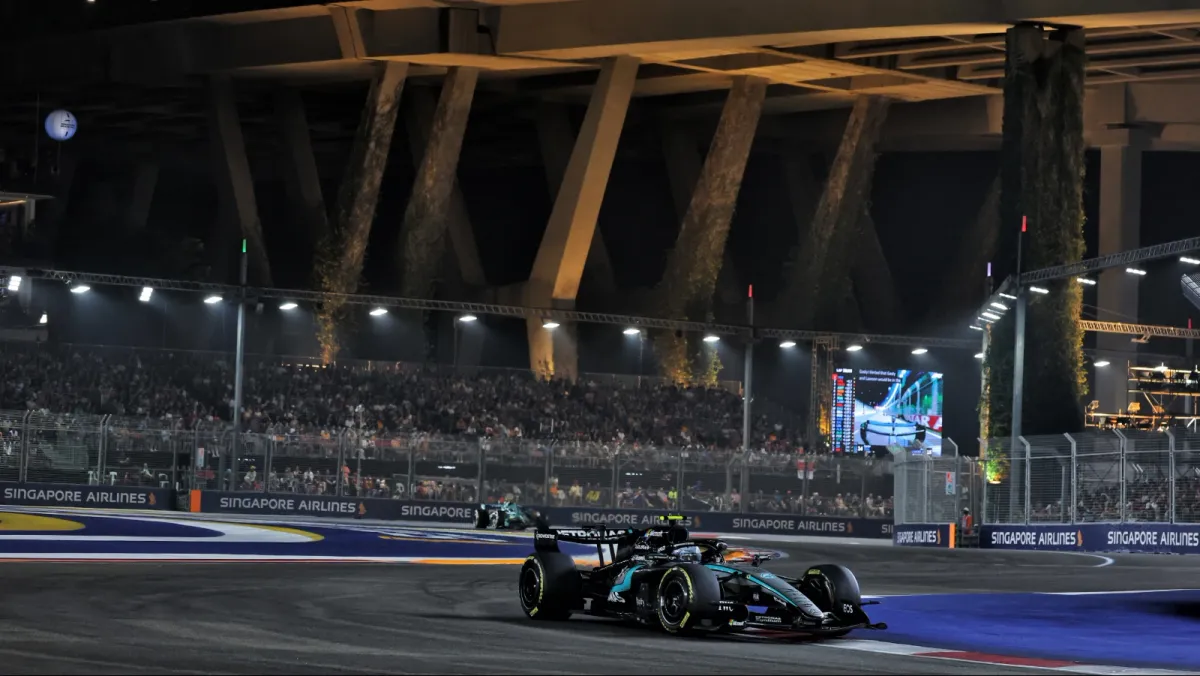
This unprecedented pivot toward digital management is backed by concrete simulation data on track. Lawson emphasized that mastering the complex energy deployment parameters unlocks a vastly superior margin of raw lap time compared to traditional mechanical adjustments on the physical chassis. Consequently, race engineers are spending significantly less time fine-tuning the actual mechanical car components, shifting their focus instead to becoming high-stakes software energy strategists to ensure the driver does not deplete their battery reserves prematurely on the straights.
Baca Juga
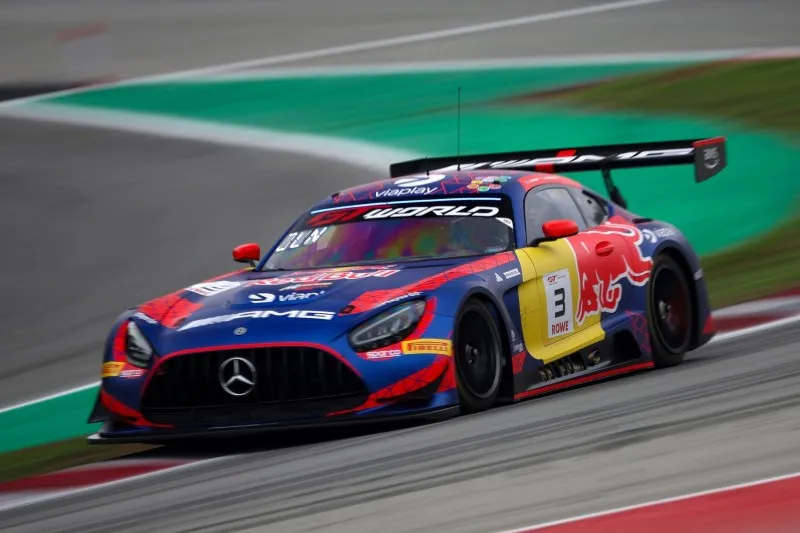
Simak analisis lengkap debut Max Verstappen di GT World Challenge Portimao 2026. Cek jadwal lengkap, susunan pembalap, dan aksi seru di akhir pekan ini.
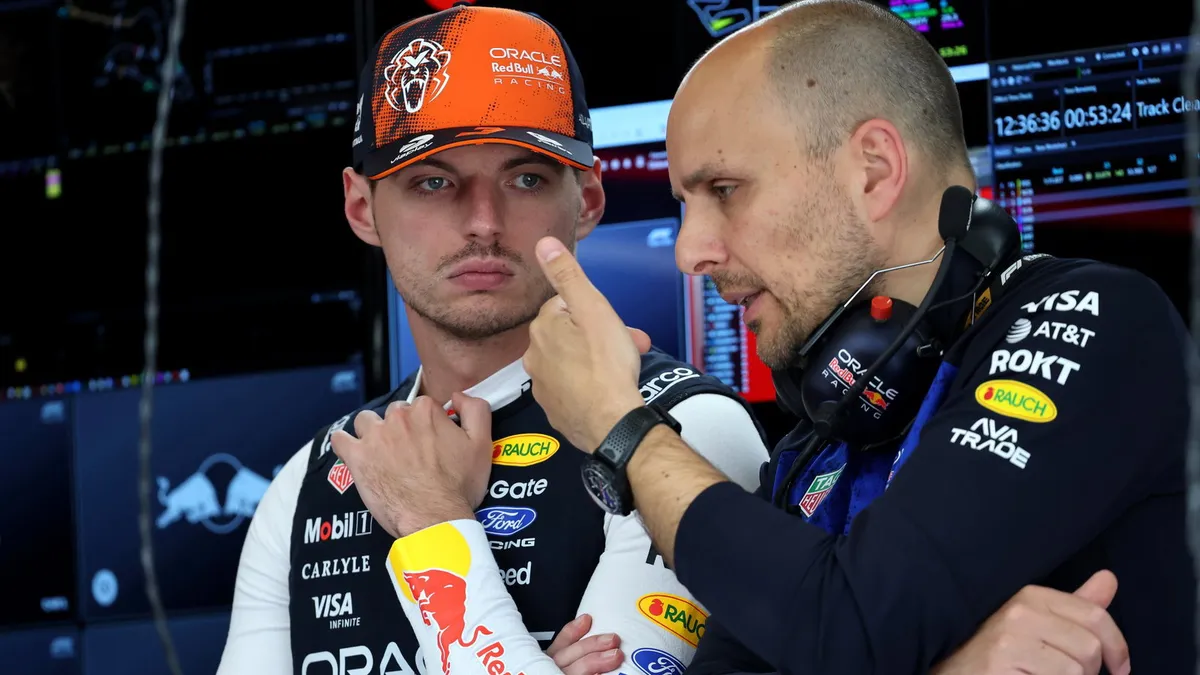
Simak analisis lengkap pergantian insinyur balap Max Verstappen di F1 2026. Baca ulasan mendalam, update strategi Red Bull, dan jadwal GP AS di sini.
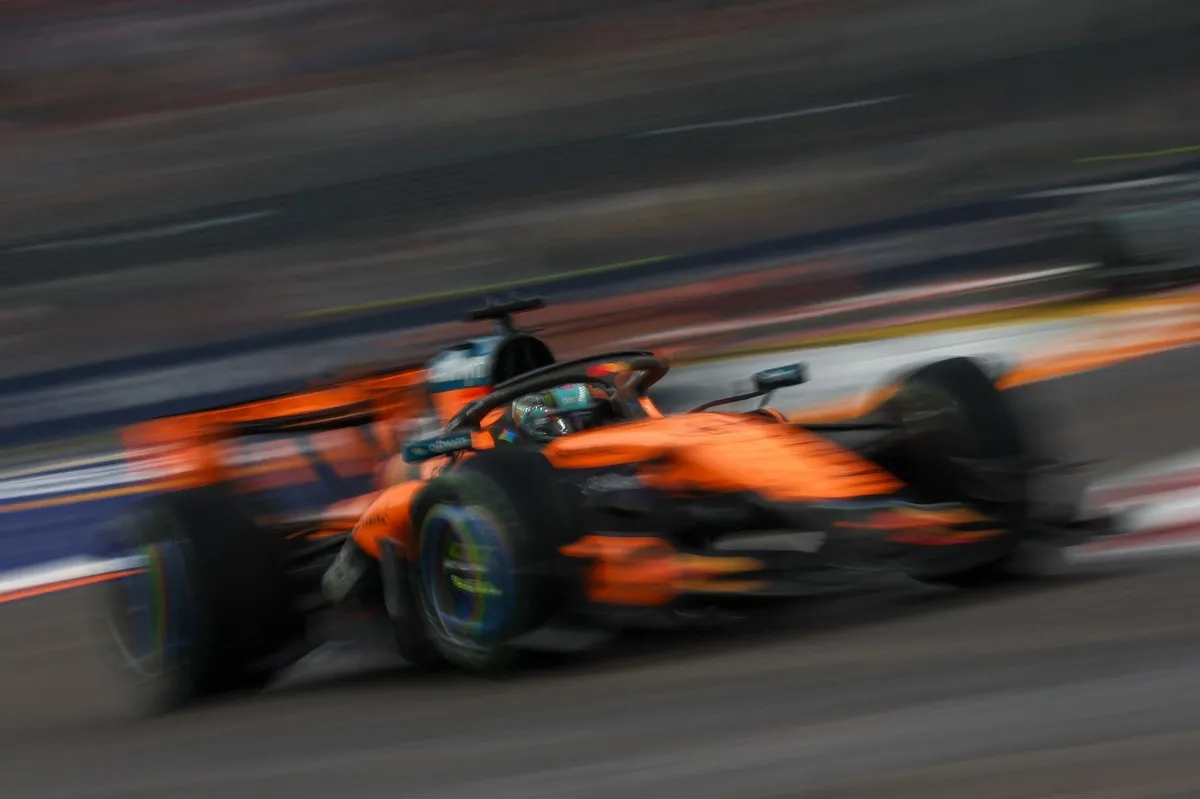
McLaren akui masalah handling mobil F1 baru bisa tuntas pada 2027. Simak analisis mendalam, keluhan pembalap, dan rencana tim di sini!
 Lanjutkan dengan Google
Diskusi & Komentar (0)
Mari Bergabung dalam Diskusi!
Masuk dengan mudah untuk mulai memberikan komentar, membalas, dan berinteraksi dengan pembaca lainnya.
Komentar Terbaru
Belum ada komentar. Jadilah yang pertama!