








FIA President Mohammed Ben Sulayem has officially confirmed that Formula 1 will make its highly anticipated return to V8 engines in the 2030 season. Although the FIA President had previously hinted at a rollout in 2031, he used the African Grand Prix launch event to verify that the transition will actually be brought forward by a year, meeting both logistical milestones and widespread stakeholder demands.
The upcoming 2026 regulations and their corresponding power unit frameworks have drawn heavy criticism from stakeholders ever since their initial proposals were revealed. Formula 1 drivers and passionate fans alike have voiced serious concerns regarding the racing adequacy of the next-generation cars. Four-time World Champion Max Verstappen famously criticized the direction by labeling the current technical path as 'Formula E on steroids', 'Mario Kart', and even dismissing it outright as a joke due to the heavy reliance on complex driver battery management.
Beyond performance and battery deployment concerns, a major point of contention has been the significant reduction in acoustic output. Modern power units produce a vastly different sound signature compared to the roaring combustion engines of previous eras, leaving many traditionalists longing for the raw audio and unadulterated power of the past. The strategic shift back to traditional combustion principles aims to directly address these long-standing fan grievances.
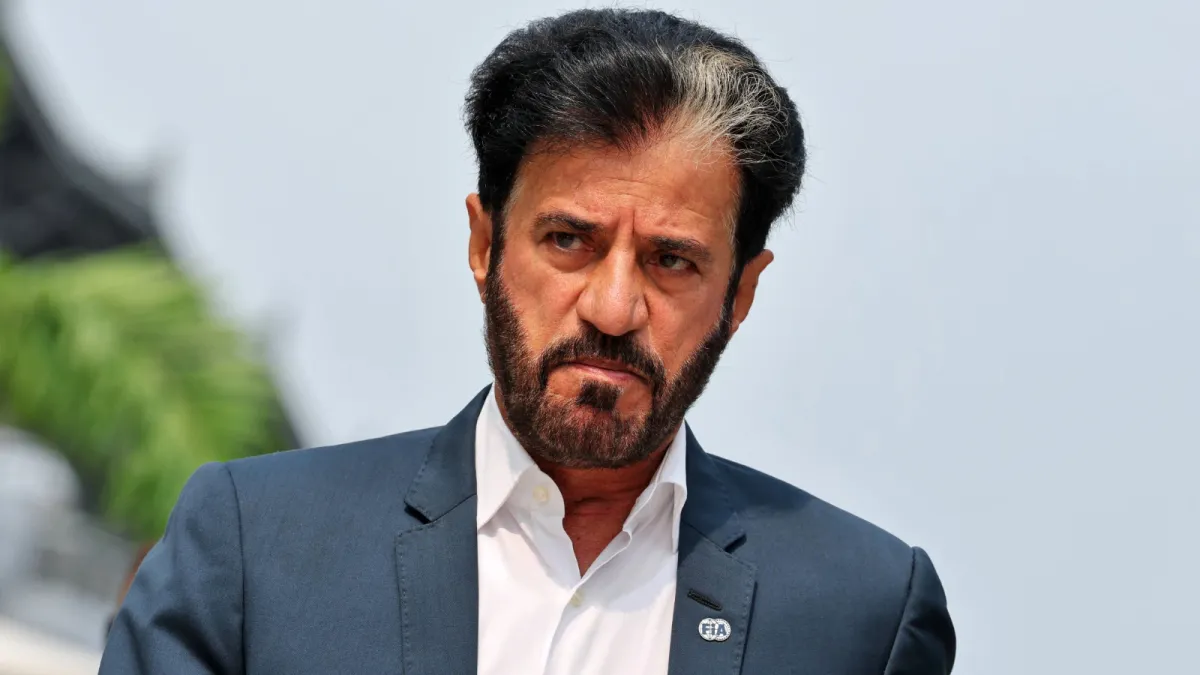
Speaking about the historic addition of a Grand Prix in Rwanda, Ben Sulayem expressed immense satisfaction in confirming that the landmark event will immediately feature the newly developed power units right from its inaugural race weekend. The decision to accelerate the timeline underscores a unified effort between governing bodies and manufacturers to correct course and prioritize driver feedback and racing spectacle.
"The beauty about 2030 is that we are working together, that the launch of the new V8 will be in 2030," the FIA President stated. "So Rwanda is going to have that engine in its first ever race. What is objectives of doing this engine? As a driver, the first thing we need is lightweight cars, so it is going to be approximately 80 kilogrammes lighter – and maybe I shouldn’t be saying it now to the press."
Elaborating further on the core philosophy of the 2030 power unit project, Ben Sulayem highlighted three foundational pillars designed to safeguard the championship's future. The secondary objective centers on commercial sustainability, with projections targeting at least a 50 percent reduction in research and development costs for engine manufacturers. The third pillar focuses explicitly on spectator engagement, prioritizing a rich, resonant sound profile rather than generic noise.
Backed by firm assurances and collaborative agreements from both FOM and participating automotive manufacturers, Ben Sulayem remains entirely confident in the feasibility of the 2030 timeline. As the pinnacle of motorsport prepares for its momentous return to the African continent in 2030, the simultaneous reintroduction of lightweight V8 engines promises to usher in a transformative new chapter for the sport.
Baca Juga
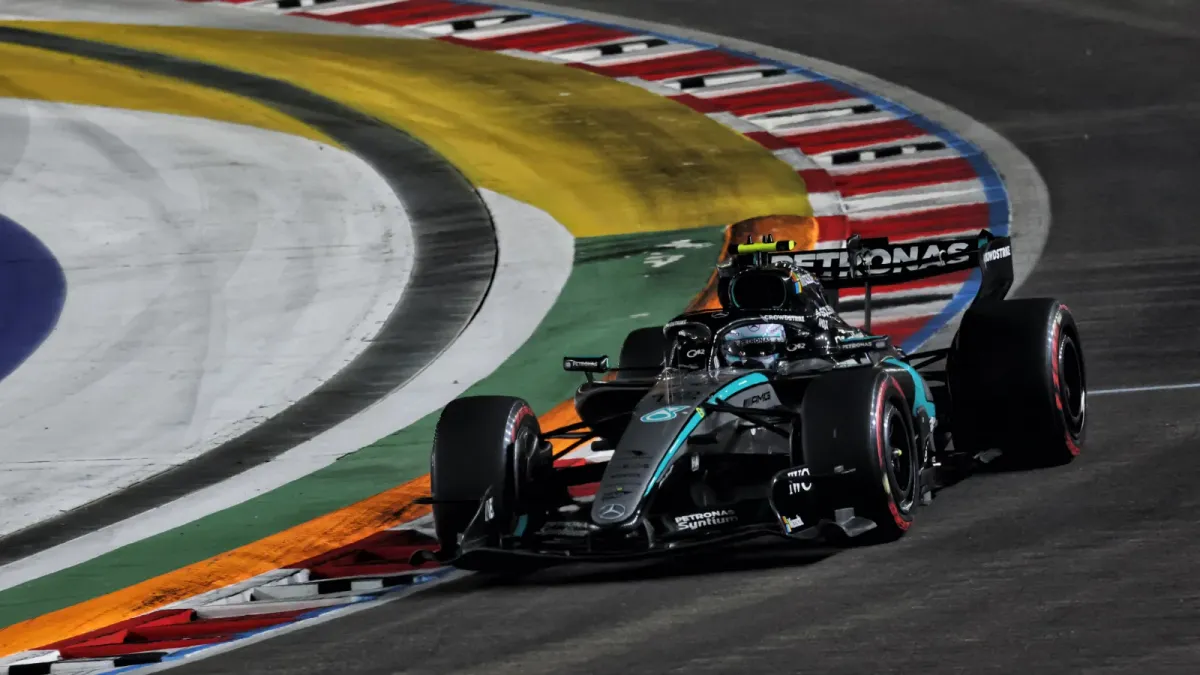
Simak analisis lengkap bagaimana Mercedes menyelamatkan Kimi Antonelli dari penalti di F1 GP Singapura 2026. Baca selengkapnya di sini!
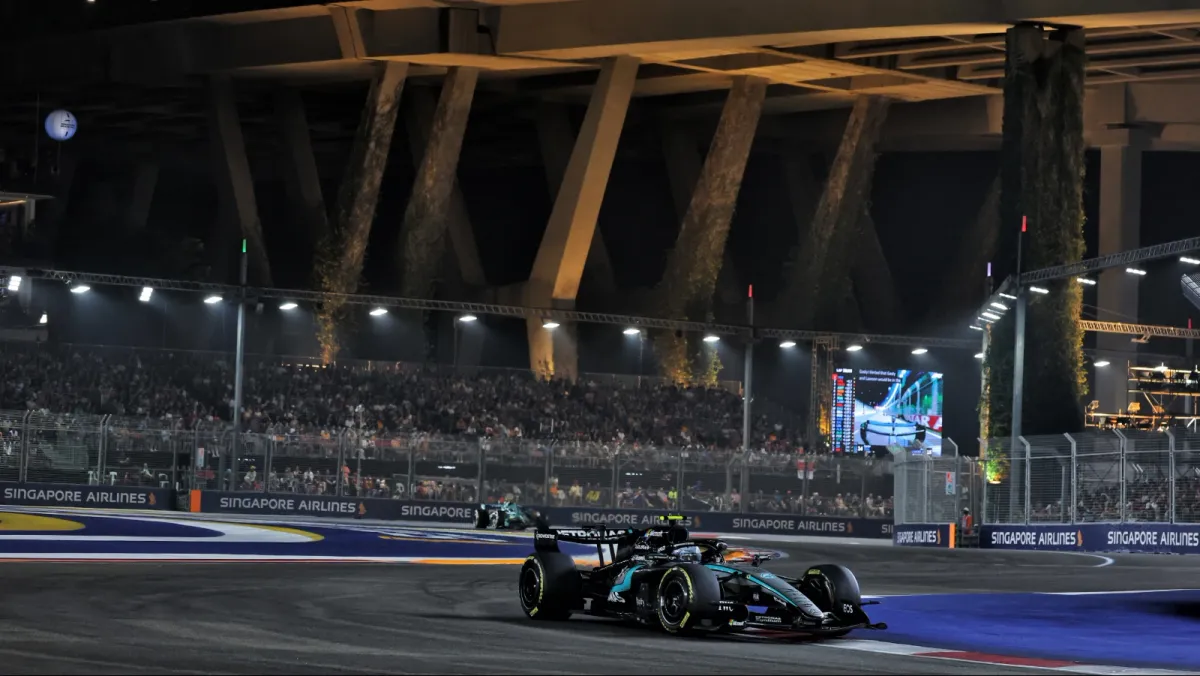
Simak pembaruan klasemen F1 2026 usai GP Singapura dan peluang emas Andrea Kimi Antonelli mengunci gelar juara di Austin. Baca analisis lengkapnya di sini!
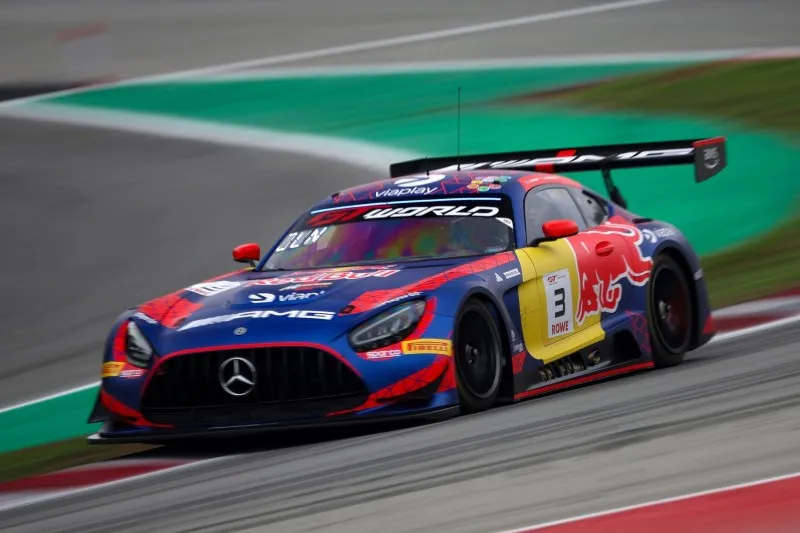
Simak analisis lengkap debut Max Verstappen di GT World Challenge Portimao 2026. Cek jadwal lengkap, susunan pembalap, dan aksi seru di akhir pekan ini.
 Lanjutkan dengan Google
Diskusi & Komentar (0)
Mari Bergabung dalam Diskusi!
Masuk dengan mudah untuk mulai memberikan komentar, membalas, dan berinteraksi dengan pembaca lainnya.
Komentar Terbaru
Belum ada komentar. Jadilah yang pertama!