







The Autodromo Jose Carlos Pace is once again preparing to host one of the most intense race weekends on the Formula 1 calendar. With the Sprint format returning, the 4.309 km legendary circuit demands not only flawless performance from the cars but also exceptional physical endurance from the drivers.
Unlike modern circuits that are smooth and run clockwise, Interlagos is an old-school anomaly. The circuit runs anti-clockwise, placing extreme loads on the drivers' neck muscles due to unusual lateral G-forces experienced throughout the season. Furthermore, the track surface is notoriously bumpy, making modern ground-effect F1 cars susceptible to porpoising or losing stability in tight corners.
Finding the right setup at Interlagos is a complex puzzle for team engineers. Sector 2 is technical, tight, and requires high downforce, while the stretch from Turn 12 up to the main straight demands high top speed and minimal drag. Teams balancing high downforce for infield agility risk losing out on the straightaways.
Situated around 800 meters above sea level, the thinner air in Sao Paulo affects downforce efficiency and forces turbochargers to work harder. For overtaking, the circuit offers prime locations at Turn 1, known as Senna S, and Turn 4 at Descida do Lago.
The unpredictable weather adds another wild card, with sudden rainstorms capable of altering race strategies within minutes. With the Sprint format limiting practice time, teams must nail their setups immediately to avoid a difficult weekend.
Baca Juga
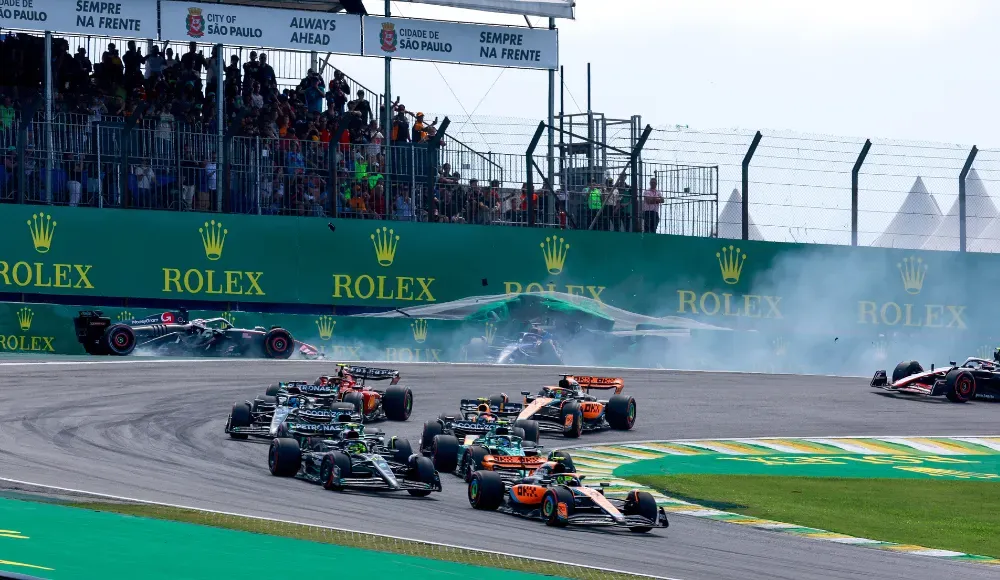
Simak analisis teknis mendalam GP Sao Paulo 2026 di Interlagos, mulai dari beban fisik, setup aerodinamika, hingga cuaca ekstrem. Baca selengkapnya di sini!
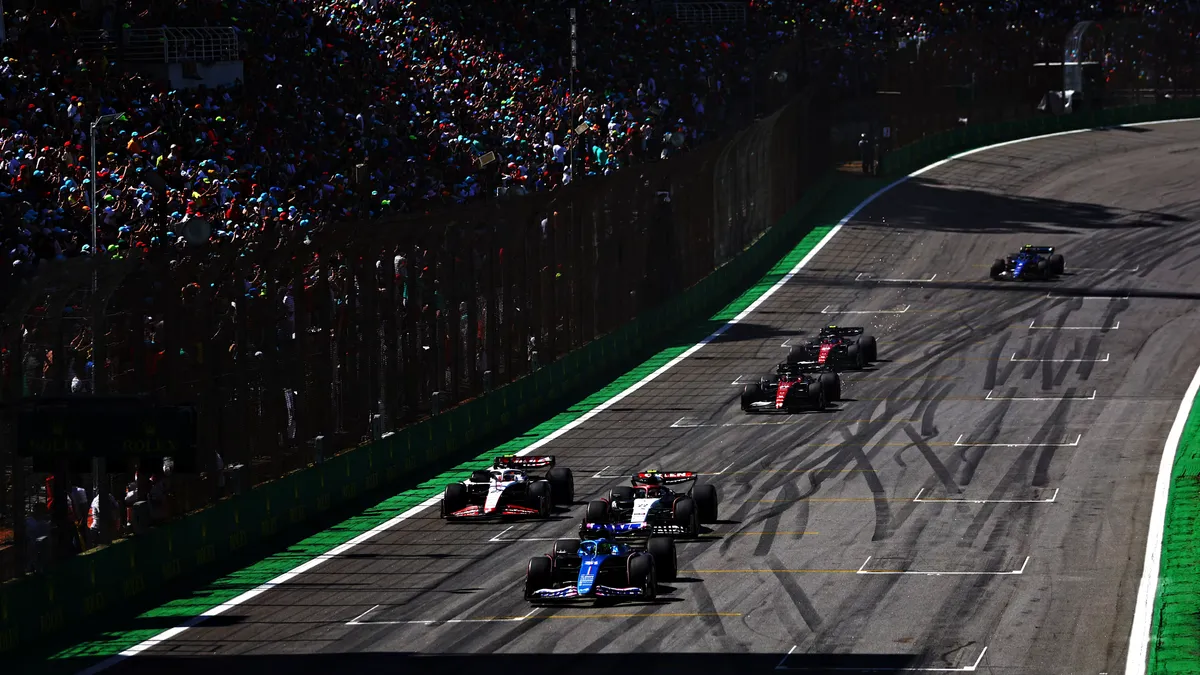
Simak jadwal lengkap F1 GP Brasil 2026 di Interlagos. Cek rincian waktu sesi latihan bebas, kualifikasi, hingga balapan utama akhir pekan ini di sini.

Simak analisis mendalam mengenai dilema kontrak Liam Lawson dan masa depan skuad Racing Bulls di Formula 1. Baca selengkapnya di sini!
 Lanjutkan dengan Google
Diskusi & Komentar (0)
Mari Bergabung dalam Diskusi!
Masuk dengan mudah untuk mulai memberikan komentar, membalas, dan berinteraksi dengan pembaca lainnya.
Komentar Terbaru
Belum ada komentar. Jadilah yang pertama!