







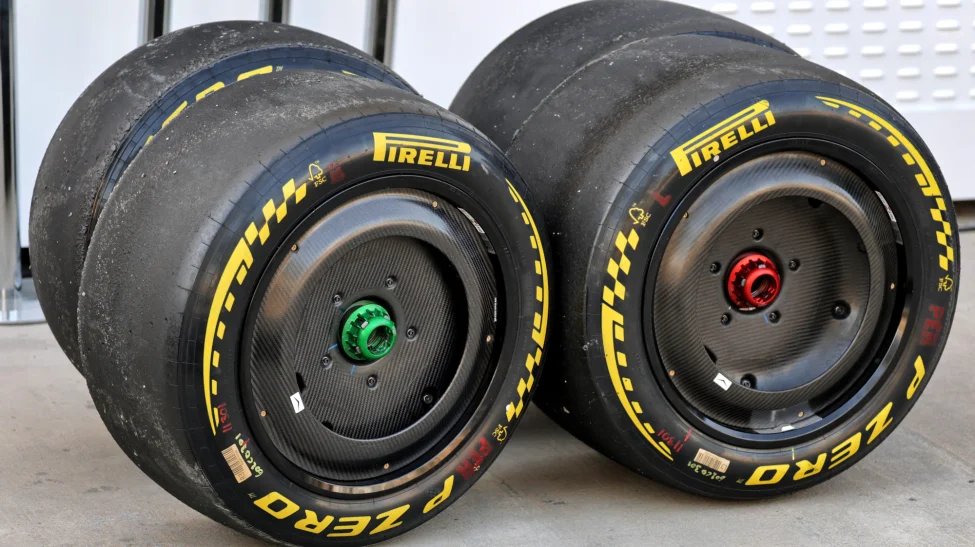

Formula 1, Sportrik Media - Design freedom over wheel rims in the 2026 regulations could open the door to Formula 1’s next technical controversy, following the end of the standardised 18-inch BBS era that ran from 2022 through last season.
During the period of standardisation, all teams ran identical rims to ensure cleaner airflow around the wheels and to reduce aerodynamic disturbance. The objective was to support closer racing by limiting development in a highly sensitive area. With rims now classified under the Open Source Components (OSC) category, teams have regained the ability to design their own solutions and integrate them into broader aerodynamic concepts.
The renewed flexibility does not only concern airflow management but also tyre pressure and thermal behaviour. Motorsport director of Pirelli, Mario Isola, underlined that rims play a decisive role in heat transfer into the tyre carcass.
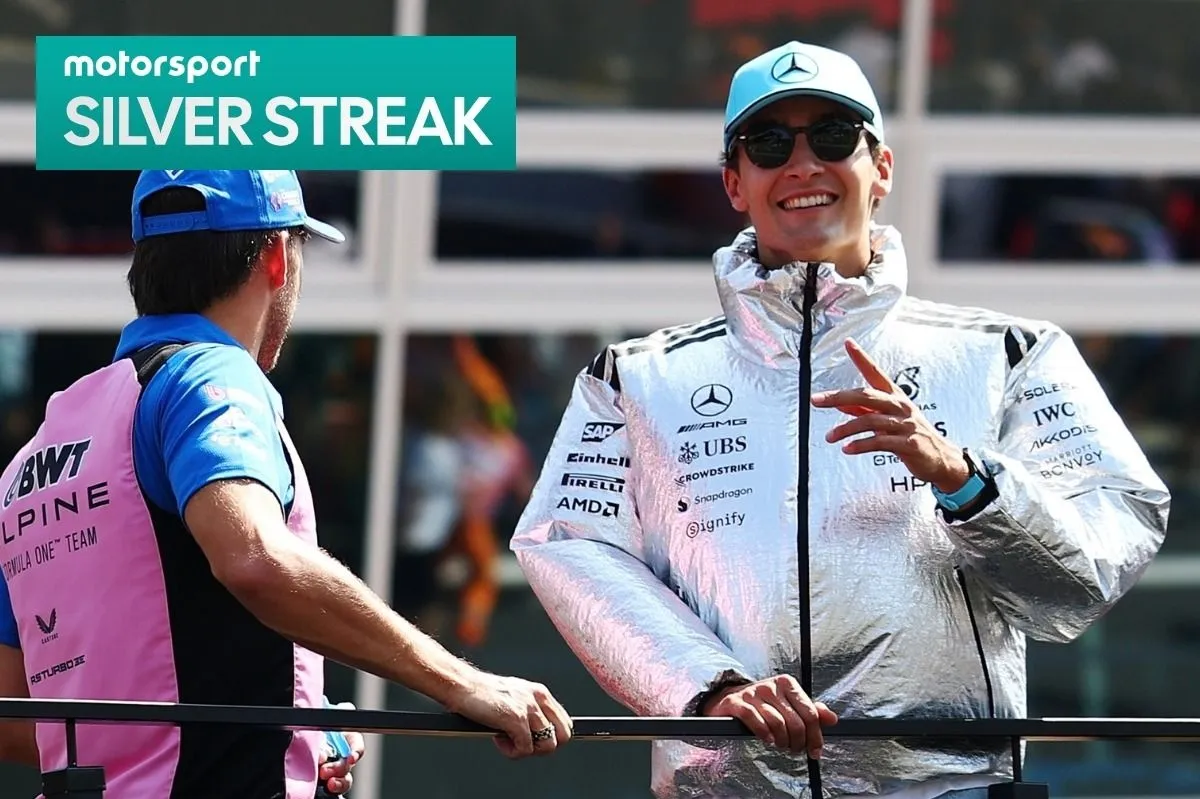
“There are no more standard rims,” Isola explained. “We know from the past that the rims are a very important element in transferring heat into the tyre or not.”
He further indicated that historical pressure deltas between starting and running conditions are no longer valid under the new configurations.
“We know most of the teams were expecting a delta between starting and running of two psi. That is the historical information we have from previous years. I can tell you that this number is no longer valid.”
“We are estimating only one psi at the moment, and I would not be surprised if it’s less than this.”
A reduced pressure delta forces teams to recalibrate starting pressures and cooling strategies with greater precision. At high-energy circuits such as Bahrain, where ambient temperatures are warm and surface energy input is significant, managing tyre air temperature becomes a critical performance variable.
Isola also stressed that there remains a lower thermal threshold beneath which tyre performance deteriorates.
“Because at a certain point, if you don't have the temperature in the tyre, you don't have the performance. The temperature is too low, so there is a threshold, and you cannot go lower than that.”
Before the standardised era, several teams experimented with aggressive rim concepts that created practical mounting challenges. As a result, the FIA introduced technical guidelines to ensure compatibility between rim designs and tyre construction.
“Years ago, we had some teams with very creative ideas on the rims,” Isola recalled.
“The problem was that we were unable to fit the tyre on the rim, and so we gave them some guidelines that translated into an FIA document. The rest is up to them.”
Beyond tyre pressure and thermal regulation, in-house rim development carries a secondary aerodynamic impact that could prove equally influential.
Additional Aerodynamic Effect
| Technical Area | Performance Impact |
|---|---|
| Hot air deflection | Outward deflection of heated air from the rim can be shaped to influence surrounding airflow structures. |
| Floor edge airflow management | Alters airflow interaction along the bodywork and floor sides, supporting aerodynamic stability. |
| Rake integration | With 2026 cars adopting rake characteristics reminiscent of the pre-ground-effect era, airflow control around the wheels becomes increasingly critical. |
The outward expulsion of hot air from bespoke rim designs enables teams to manipulate airflow along the sidepods and floor edges more precisely. In cars once again running measurable rake angles, managing vortical structures and sealing efficiency around the tyre wake becomes fundamental to maintaining aerodynamic platform stability.
With development freedom restored, rims may evolve into a closely monitored competitive battleground. Should one team unlock a meaningful advantage in heat transfer efficiency or airflow conditioning, scrutiny from rivals and regulatory bodies could quickly intensify. As the 2026 season unfolds, this seemingly peripheral component may yet emerge as one of the most strategically valuable elements of the new technical era.
Baca Juga
Charles Leclerc dan pembalap F1 lainnya mengeluhkan permukaan Sirkuit Sepang yang kasar dan licin jelang GP Bahrain di Malaysia. Simak selengkapnya.
James Vowles menilai cost cap F1 justru memperlebar kesenjangan kompetisi. Empat tim teratas kini menguasai 83 persen poin musim ini.
Rumor Christian Horner ke Ferrari dibantah setelah Martin Brundle menelepon langsung. Simak klarifikasi dan alasan Horner belum tertarik kembali ke F1.
 Lanjutkan dengan Google
Diskusi & Komentar (0)
Mari Bergabung dalam Diskusi!
Masuk dengan mudah untuk mulai memberikan komentar, membalas, dan berinteraksi dengan pembaca lainnya.
Komentar Terbaru
Belum ada komentar. Jadilah yang pertama!