








Heading to the Autodromo Hermanos Rodriguez located 2,285 meters above sea level, Honda has detailed the massive technical challenges facing every Formula 1 team at the Mexico City Grand Prix. With air density roughly 25 percent lower than at sea level, the turbocharger must spin significantly faster to ensure the engine receives the necessary airflow for high-altitude performance.
This operational dynamic is drastically altered for the 2026-spec power units following the removal of the MGU-H. Previously, the MGU-H played a crucial role in mitigating turbo lag—the delay between power demand and actual delivery—while also providing essential support during idle to build internal boost pressure.

Honda's chief engineer, Shintaro Orihara, explained the intricate details of the situation to media outlets. Without the support system of the MGU-H, Orihara noted that not only Honda, but all power unit manufacturers will undoubtedly struggle with power delivery and increased mechanical demands on the turbo components.
Orihara highlighted that while extensive dyno testing has been conducted in Sakura to simulate high-altitude Mexico conditions, running physically on track during free practice remains the ultimate test to check engine functions and potential operating speed limits. Any restrictions on engine behavior will only become fully clear once cars hit the track.
Despite these hurdles, Honda enters the weekend with renewed optimism following effective countermeasures applied against turbo lag during the recent race weekend in Austin. Ongoing optimization efforts at Sakura are aimed at ensuring the turbo behaves predictably as the team tackles the unique high-altitude demands.
Baca Juga
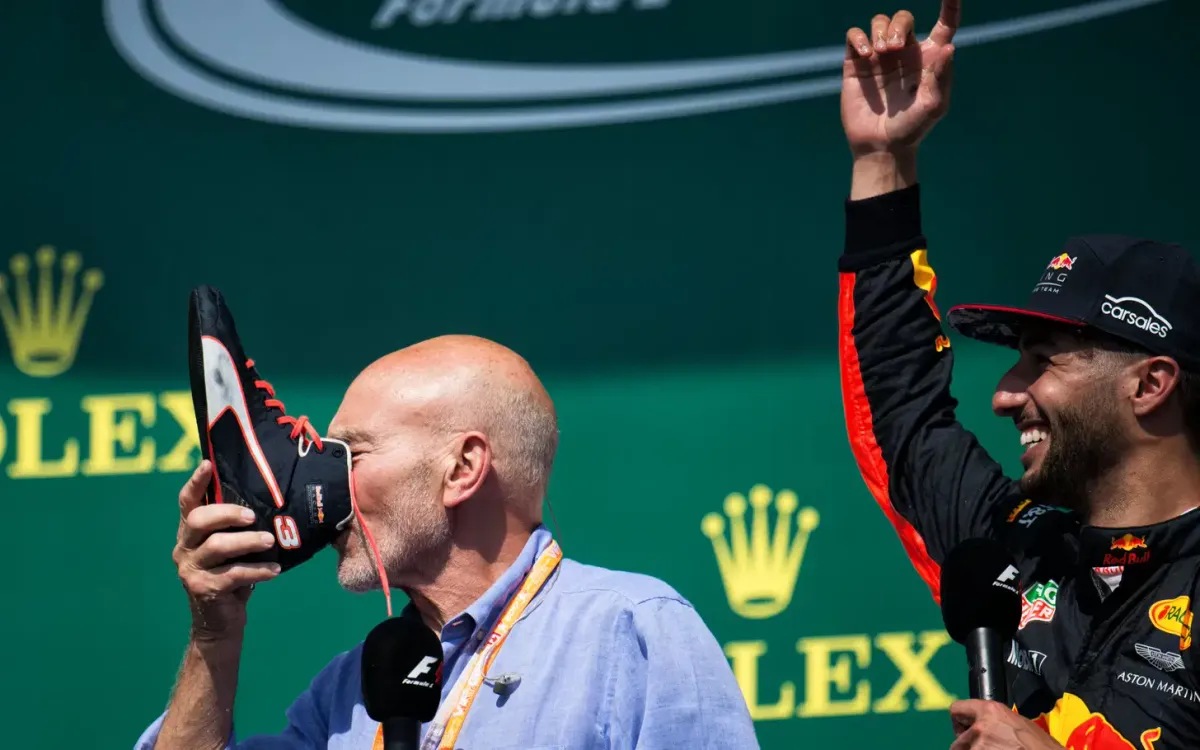
Simak penghormatan emosional Formula 1 untuk Sir Patrick Stewart dan kenangan aksi shoey ikonik bersama Daniel Ricciardo. Baca kisah lengkapnya di sini!

James Hinchcliffe sebut Racing Bulls bisa hancurkan perkembangan pembalap di F1 2027 jika depak Liam Lawson. Baca analisis mendalam di sini!
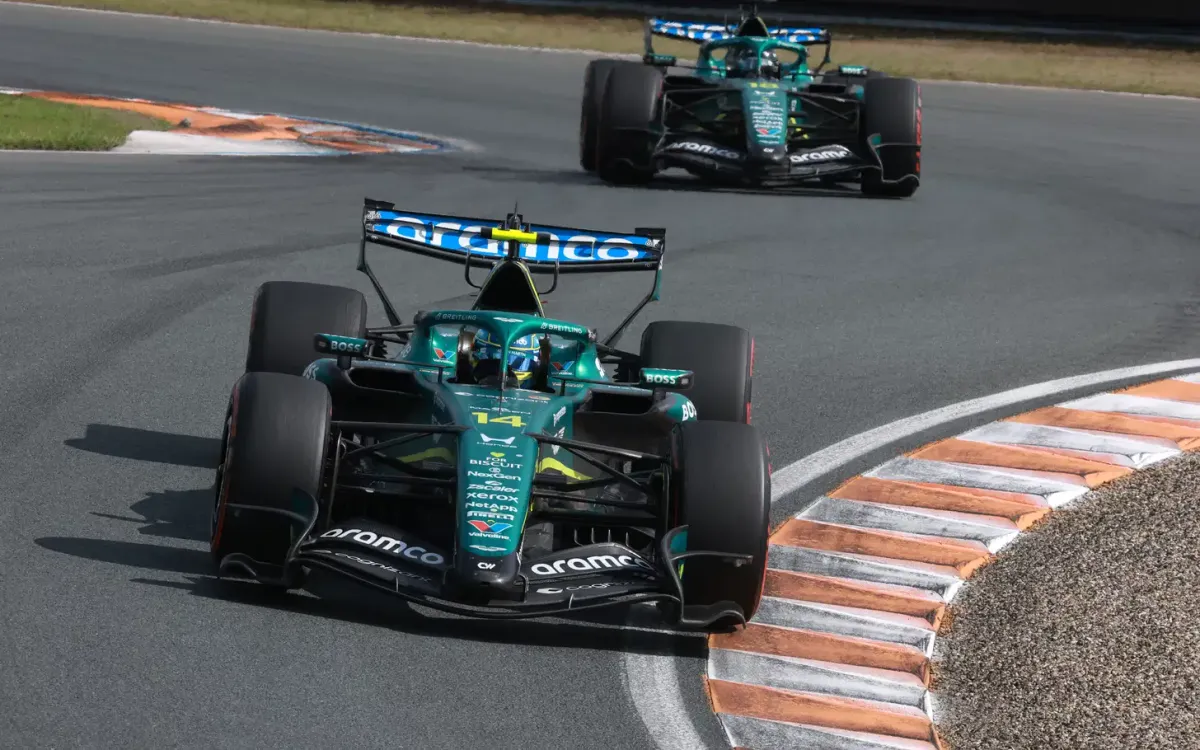
Simak analisis mendalam Honda mengenai tantangan ekstrem turbo F1 2026 tanpa MGU-H di GP Meksiko. Baca selengkapnya di Sportrik!
 Lanjutkan dengan Google
Diskusi & Komentar (0)
Mari Bergabung dalam Diskusi!
Masuk dengan mudah untuk mulai memberikan komentar, membalas, dan berinteraksi dengan pembaca lainnya.
Komentar Terbaru
Belum ada komentar. Jadilah yang pertama!