







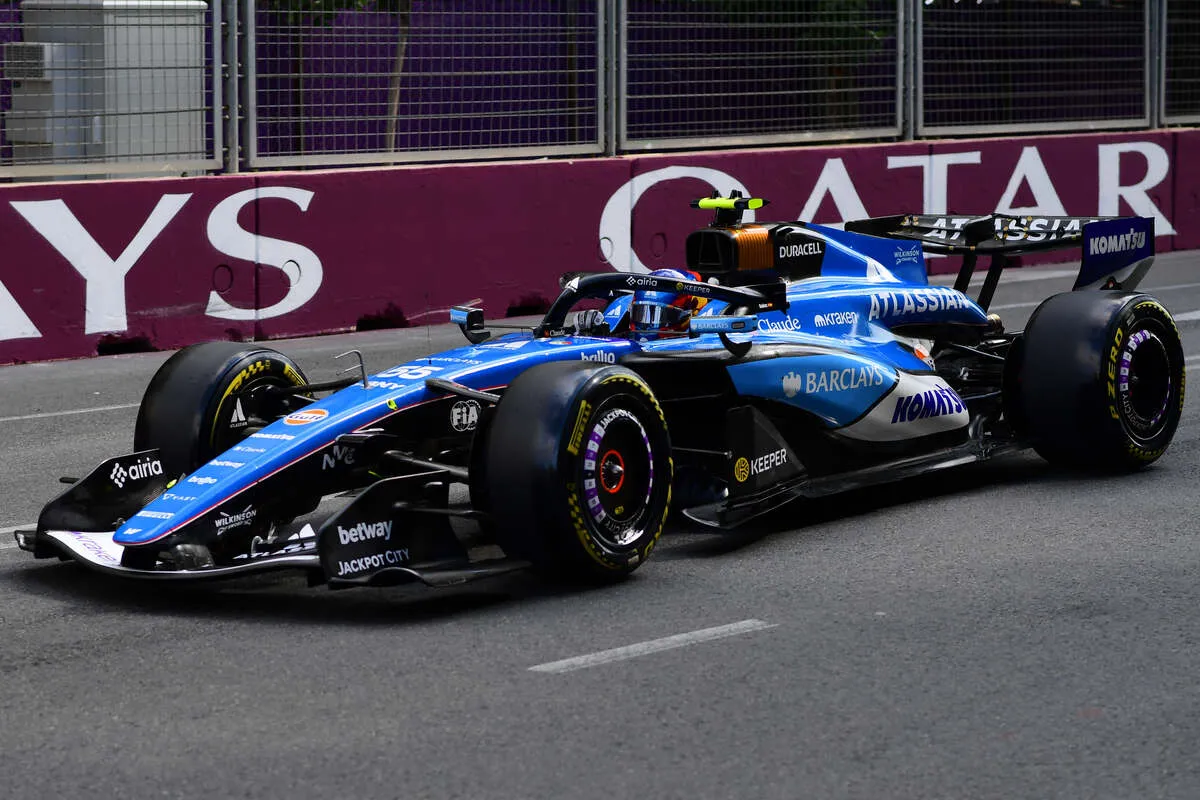

Williams has finally addressed one of their biggest issues this season: excess weight. At the Azerbaijan Grand Prix, the Grove-based team introduced a completely new FW48 chassis, built with cutting-edge production techniques claimed to be unique on the grid. This move is a serious attempt to climb up from the bottom of the constructors' standings.
Since the start of the season, excess weight has been a recurring headache for the FW48's performance. Team Principal James Vowles candidly admitted that the radical regulation transition, combined with limited resources and infrastructure compared to bigger teams, hindered their 2026 project. As a result, the car was overweight, directly impacting its on-track pace.
With the new chassis introduced in Baku, the FW48 now meets the minimum weight requirement. Vowles revealed that the main advantage lies in its manufacturing techniques, allowing the team to better optimise the trade-off between weight and stiffness. In chassis design, the selection and processing of carbon panels are crucial, as is the method of reinforcing the structure. Teams can choose to insert honeycomb or ribs to achieve desired stiffness, and each team has a different approach. Vowles guarantees no other chassis on the grid is made the same way, though exact details remain secret.
Aerodynamic Package Accompanies New Chassis
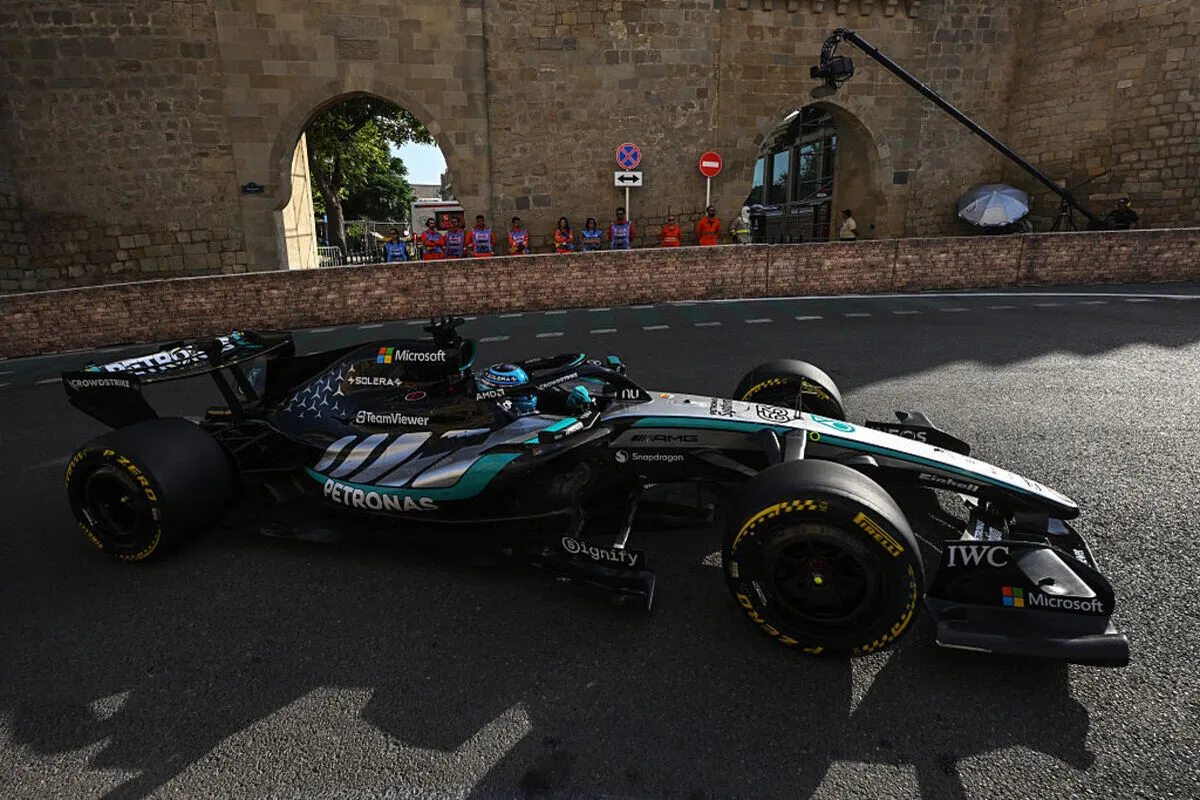
Beyond the chassis, Williams also brought several aerodynamic updates to Baku. The floor features modifications to the inlet flow conditioners, outer edge, and vertical and horizontal elements in the forward section. The team also paid extra attention to rear airflow management, adding new covers for the rear suspension arms and refining flaps around the rear impact structure, near the FTM behind the exhaust. Finally, new aerodynamic elements are fitted to the front and rear wheel groups, developed specifically to interact with the new floor.
Overall, the combination of weight reduction and the evolution package is expected to deliver a significant performance leap. However, Vowles acknowledges that such gains are hard to judge from a single circuit, especially Baku, which has a unique character with long straights and tight corners. On such a track, aerodynamic efficiency and braking stability are tested more than raw downforce.
Nevertheless, Williams still has a lot of work to do to close the gap to the top of the standings. The team has not disclosed whether the new chassis will be used by both drivers or just one car, given parts constraints. What's clear is that this step signals Williams' determination to escape the lower midfield and fight again in the middle of the pack.
For fans, the debut of Williams' new chassis in Baku is eagerly anticipated. If Vowles' claims hold true, the FW48 could be a surprise in the remaining races. However, the real test will come at more conventional circuits, where the car's characteristics are truly put to the test.
Read Also

Fernando Alonso dan Lance Stroll dihukum penalti grid besar di F1 Azerbaijan 2026 setelah ganti komponen power unit. Aston Martin harus start dari belakang.
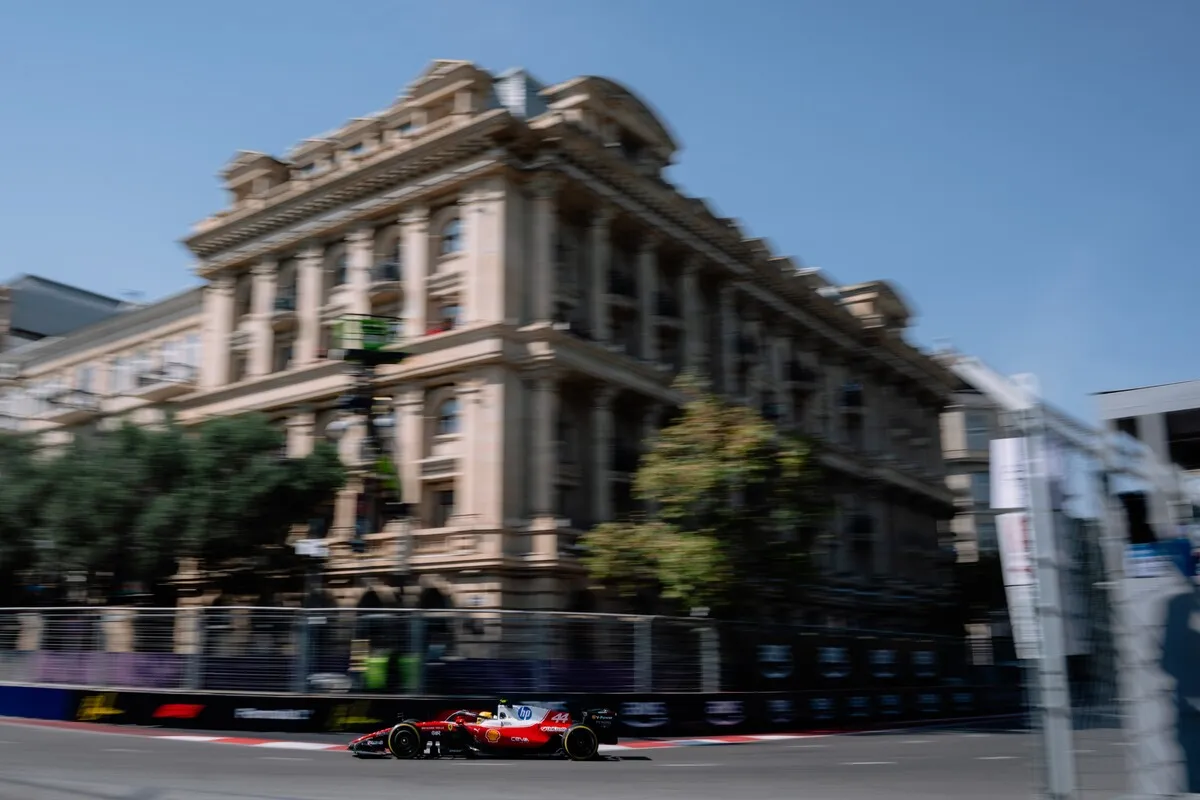
F1 GP Azerbaijan 2026: George Russell tercepat di FP3 Baku, ungguli Verstappen 99 milidetik. Simak persaingan pole position dan hasil latihan bebas ketiga.
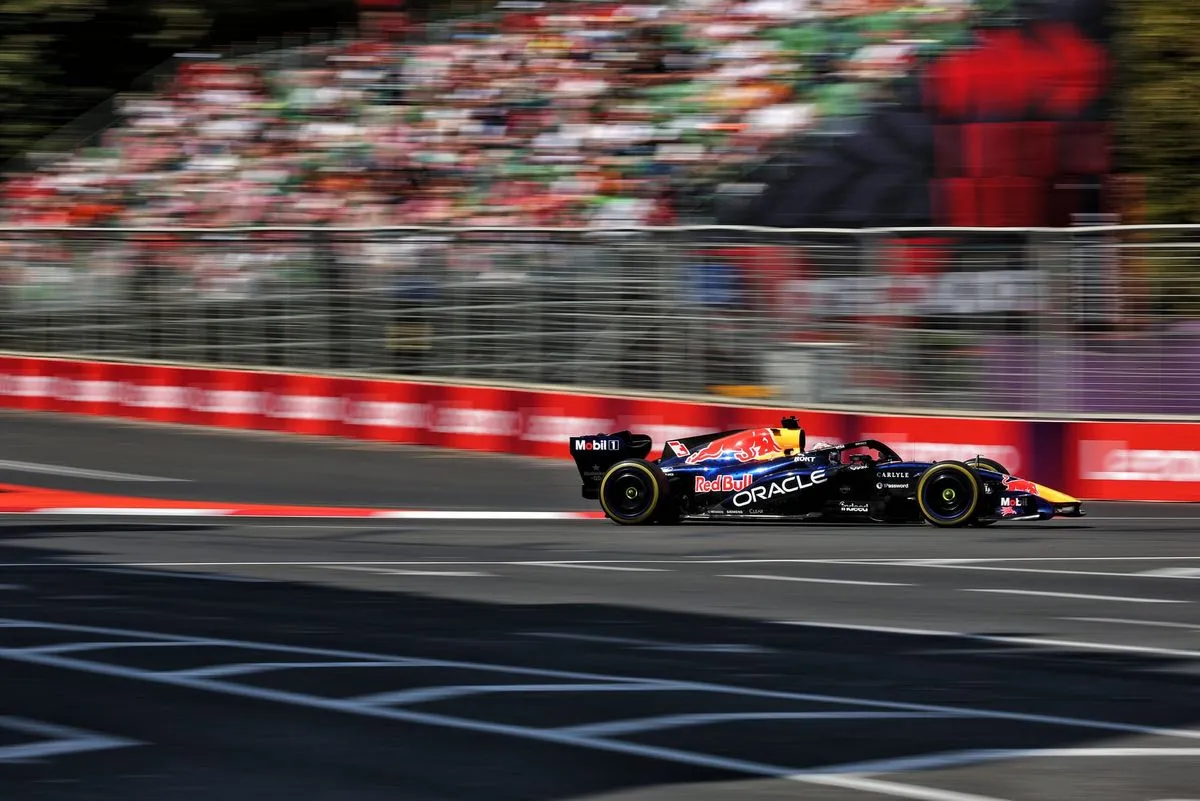
Max Verstappen akhirnya memuncaki FP3 F1 Azerbaijan 2026, ungguli George Russell. Simak hasil lengkap dan analisis persaingan jelang kualifikasi.
 Continue with Google
Discussion (0)
Join the Discussion!
Sign in easily to start commenting, replying, and interacting with other readers.
Latest Comments
No comments yet. Be the first!