







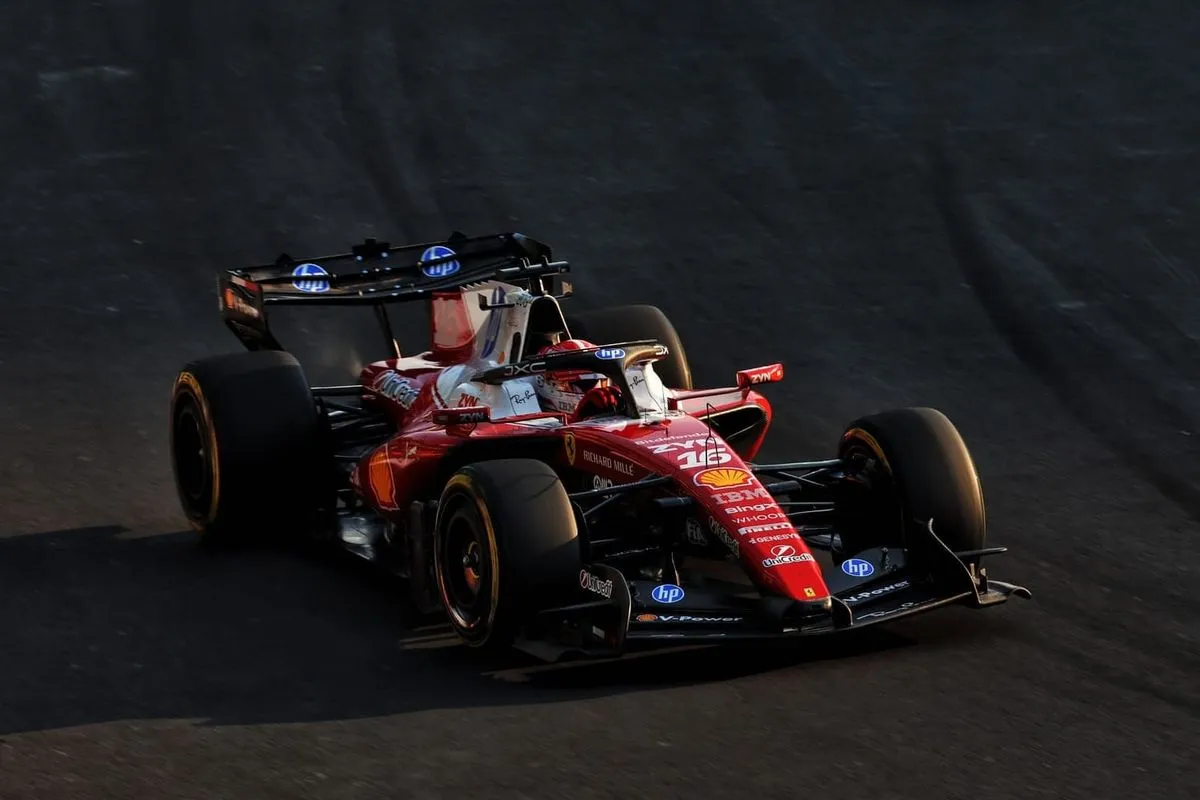

Formula 1 has once again captured international attention as the latest generation cars showcased astonishingly competitive pace. A combination of technical factors and track evolution allowed the new regulation machinery to come unusually close to the lap time performance of their ground-effect predecessors in Mexico.
The opening practice session saw Charles Leclerc top the timesheets with a lap of 1m18.128s. That stellar effort was 0.252s faster than the lap he set to lead the opening practice session at the venue last year, marking the first time the new-generation cars outpaced the previous year's machinery in an FP1 session after typically trailing by two to three seconds.
The Ferrari star further lowered the benchmark to 1m17.827s during the second practice session. Although that afternoon effort remained 0.435s slower than Max Verstappen's benchmark from the previous season, Pirelli's pre-weekend simulations had initially projected a 1m17.0s pole position pace, which is now anticipated to be shattered significantly following Friday's running.
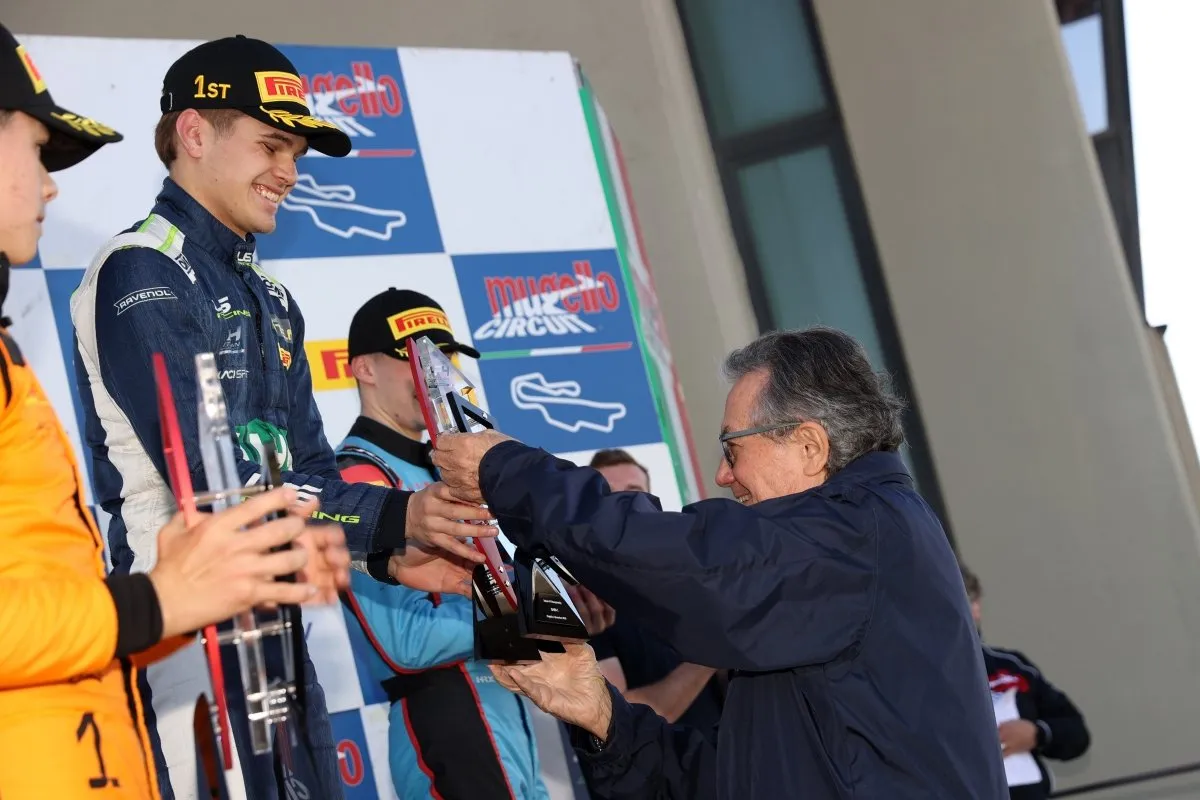
The primary catalyst behind this unexpected competitiveness lies in Mexico's high altitude, which proves far less detrimental to the performance of the modern power units and aerodynamic packages compared to the older generation. Pirelli chief engineer Simone Berra highlighted that the older cars relied heavily on downforce and suffered massive losses in the thin air, whereas the current generation handles the altitude penalty much more gracefully.
"The conditions, the altitude here, it's in favour of these cars compared to the old one," Simone Berra explained, emphasizing that engines can push harder relative to sea-level conditions. Alongside the altitude advantage, partial resurfacing from Turn 10 to Turn 1 combined with active support series laying down valuable rubber contributed heavily to the massive track evolution observed throughout the day.
Read Also
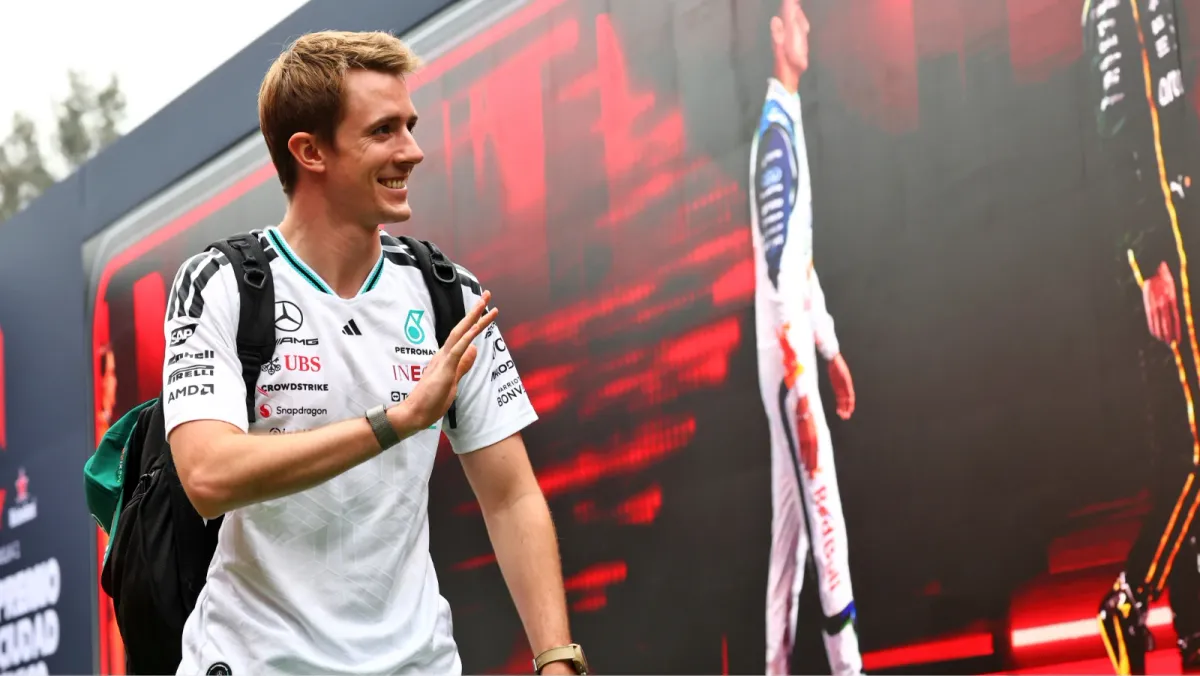
George Russell konfirmasi ambisi Frederik Vesti rebut kursi Cadillac F1 2027. Simak analisis mendalam dan berita terbaru di sini.
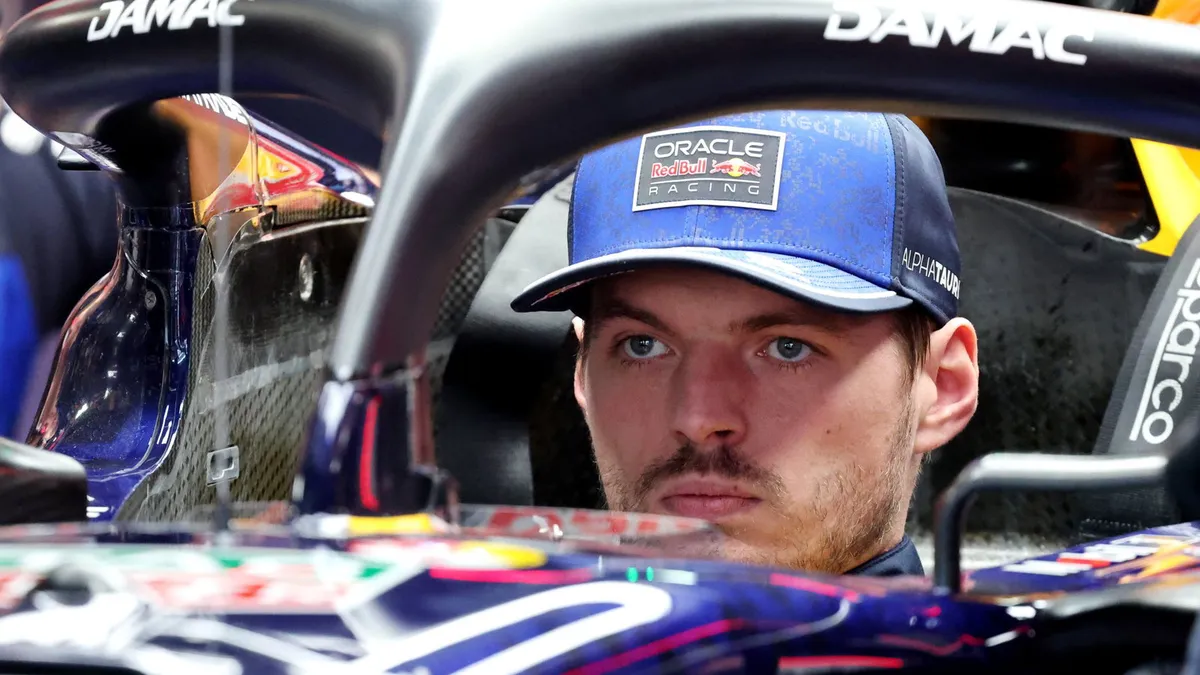
Red Bull pastikan masalah radio Max Verstappen telah diperbaiki jelang akhir pekan balapan. Baca analisis mendalam di sini untuk update F1 terbaru.
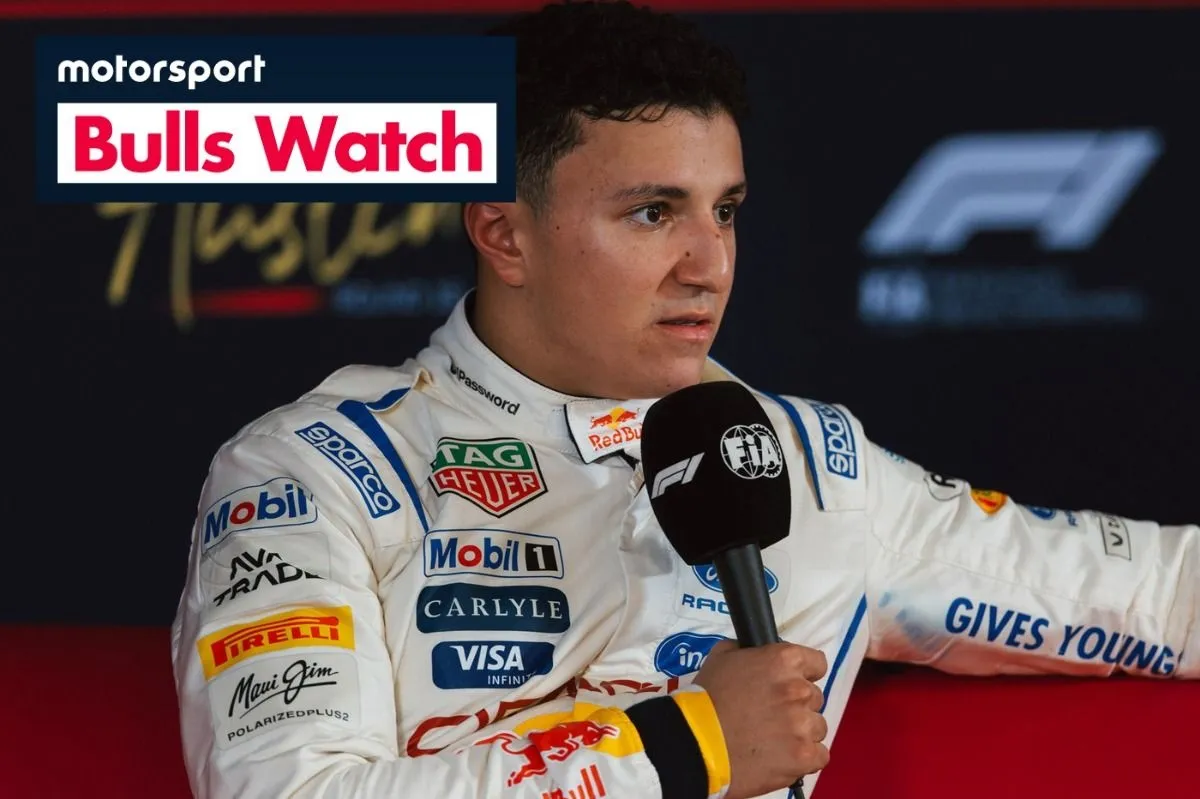
Simak pembelaan suporter F1 untuk Isack Hadjar setelah dipanggil stewards GP Meksiko. Baca analisis lengkap dan kronologi kejadian di sini.
 Continue with Google
Discussion (0)
Join the Discussion!
Sign in easily to start commenting, replying, and interacting with other readers.
Latest Comments
No comments yet. Be the first!