








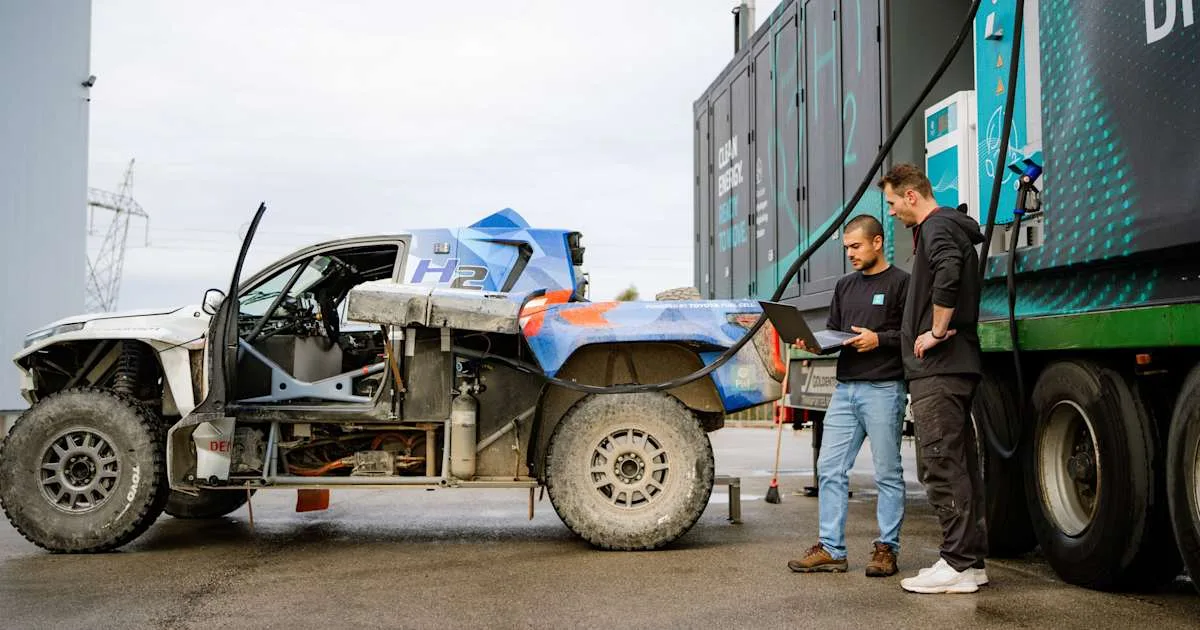
The grueling Rallye Dakar once again serves as the ultimate testing ground for cutting-edge automotive technology. Japanese automotive giant Toyota has announced its ambitious plan to field its first hydrogen-electric competition vehicle in the world's most demanding cross-country rally.
The advanced prototype, designated as the DKR GR FC Hilux, is set to compete in the experimental Dakar Future Mission 1000 category. Its primary mission is to evaluate fuel cell technology under harsh desert conditions that no conventional laboratory dyno could ever hope to simulate.
Technically, the vehicle relies on two fuel cell stacks that convert onboard hydrogen into electrical energy to power an electric motor. The system generates an impressive 400 kilowatts, translating to 544 horsepower. Energy is stored across four high-pressure tanks containing a total of 8.4 kilograms of gaseous hydrogen, utilizing technology derived from the Toyota Mirai passenger car ecosystem.
Beneath the revolutionary powertrain, Toyota retained the proven tubular frame chassis, safety cell, suspension, and braking system from its conventionally powered DKR GR Hilux counterpart. However, major engineering changes include a brand-new electric drive axle, power electronics, a specialized cooling system for the high-voltage setup, and natural fiber body panels replacing traditional carbon elements.
The task of taming this hydrogen-powered beast has been entrusted to Dania Akeel. The Saudi Arabian driver, who made waves by claiming a historic stage win in the Challenger category, takes on the role of lead development driver for the experimental project.
"This is a super project where we are learning so much with every single kilometer we cover," Dania Akeel stated. She noted that despite the complex battery, fuel cell, and cooling arrays, the handling dynamics remain remarkably similar to a standard Hilux, though the lack of engine and transmission noise presents a unique challenge in judging vehicle speed.
By utilizing Rallye Dakar as a rolling laboratory, Toyota aims to make fuel cell technology more compact, durable, and efficient, ensuring that lessons learned directly benefit future production road cars.
Read Also
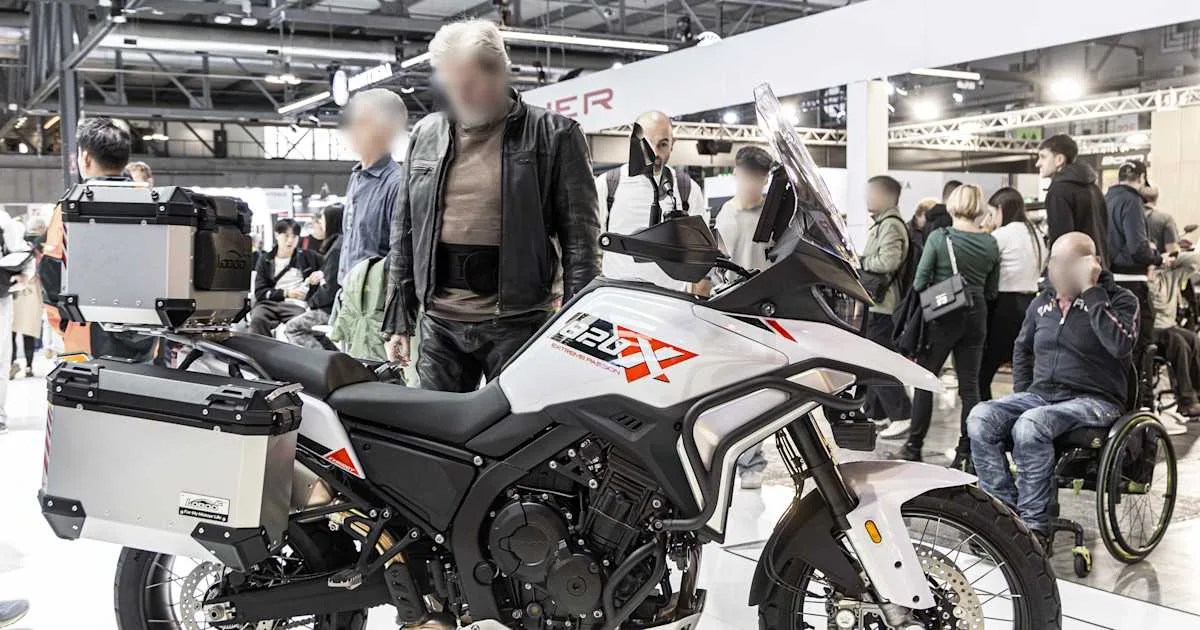
Simak analisis lengkap ekspansi agresif ZX Moto di kancah global lewat inovasi mesin boxer dan V5. Baca ulasan mendalam selengkapnya di sini.
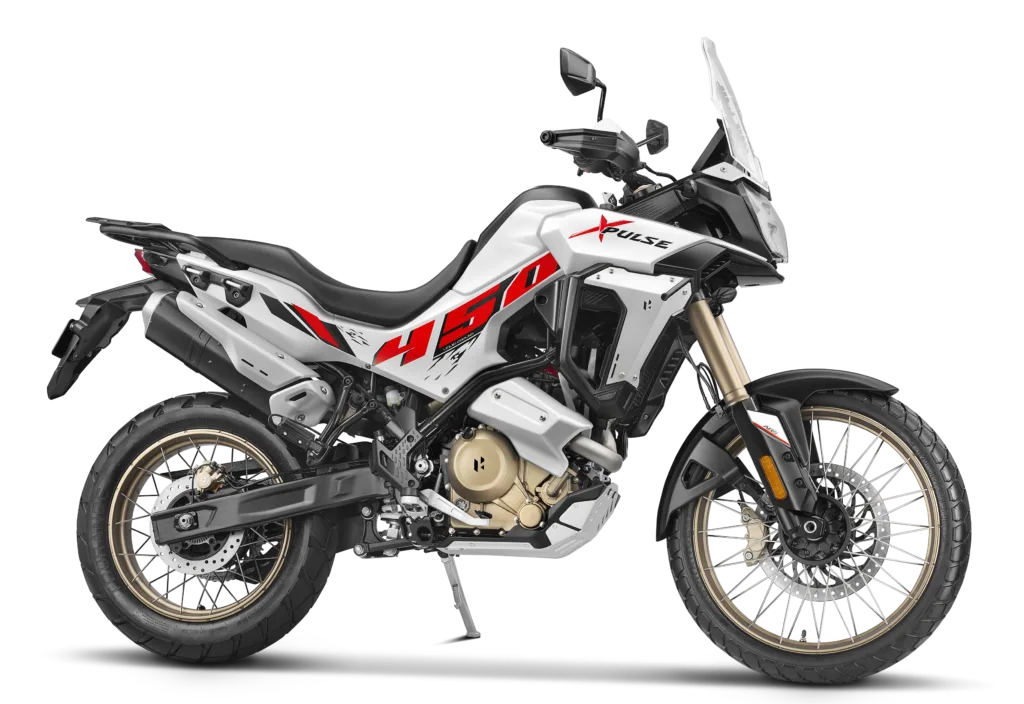
Simak ulasan lengkap peluncuran Hero Xpulse 450 di EICMA 2026 dengan mesin bertenaga dan suspensi KYB. Baca analisis mendalam di sini.

Nasser Al-Attiyah secures his sixth Dakar Rally victory in 2026 after a tense final stage, defeating Nani Roma and confirming Dacia’s rise.
 Continue with Google
Discussion (0)
Join the Discussion!
Sign in easily to start commenting, replying, and interacting with other readers.
Latest Comments
No comments yet. Be the first!