







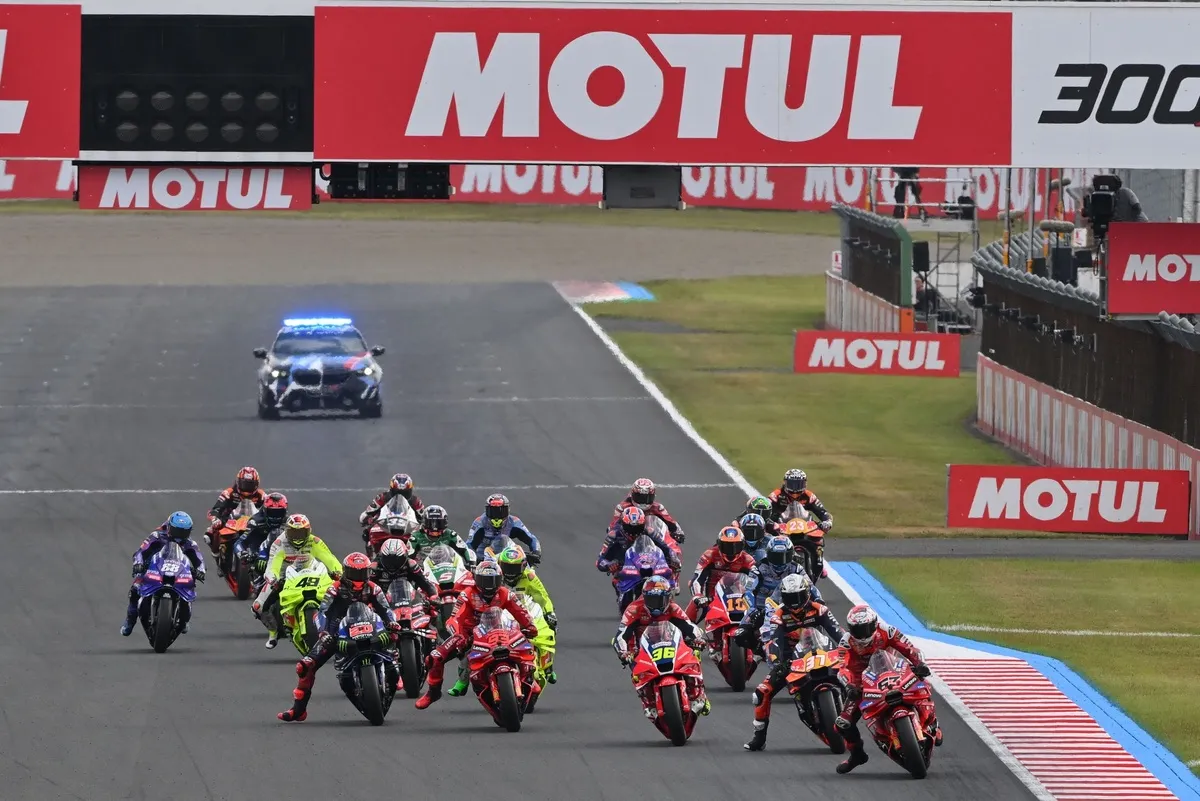

MotoGP returns to Motegi for the Japanese Grand Prix, but riders face a major puzzle that renders past data almost useless. New asphalt, harder rear tyres, and unpredictable weather make this weekend one of the most difficult to predict this season.
Since 2014, Motegi has been a stronghold for Ducati, with recent races establishing the Italian brand as the dominant force. However, that dominance could be disrupted by new factors riders have never encountered. The 4.8km track has been completely resurfaced between late 2025 and early 2026, wiping out any setup references from previous years.
Although other championships like the Asia Road Racing Championship and All-Japan Superbike have sampled the new asphalt, MotoGP teams have little data to work with. The only exception is Honda. The Japanese manufacturer conducted a private test at Motegi about a month ago, using test rider Takaaki Nakagami. Honda ran both its current 1000cc bike and the upcoming 850cc prototype, and that experience gives them an edge over rivals.
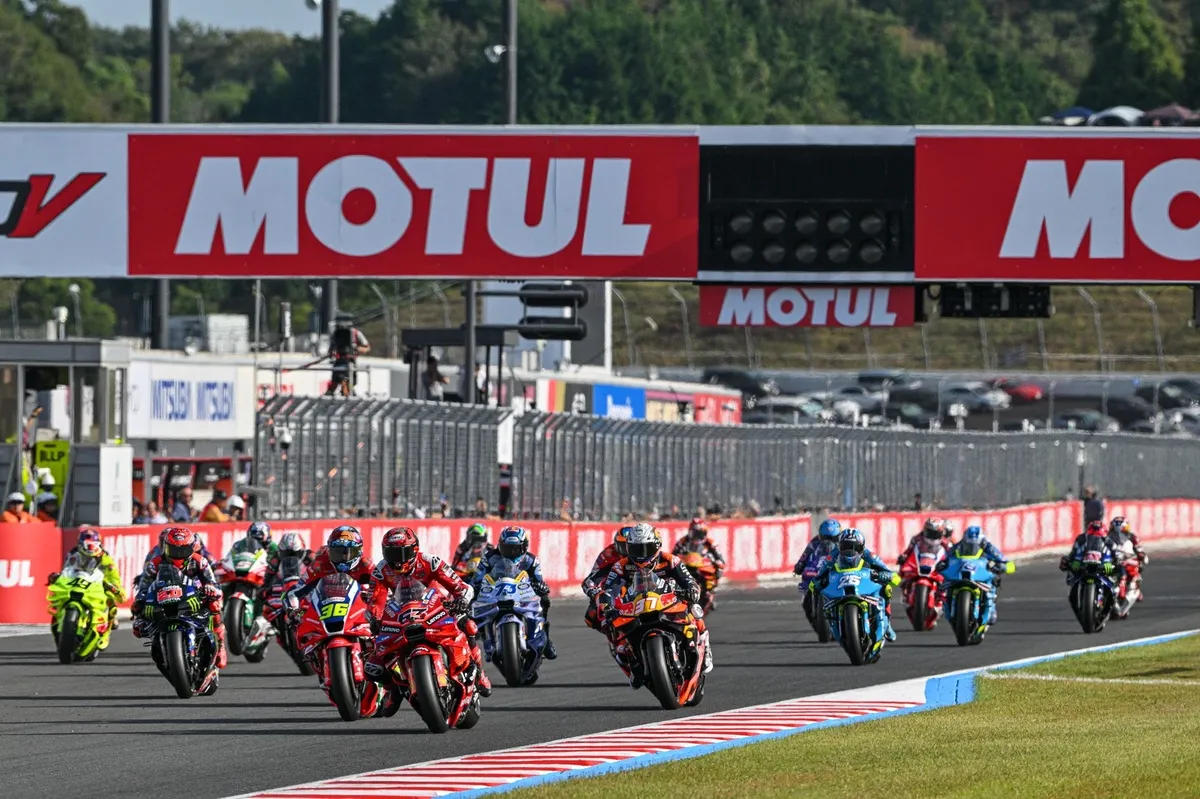
Nakagami, who will race as a wildcard this weekend, revealed that the new surface has eliminated all bumps. “The new surface is really good, it was positive,” he said. “The previous surface had no bumps, but now it’s completely flat. It’s not very grippy, but there’s a different feeling, and that’s a good thing. At least we have a base setup, which is better than nothing.”
However, there’s an unintended consequence: Michelin has tweaked its tyre allocation for Motegi. All three rear tyres are a step harder than last year, and the hard option features a reinforced casing similar to Spielberg. How these new tyres react with the new surface remains a big question mark. “We will especially try to understand the new tarmac,” said Alex Marquez of Gresini. “Here, holes or bumps were never a big issue. It was more about low grip, so we’ll see if the new tarmac is a bit better. But we also have harder rear tyres, so we need to adapt.”
Honda’s advantage is further highlighted because Nakagami has already tested the harder rear tyres at Motegi. “The tyre allocation this weekend is a bit different, so at least we’ve completed some laps to test it,” he added. This could be a valuable asset for Honda to challenge Ducati’s dominance at their home race.
The third factor is weather. Forecasts suggest changing conditions that could affect track temperature and tyre performance. If rain arrives, the new asphalt could become very slippery, and hard tyres might struggle. Conversely, if it’s hot, hard tyres might work better, but there’s still a risk of high degradation. All teams must be ready with flexible strategies.
With these uncertainties, the Japanese GP is not just about speed but adaptability. Whoever can read the conditions fastest will reap the rewards. Will Ducati remain supreme, or will Honda capitalize on their knowledge? The answer will be revealed when the lights go out at Motegi.
Read Also
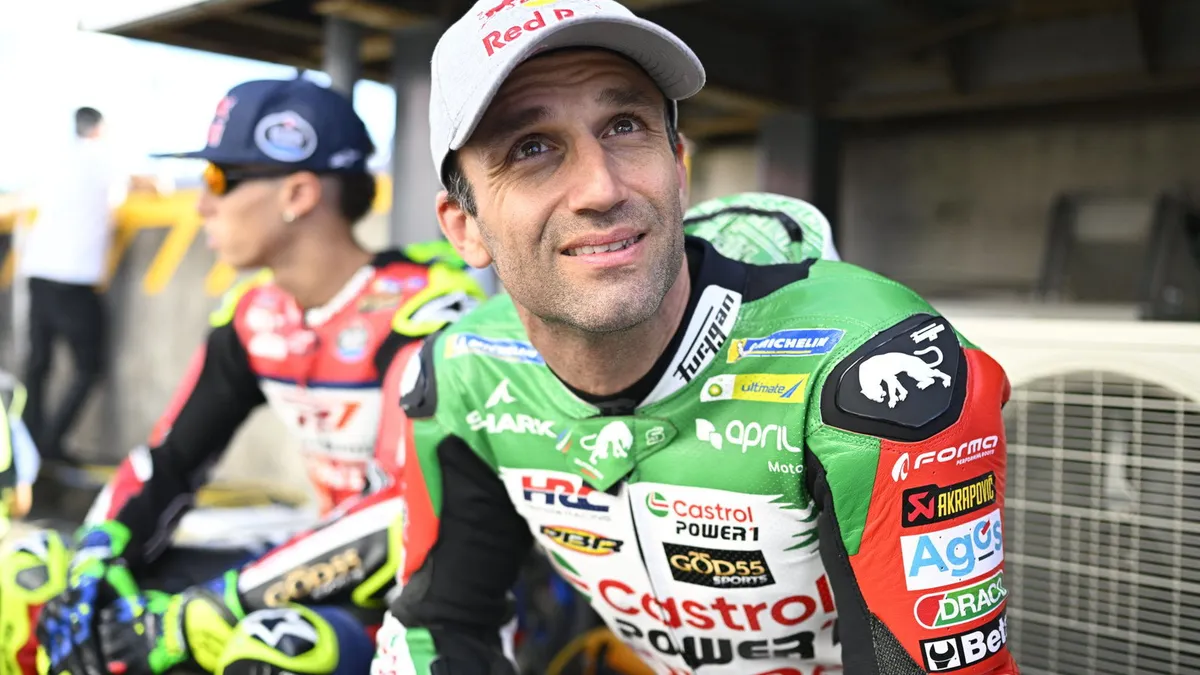
Johann Zarco tunda operasi lutut hingga pensiun demi karier MotoGP dan masa tua yang sehat. Simak rencana dan kondisi terbarunya.
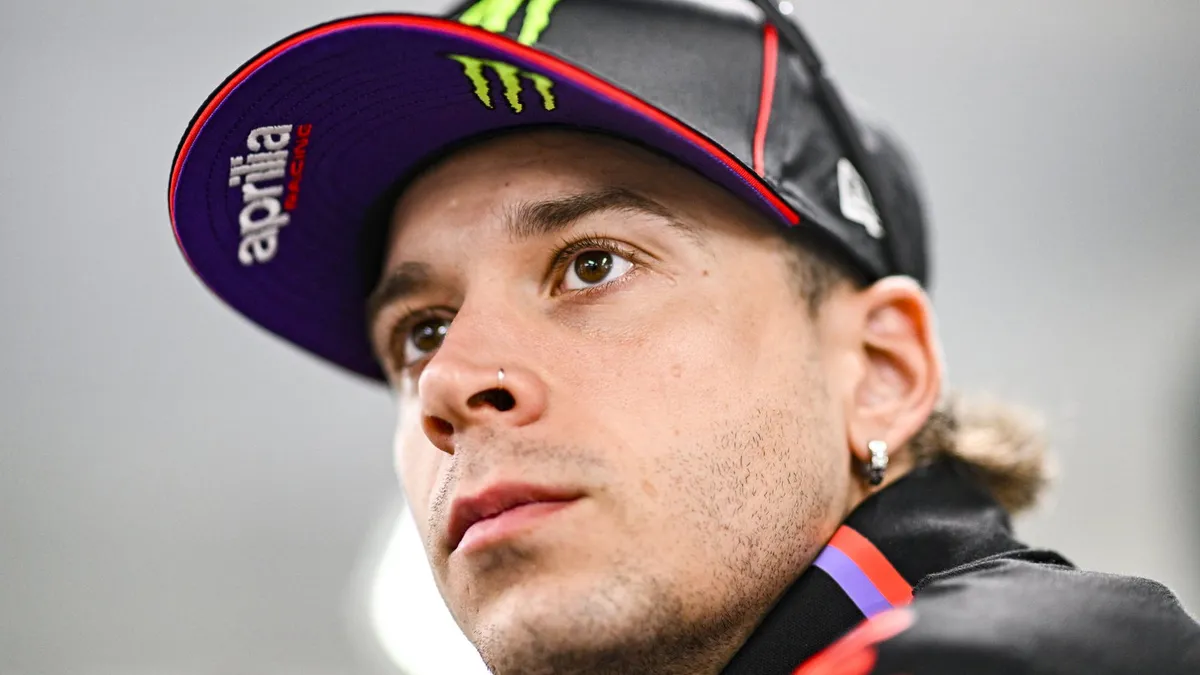
Marco Bezzecchi akui peluang gelar MotoGP 2026 mulai pudar setelah gagal finis di lima dari delapan balapan terakhir. Kini tertinggal 42 poin dari Jorge Martin dan Marc Marquez.
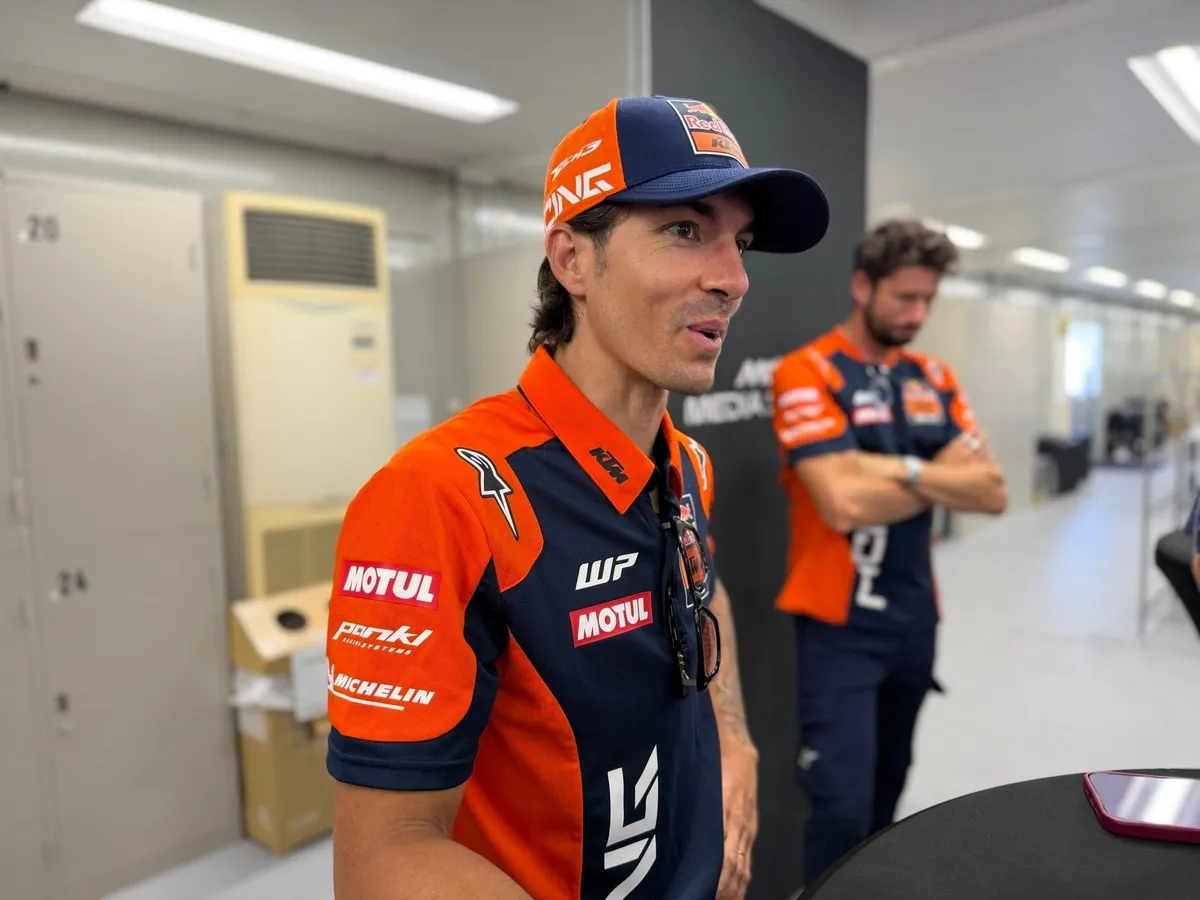
Maverick Vinales kembali ke MotoGP di Jepang tanpa target muluk. Simak cerita lengkapnya tentang cedera, masa depan, dan uji motor KTM 850.
 Continue with Google
Discussion (0)
Join the Discussion!
Sign in easily to start commenting, replying, and interacting with other readers.
Latest Comments
No comments yet. Be the first!