






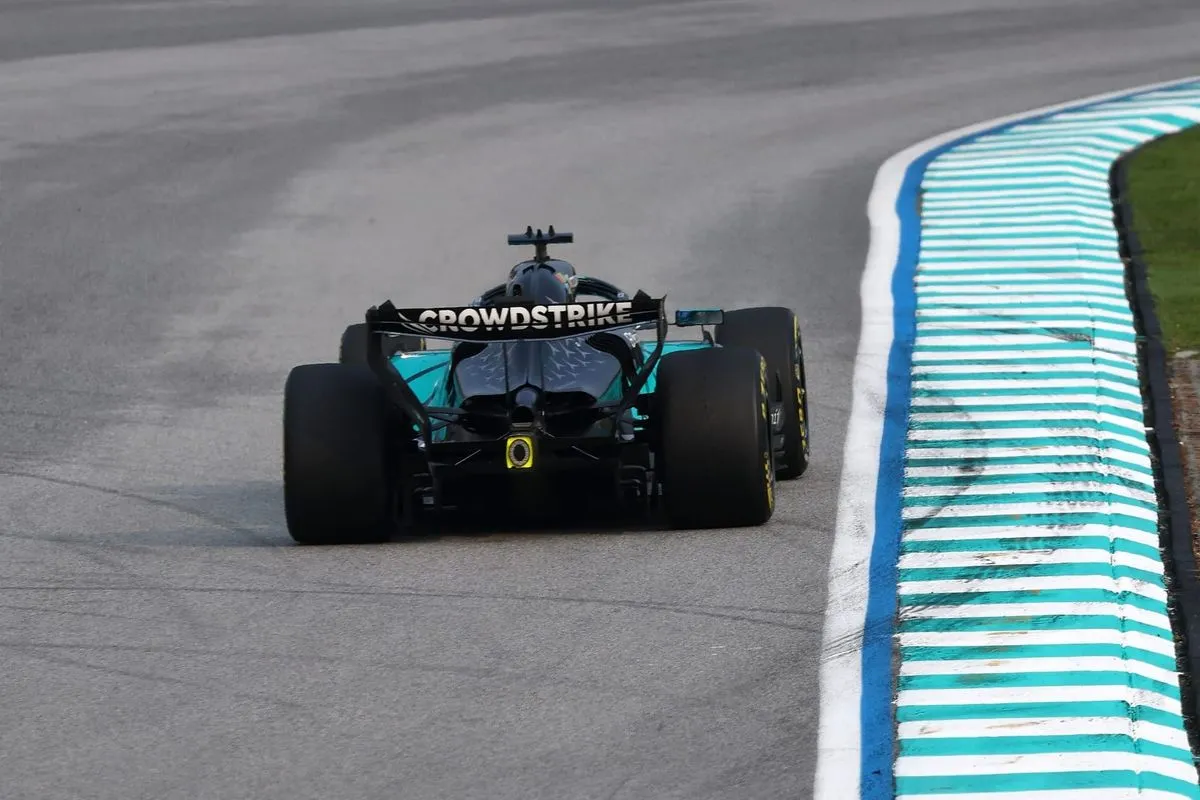

The Formula 1 pecking order was turned completely upside down upon the championship's return to Sepang, Malaysia. Amidst a season previously dominated by a select few, an extreme track surface sparked a fascinating theory regarding how certain cars begin to behave in a weird aerodynamic way, instantly catching engineers and team principals off guard.
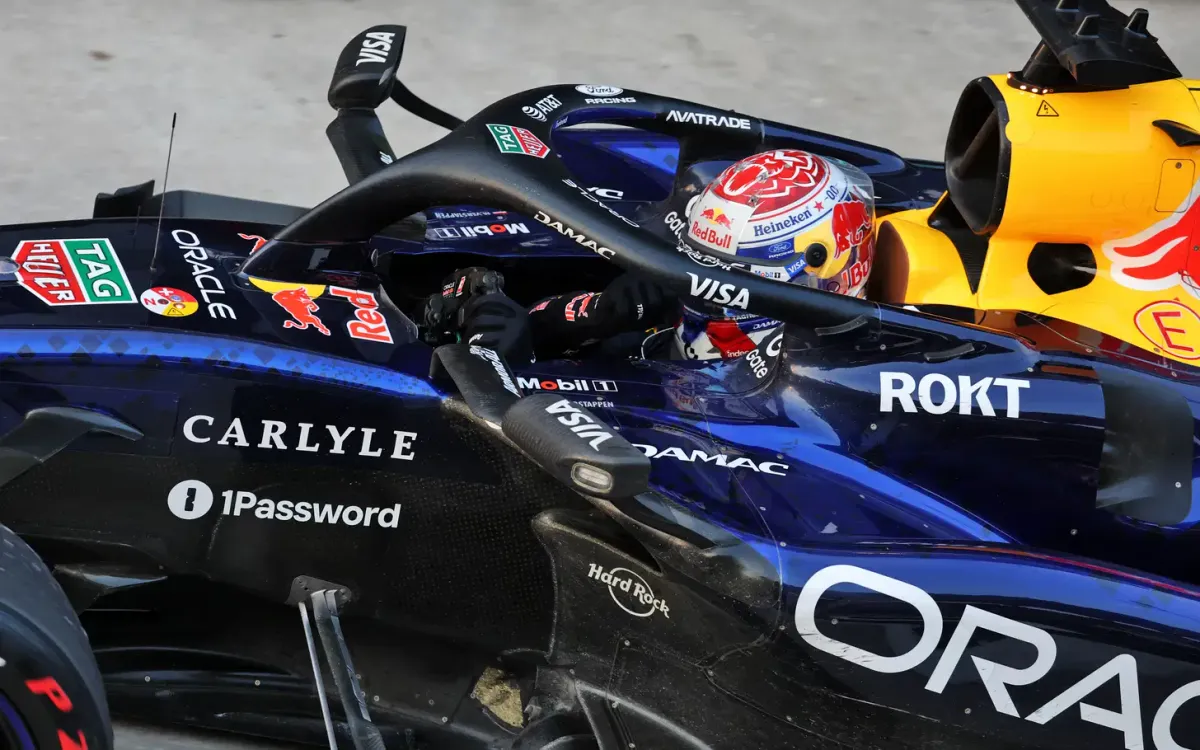
Prior to the race weekend in Malaysia, Mercedes and McLaren had locked out the vast majority of pole positions and race wins throughout the 2026 season. However, that established order was comprehensively dismantled as Red Bull seized the initiative. Max Verstappen expertly capitalized on Sepang's unique challenges to outpace the usual benchmarks, while Ferrari also outqualified the Silver Arrows. Red Bull team principal Laurent Mekies readily admitted that the sudden shift caught them completely by surprise.
The biggest shock within the paddock centered on Mercedes' major upgrade package, which team principal Toto Wolff stated sent the car half a second backward instead of delivering the anticipated three-tenth performance gain. McLaren similarly expected to be far more competitive on race pace, only to find themselves scratching their heads over a sudden lack of expected performance in critical sections of the circuit.
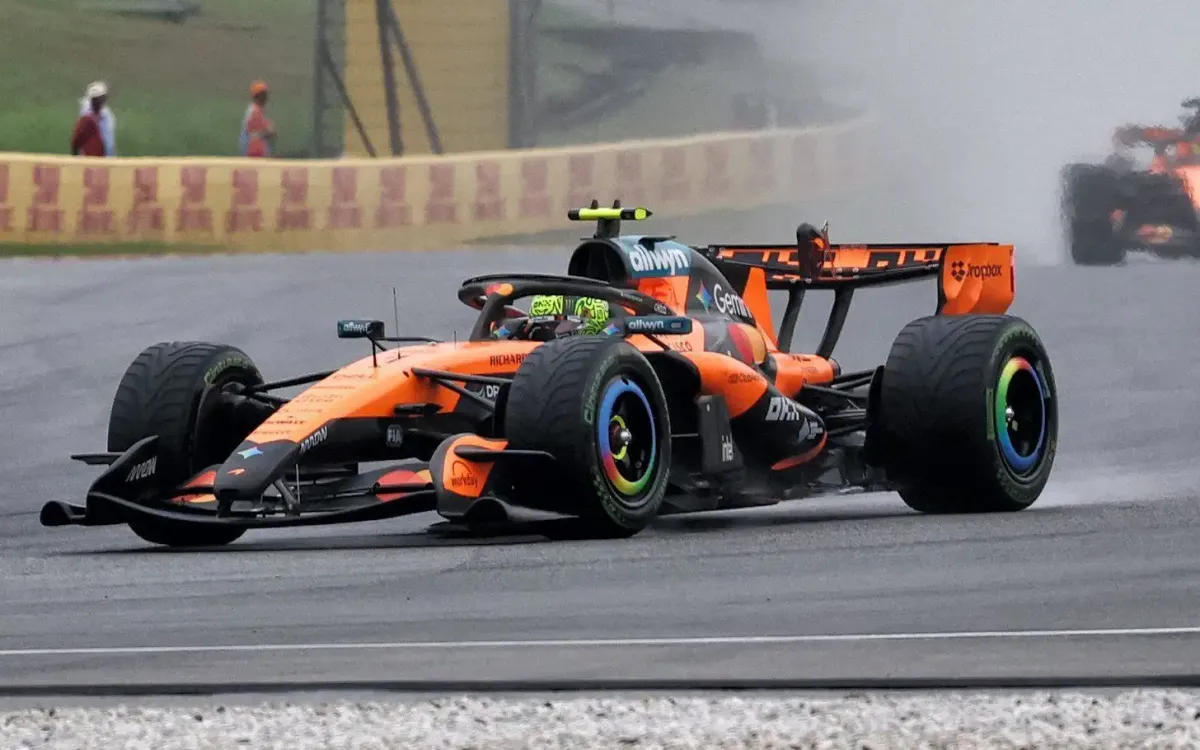
A dominant theme throughout the weekend was the unusually rough nature of the Sepang asphalt, a characteristic arguably only matched by Bahrain. Mekies pointed out that the extreme heat, track roughness, and layout meant that most cars on the grid were completely thrown out of their ideal operating windows. Mercedes acknowledged that its most acute struggles happened across the bumpiest sections of the track, particularly through the slower corners.
Meanwhile, McLaren team principal Andrea Stella admitted he was puzzled as to why the squad's high-speed corner prowess seen at previous venues like Madrid or Zandvoort failed to materialize in Malaysia. Stella offered a telling hint when noting that certain tarmac conditions make the car operate in a weird way, extending far beyond mere tyre management. When asked by The Race if this translated into an aerodynamic disruption, Stella replied that the assessment was not inaccurate.
As reported by The Race, this intricate variable relates to loose stones on such abrasive surfaces generating disturbed airflow that fails to glide smoothly across the car's aerodynamic bodywork. Consequently, certain cars proved hyper-sensitive to these disruptions, lacking the real-world aero consistency needed to match the theoretical load seen in team data. Such complex aerodynamic sensitivities heavily mirror the challenges faced during previous ground-effect generations, where underfloor downforce remained intensely vulnerable to external flow disturbances.
Read Also
Kemenangan Max Verstappen bersama Red Bull di Sepang bukan kebetulan. Simak analisis teknis peningkatan performa mobil RB22 jelang GP Singapura.
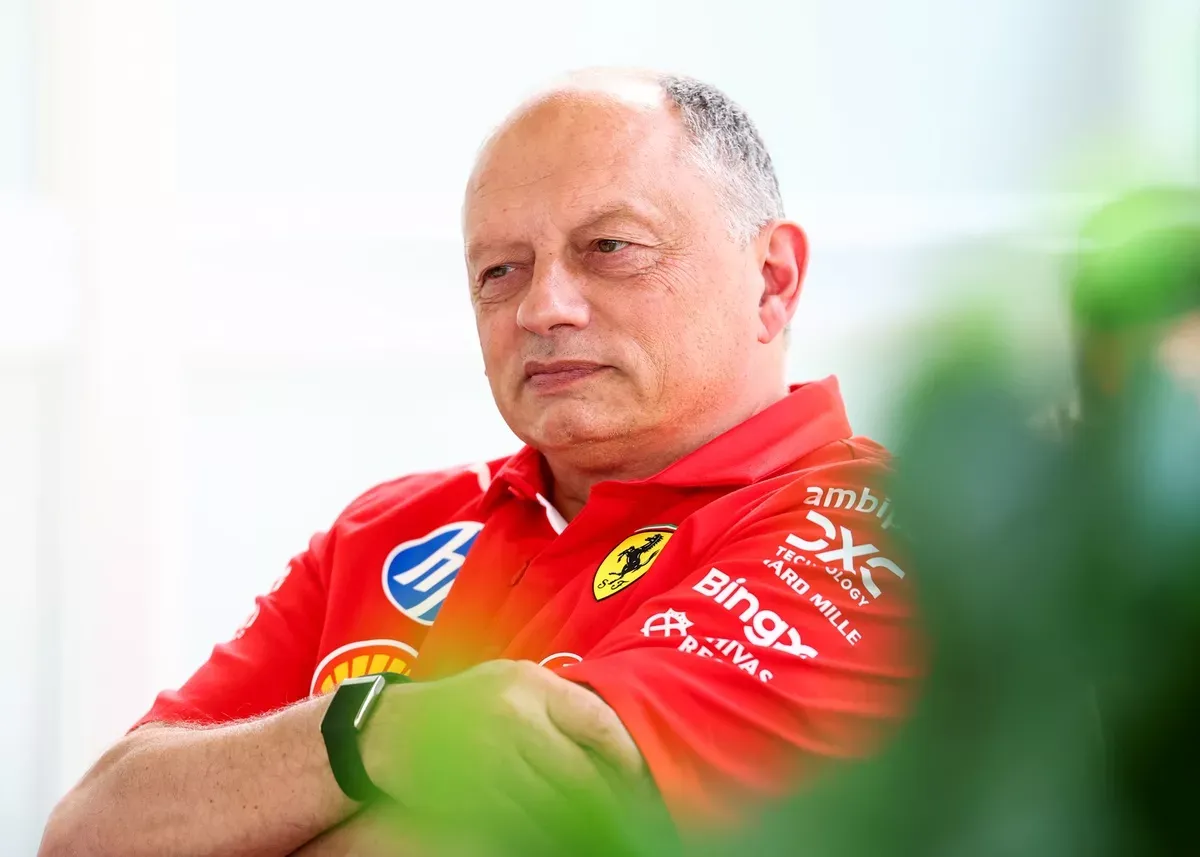
Flavio Briatore menilai tekanan yang dihadapi prinsipal Ferrari Fred Vasseur jauh lebih kejam dan berat dibanding rival F1 lainnya.

Laurent Mekies memperingatkan kompleksitas F1 agar tidak lepas kendali usai kekacauan perangkat lunak di GP Sepang.
 Continue with Google
Discussion (0)
Join the Discussion!
Sign in easily to start commenting, replying, and interacting with other readers.
Latest Comments
No comments yet. Be the first!