







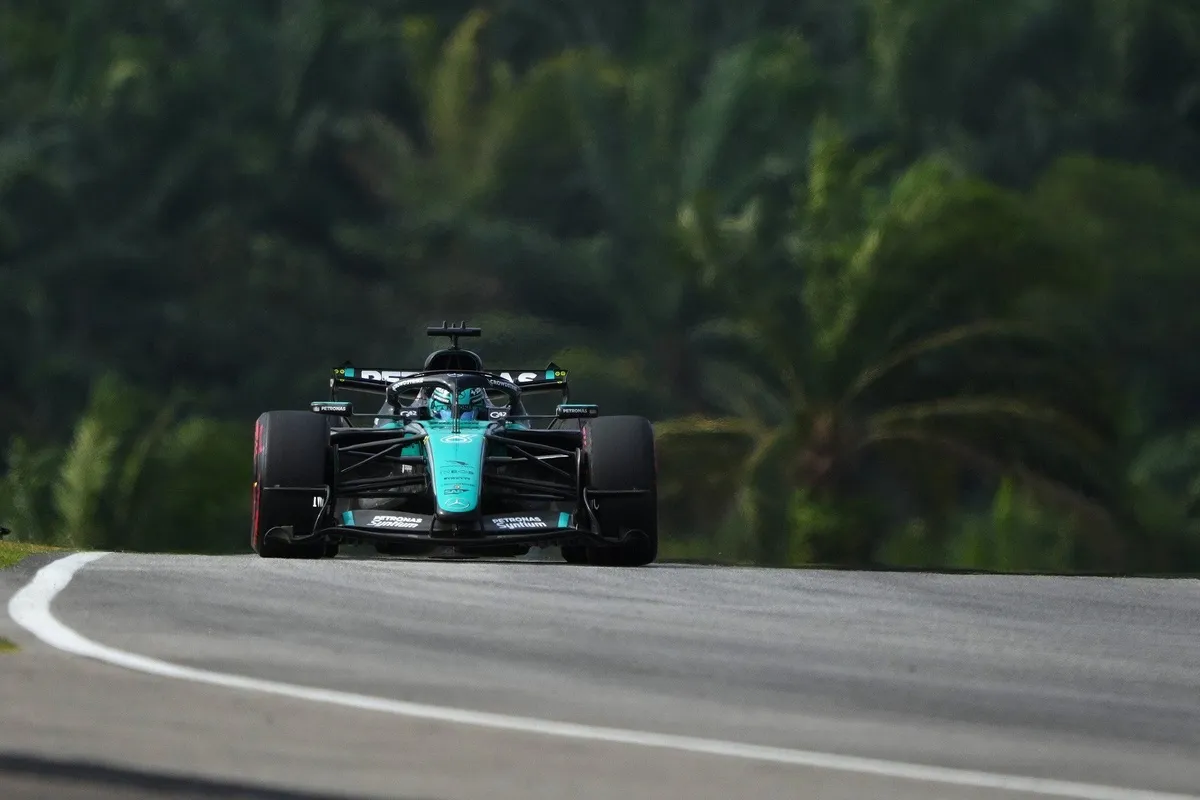

Mercedes' performance at Formula 1's Bahrain Grand Prix in Malaysia will require further investigation as the conditions around the Sepang circuit made it difficult for the team to get a read on its latest update package. According to Motorsport.com, the team introduced a revised floor and sidepod package for F1's first visit to Sepang in nine years, but it became apparent that the team was struggling to unlock its usual top-line pace throughout the weekend. Regardless, it was set to pick up a double podium finish before George Russell retired with a powertrain issue.
Through the weekend, the team declared itself happy with the performance of the update in higher-speed corners, but the W17 overall did not gel with the circuit - particularly around the slower corners. In the team's usual post-race debrief circulated on its social media channels, deputy team principal Bradley Lord explained that the drivers were having to resort to slightly unusual inputs in those slower corners to get the car to bite.
"The combination potentially of update, track temperature and track surface caused an interaction and a set of behaviours that meant the car was not in its usual happy state, that the drivers were having to turn the car on the throttle in the slow corners," said Lord. That was further exacerbating the challenges with tyre temperature, meaning it is certainly not an easy thing to unpick for the engineers.
Lord noted that it is a bit of a 3D problem that the Mercedes squad needs to work through and then figure out exactly what steps to take going forward. They must ensure they have the base understanding needed to confirm the update is working well and that they are heading in the right direction in development, not just for this year's car but for next year as well. That crucial work is currently ongoing back at the factory and over in Singapore to establish the exact plan for the coming days.
Why Sepang's surface was a problem for more than just tyres comes down to specific mechanical interactions. There are two particular threads linking the track surface to the car, the most obvious being the interaction between the road and the tyres. The roughness of the circuit was a key factor in excess tyre heat, as the contact between the tyre and the surface produced greater levels of strain on the tyre. When the tyre makes contact with the road, it deforms elastically, which is further exacerbated by the track surface characteristics found at Sepang.

Read Also
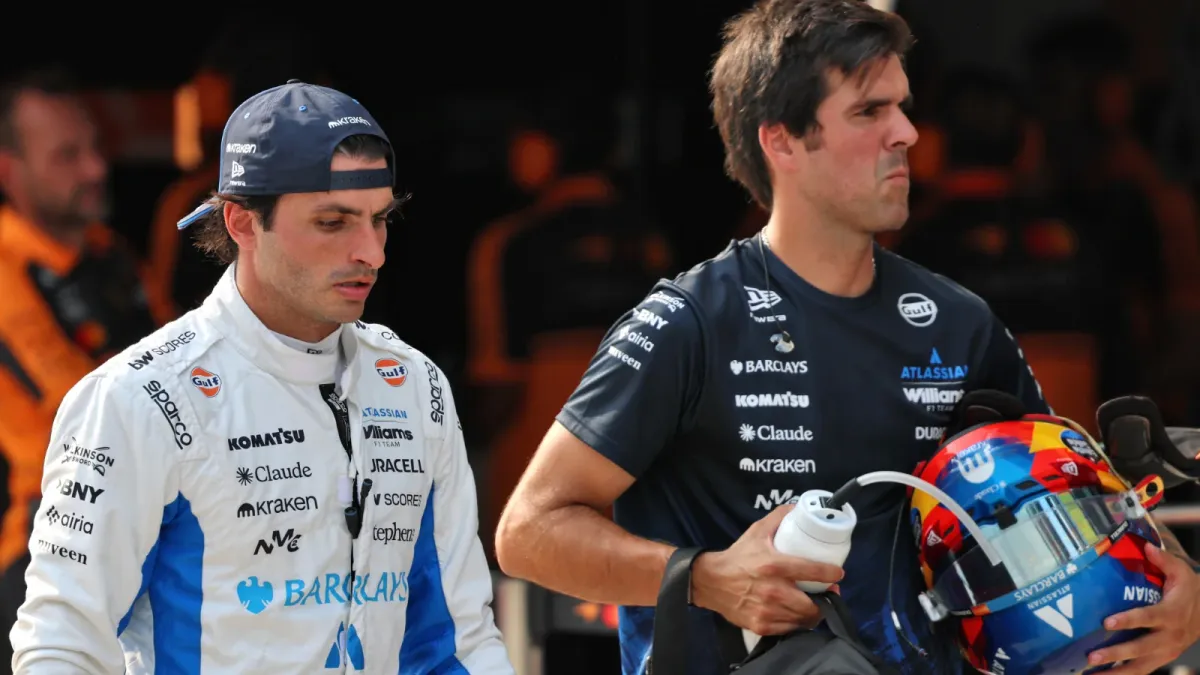
Carlos Sainz melayangkan kritik tajam terhadap glitch software F1 yang kacau di Sepang akibat regulasi hybrid baru yang terlalu rumit.

George Russell terancam penalti grid di GP Singapura akibat kegagalan mesin Mercedes, membuat posisinya semakin sulit mengejar Kimi Antonelli.
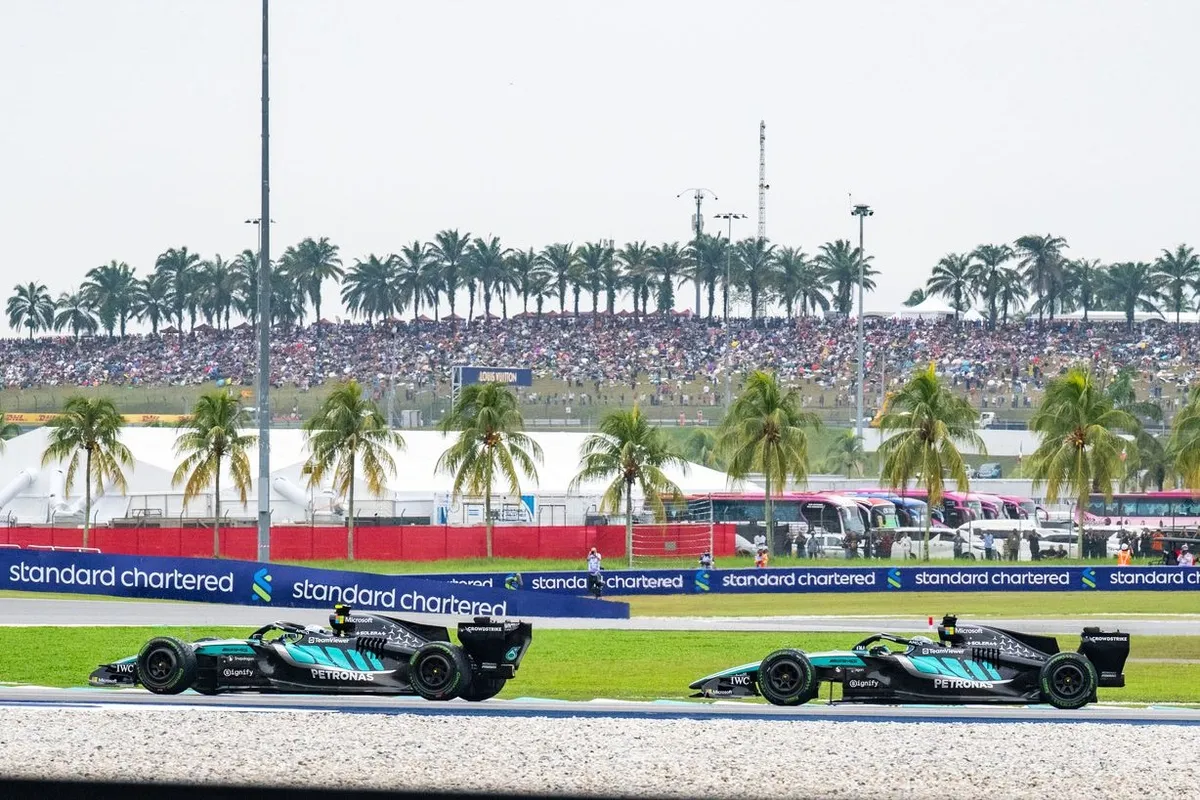
Mercedes ungkap alasan kesulitan W17 di Sepang meski membawa paket upgrade baru pada lantai dan sidepod mobil Formula 1.
 Continue with Google
Discussion (0)
Join the Discussion!
Sign in easily to start commenting, replying, and interacting with other readers.
Latest Comments
No comments yet. Be the first!