








The global automotive industry has undergone a radical transformation in how it defines top-tier luxury. Looking back at the golden era of Rolls Royce, the interior craftsmanship standard was measured by genuine animal leather selected under exceptionally rigorous conditions.
A legendary advertisement from the past proudly stated that the interior upholstery of their classic model required leather sourced from eight carefully selected bulls. High-altitude ranches were chosen to minimize insect bites and barbed wire blemishes, ensuring flawless quality of the premium Connolly leather.
This historical manufacturing approach relied heavily on extreme waste management, discarding imperfect portions to guarantee absolute uniformity in color and texture across every seat and door panel. Luxury back then was defined by raw exclusivity and meticulous refinement of natural raw materials.

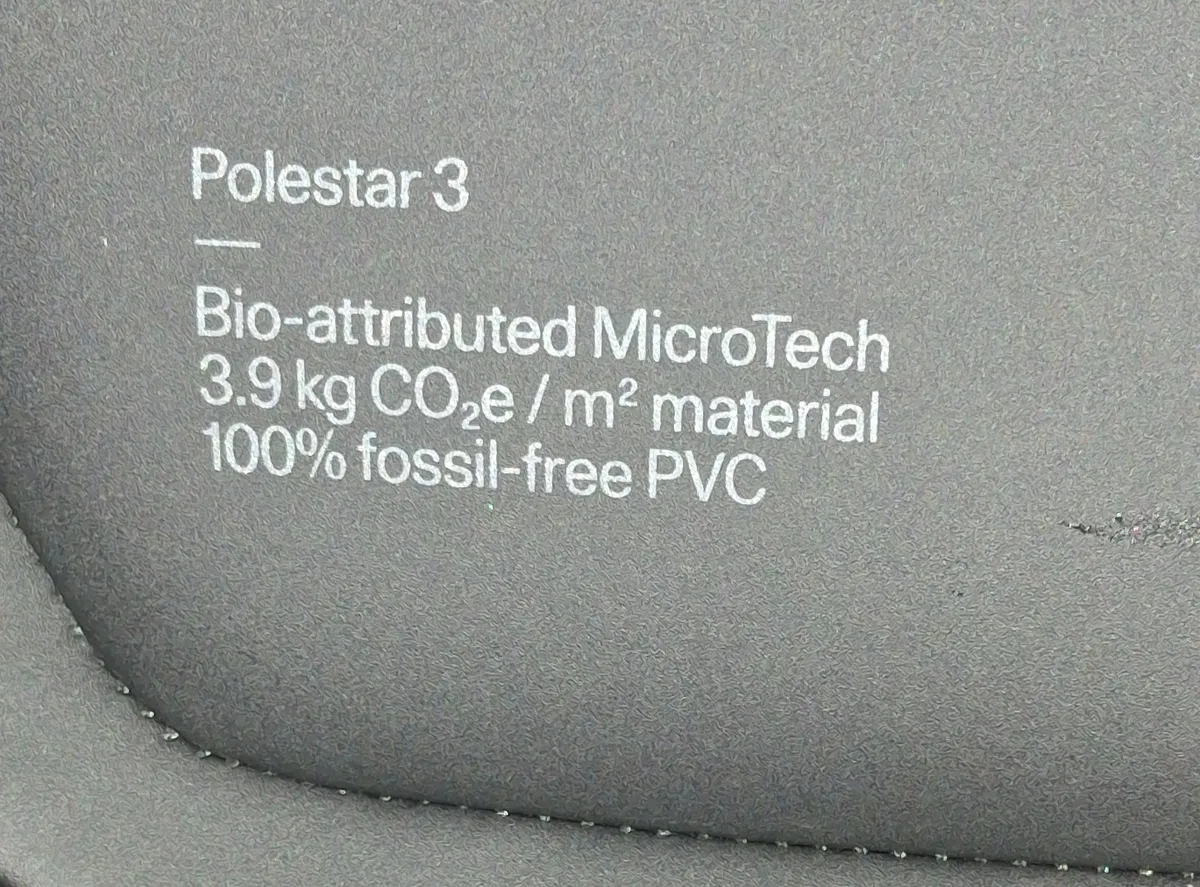
Today, that landscape has shifted entirely as modern manufacturers like Polestar integrate animal-free synthetic interior materials such as bio-attributed MicroTech and WeaveTech. Cabin labels detailing these plant-derived components serve not just as technical data, but as psychological reassurance for eco-conscious buyers.
This paradigm shift proves that the modern automotive sector no longer sells purely physical material superiority, but rather a narrative of sustainability and moral alignment. Luxury has officially evolved from demanding the finest physical elements to striving for a guilt-free conscience.
Read Also
Tesla resmi ekspansi ke Argentina dihadiri Elon Musk dan Javier Milei. Simak rincian lini produk dan analisis pasar selengkapnya di sini!

MV Agusta terancam krisis finansial serius. Simak analisis mendalam mengenai proses restrukturisasi dan masa depan pabrikan legendaris ini di sini.

Simak bagaimana teknologi ULTIMAT EYE Bridgestone menguji ban motor hingga kecepatan 400 km/h dan kemiringan 60 derajat. Baca analisis teknis selengkapnya di sini!
 Continue with Google
Discussion (0)
Join the Discussion!
Sign in easily to start commenting, replying, and interacting with other readers.
Latest Comments
No comments yet. Be the first!