








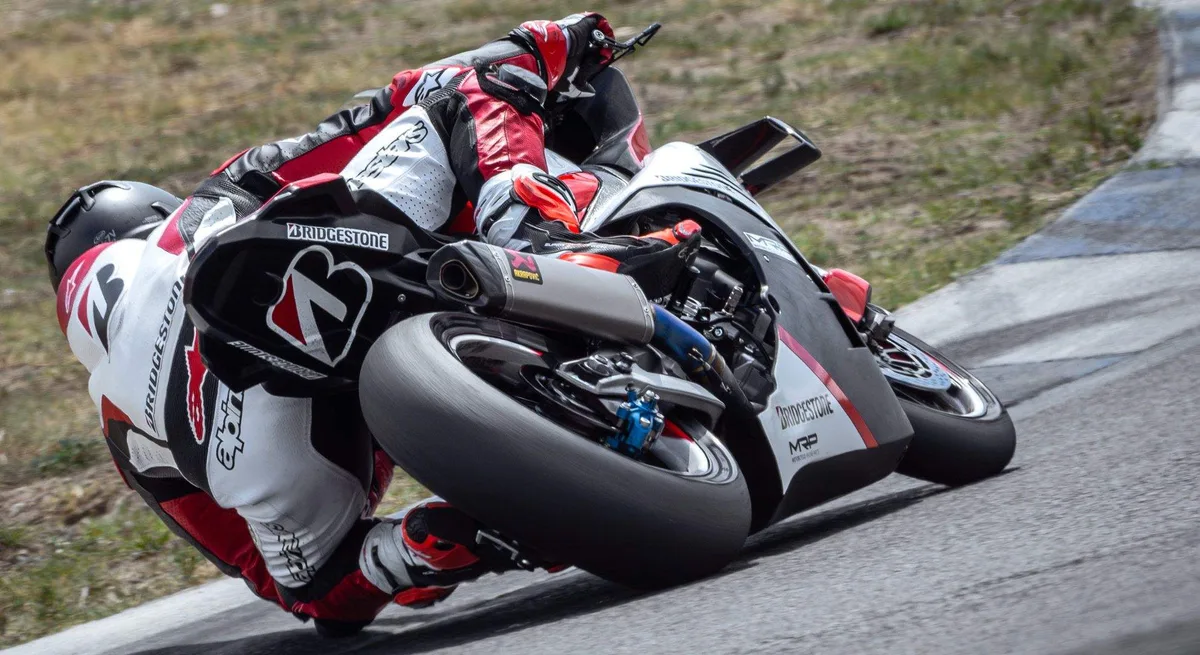
Analyzing the complex interaction between a tire's rubber compound and the asphalt remains one of the greatest engineering challenges in modern motorsport development. Major tire manufacturer Bridgestone utilizes an advanced diagnostic technology known as ULTIMAT EYE to study contact patch behavior under extreme conditions, replicating speeds up to 400 kilometers per hour and severe lean angles reaching 60 degrees.
A motorcycle tire is far more than just a simple rubber ring propelling a machine forward. It serves as the sole physical link connecting the motorcycle to the racing surface, directly dictating acceleration thresholds, braking stability, and cornering agility. However, understanding the exact physics within this contact patch is exceptionally difficult, particularly when high speeds and massive gravitational forces come into play simultaneously on the circuit.
To decode these intricate dynamics, the engineering team relies on ULTIMAT EYE, a sophisticated measurement system capable of mapping load distribution and pressure points across the tire footprint. This capability to simulate extreme operational parameters provides critical data essential for engineering high-performance racing tires that can withstand punishing race weekend environments without suffering catastrophic degradation.

As a motorcycle travels at high velocity, the tire undergoes continuous structural deformation upon entering the asphalt contact zone. The contact patch constantly shifts its shape based on shifting loads, internal pressures, operating temperatures, and lean angles. When a rider initiates a heavy lean to attack a corner apex, the load transfers rapidly onto the tire shoulders, completely altering the structural forces acting upon the carcass.
Sourced from Motosan.es, testing under extreme 400 km/h velocities and 60-degree lean angles allows technicians to refine sidewall rigidity and compound layering. "The key is not merely verifying whether a tire survives high stress, but understanding the exact mechanical behavior occurring within the contact patch during every microsecond of the lap," highlighting how laboratory telemetry drives continuous structural evolution for future motorsport applications.
Read Also
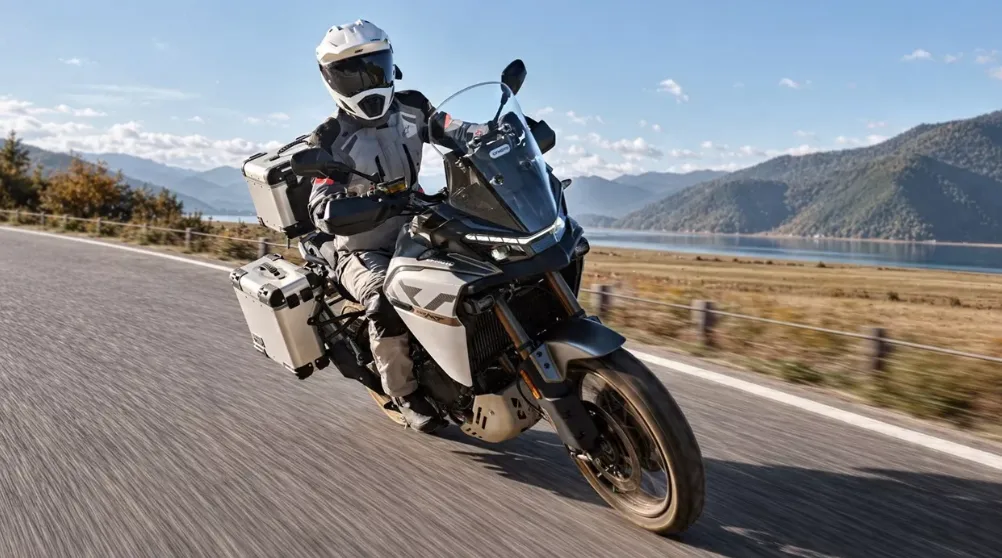
CFMOTO perkenalkan 550MT dan 550MT-X bermesin 526 cc di EICMA. Simak analisis lengkap spesifikasi dan fitur kedua motor trail baru ini di sini.
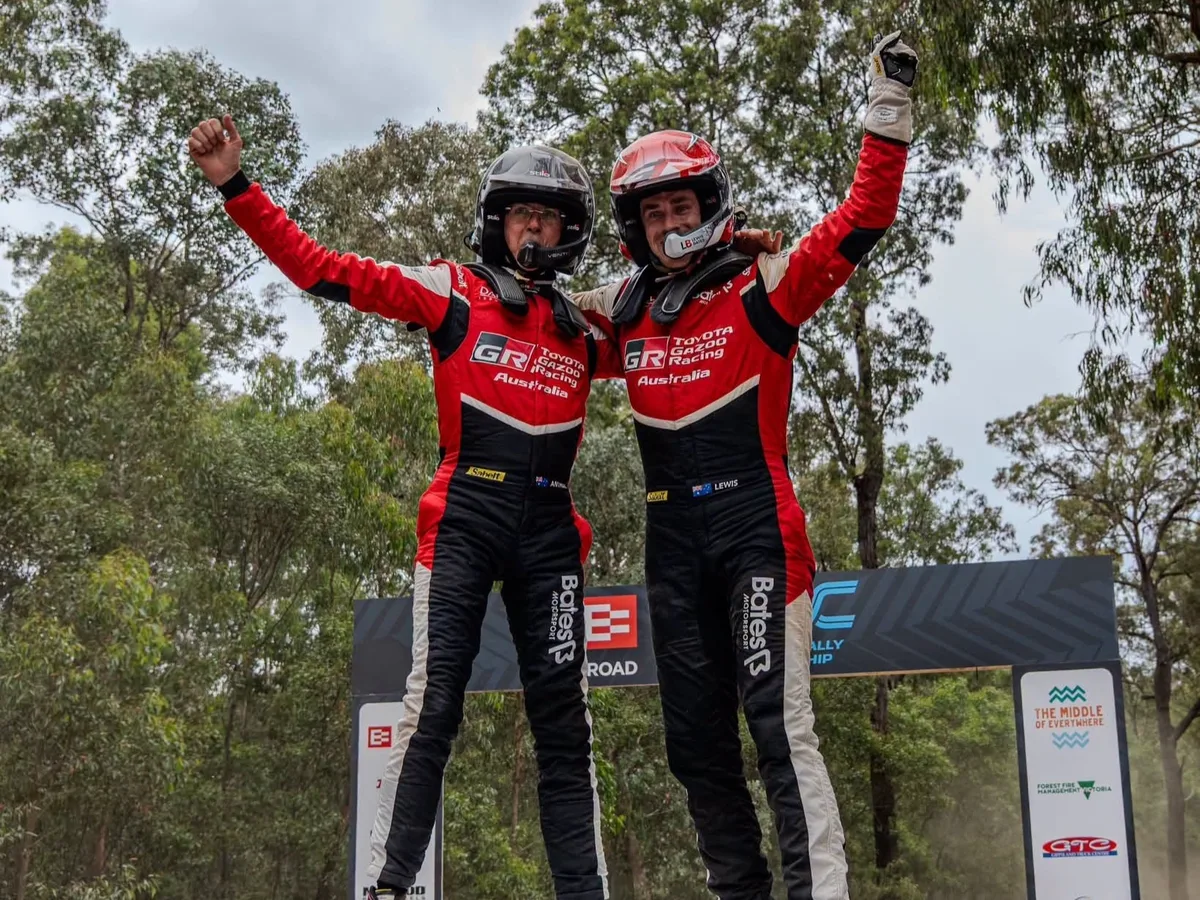
Lewis Bates dan Anthony McLoughlin raih gelar juara ARC. Simak ulasan lengkap keberhasilan mereka dan perpisahan emosional Coral Taylor di sini.
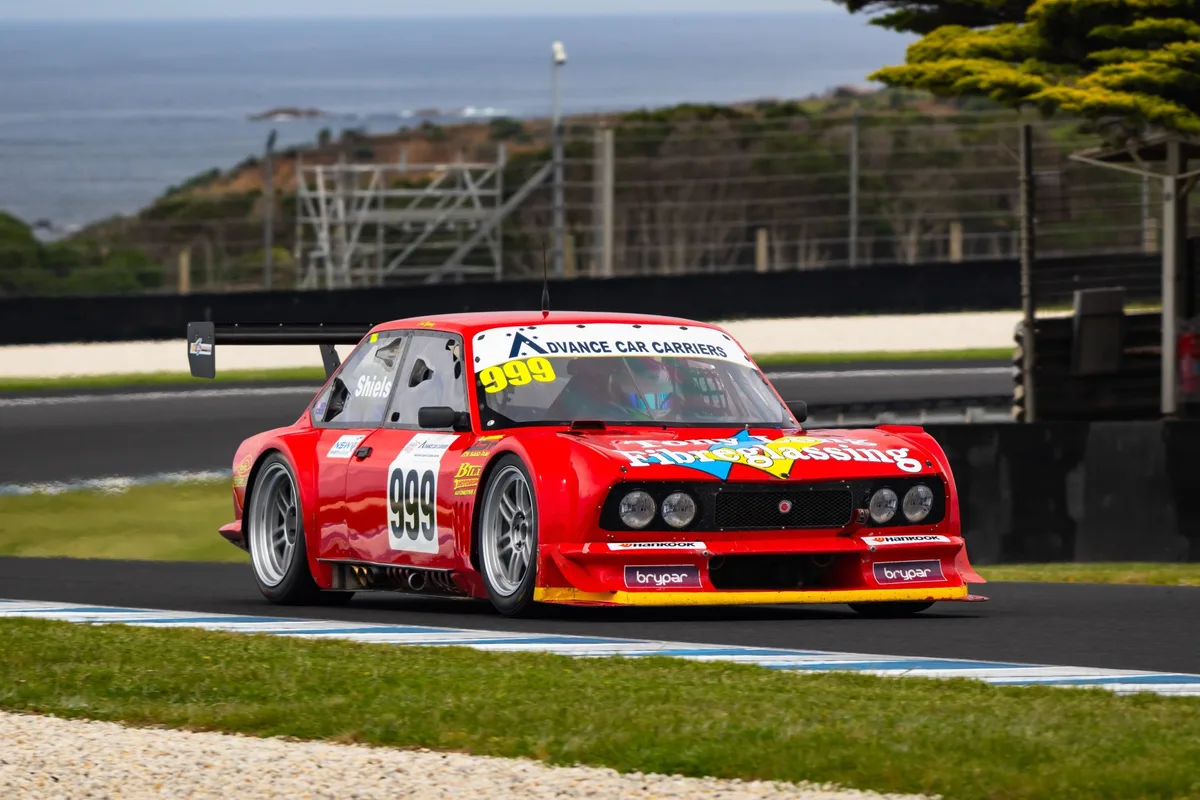
Shiels sukses mengunci gelar juara National Sports Sedans dan 50K Plate. Baca analisis mendalam pertempuran sengit di paddock selengkapnya di sini.
 Continue with Google
Discussion (0)
Join the Discussion!
Sign in easily to start commenting, replying, and interacting with other readers.
Latest Comments
No comments yet. Be the first!