






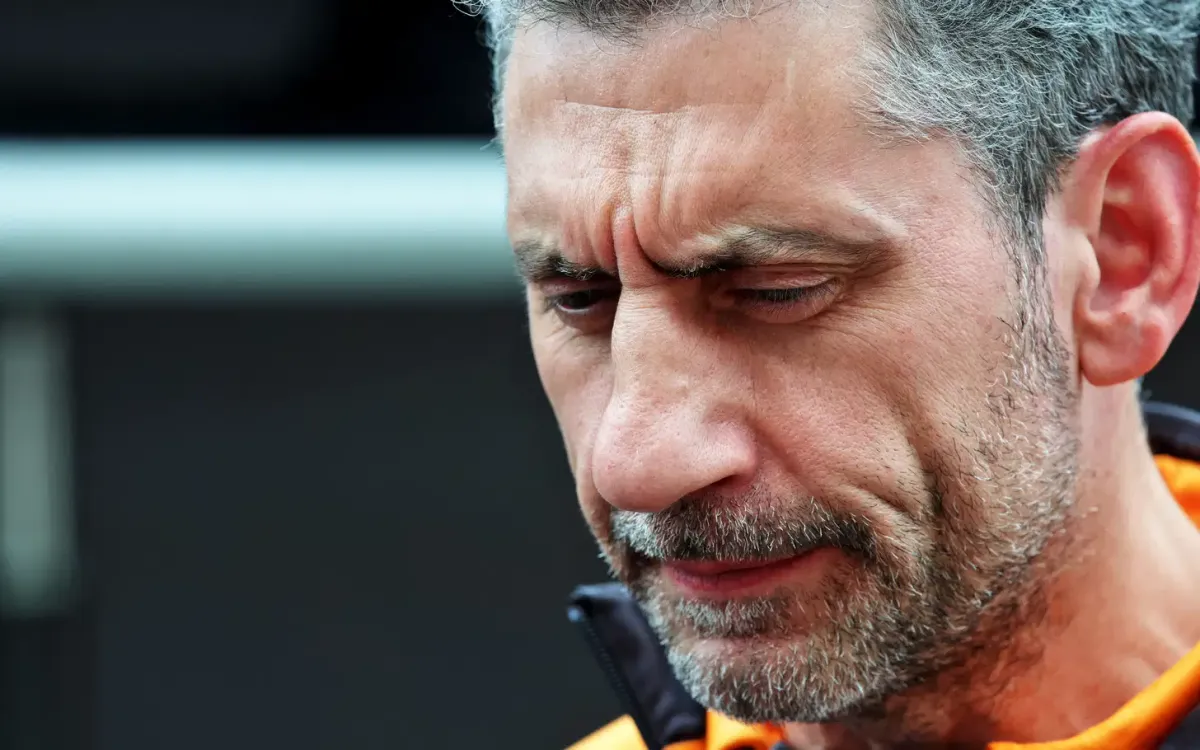

Andrea Stella has identified F1's April hiatus as a significant turning point in McLaren's 2026 season, despite describing the pause as a paradox in its eventual impact.
McLaren entered the five-week gap between the Japanese and Miami Grands Prix after a difficult start to the new regulations, with reliability problems and a lack of competitiveness compared to Mercedes leaving the reigning constructors' champions searching for answers.
The Bahrain and Saudi Arabian Grands Prix were postponed for April due to the security situation in the Middle East, creating an unusually long break between rounds three and four. Rather than pointing to a single upgrade or race as the catalyst for recovery, Stella believes the interruption provided valuable time to reassess the MCL40.
"There wasn't a single event that changed course; rather, it was a growing awareness of the scale of the challenge we're facing and the adjustments we needed to make," the Italian explained.
"Paradoxically, the enforced break in April probably allowed us to focus entirely on analysing the MCL40's performance and to fully understand that we needed to redirect or strengthen its development in certain areas of the car," he added.
McLaren had suffered a particularly troublesome start with Mercedes HPP's new-generation power unit, with both cars failing to start in China due to electrical problems. Further reliability issues affected Lando Norris and Oscar Piastri, while McLaren also found itself behind the Mercedes works team despite using the same power unit.
"Furthermore, over the past few months we've had the opportunity to deepen our understanding of the new power unit supplied by Mercedes HPP and to work with our technical partners to work out how best to utilise it," Stella said.
"It's been a long process, with its ups and downs, but one that's starting to bear fruit. That said, I expect that optimising the power unit will remain a complex issue throughout the 2026 season," he added.
The clearest evidence of McLaren's revised approach arrived at the Hungarian Grand Prix, where the team introduced a comprehensive aerodynamic package. The upgrades included a revised floor and further developments, designed to improve braking and cornering. Norris subsequently secured pole and converted it into his first victory of the season.
Stella added: "Returning to the car's performance, it is clear that the Budapest weekend was the highlight: not only because of the result, but above all because the aerodynamic package we introduced at the Hungaroring is the result of this change of direction in development and has enabled us to make significant progress in terms of competitiveness."
Read Also
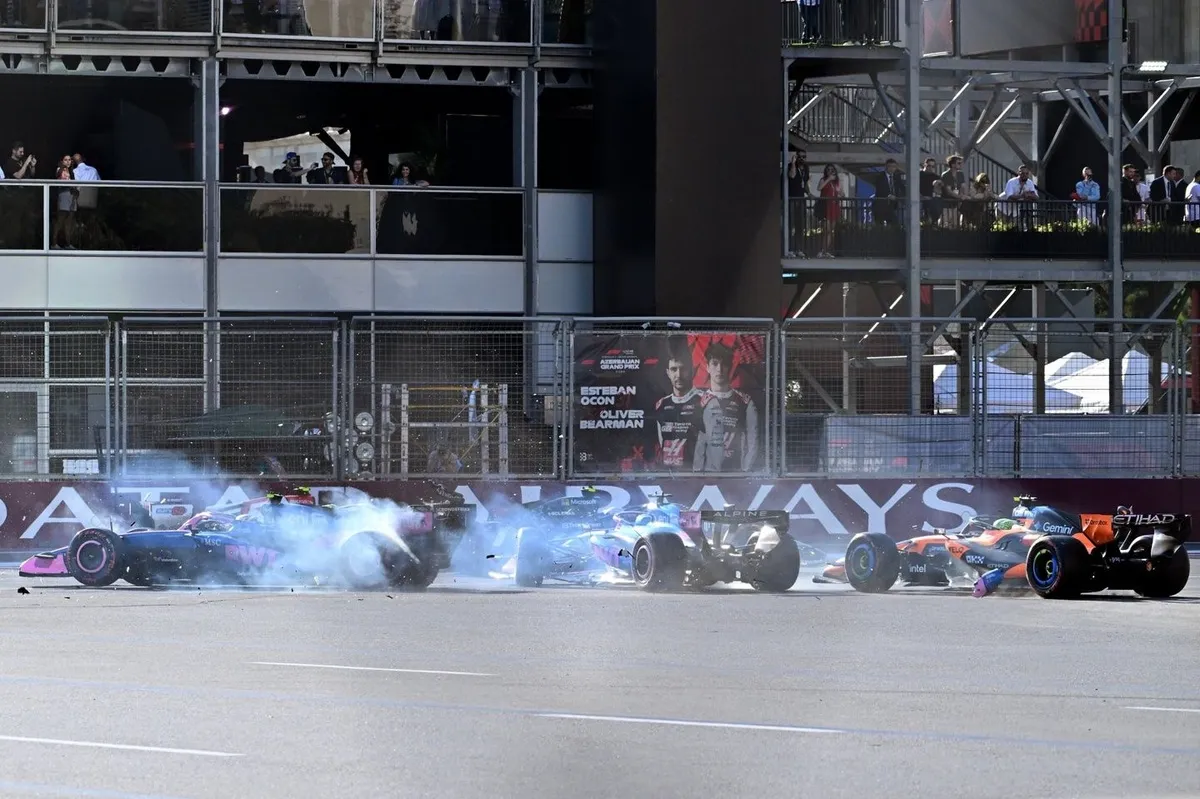
Lando Norris geram dengan Franco Colapinto usai crash di GP Azerbaijan. Norris tuntut ban satu balapan untuk Colapinto. Simak kronologi dan reaksinya.
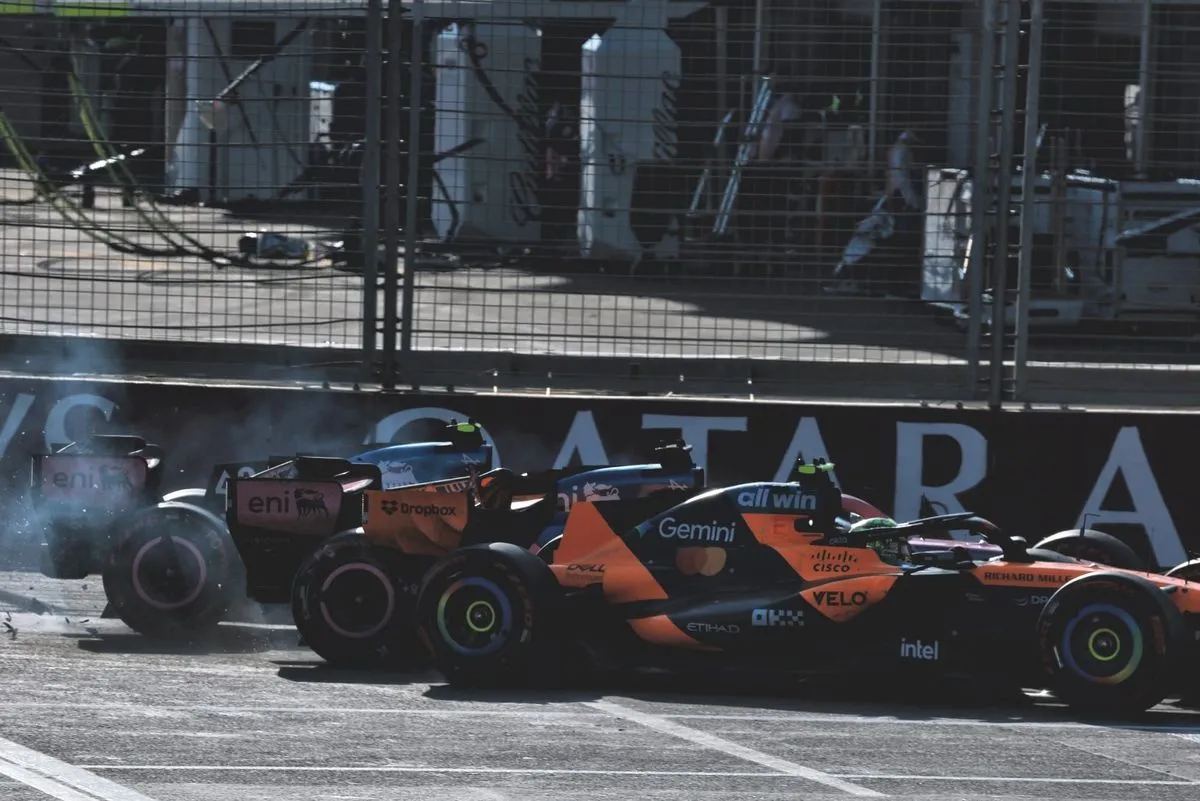
Lando Norris menyerukan larangan balap F1 untuk Franco Colapinto setelah insiden di Grand Prix Azerbaijan yang menyingkirkan keduanya dan Pierre Gasly. Baca selengkapnya.
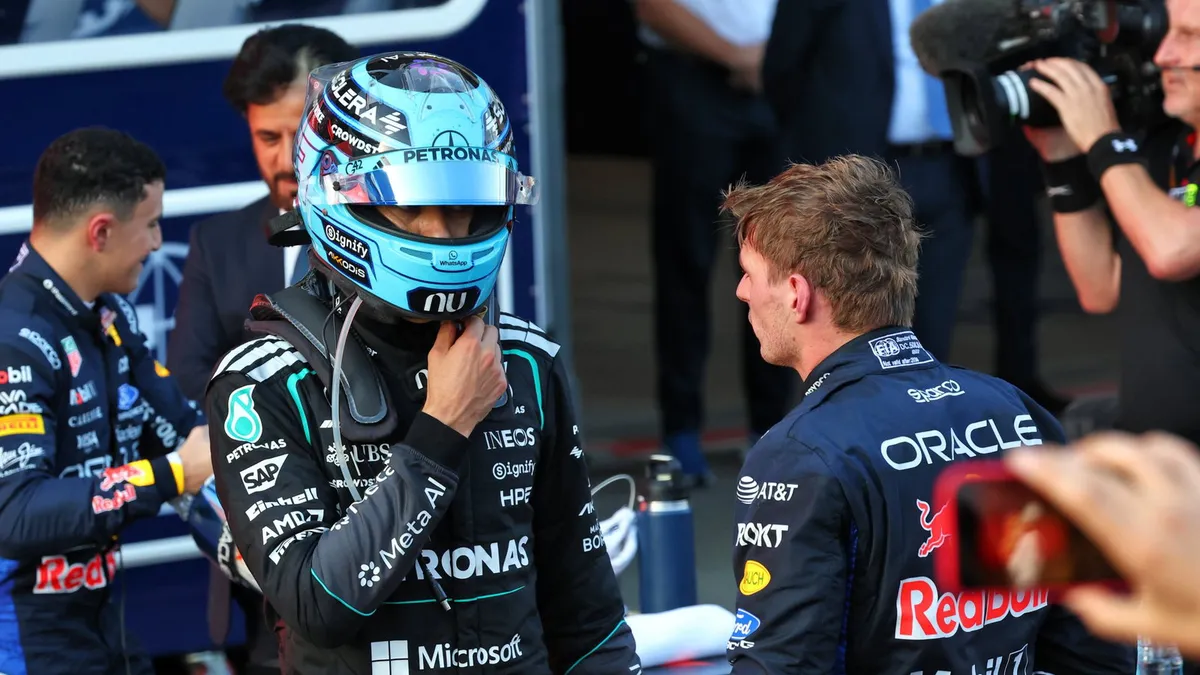
George Russell mengungkap masalah turbo yang nyaris menggagalkan kemenangannya di F1 Azerbaijan 2026. Duel sengit dengan Max Verstappen hingga finis.
 Continue with Google
Discussion (0)
Join the Discussion!
Sign in easily to start commenting, replying, and interacting with other readers.
Latest Comments
No comments yet. Be the first!