






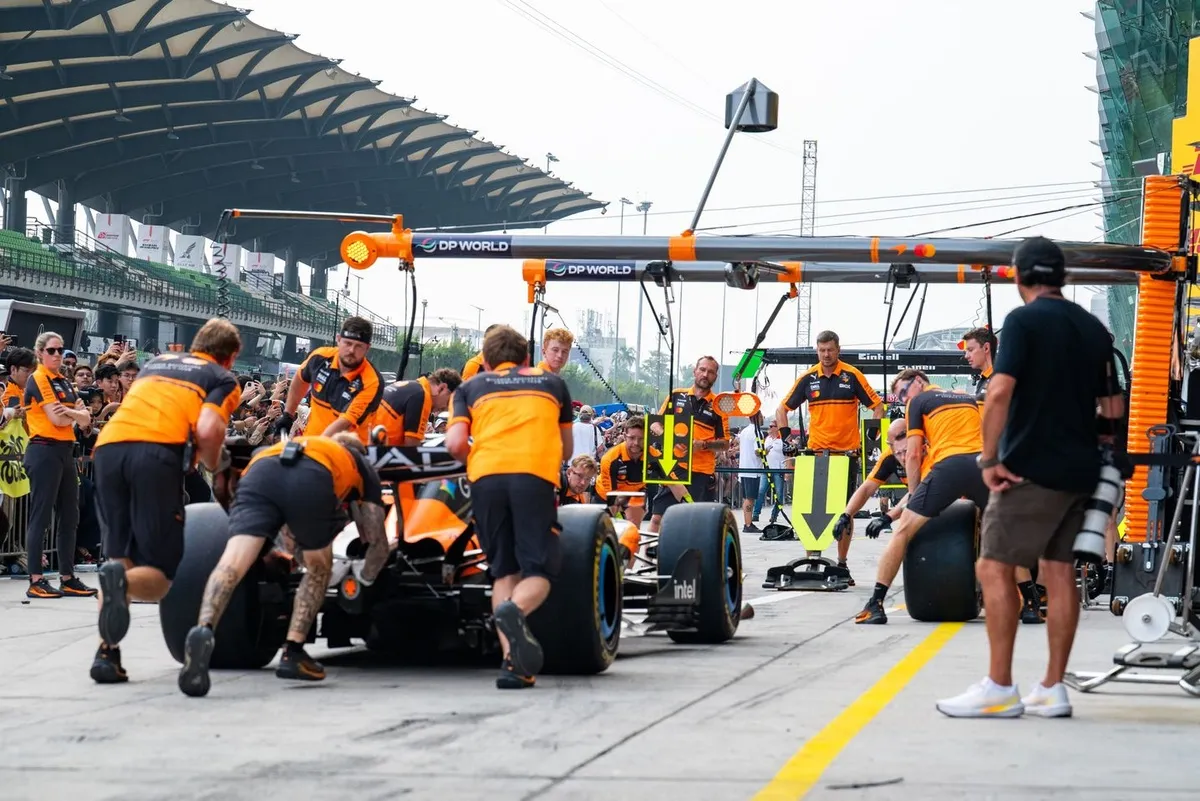

Malaysia is back on the Formula 1 calendar in 2026, but only for a one-off race. The Sepang circuit will host the Bahrain Grand Prix as a proxy. For some fans, this is nostalgia. For most drivers on the grid, it's a journey into the unknown—a track they've only read about.

Sepang holds a special place in F1 history. It symbolised the aggressive eastward expansion of grand prix racing under Bernie Ecclestone. Built with grand architecture and government funding, it set the template for many modern circuits. Hermann Tilke, the architect, believed that wide tracks with long straights and sharp corners would promote overtaking organically. But not everyone agrees. Critics call Tilke's designs bland and say they fail to deliver on the promise of overtaking.
Unfortunately, political winds change. In Malaysia, ticket prices were exorbitant—one ticket could cost an average person's monthly wage—leading to largely empty grandstands year after year. That wasn't the advertisement the country wanted. In 2017, after 18 years as a fixture, Malaysia terminated its hosting deal a season early. Now, in 2026, Sepang returns as a substitute. Will it be different this time?

One thing is certain: weather and track characteristics will be major factors. The hot and humid conditions, along with daily late-afternoon downpours, are familiar. But the 2026 F1 cars are completely different, so there are many unknowns. One thing that is understood: Sepang's track surface is highly abrasive. One driver likened it to sandpaper. The rough, open texture is designed for quick drainage, but its effect on tyres is significant.
Tyres generate grip through a process called hysteresis. Rubber is a viscoelastic material: when compressed, it doesn't immediately return to its original shape, and kinetic energy is lost as heat. The rougher the surface, the higher the tyre temperatures. Therefore, tyre degradation is expected to be higher at Sepang than at other tracks this season. This could be a blessing after the Azerbaijan Grand Prix, which was a nailed-on one-stop race. Pirelli has opted for harder compounds, but not the hardest, to anticipate this load.
Additionally, Sepang's layout, with a mix of fast and slow corners and two long straights, could bring back 'yo-yo racing'—where positions fluctuate due to strategy and tyre management. Teams must be smart about pit timing and weather prediction. Rain can change the race in an instant.
For Lewis Hamilton and other senior drivers, this is a chance to showcase experience. But for rookies, it's a tough test. They must quickly adapt to a track they've never raced on. Sepang will be a proving ground that F1 remains a sport demanding rapid adaptation.
With all the uncertainty, one thing is sure: Sepang's return will be one of the most anticipated races of 2026. Will it be a classic or a procession? We'll have to wait and see.
Read Also
Audi mengumumkan pembangunan kampus F1 baru di Hinwil, Swiss, yang dijadwalkan rampung 2030. Mattia Binotto menyebut fasilitas ini kunci menarik talenta terbaik.
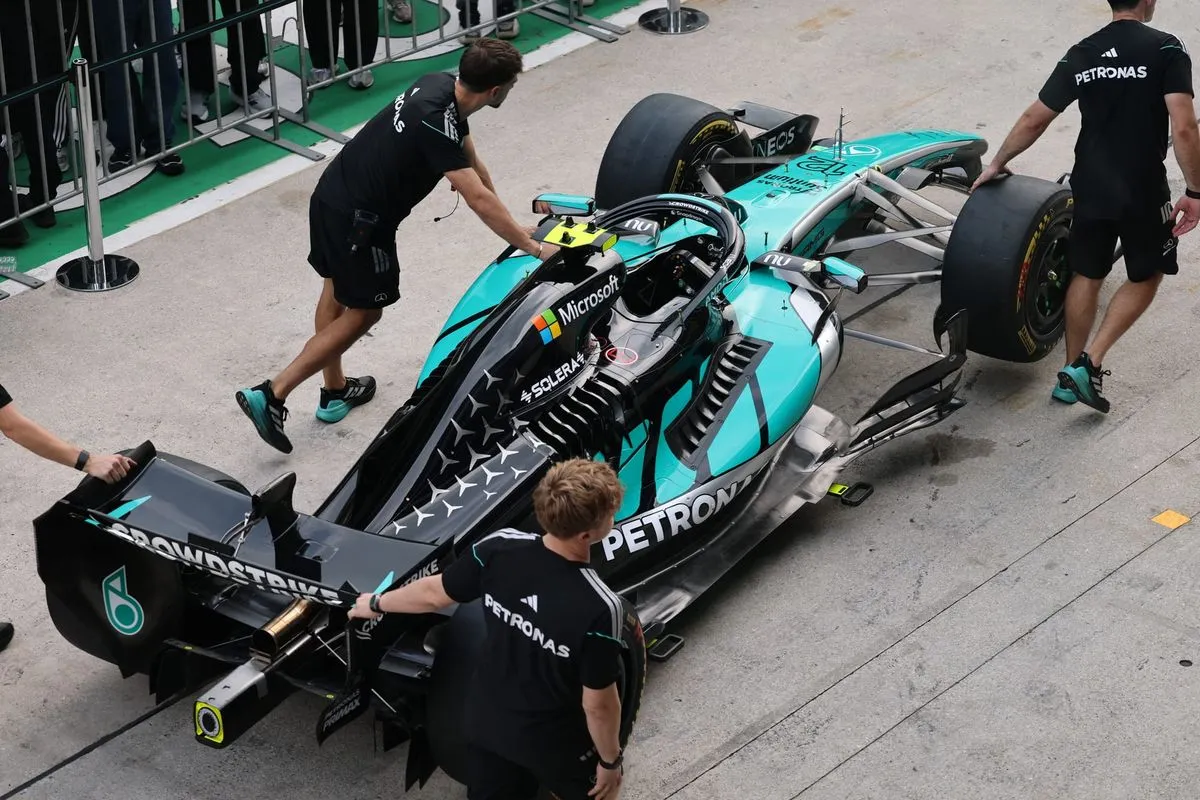
Mercedes perkenalkan upgrade besar di F1 Malaysia, klaim tambahan 0,3 detik per lap. Simak detail teknis dan dampaknya bagi persaingan juara.

Lando Norris minta maaf ke Franco Colapinto usai insiden Azerbaijan F1 dan menyesalkan pelecehan online yang ia terima. Simak berita lengkapnya.
 Continue with Google
Discussion (0)
Join the Discussion!
Sign in easily to start commenting, replying, and interacting with other readers.
Latest Comments
No comments yet. Be the first!