








Honda technical director Romano Albesiano believes that aerodynamics will play an even more critical role in MotoGP under upcoming technical regulations, despite rulemakers' explicit intentions to curb its overall influence on track performance.
As part of a comprehensive industry push to enhance grand prix racing safety, sustainability, and on-track spectacle, MotoGP is overhauling its technical rulebook. The sweeping changes encompass everything from chassis architecture and engine development to advanced aerodynamics and tyre supply specifications.
One of the primary objectives of the updated ruleset is to reduce reliance on aerodynamic downforce through a series of strict limitations governing the use and physical dimensions of winglets. This regulatory shift aims to reverse a design trend pioneered by Ducati in the mid-2010s, which has frequently been blamed for making close-quarters racing and overtaking significantly more difficult.
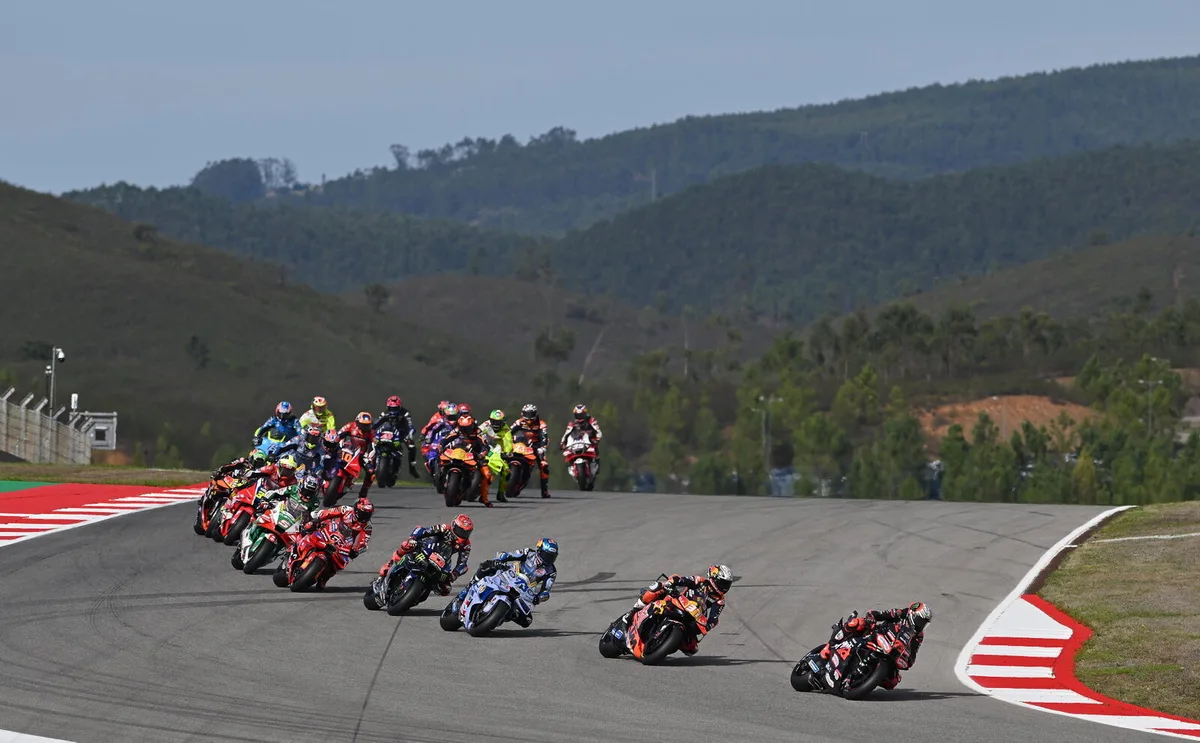
While Albesiano expects the new rules to successfully curtail prominent aerodynamic attachments like front winglets, he remains convinced that engineering departments will continuously discover innovative methods to generate downforce, utilizing virtually every external surface to manipulate airflow.
Regulations have changed, aiming to reduce aero, especially the wings. There will likely be less downforce generated from the wings, but as of today, engineers are playing with the airflow around all areas of the motorcycles, Albesiano told Motorsport.com.
Wings certainly capture public attention, but engineers are actively managing air pressure across every single part of the machine. Therefore, aerodynamics will become even more important in the future, he added.
Under the upcoming technical framework, the maximum allowable width of the front fairing will be reduced from 600mm to 550mm, alongside significant reductions in overall height. Furthermore, the foremost point of the front fairing will be shifted backward by 50mm to reshape the aerodynamic profile.
These dimensional modifications will noticeably alter the visual appearance of grand prix motorcycles, yet they are not expected to shift the fundamental philosophy governing aerodynamic development within the premier class.
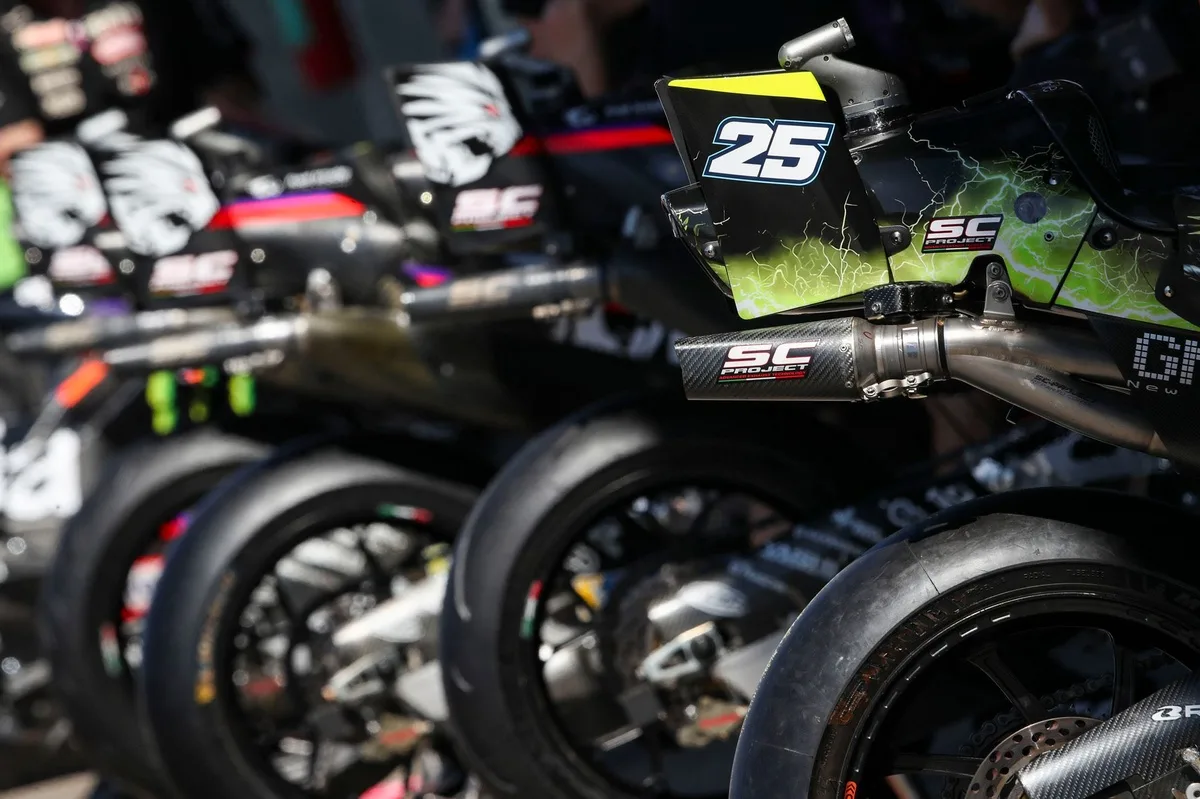
The bodywork, particularly the lower sections and the rear assembly, requires careful attention. Almost all visible components of the motorcycle must now be designed by balancing mechanical requirements with aerodynamic demands across every single part.
For instance, the swingarm has evolved into a dedicated aerodynamic device. Similarly, exhaust systems can no longer be engineered purely for engine performance without simultaneously integrating into the broader aerodynamic layout of the motorcycle.
Read Also

Simak aktivitas Fabio Quartararo saat absen dari MotoGP Qatar dan persiapannya jelang tes Valencia bersama Honda. Baca analisis lengkapnya di sini.
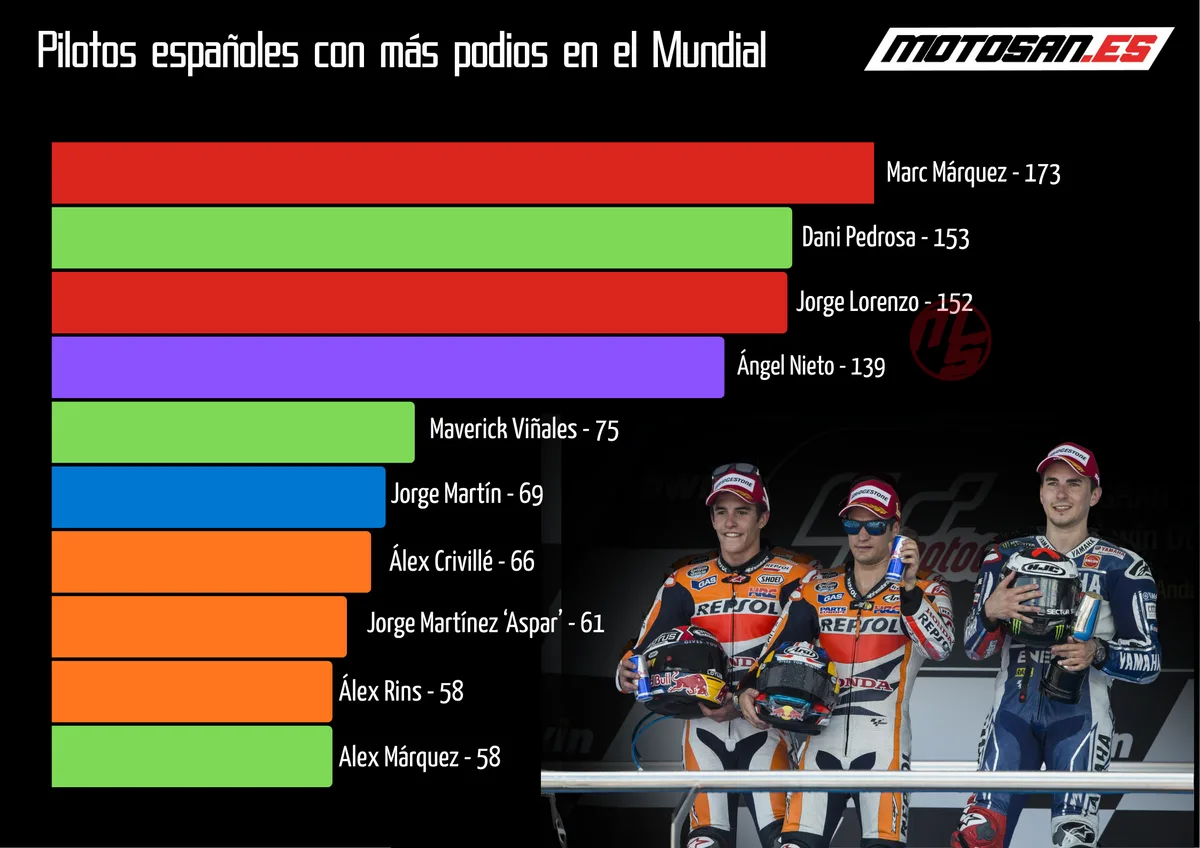
Marc Marquez semakin kokoh di puncak rekor podium terbanyak Spanyol, mengungguli Dani Pedrosa dan Jorge Lorenzo. Baca analisis lengkapnya di sini.

Yamaha dijatuhi denda finansial besar akibat absen di Qatar. Simak analisis lengkap dan rincian keputusan FIM di sini.
 Continue with Google
Discussion (0)
Join the Discussion!
Sign in easily to start commenting, replying, and interacting with other readers.
Latest Comments
No comments yet. Be the first!