






-
Nissan Accelerates Level 2 Autonomous Mobility Program in Kobe
19:32, 14 Oct 2026 WIB -
Jorge Martin Confident Ahead of 2026 MotoGP Title Run-In: Struggles Are Behind Me
19:30, 14 Oct 2026 WIB -
Lewis Hamilton Demands Marina Bay Circuit Changes After Singapore GP 2026
18:40, 14 Oct 2026 WIB -
How to Watch Max Verstappen Race Valentino Rossi in GT World Challenge 2026
18:30, 14 Oct 2026 WIB -
How F1 Experiences Revolutionized Trackside Hospitality and Fan Engagement
18:22, 14 Oct 2026 WIB
 Jepang
 Yamaha
Personal Info
Phillip Island
Season Performance
BIOGRAPHY
Yamaha Motor Company is one of the most influential manufacturers in the history of international motorsport. Based in Japan, Yamaha holds a long-standing legacy across multiple racing disciplines including MotoGP, WorldSBK, motocross, endurance racing, and high-performance vehicle development.
At Grand Prix level, Yamaha became recognised as one of the defining forces of the modern MotoGP era through the development of the YZR-M1 prototype and its success alongside several legendary riders. The manufacturer’s engineering philosophy, focused on chassis balance, smooth power delivery, and mechanical efficiency, established Yamaha as one of the most iconic technical identities in motorcycle racing.
Personal Information
| Information | Detail |
|---|---|
| Full Name | Yamaha Motor Company |
| Founded | July 1, 1955 |
| Headquarters | Iwata, Shizuoka, Japan |
| Founder | Genichi Kawakami |
| Industry | Automotive and Motorsport |
| Racing Categories | MotoGP, WorldSBK, Endurance, Motocross |
| Iconic Motorcycle | Yamaha YZR-M1 |
| Factory Team | Monster Energy Yamaha MotoGP |
| Satellite Team | Prima Pramac Yamaha |
Early Life
Yamaha Motor Company emerged as a spin-off from Yamaha Corporation, originally known for musical instruments and industrial products. Under the leadership of Genichi Kawakami, the company began developing motorcycles with a strong emphasis on engineering quality, performance, and technological innovation.
Yamaha’s first motorcycle, the YA-1, immediately achieved competitive success in domestic Japanese racing. That early achievement established the company philosophy that motorsport should remain a core element of production vehicle development.
Early Career
Yamaha expanded into the Grand Prix World Championship during the 1960s and quickly became one of the leading forces in the 125cc, 250cc, and 500cc categories.
The company’s engineering approach, centred around chassis balance and controllability, differentiated Yamaha from many European rivals of the era. That philosophy eventually evolved into one of the manufacturer’s defining competitive characteristics.
In the modern era, Yamaha became one of the central manufacturers shaping the development of MotoGP, particularly during the transition from two-stroke machinery to four-stroke prototype racing.
Career Journey
Yamaha’s motorsport journey spans multiple eras of dominance and technical transformation. In Grand Prix racing, the manufacturer achieved major success with legendary riders including Valentino Rossi, Jorge Lorenzo, and Fabio Quartararo.
The YZR-M1 became one of the most successful motorcycles in modern MotoGP history, recognised for its strong corner speed, chassis stability, and precise handling characteristics across varying circuit conditions.
Beyond Grand Prix competition, Yamaha has also remained active in WorldSBK, the Suzuka 8 Hours, international motocross, rally raid competition, and junior rider development programmes.
In recent seasons, Yamaha faced significant challenges against the aerodynamic and engine performance gains of several European manufacturers. However, the Japanese manufacturer continues restructuring its technical operations and investing heavily in future competitiveness.
Achievements and Accomplishments
Yamaha is widely regarded as one of the most successful manufacturers in the history of international motorcycle racing.
Major achievements include:
- Multiple premier-class World Championships
- Dozens of Grand Prix victories and pole positions
- World titles with Valentino Rossi, Jorge Lorenzo, and Fabio Quartararo
- Endurance racing success in Japan and internationally
- Major achievements in WorldSBK and motocross
- Influential chassis and handling technology development
Racing Style / Philosophy / Characteristics
Yamaha is recognised for an engineering philosophy centred around motorcycle balance, cornering stability, and precise handling characteristics. Compared with rivals prioritising maximum engine output, Yamaha historically focused more heavily on corner speed and consistent chassis performance.
That identity made Yamaha machinery especially competitive at technical circuits demanding rapid direction changes and strong stability.
In modern development, Yamaha has increasingly expanded its focus toward aerodynamics, acceleration, and electronic integration to adapt to the evolving technical demands of contemporary MotoGP competition.
Life Outside Racing
Outside motorsport, Yamaha is one of Japan’s largest automotive and technology companies with a global business presence. Yamaha products include motorcycles, marine engines, recreational vehicles, electric mobility solutions, and industrial technologies.
The company also maintains strong involvement in technical education programmes, young rider development initiatives, and international motorsport promotion activities across Asia, Europe, and the Americas.
Yamaha’s historic relationship with the music industry also contributes to a unique global identity compared with many automotive manufacturers.
Legacy and Future
Yamaha’s legacy in international motorsport positions the company among the most iconic names in motorcycle racing history. The combination of engineering innovation, motorcycle control philosophy, and long-term competitive success continues to make Yamaha a major benchmark in high-performance motorcycle development.
Entering a new era of MotoGP, Yamaha remains focused on strengthening its technical structure, improving aerodynamic competitiveness, and developing the next generation of riders and engineers to compete in an increasingly advanced global racing environment.
LATEST NEWS
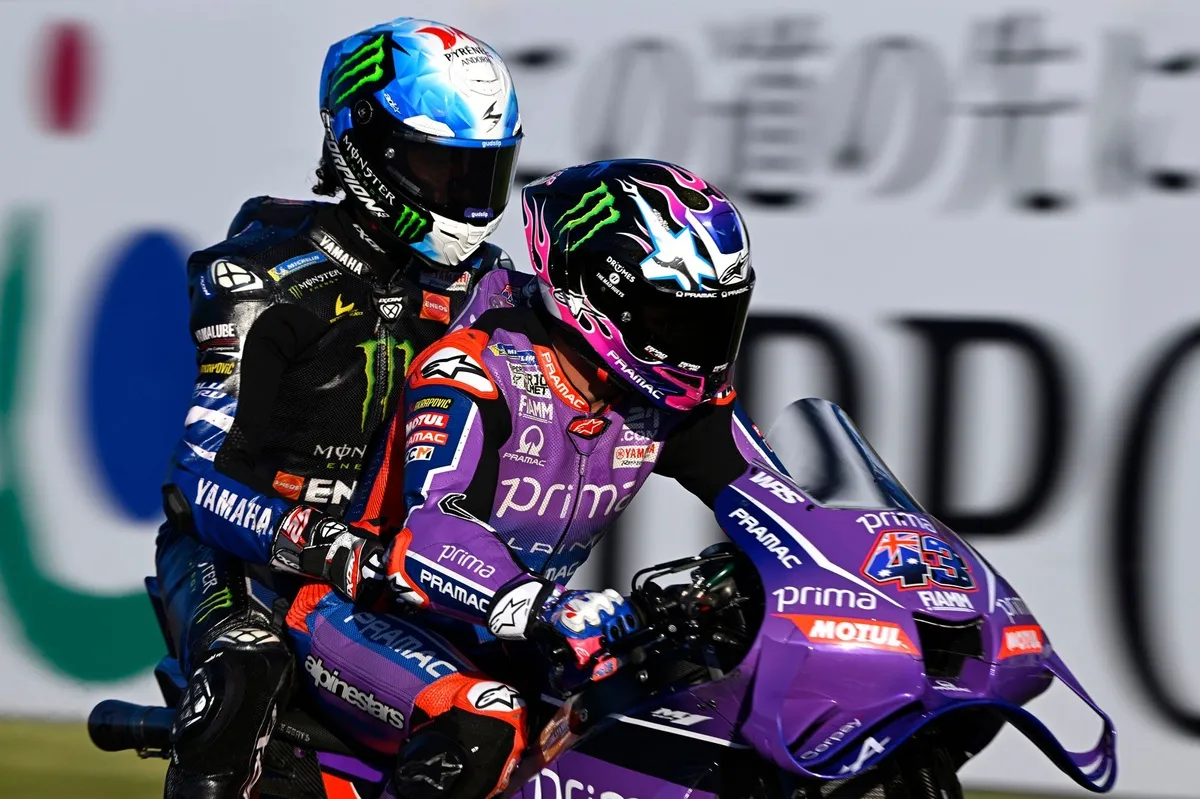
Rins Jokes 'I Sh*t My Pants' on Miller's Motegi Taxi Ride
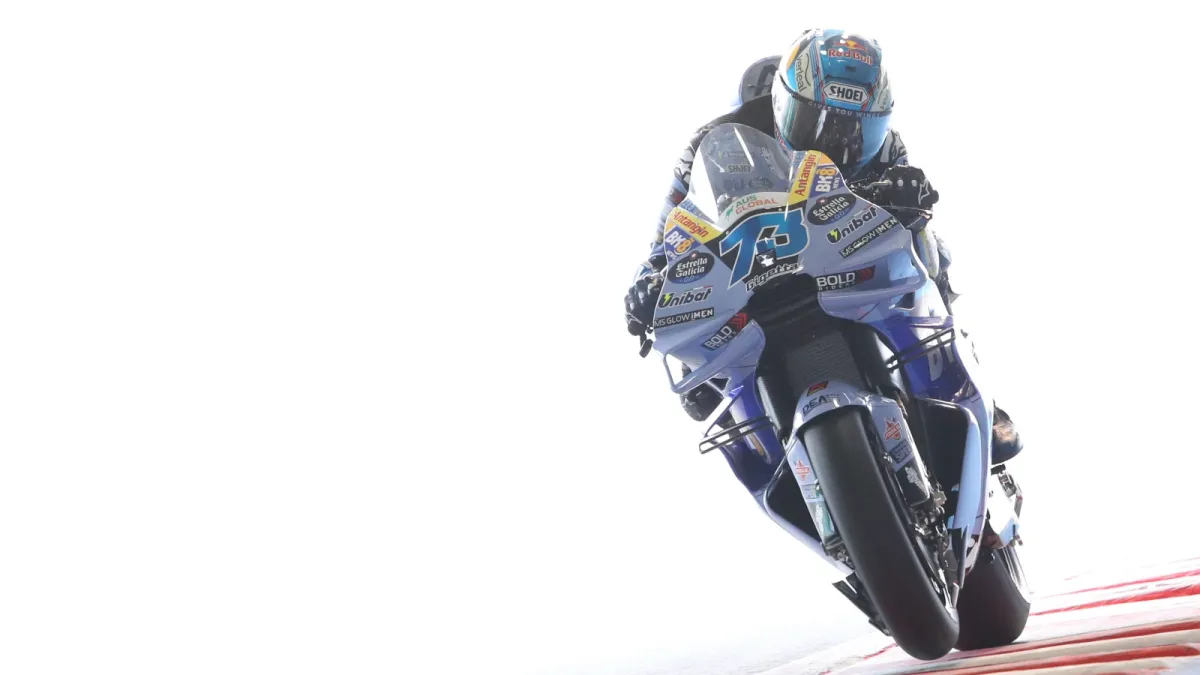
Alex Marquez Breaks Motegi Lap Record in Japanese MotoGP Practice
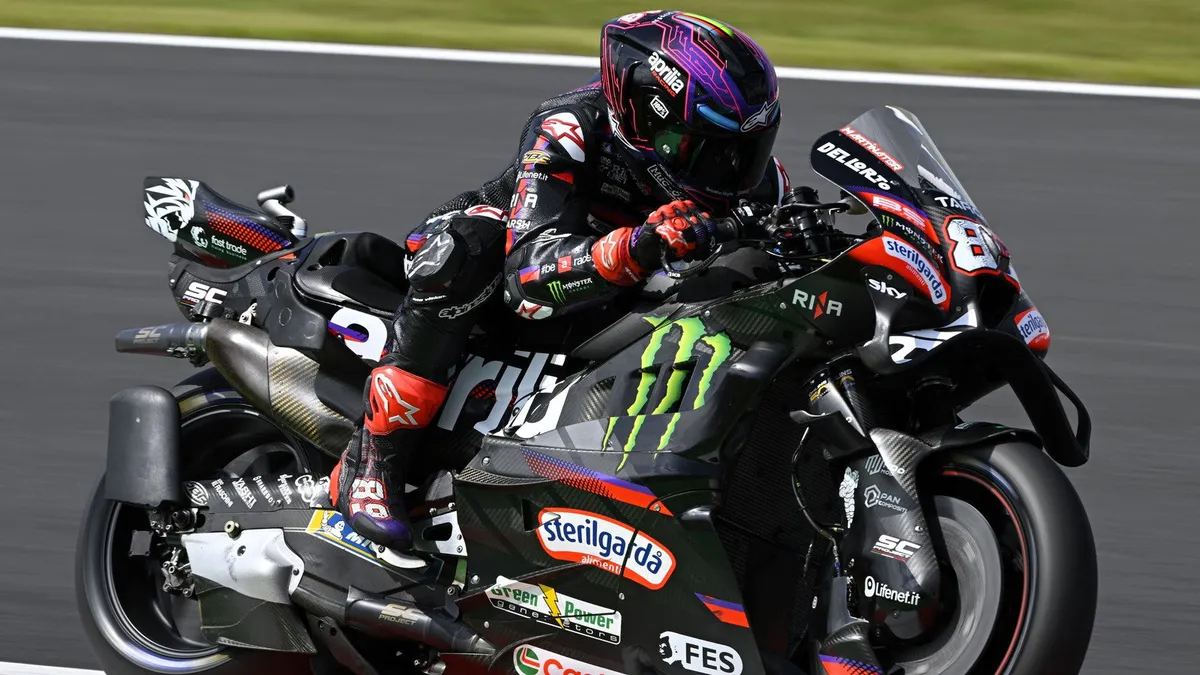
Alex Marquez Secures Q2, Bagnaia Forced into Q1 at Motegi
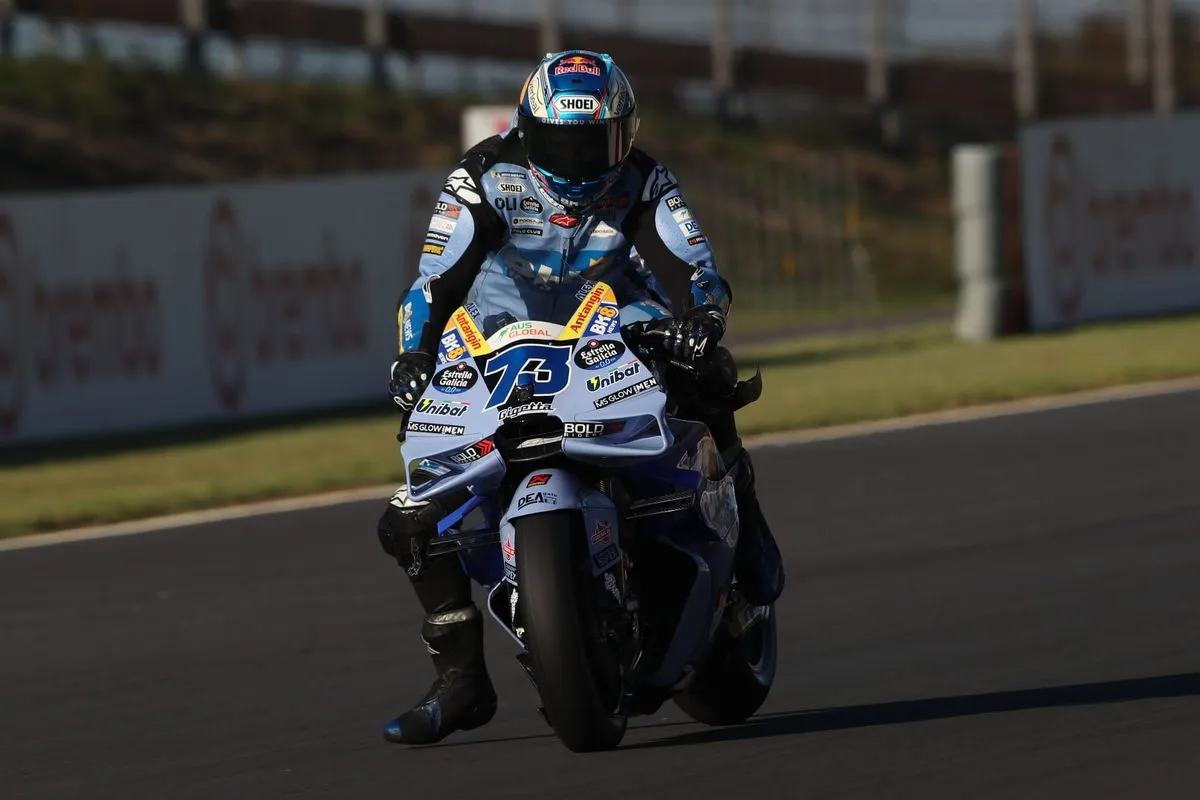
Alex Marquez Tops Motegi FP2 as Title Rivals Secure Q2 Spots
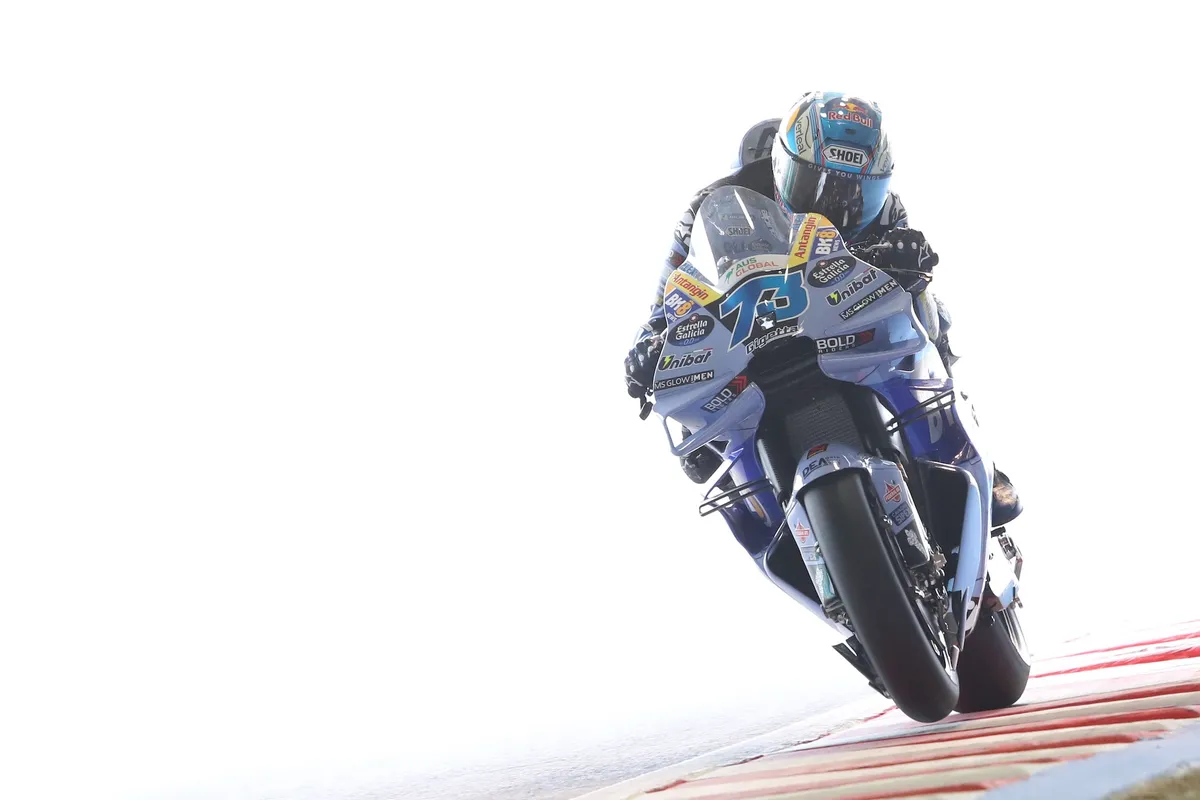
Alex Marquez Fastest in Motegi Practice, Bagnaia to Q1
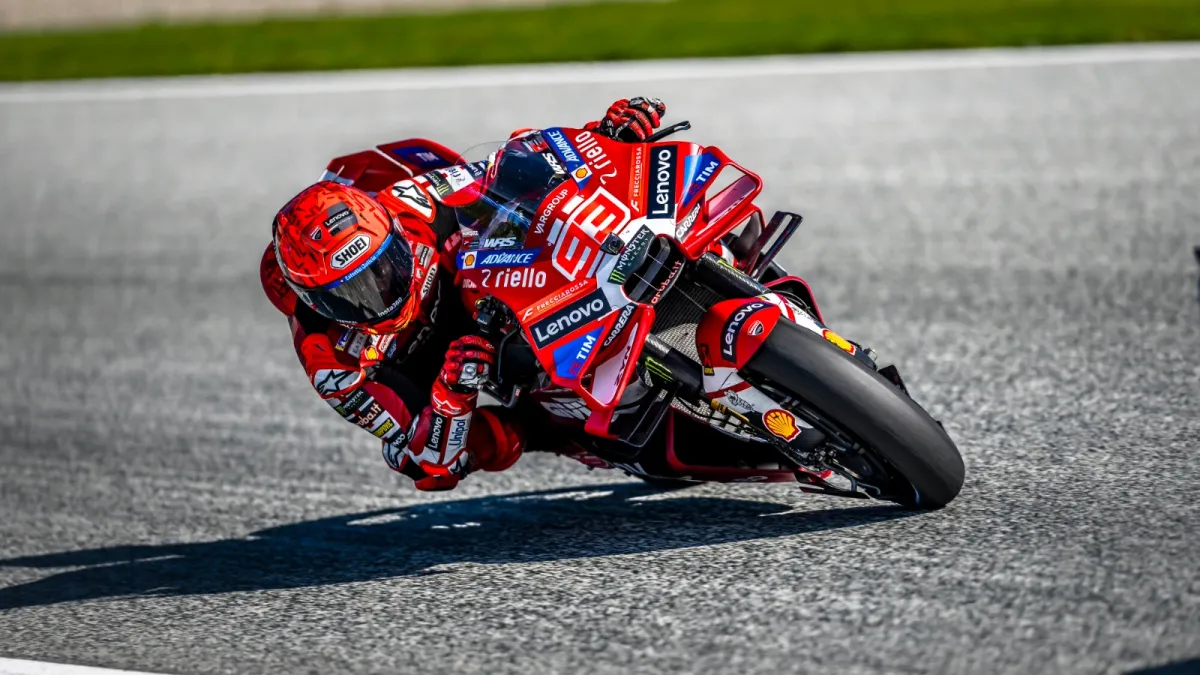
 Continue with Google