







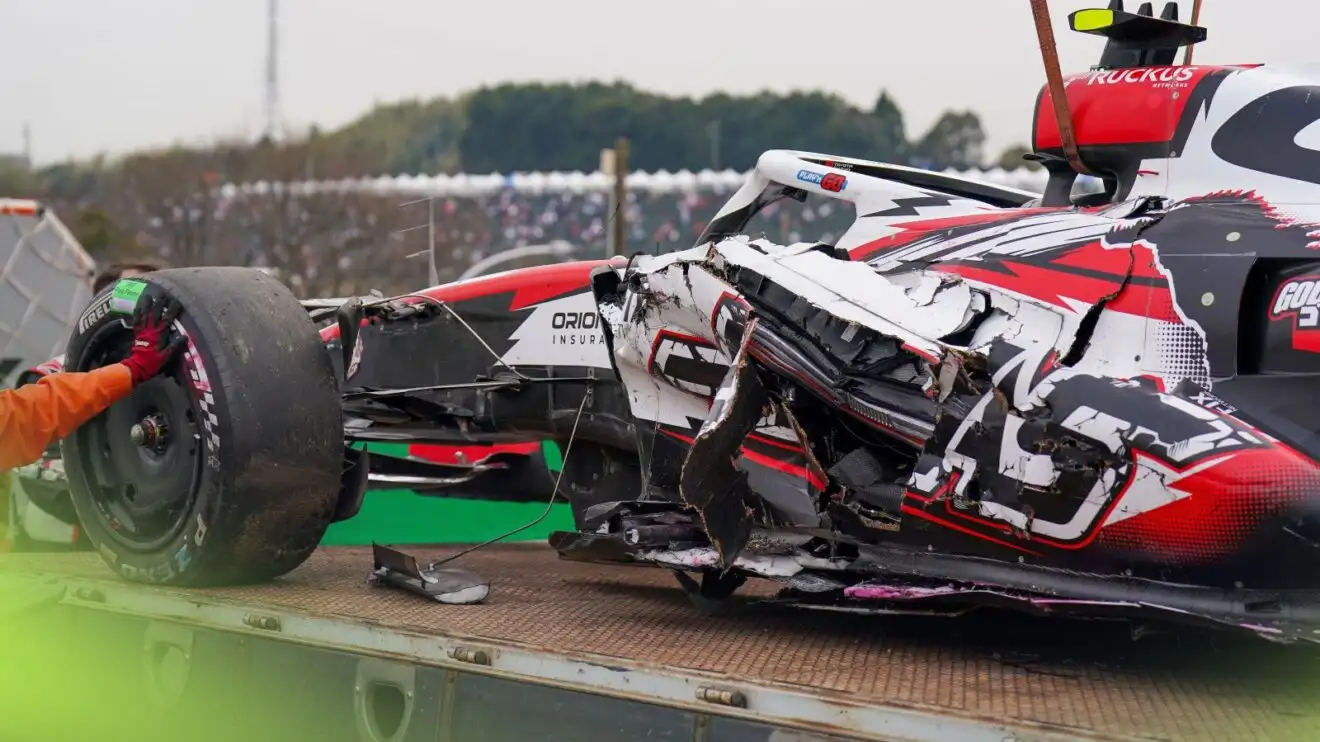

Formula 1, Sportrik Media - Oliver Bearman of Haas F1 Team is expected to be fully fit for the Miami Grand Prix following a major 50G crash at Suzuka 2026, with the team confirming no serious injuries after the high-speed incident at Spoon Curve.
The crash occurred while Bearman was battling Franco Colapinto of Alpine, where a significant closing speed differential became the defining factor. Data indicates Bearman was travelling at approximately 308 km/h, around 50 km/h faster than Colapinto, who maintained a consistent pace relative to the previous lap. This disparity reflects the complex performance characteristics of the 2026 Formula 1 cars, particularly during energy harvesting phases and straight-line deployment modes.
Caught off guard by the speed difference, Bearman attempted evasive action to the left but was forced onto the grass, where he lost control of his Haas VF-26. The car then crossed the track before making a lateral impact with the barrier, registering a force of 50G. Despite the severity of the crash, the structural integrity of the chassis and safety systems once again proved effective in protecting the driver.
Bearman managed to exit the car but required assistance from marshals as he struggled to put weight on his right leg. He was transported to the medical centre for further evaluation, with examinations confirming only a bruised knee and no fractures. This outcome ensures no long-term physical limitation ahead of the next race.
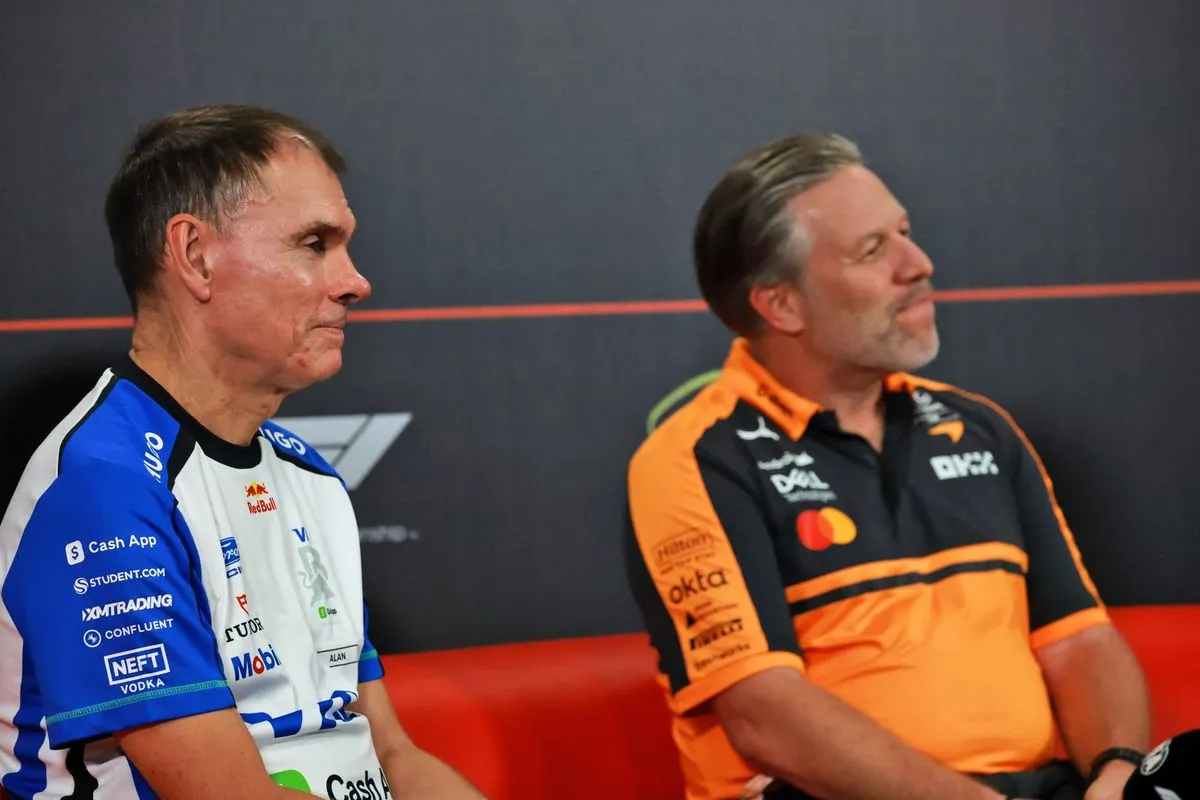
“I’m really grateful that he came away with nothing too serious. He’s just got a bruised knee, nothing’s broken,” said Ayao Komatsu to Sky Sports.
“He should be back fully ready for Miami.”
The FIA later acknowledged that increased closing speeds under the 2026 regulations were a contributing factor to the incident. Drivers had already raised concerns during the Suzuka weekend regarding the speed delta between cars running full power and those harvesting battery energy, particularly at the end of long straights.
This has triggered internal discussions about potential regulatory adjustments, especially concerning energy deployment strategies and straight-line speed variance. However, Komatsu emphasized that any response must be carefully evaluated to avoid unintended technical consequences.
“We’re looking at it from all dimensions. We cannot make knee-jerk changes and then realise later it was the wrong decision,” he added.
With a gap in the calendar before Miami, Haas now has sufficient time to ensure Bearman’s full recovery while also analysing the incident in depth. The case has become a reference point for teams and regulators in understanding the evolving dynamics of F1 2026.
Looking ahead, Bearman’s return in Miami will serve as both a fitness benchmark and a broader indicator of how effectively the sport adapts to emerging technical challenges, as the championship moves into its next critical phase.
Read Also
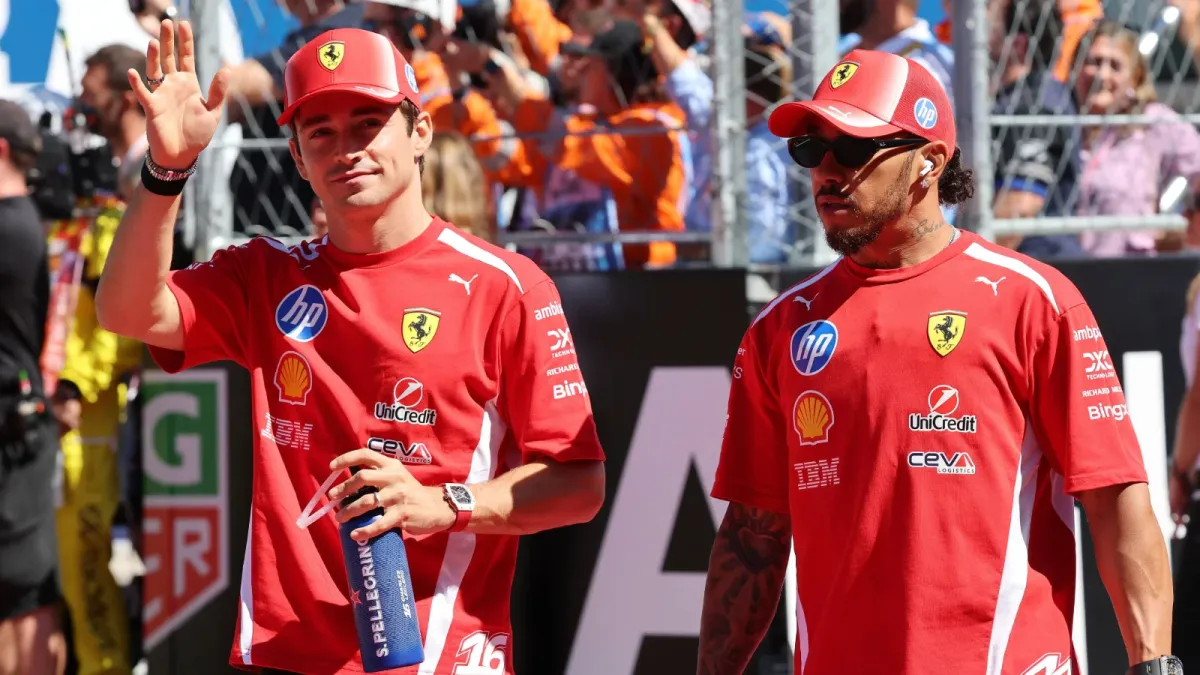
Ferrari keluarkan permintaan maaf lucu setelah Charles Leclerc dan Lewis Hamilton membajak akun media sosial resmi tim jelang F1 GP Singapura.
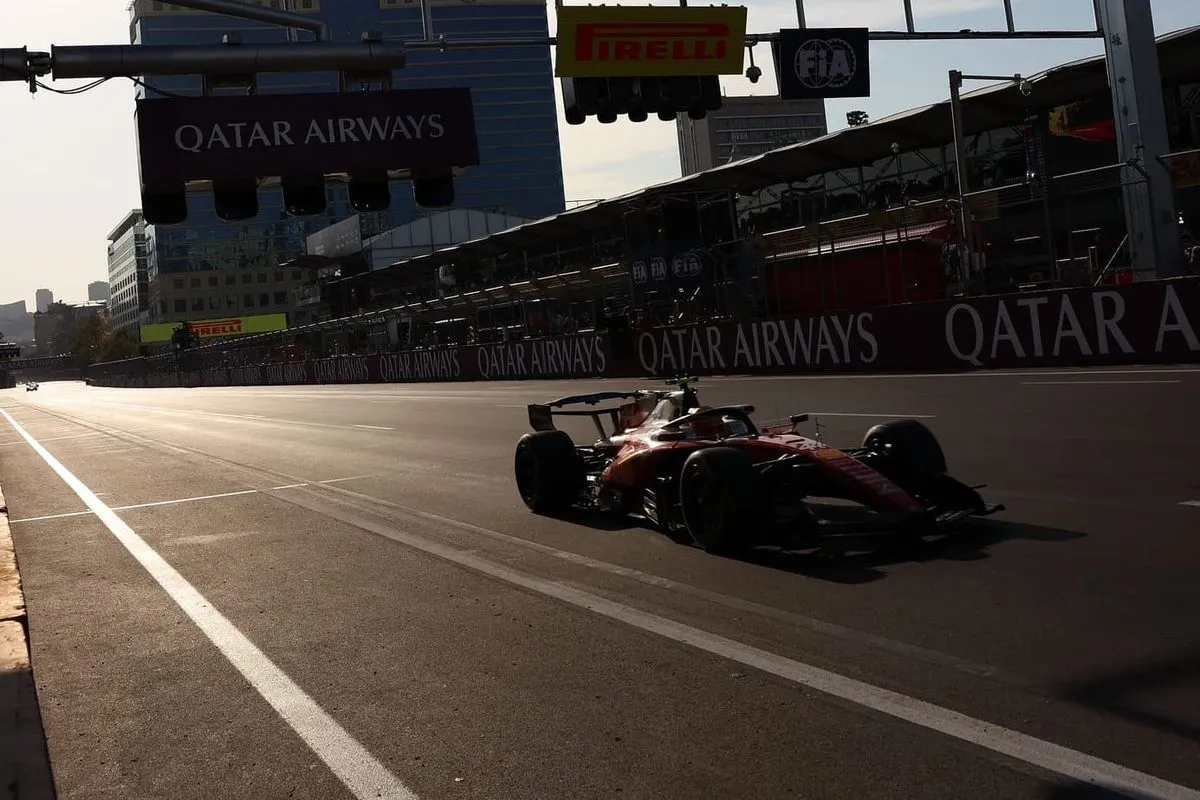
FIA memperketat aturan teknis Formula 1 2027 dengan memangkas batas waktu transisi sayap Macarena sebesar 25 persen guna mencegah desain sayap ekstrem.
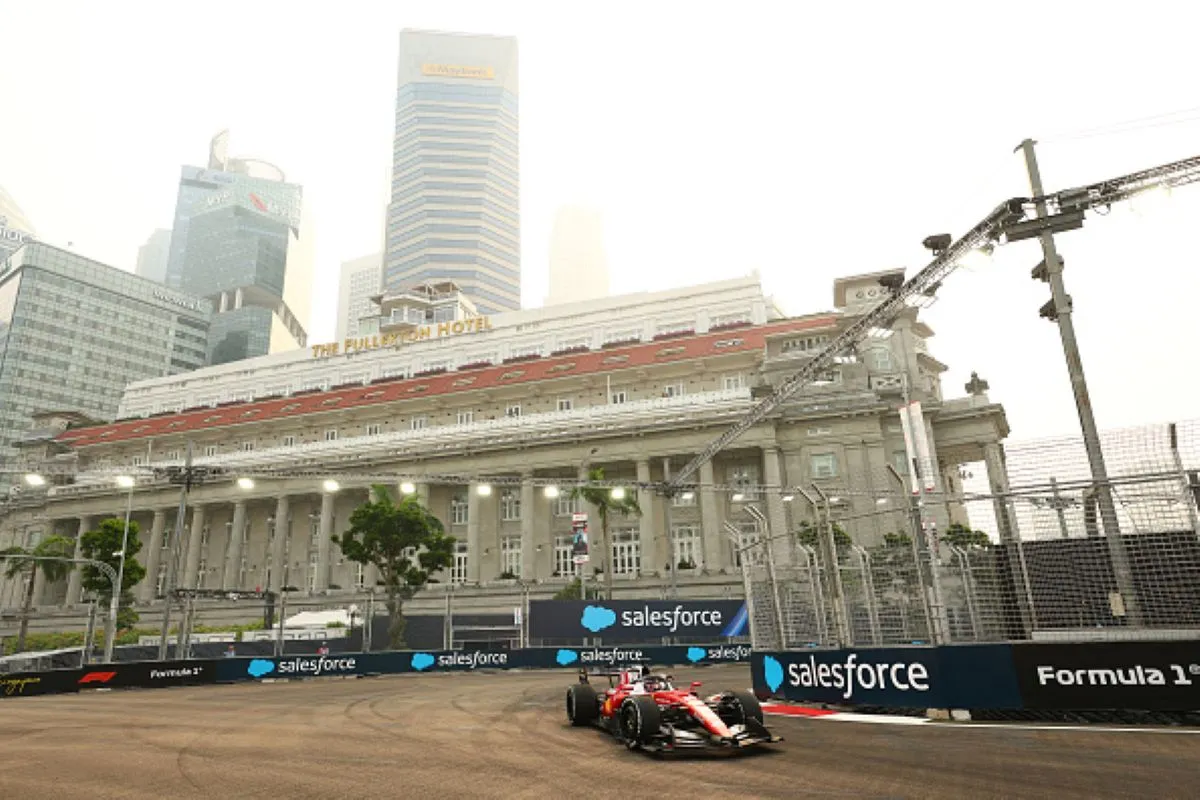
Kualifikasi sprint F1 GP Singapura 2026 di Marina Bay dimulai dalam ketegangan tinggi setelah latihan bebas sengit dipimpin George Russell.
 Continue with Google
Discussion (0)
Join the Discussion!
Sign in easily to start commenting, replying, and interacting with other readers.
Latest Comments
No comments yet. Be the first!