









The road racing world is in turmoil once again after Isle of Man TT living legend Nick Crowe launched a scathing attack on the policies issued by the organizers of the world's most dangerous race. As a former dominant winner in the sidecar class during the 2000s, Crowe's voice carries immense weight within the paddock. This time, he openly criticized the newly released technical regulations, arguing that the rules threaten the future of the three-wheeled class rather than saving it.
This tension flared up when organizers released fresh technical guidelines slated for implementation in the near future. The policy faced immediate backlash for allegedly ignoring thousands of submissions and feedbacks from competitors and the general public alike. According to Crowe, the review process touted as a sustainability initiative was chaotic and unilaterally forced upon teams without considering the real-world conditions faced by competitors on the ground.
In his sharp commentary, the veteran whose career was abruptly cut short by a high-speed crash back in 2009 highlighted the contradictory nature of the authorities' actions. He stated that the newly published regulations aim to destroy the sidecar class entirely. Meanwhile, the Crowe family's legacy in the event remains strong, with his sons—including Ryan Crowe—having previously secured remarkable victories prior to a heavy accident that prompted a thorough technical rule overhaul.

Furthermore, the vocal critic also dismissed the organizers' claims that these changes were implemented gradually through open dialogue with stakeholders. He emphasized that no financial package was ever promised, and such radical rules were simply dumped on teams overnight without adequate room for negotiation. Without active participants, the future of this prestigious event in upcoming years is undeniably at risk of facing an embarrassing participation crisis.
Facing mounting public pressure and potential pushback from competitors, racing authorities have reportedly scheduled a crucial meeting to defuse the tension. The gathering—involving sporting, technical, and event organization representatives—is slated to discuss critical feedback, evaluate potential rule adjustments, and formulate transitional regulations that are more practical for the survival of the competition.

Read Also
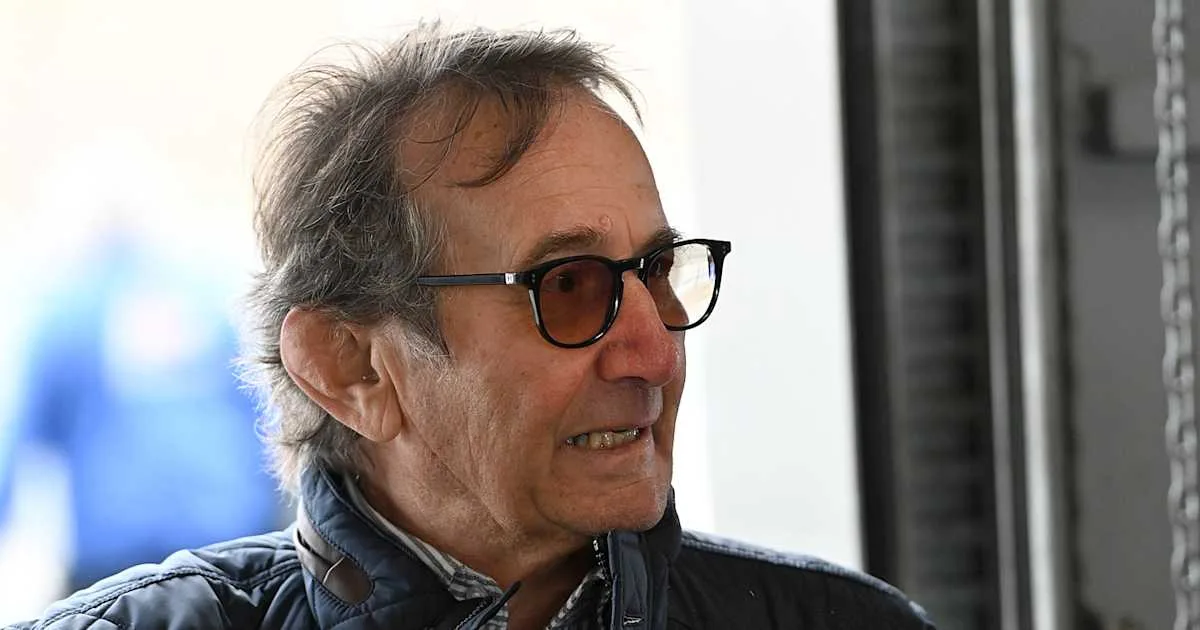
Konstruktor legendaris LCR tawarkan solusi cepat atasi krisis keselamatan sidecar TT. Simak analisis mendalam di sini.
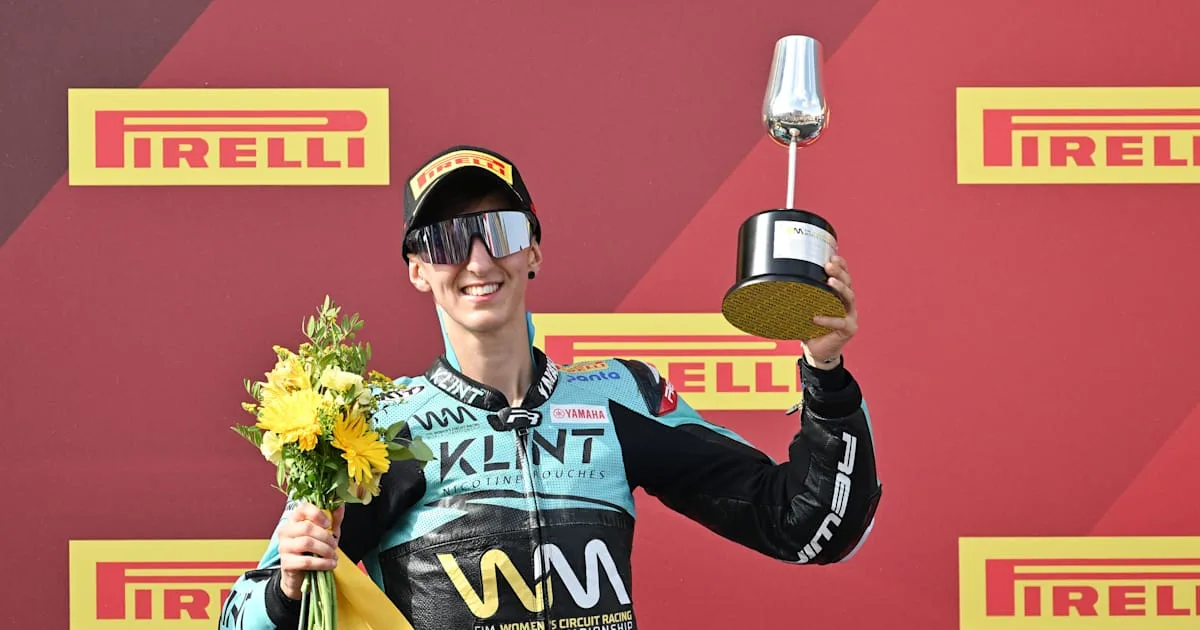
Roberta Ponziani berjuang mencari sponsor untuk musim depan setelah tampil impresif di WorldWCR. Simak analisis perjalanan karier sang pembalap Italia di sini.
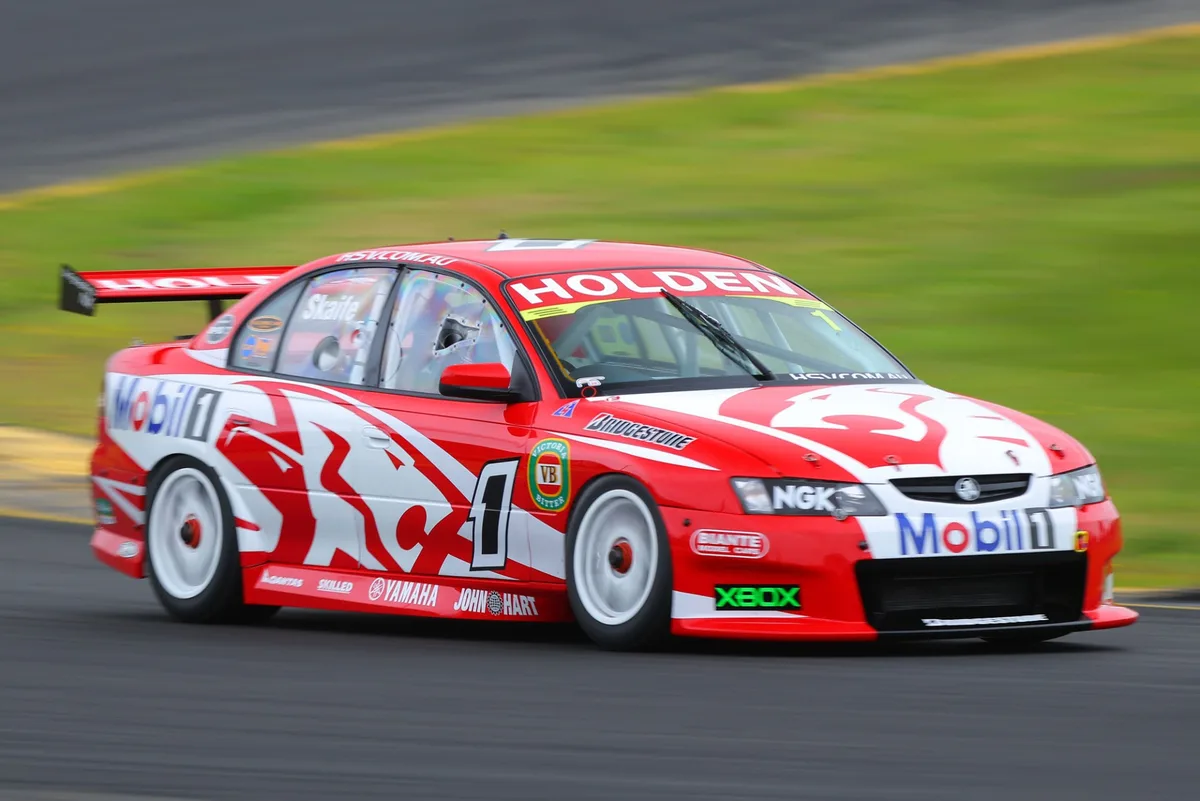
Holden Commodore Golden Child milik Mark Skaife kembali mengaspal di Sydney setelah restorasi mesin. Simak laporan lengkapnya di sini.
 Continue with Google
Discussion (0)
Join the Discussion!
Sign in easily to start commenting, replying, and interacting with other readers.
Latest Comments
No comments yet. Be the first!