







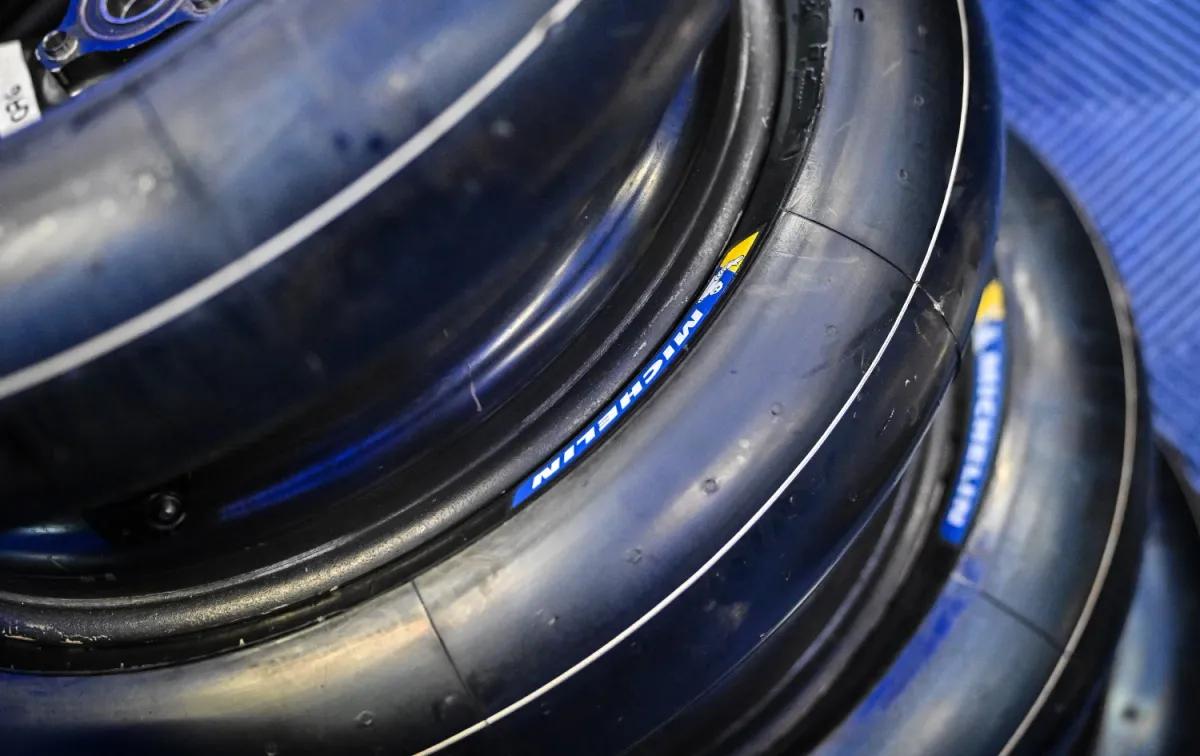

Behind the roar of 1,000cc engines and breathtaking overtakes, one component holds the fate of every rider: the black, treadless rubber that grips the asphalt. Many motorsport fans assume the biggest investment in a MotoGP team lies in the engine or aerodynamics. But a deeper look reveals staggering numbers from an often-overlooked area: tire management. Michelin, the French tire giant, reportedly spends between Rp20 billion and Rp24.7 billion (i1.1 - i1.2 million) per race weekend just to operate.
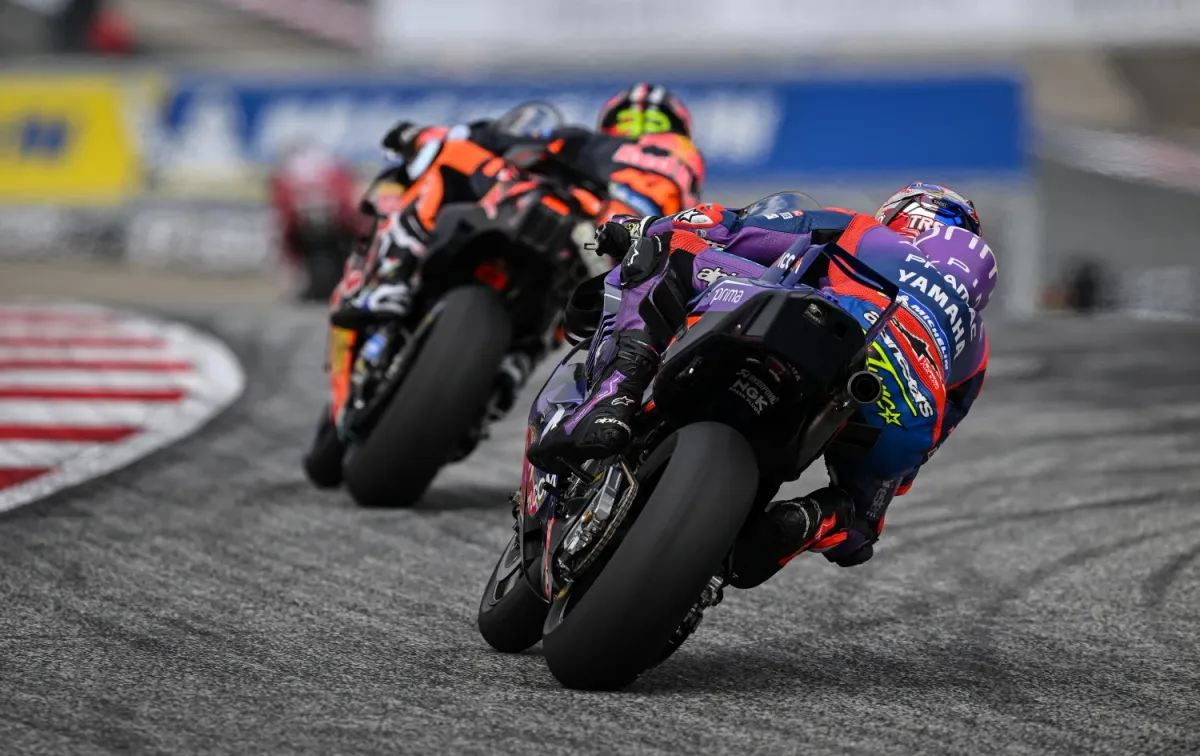
Multiply that by 20 to 22 rounds in a season, and the French manufacturer burns nearly half a trillion rupiah annually just to ensure every bike has the best rubber. Where does all that money go? First, logistics. Each race weekend, Michelin must transport around 1,400 tires to the circuit. These tires are not shipped in ordinary cargo. MotoGP slick tires are extremely sensitive to temperature changes. During sea or air transport, thousands of tires must be stored in climate-controlled containers. A slight temperature spike inside the container can damage the chemical structure of the prototype compound, resulting in billions of rupiah lost before the race even starts.
Second, research and development. "We don't send the same tires to Mandalika and Phillip Island," said one Michelin engineer who wished to remain anonymous. The Mandalika asphalt, which tends to be extremely hot, requires a tire structure that resists thermal degradation. Meanwhile, circuits like Phillip Island in Australia demand asymmetric compounds because the number of left corners is far greater and more aggressive than right corners. The research cost to create new silica and synthetic resin formulations for each circuit runs into millions of euros. Each tire is a scientific masterpiece designed specifically to handle the local asphalt's characteristics.
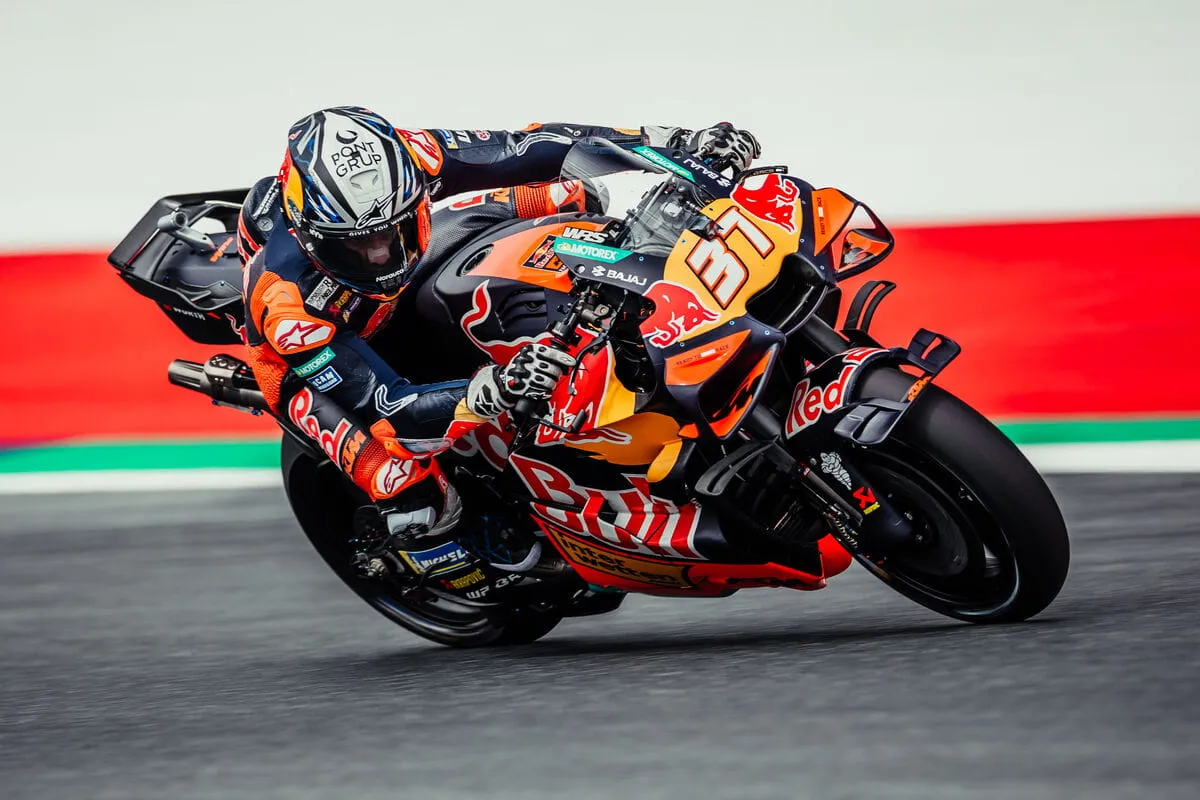
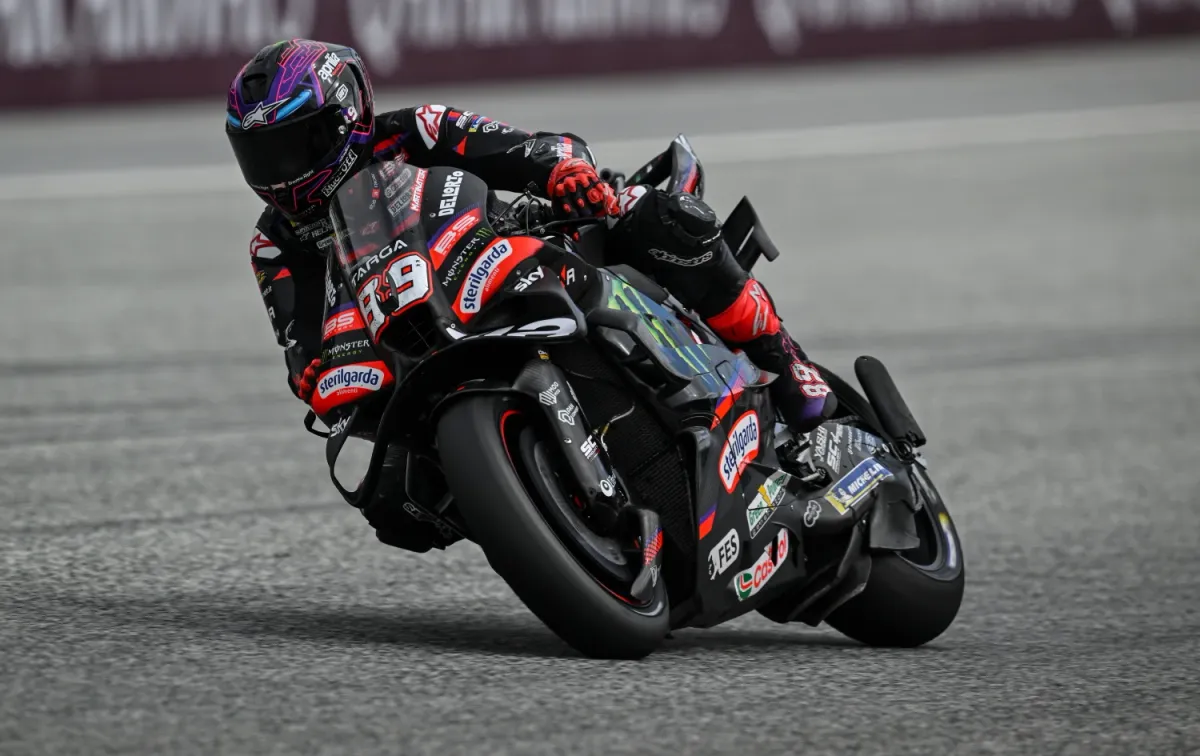
The third largest investment is human resources. Michelin doesn't just deliver tires and leave. They deploy dozens of technicians, chemists, and tire data engineers to the circuit. Every rider, from Francesco Bagnaia to Marc Marquez, is accompanied by a dedicated Michelin technician in their garage. Their tasks are like spies: monitoring tire temperature using infrared sensors in real-time, analyzing tire pressure (psi) to avoid violating strict MotoGP regulations, and providing compound strategy recommendations (Soft, Medium, Hard) to the team's crew chief based on telemetry data. The salaries, accommodation, and travel costs for these experts around the world throughout the year are a very expensive fixed cost component.
The big question: Why does Michelin willingly bear all these fantastic costs for free for the racing teams? The answer is mass market research. MotoGP is the world's most extreme mobile laboratory. Data obtained when tires are pushed to survive at 350 km/h with lean angles up to 64 degrees can never be replicated in a closed laboratory. Technologies like Dual-Compound (2CT)—where the center is hard for durability and the shoulders are soft for cornering grip—enjoyed today by scooter and sport bike users in Indonesia (such as the Michelin Pilot MotoGP or Road 6 series) are a direct result of burning tens of billions on the MotoGP track.
For Michelin, Rp24 billion per round is not a loss, but a very cheap price to win the commercial tire technology competition in the global market. Each MotoGP round becomes a proving ground that innovations born from extreme track pressure can be transferred to everyday products, creating a cycle that benefits both the company and consumers. So, the next time you watch a race, remember that behind every corner, there is a massive investment driving the global tire industry.
Read Also
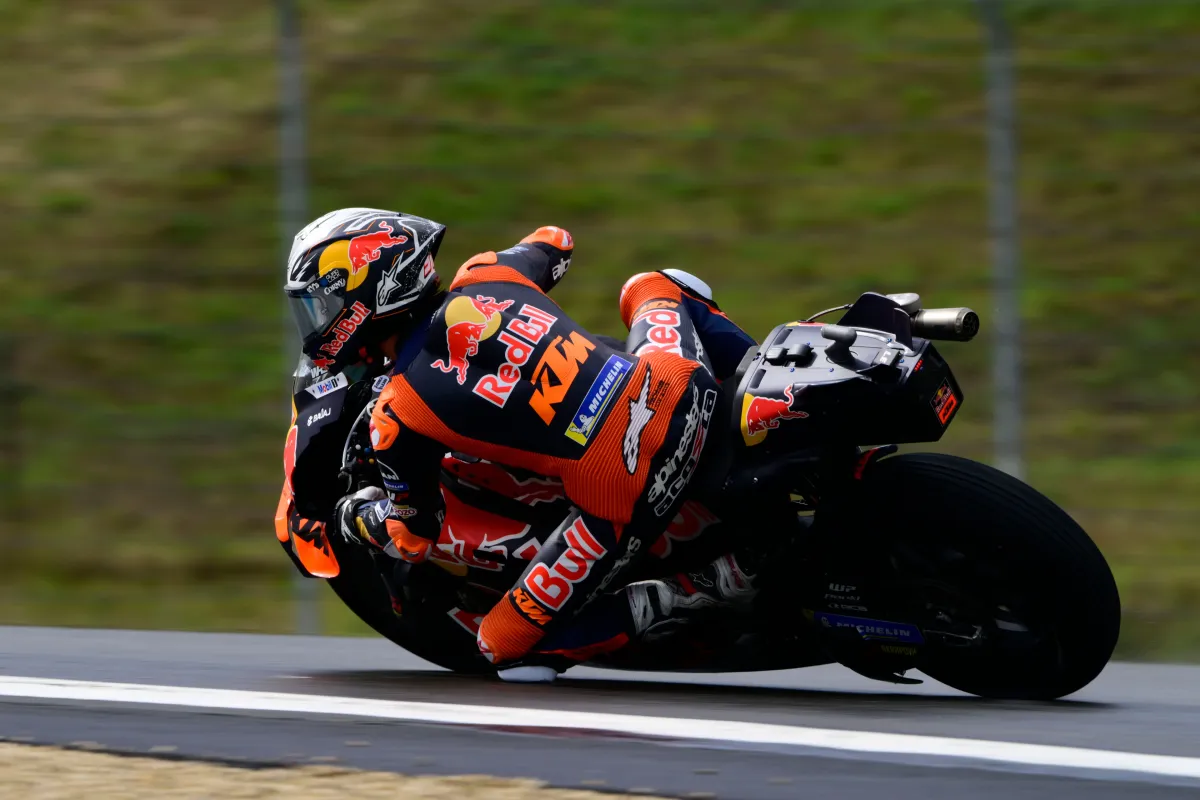
Pedro Acosta fastest in MotoGP Austria 2026 Practice, leading Aldeguer and Ogura. Marc Marquez and Alex Marquez crash at Red Bull Ring.
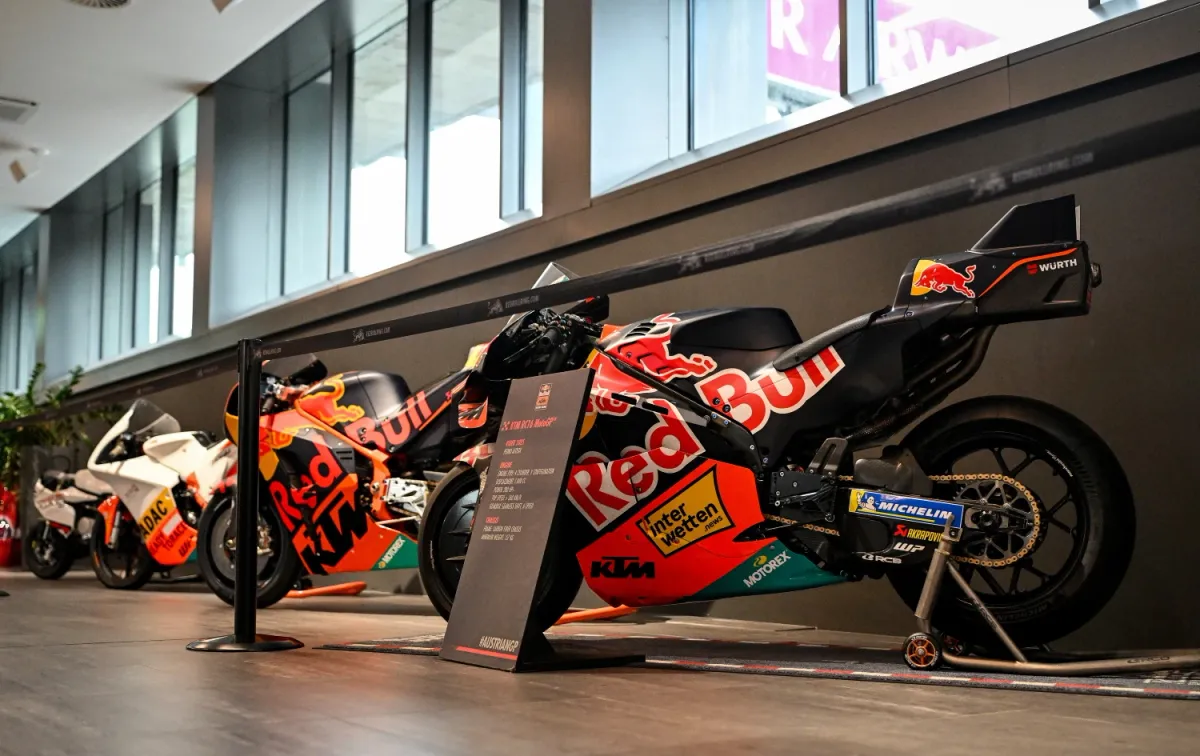
KTM rules out selling its MotoGP team, commits to 850cc era. CEO Gottfried Neumeister confirms financial stability and full support for racing.
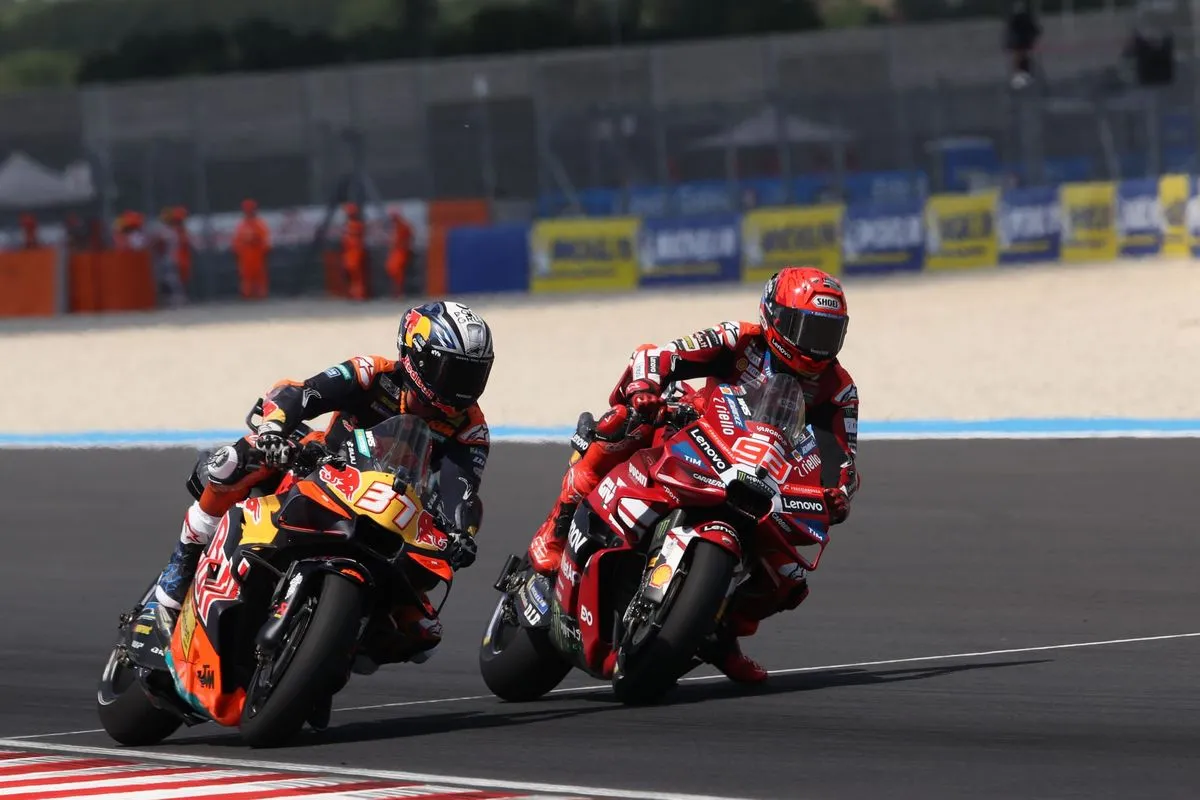
KTM CEO Gottfried Neumeister reveals why Pedro Acosta left KTM for Marc Marquez. It's not about money, but the ambition to beat Marquez on equal machinery.
 Continue with Google
Discussion (0)
Join the Discussion!
Sign in easily to start commenting, replying, and interacting with other readers.
Latest Comments
No comments yet. Be the first!