







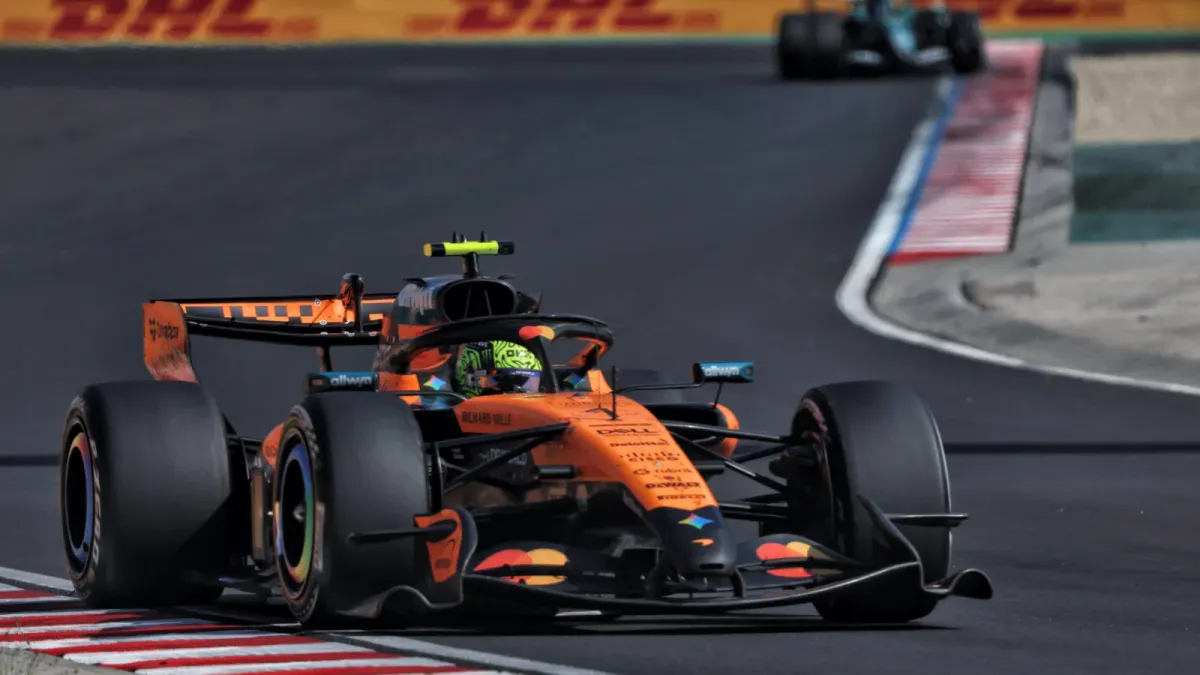

McLaren has finally revealed how they managed to turn around their difficult 2026 Formula 1 season. After a rocky start, the Woking-based team secured their first win of the year at the Hungarian Grand Prix last weekend.
McLaren started the season as, arguably, the fourth-fastest car behind Mercedes, Ferrari, and Red Bull, depending on circuit characteristics. The main issues were a narrow tyre operating window and a severe downforce deficit, particularly visible at circuits like Monaco.
However, a miracle happened in Hungary. Lando Norris dominated to claim his first victory as defending champion, while teammate Oscar Piastri led most of the race before retiring with a gearbox issue.
Andrea Stella, McLaren Team Principal, explained that the enforced break due to the Middle East crisis was a crucial moment. The team used the time to focus on analyzing the MCL40's weaknesses, with no single area identified as the root cause.
"There wasn't a single event that changed course; rather, it was a growing awareness of the scale of the challenge we're facing and the adjustments we needed to make," Stella said. "Paradoxically, the enforced break in April probably allowed us to focus entirely on analysing the MCL40's performance and to fully understand that we needed to redirect or strengthen its development in certain areas."
Stella also highlighted the extensive work to understand the new Mercedes power unit for 2026. Although regulations require engine parity, manufacturers still arguably hold an advantage over customers, and McLaren is working hard to grasp the intricacies of the near 50:50 split between internal combustion and electric power.
"Over the past few months, we've had the opportunity to deepen our understanding of the new power unit supplied by Mercedes HPP and to work with our technical partners to work out how best to utilise it. It's been a long process, with its ups and downs, but one that's starting to bear fruit," Stella added.
The victory at the Hungaroring was also made possible by a new floor and other small upgrades to the MCL40. Stella called this package the first true test of what he labelled "a change in direction" in developing the car, and the team passed with flying colours.
"Returning to the car's performance, it is clear that the Budapest weekend was the highlight: not only because of the result, but above all because the aerodynamic package we introduced is the result of this change of direction and has enabled us to make significant progress," he explained.
The Hungary win once again demonstrated McLaren's ability to develop their way out of a car philosophy quandary. However, Hungary is only one race, and the defending champions will be under pressure in Zandvoort to prove that their dominant win was not just a flash in the pan.
Read Also
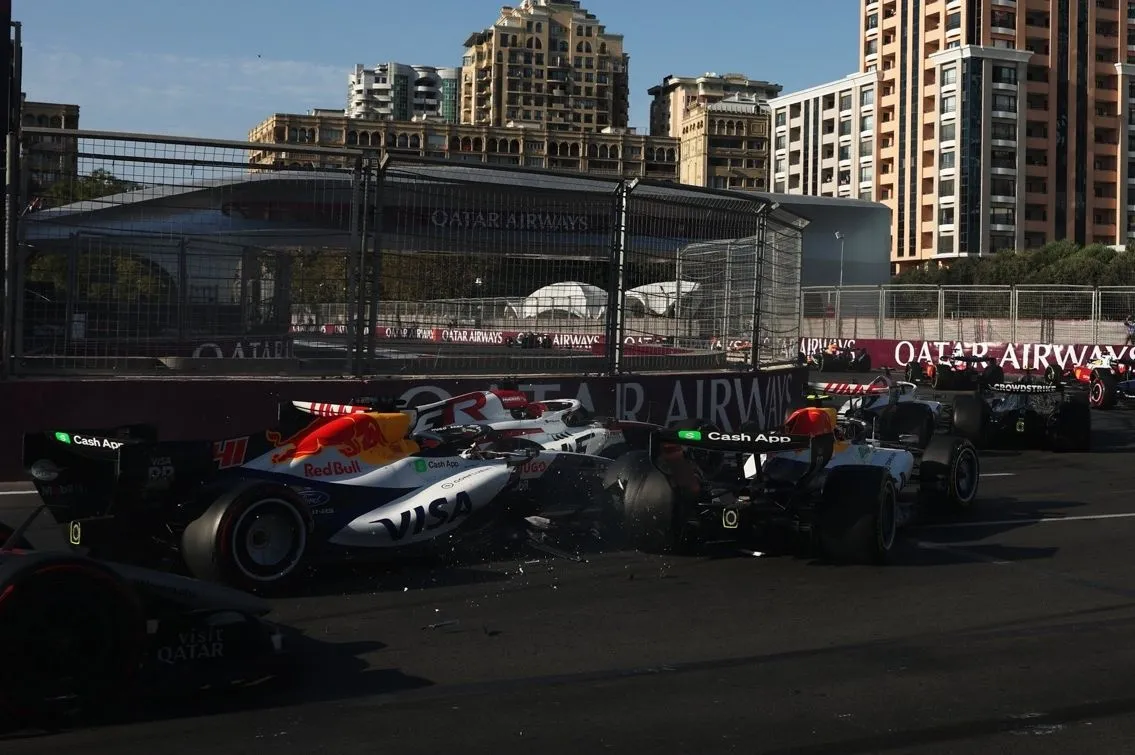
Liam Lawson kecewa steward bebaskan Arvid Lindblad dari sanksi usai insiden yang rusak lantai mobilnya di F1 GP Azerbaijan. Baca reaksi lengkapnya.
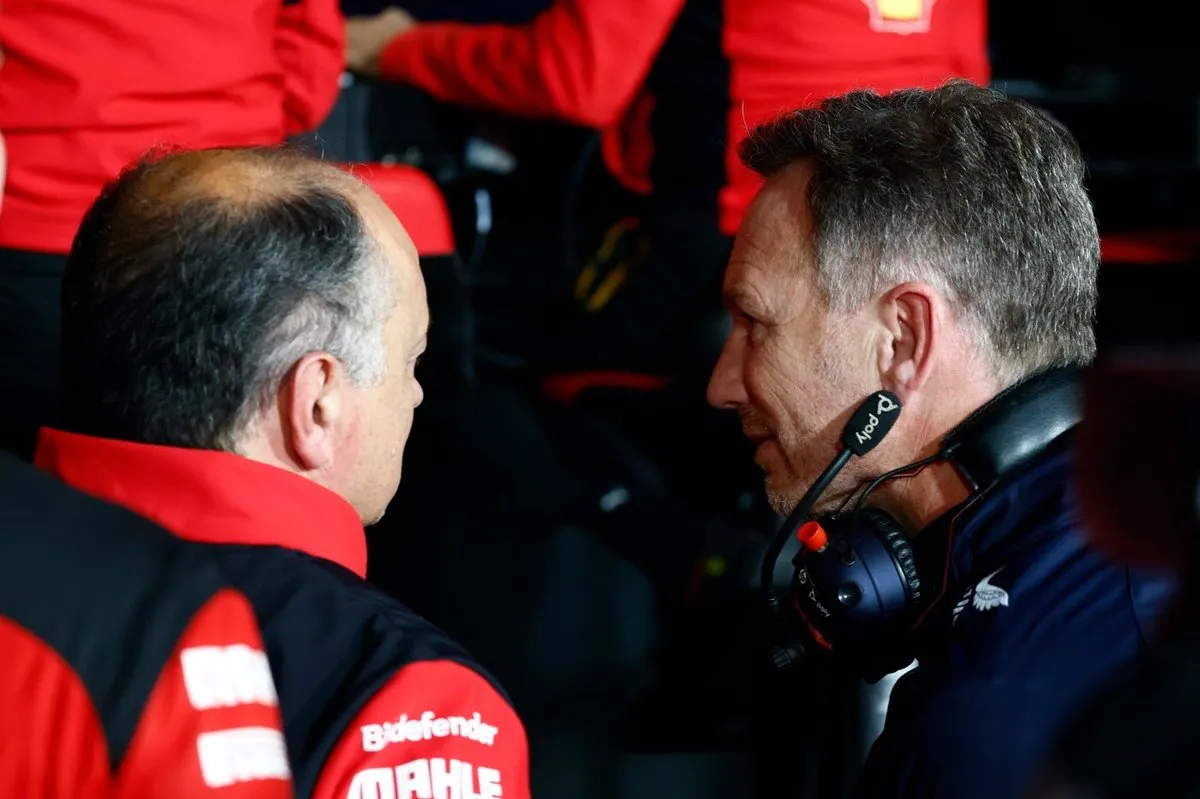
Frederic Vasseur tanggapi rumor masa depannya di Ferrari dengan sindiran tajam: 'Mr Horner sedang mencari pekerjaan'. Spekulasi memanas usai komentar Christian Horner.
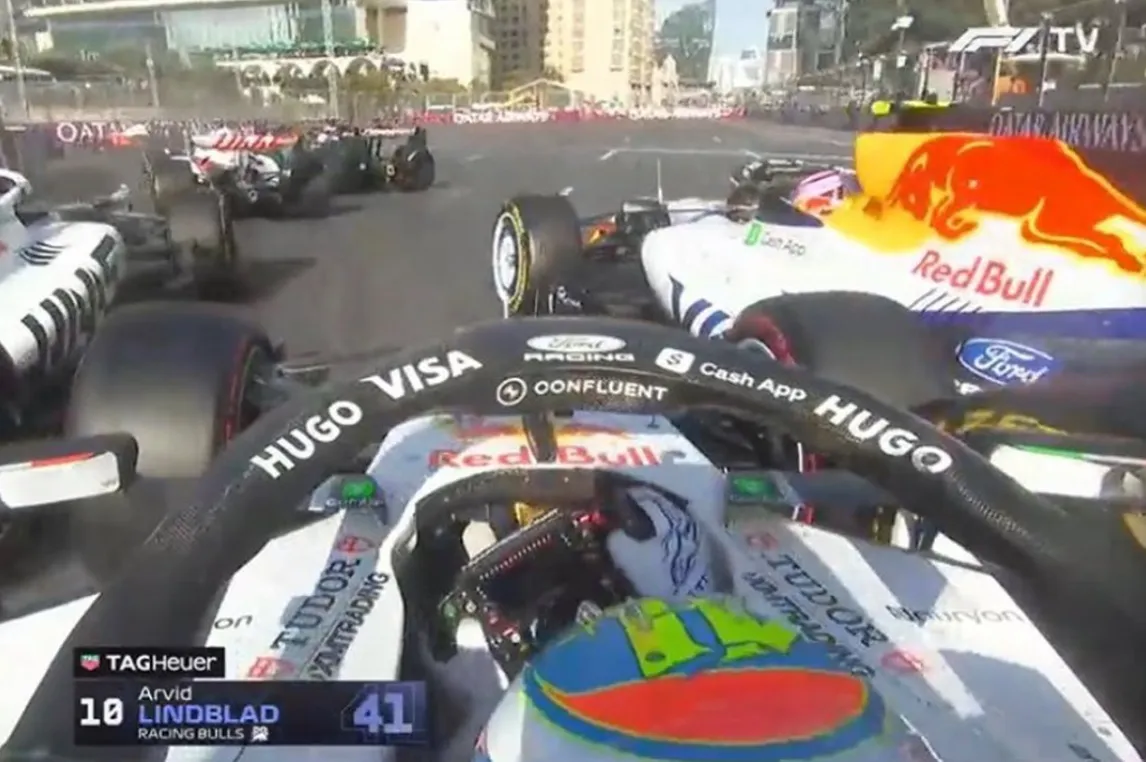
Liam Lawson kesal setelah ditabrak rekan setimnya Arvid Lindblad di F1 Baku. Insiden ini membuat Lawson gagal poin, tapi Racing Bulls tetap untung di klasemen.
 Continue with Google
Discussion (0)
Join the Discussion!
Sign in easily to start commenting, replying, and interacting with other readers.
Latest Comments
No comments yet. Be the first!