








Formula 1, Sportrik Media - On 15 February 2006, Max Mosley put forward one of the most audacious ideas in Formula 1 history: introducing a football-style promotion and relegation system between F1 and its feeder series, then GP2. The proposal immediately ignited debate across the paddock.
As FIA president at the time, Mosley argued that Formula 1’s closed structure — dominated by established teams and financial power — was unsustainable. He envisioned a properly regulated feeder championship acting as a mandatory pathway to the top tier, with competitive movement between categories.
“What ought to happen is that we should have a feeder formula for Formula 1, like F3000 or GP2, but properly regulated for that purpose. Whoever wants a super-licence must come through that formula… and the worst of the F1 teams would have to consider going down,” Mosley said at the time.
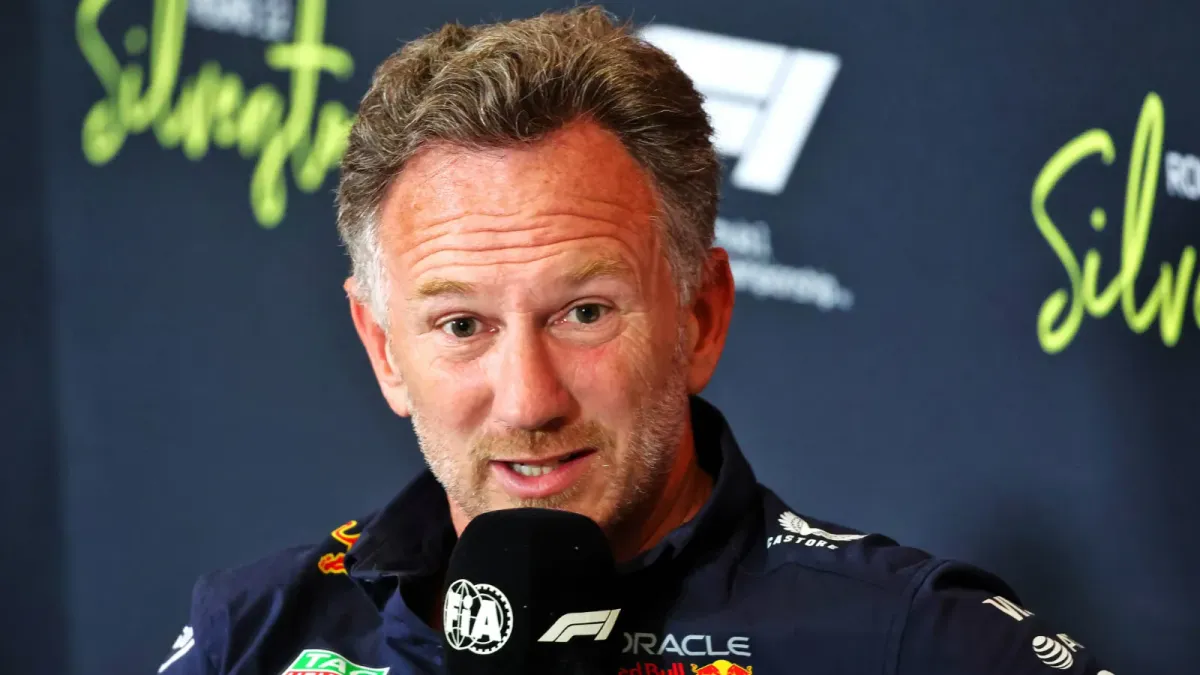
The concept was rooted in concerns over structural imbalance. The financial gulf between GP2 operations and Formula 1 campaigns was vast, and new entrants faced formidable barriers to entry. Under Mosley’s framework, successful GP2 teams could earn promotion, while underperforming F1 outfits would risk relegation, creating a merit-based system rather than a permanently closed grid.
Mosley also called for a fairer distribution of prize money from then commercial rights holder Bernie Ecclestone, arguing that smaller teams required a more equitable revenue share to remain viable in both tiers of competition.
However, the reaction within the paddock was largely sceptical. Critics highlighted the enormous cost disparity between operating a GP2 team and funding a Formula 1 programme worth hundreds of millions of dollars. The practicality of a relegated F1 team retaining sponsorship or recovering financially was widely questioned.
While no major constructor publicly mounted a direct campaign against Mosley’s idea, the absence of support was telling. Established teams, operating under the Concorde Agreement with guaranteed grid positions and revenue shares, had little incentive to back a system that could threaten both their financial security and competitive standing.
In the months that followed, the promotion and relegation concept gradually faded from serious discussion, never advancing to formal negotiation stages.
Viewed retrospectively, Mosley’s proposal reflects a markedly different era of Formula 1 governance. In the years since, the championship has addressed some of the structural imbalances he identified — most notably through the introduction of a cost cap and a more defined development ladder — but through mechanisms far removed from the radical promotion-relegation model once suggested in 2006.
Read Also
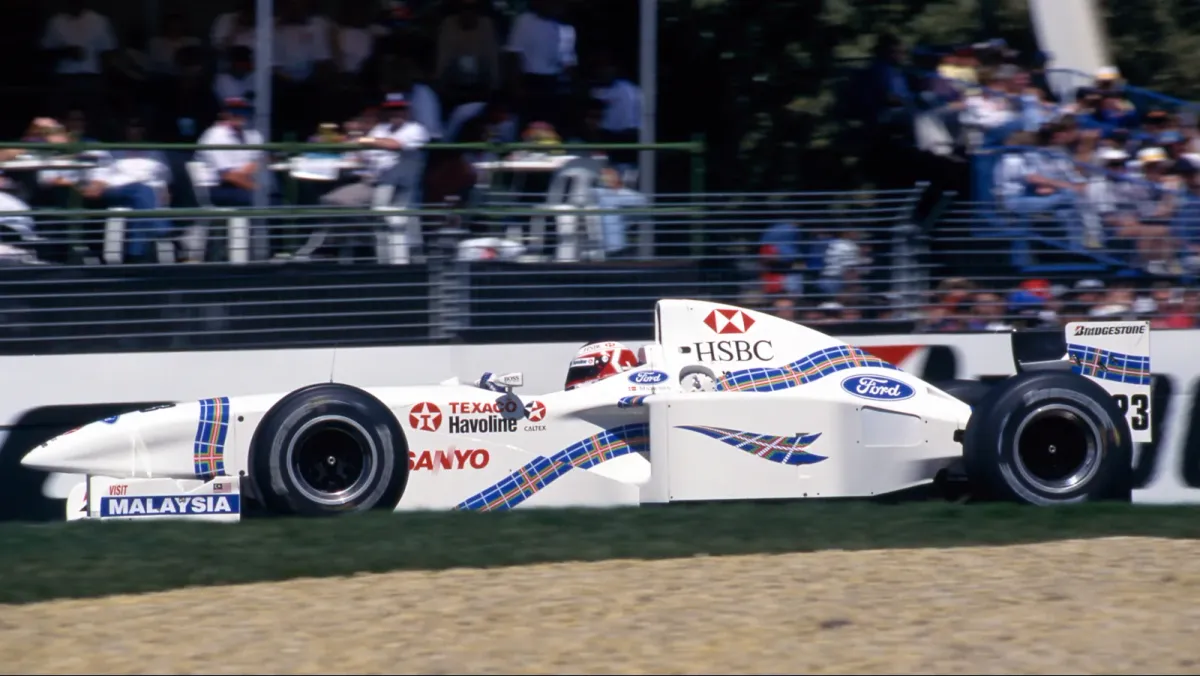
Mengulas kembali sejarah pendirian tim Stewart Grand Prix di Formula 1 oleh legenda balap Sir Jackie Stewart bersama putranya, Paul Stewart.
Kekacauan layanan bus antar-jemput di Sepang International Circuit cederai kembalinya Formula 1, penonton harus antre berjam-jam.
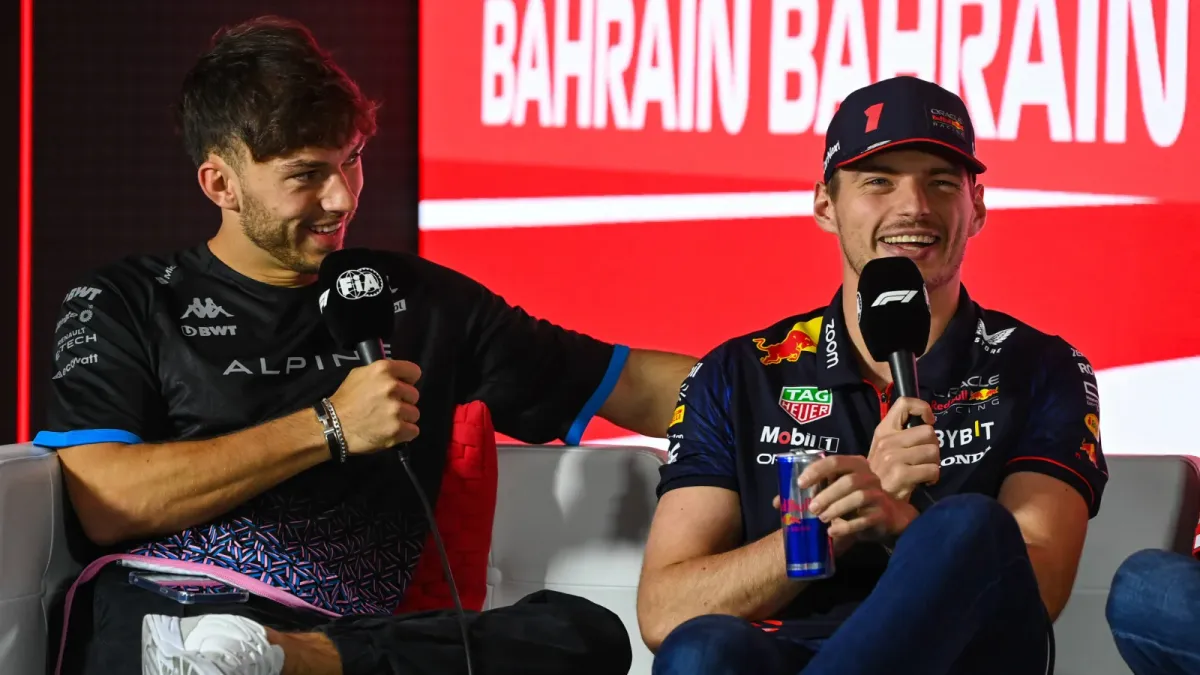
Studi riset terbaru mengungkap data komunikasi radio F1 dari 2018 hingga 2026, menempatkan Pierre Gasly di atas Max Verstappen sebagai pembalap teratas.
 Continue with Google
Discussion (0)
Join the Discussion!
Sign in easily to start commenting, replying, and interacting with other readers.
Latest Comments
No comments yet. Be the first!