






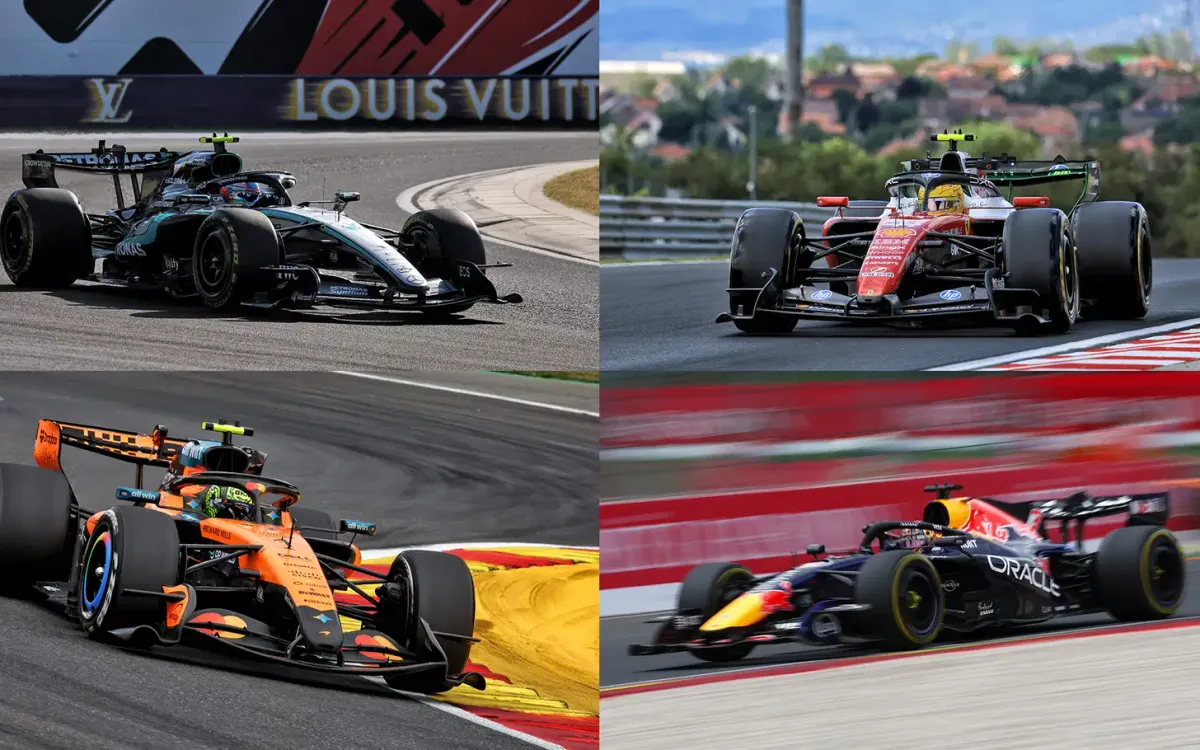

The 2026 season has reached its summer break, offering a rare opportunity to step back and assess the technical picture with a clearer head. While a definitive verdict on which upgrades have proved most effective remains elusive, the break does reveal the design trends that have quietly taken hold across the first half of the championship, with varying degrees of success. Let us take a closer look at how the top four teams have developed their cars so far.
Ferrari SF-26
Ferrari has been the most prolific developer on the grid, consistently pushing the SF-26 forward. Two innovations stand out, not just for their effectiveness but for their influence on rivals. The first is the FTM (Flip Tail Mode), a curved winglet that partially obscures the exhaust outlet, forcing hot gases upward and channelling them beneath the rear wing's main profile, boosting rear downforce. The second is the 'Macarena' rear wing, which debuted in pre-season testing and made its full race weekend debut in Miami alongside the first floor evolution.
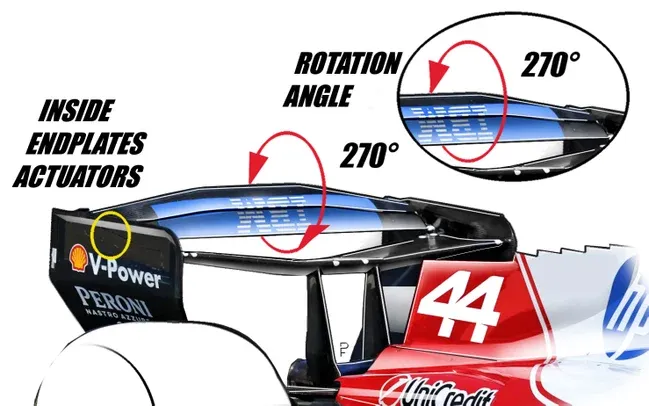
The Macarena has proved particularly potent on circuits combining long straights with fast, sweeping corners, while still allowing higher-downforce profiles in technical sections. It is a highly effective solution, though not straightforward to replicate, as both Red Bull and McLaren have discovered.
McLaren MCL40
The reigning world champions represent the most natural contrast to Ferrari, both in philosophy and execution. McLaren arrived in Miami with a substantial upgrade, supplemented in Canada with a revised front wing. However, the most transformative step came at the Hungarian Grand Prix with a radically reworked floor, focusing on the forward section and the area ahead of the rear wheels, to increase overall aerodynamic load and adjust its distribution.
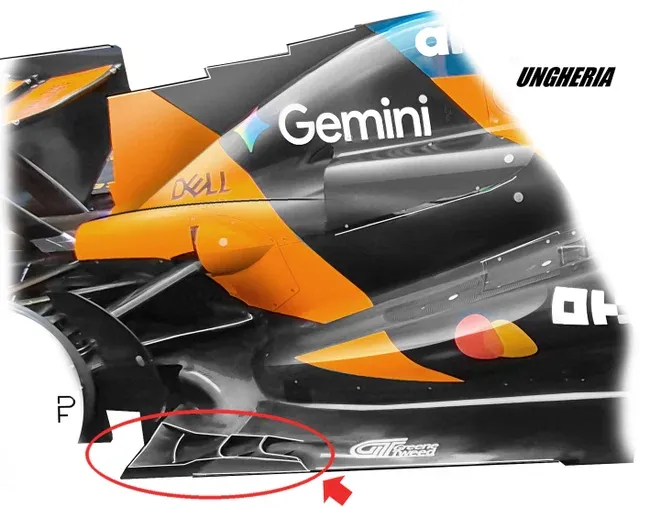
McLaren's version of the Macarena rear wing has yet to appear in race-ready form, underlining how demanding this engineering piece is to produce at Ferrari's level.
Red Bull RB22
Of the front-running cars, Red Bull's RB22 has undergone the most fundamental shift in aerodynamic concept. Two interventions have been decisive. First, in Barcelona, the lower sidepod section was comprehensively redesigned, moving closer to McLaren's rear-ramp philosophy while drawing inspiration from Ferrari's configuration. A mini-flap above the rear-wing actuator fairing was also added to address a rear downforce deficit. Second, in Austria, changes targeted internal fluid dynamics, including radiator inlet openings and internal ducting, without altering the compact packaging.
Mercedes W17
While Mercedes has continued refining the W17 with updates to bargeboards, brake ducts, and front wing, the most comprehensive development came in Canada. The floor was heavily reworked across virtually every section, starting with additional elements on the front bargeboards. The central section received attention, particularly the area ahead of the front wheels, and the diffuser's outer vertical fences were evolved with a large cut-out to enhance extraction through the rear expansion area.
Read Also
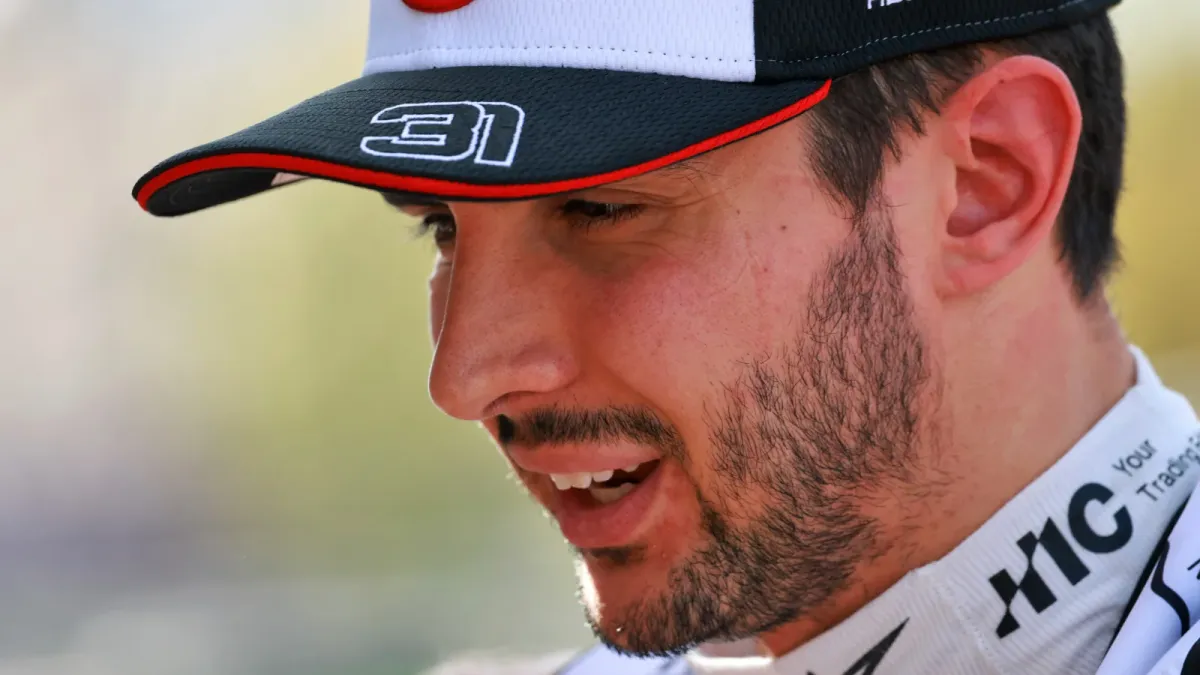
Esteban Ocon menegaskan dirinya salah satu pembalap terbaik F1 usai finis P8 di GP Azerbaijan. Simak pernyataan tegasnya di tengah spekulasi masa depan.
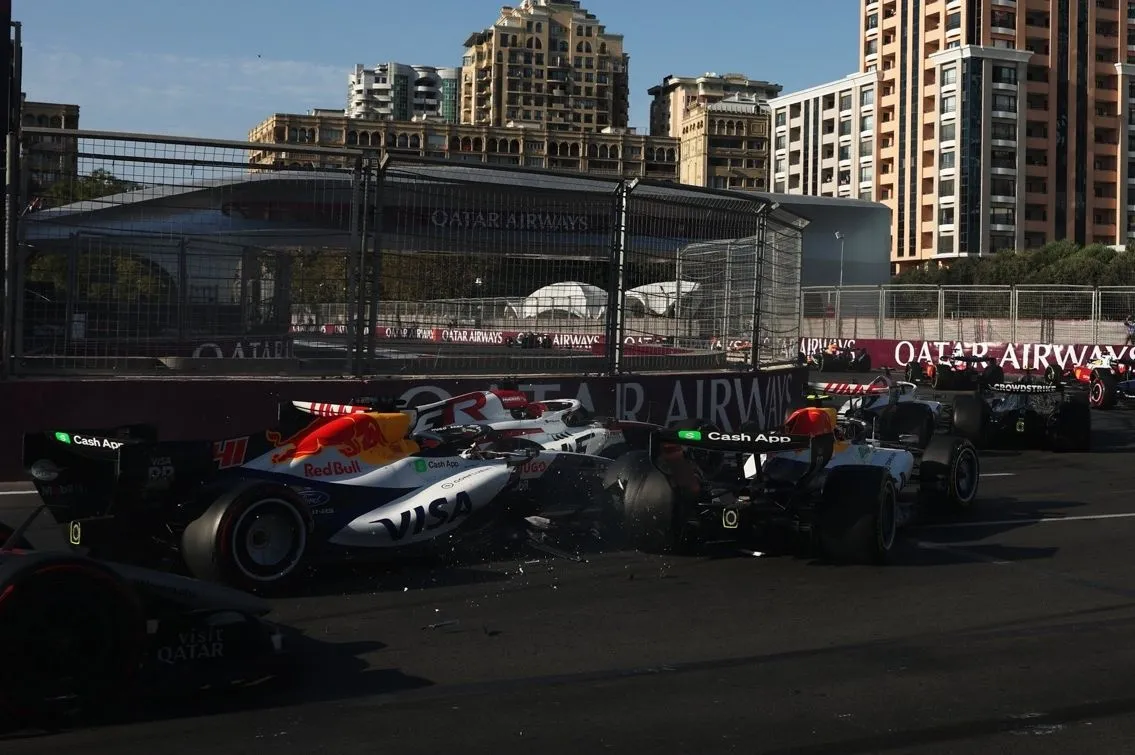
Liam Lawson kecewa steward bebaskan Arvid Lindblad dari sanksi usai insiden yang rusak lantai mobilnya di F1 GP Azerbaijan. Baca reaksi lengkapnya.
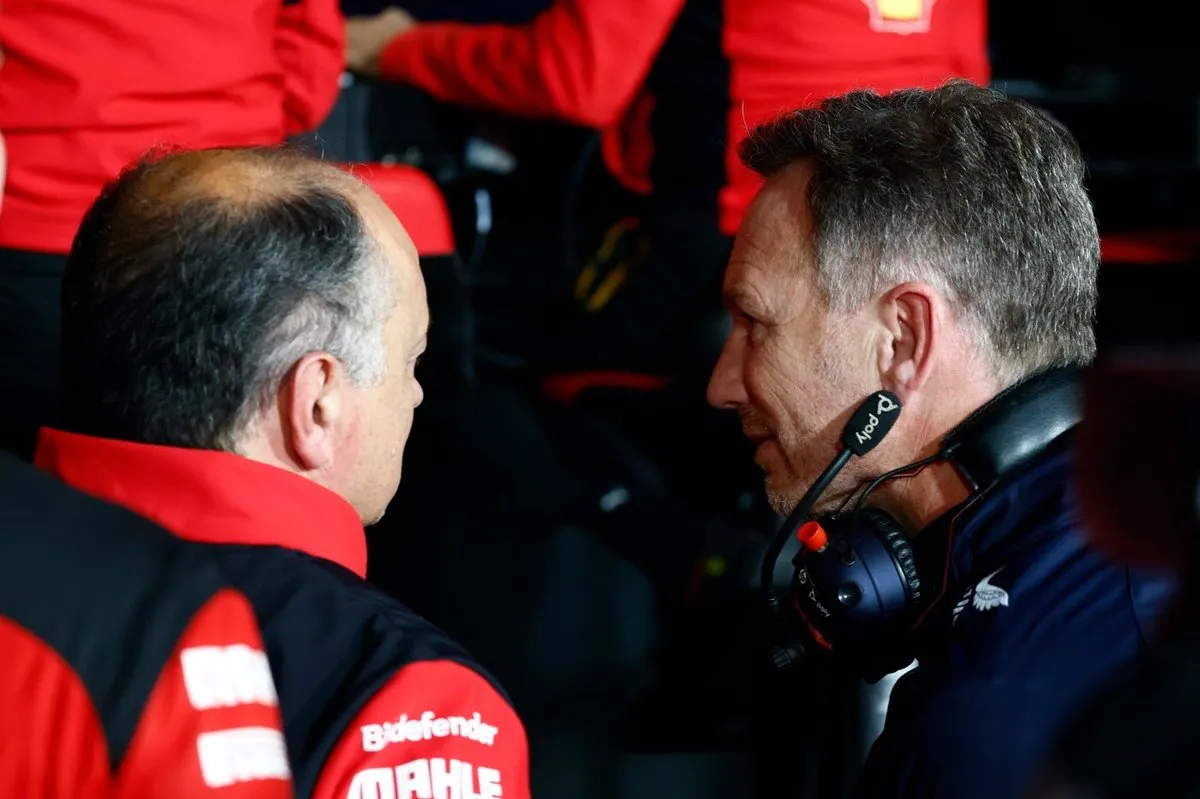
Frederic Vasseur tanggapi rumor masa depannya di Ferrari dengan sindiran tajam: 'Mr Horner sedang mencari pekerjaan'. Spekulasi memanas usai komentar Christian Horner.
 Continue with Google
Discussion (0)
Join the Discussion!
Sign in easily to start commenting, replying, and interacting with other readers.
Latest Comments
No comments yet. Be the first!