







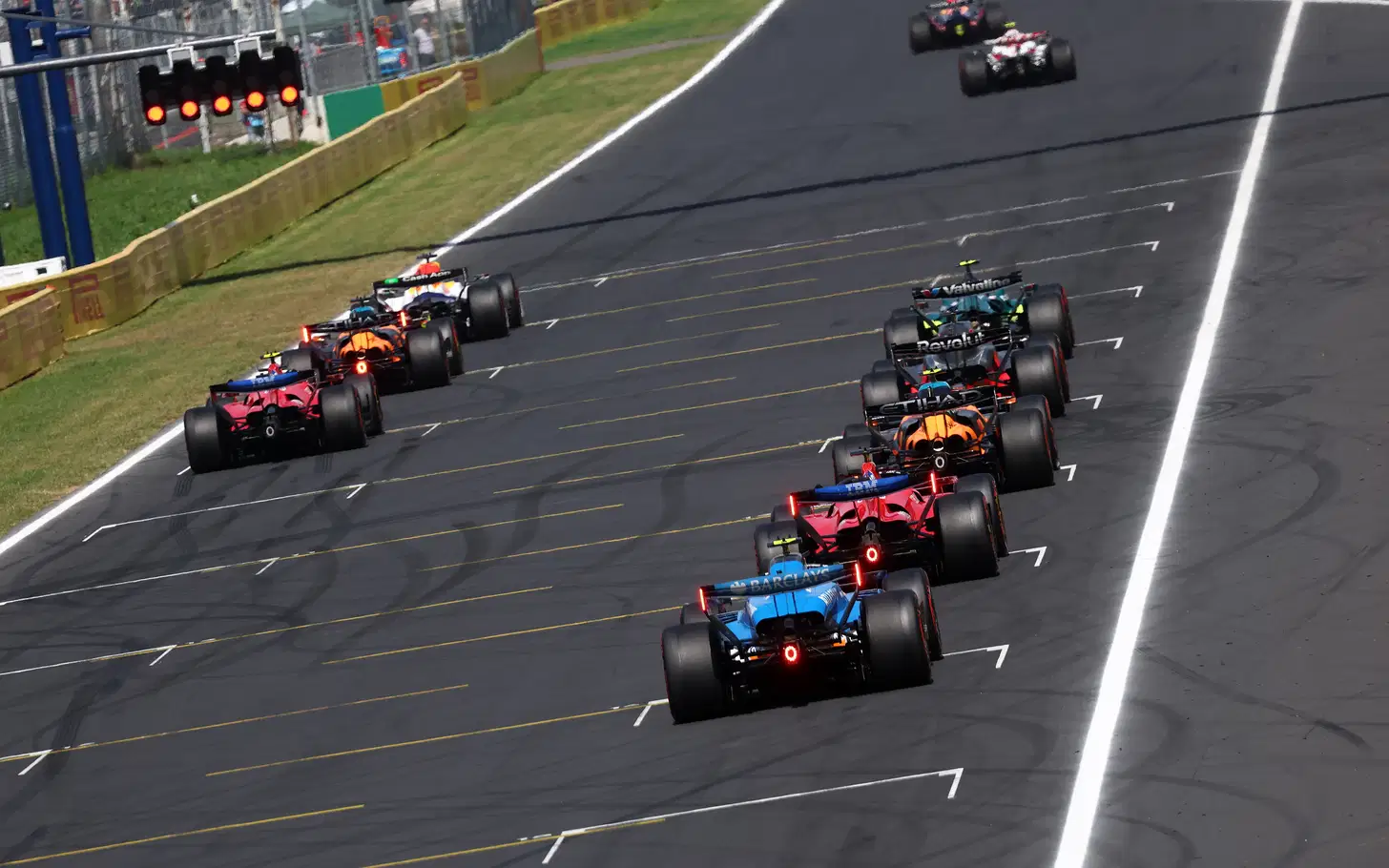

James Vowles has issued a stark warning over the impact of Formula 1's cost cap, claiming that a regulation designed to create a more competitive championship has instead contributed to a growing divide between the leading teams and the rest of the field.
The Williams team principal went as far as describing the current situation as “a two-tier championship”, arguing that the cost cap has delivered financial stability but failed to achieve its sporting objectives.
The cost cap was introduced in 2021 following discussions during the Covid-19 pandemic. It was built around three key objectives: long-term financial sustainability, sporting equity and a compression of competitiveness across the grid.
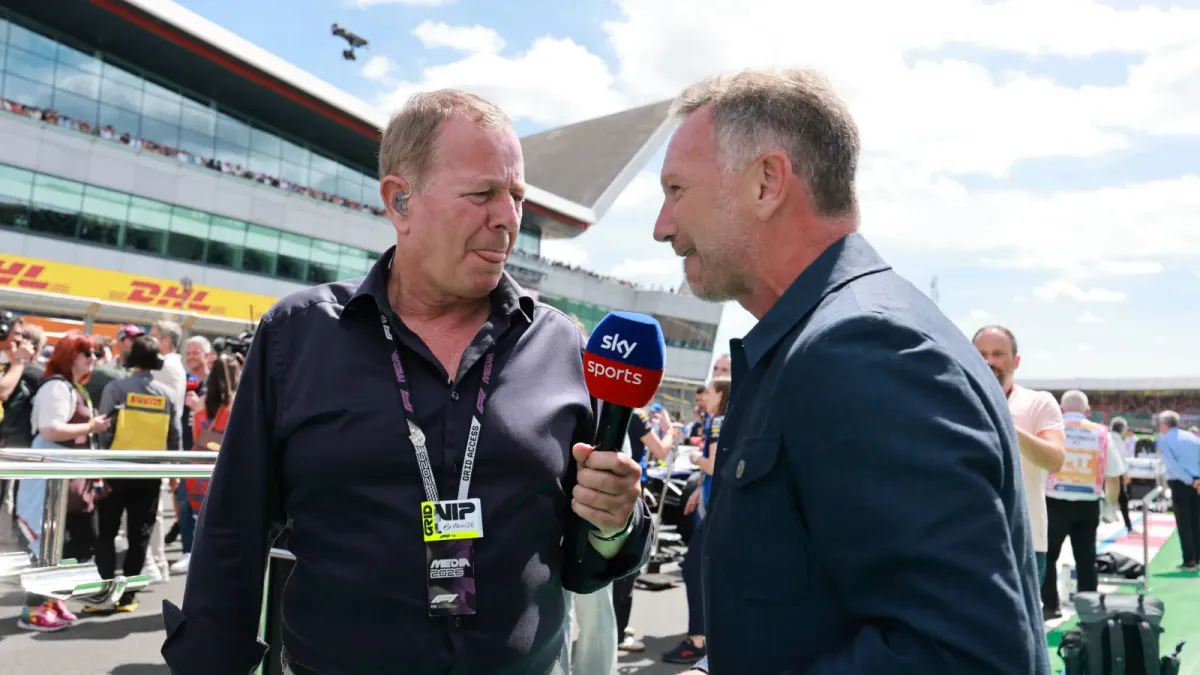
Vowles believes the financial objective has been achieved, and even exceeded expectations. However, he argues that the other two objectives have moved in the opposite direction.
“When we did the cost cap, this is way back in Covid, when we had a phone call about it, there were three key tasks that we wanted out of it,” Vowles said.
“We wanted long-term financial sustainability, and I think in that goal, we have not just achieved it, but we've exceeded it. This business now has good investment that allows us to go on, and they're businesses. They weren't businesses before 2021 at all.”
Vowles then pointed to the competitive data he had reviewed, claiming the current structure shows a larger concentration of points at the front of the field than before the cost cap.
“The two others, though, that went with it, were sporting equity and, effectively, compression of the field, so effectively competitiveness that compressed together. Those are the three goals of the cost cap, and those two have failed,” he said.
According to the statistics cited by Vowles, the top four teams currently account for 83 per cent of the championship points. Before the cost cap era, he said that figure was in the 70 per cent range.
“In other words, we have made the situation worse, where the top four are the top four and all the rest of us are fighting over, ballpark, 17 per cent of the points. Number of times on the podium used to be 10 per cent of the time; now it's five,” Vowles added.
His experience at Williams has also changed his perspective on how the financial regulations affect teams at different stages of development. Vowles joined Williams after working at Mercedes, giving him experience at both ends of the competitive spectrum.
“I'm probably unique because I went from the best team to the worst team. I think that's fairly clear,” he said.
Vowles explained that one of the biggest challenges he encountered was the amount of money that had to be directed towards basic infrastructure rather than car performance.
“What I hadn't appreciated or realised when you do that jump is just how little exists, when you're in a cost cap, that I'm not spending money on the car,” he explained.
“I'm spending millions, tens of millions actually, just on basic systems, so you just know where a part is in the factory. So that's not going to the car, it's not going to a front wing, it's not going to an upgrade. It's going on systems that I need just to do the very basics.”
That situation has left Williams caught in what Vowles describes as a “cost cap trap”. Investing heavily in the foundations of the organisation is necessary for future development, but doing so limits the resources available for immediate performance gains.
“So, we're caught in a cost cap trap. I always talk about investing in the future, now you understand why. If I do anything that's about this year, I will slow myself down in the future, and I can't do that,” Vowles said.
He then delivered his clearest assessment of the current competitive structure.
“We have a two-tier championship. That's not me telling you that. That is just what is on the table right now in terms of points score. And I think, and this is where we have to come together as a business, that's not right in terms of what we want for the future.”
Williams currently sits ninth in the constructors' standings with 12 points, while Mercedes, Ferrari, McLaren and Red Bull occupy the leading positions and account for the overwhelming majority of the points scored so far this season.
Vowles also pointed to last year's campaign as evidence of the scale of the gap. Williams reached the podium three times but still finished 238 points behind fourth-placed Ferrari.
“If we do a good job, we should have the ability to fight for that,” Vowles said. “Even last year, which was a great year, the gap in points between us and P4, between us and Ferrari, was 238 points. It's not a small amount. It's an absolute gulf, and we were on the podium three times.”
Despite his criticism, Vowles does not believe the answer is to remove the cost cap. Instead, he argues that Formula 1 needs to examine the mechanisms within the regulations to ensure teams have a more equal foundation from which to compete.
“In the cost cap, and I didn't appreciate it until I came to Williams, it really penalises you in terms of what you're doing. The solution isn't to take the cost cap away,” he said.
“As I said before, we have a brilliantly financially stable sport now as a result of it, but we do need to think about what mechanisms we have in there to make sure we're all playing with the same tools and the same mechanisms, because today we're not.”
Read Also
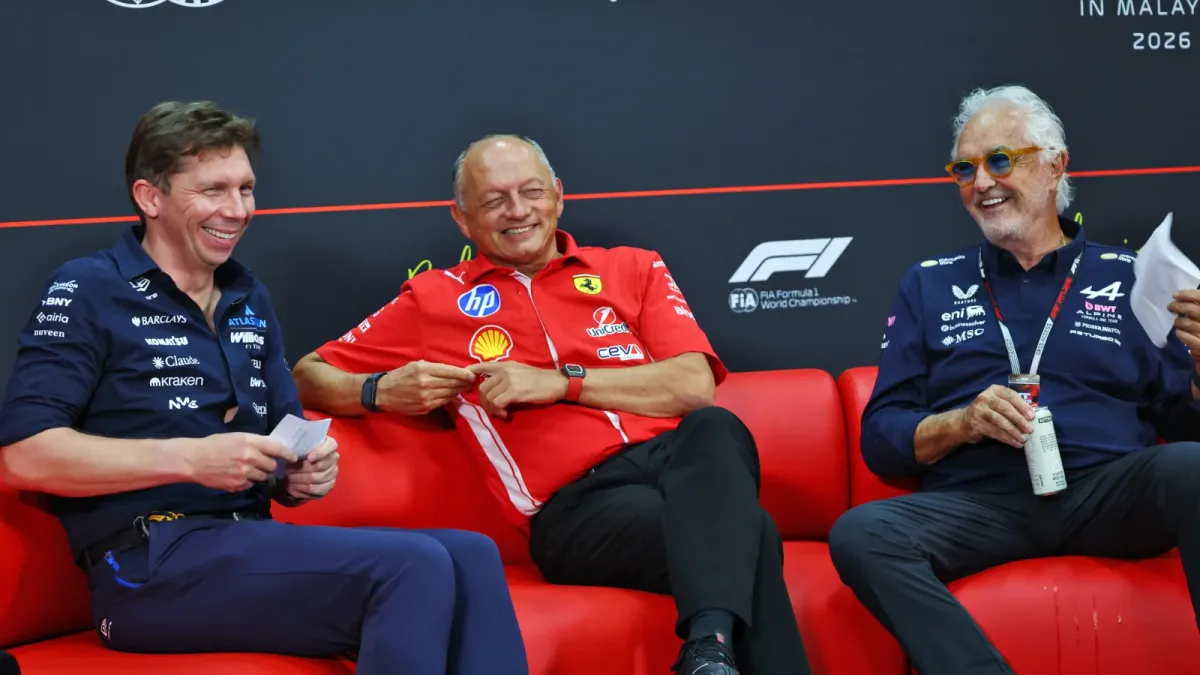
James Vowles beri dukungan penuh untuk Fred Vasseur di tengah spekulasi masa depan Team Principal Ferrari. Baca selengkapnya di Sportrik.
Lewis Hamilton hanya mendapat peringatan usai menghalangi Gabriel Bortoleto di FP2 MotoGP Malaysia. Ferrari didenda 10.000 euro karena tak beri informasi.
Analisis Jumat F1 2026 di Sepang: Verstappen tercepat, Mercedes kesulitan dengan upgrade W17, dan degradasi ban jadi faktor penentu.
 Continue with Google
Discussion (0)
Join the Discussion!
Sign in easily to start commenting, replying, and interacting with other readers.
Latest Comments
No comments yet. Be the first!