







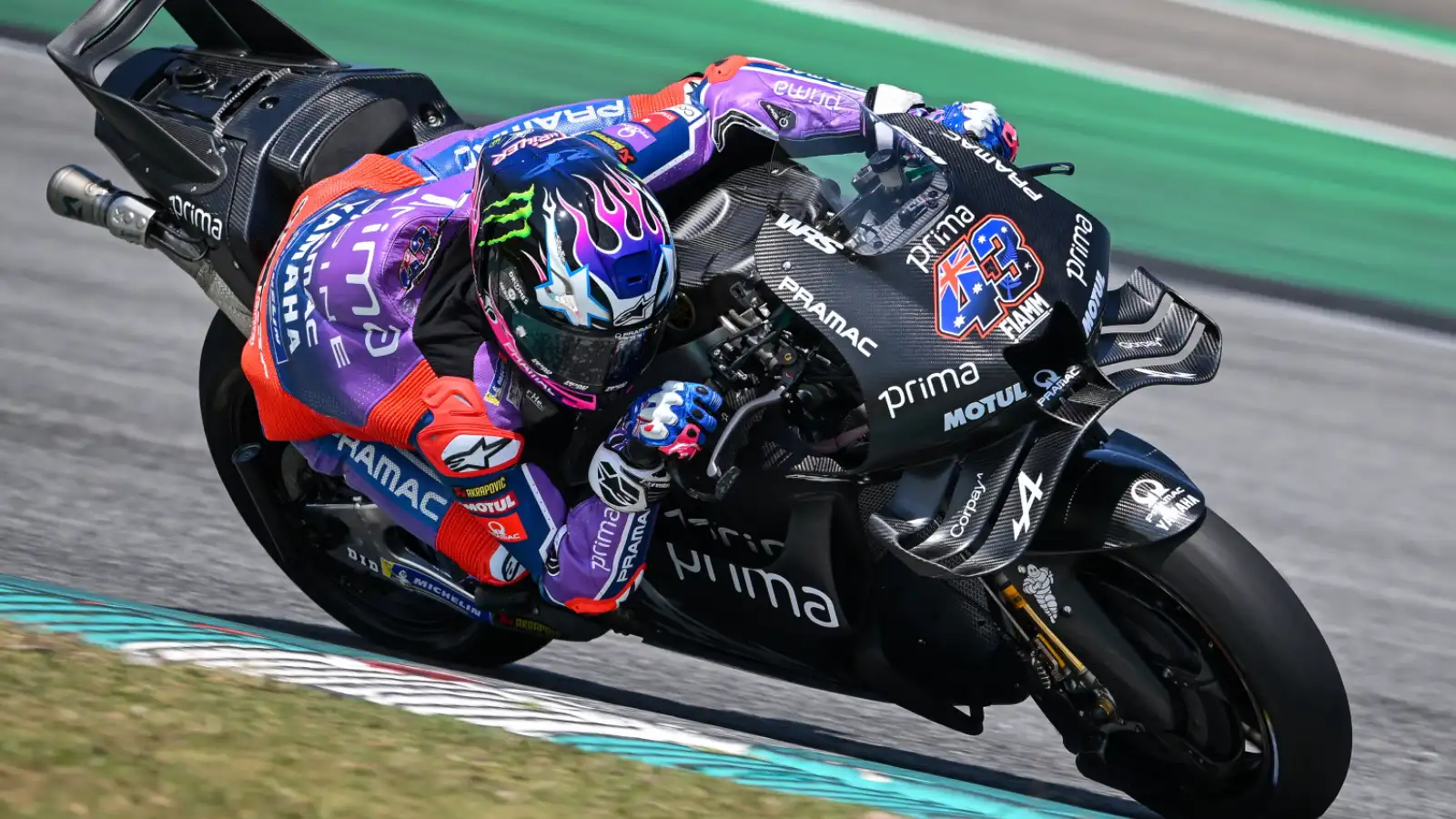

MotoGP, Sportrik Media - Jack Miller has offered a calm and realistic assessment of Monster Energy Yamaha MotoGP’s testing programme, highlighting race pace as a key positive while outlining the structured development process ahead of the Buriram MotoGP Test. The Australian rider stressed that adaptation and constant component comparison remain central to a project still under construction.
Miller admitted the opening day of testing proved challenging, with performance compromised by the scale of experimentation rather than any fundamental issue with the bike. The priority, he explained, was understanding the behaviour of different components and configurations, even if that came at the expense of immediate lap time.
“It was a day where I couldn’t get what I wanted from the bike, but that wasn’t the bike’s fault. That was my fault,” Miller said.
“I was very busy changing components, chassis, and trying many different things.”
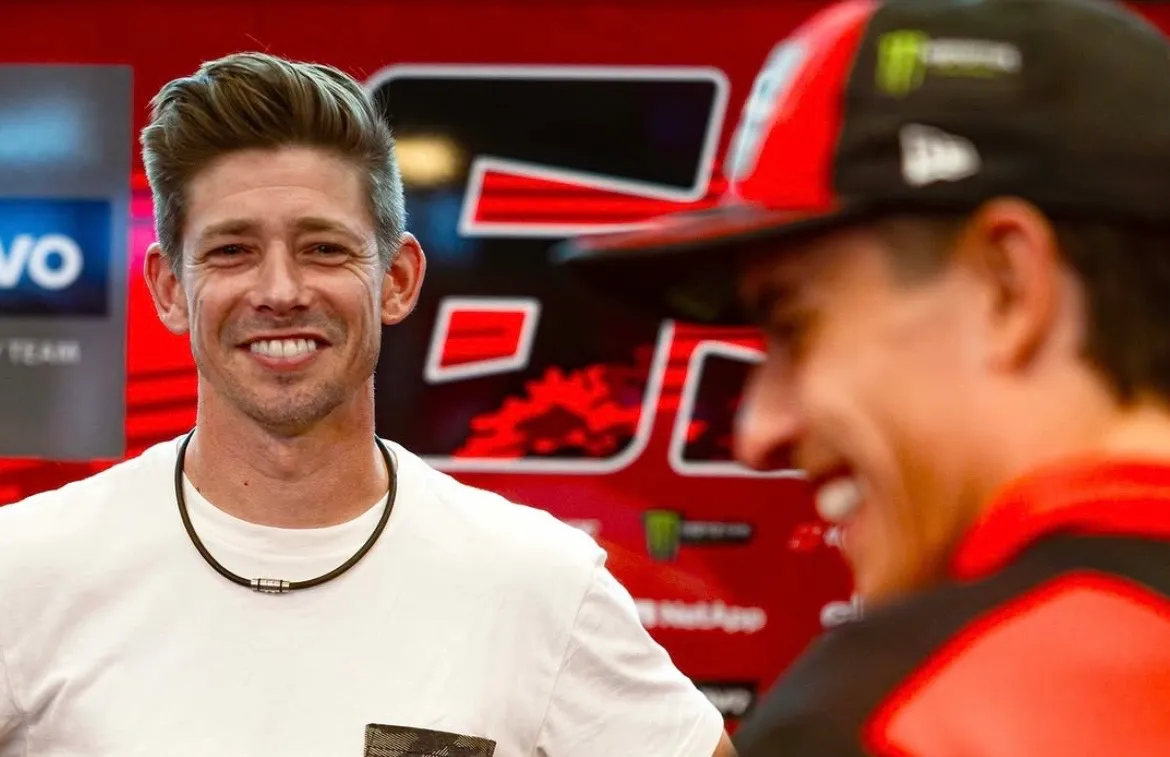
Following the initial evaluation phase, Miller underlined the importance of returning to a familiar base set-up to build confidence and consistency. According to the Australian, knowing precisely how the bike reacts when track conditions change is essential before the season begins, particularly as temperatures and grip levels fluctuate.
“When the temperature changes, that’s when you need to know what your bike is going to do,” Miller explained.
“Now we need to start consistently running the same set-up, make it familiar, and understand it properly.”
He also identified several priority areas for Yamaha’s ongoing work, including electronics, engine performance characteristics, and overall stability. Miller made clear that the current focus is not on one-lap pace, but on establishing a solid technical foundation. Any technical issues encountered during testing, he added, are a normal and necessary part of developing a new project, while praising the collective effort of the team across different regions.
“It’s better for these problems to happen now than during a race,” he stated.
The most encouraging aspect of the test for Miller came from race simulations. He revealed that his race pace was stronger than expected, even surpassing his time attack performance, particularly during the latter stages when conditions became more demanding. Miller also pointed to rear tyre management as one of the biggest challenges, especially in controlling traction at high lean angles, but concluded that the work completed so far provides a strong foundation heading into Buriram and the opening phase of the 2026 MotoGP season.
Read Also
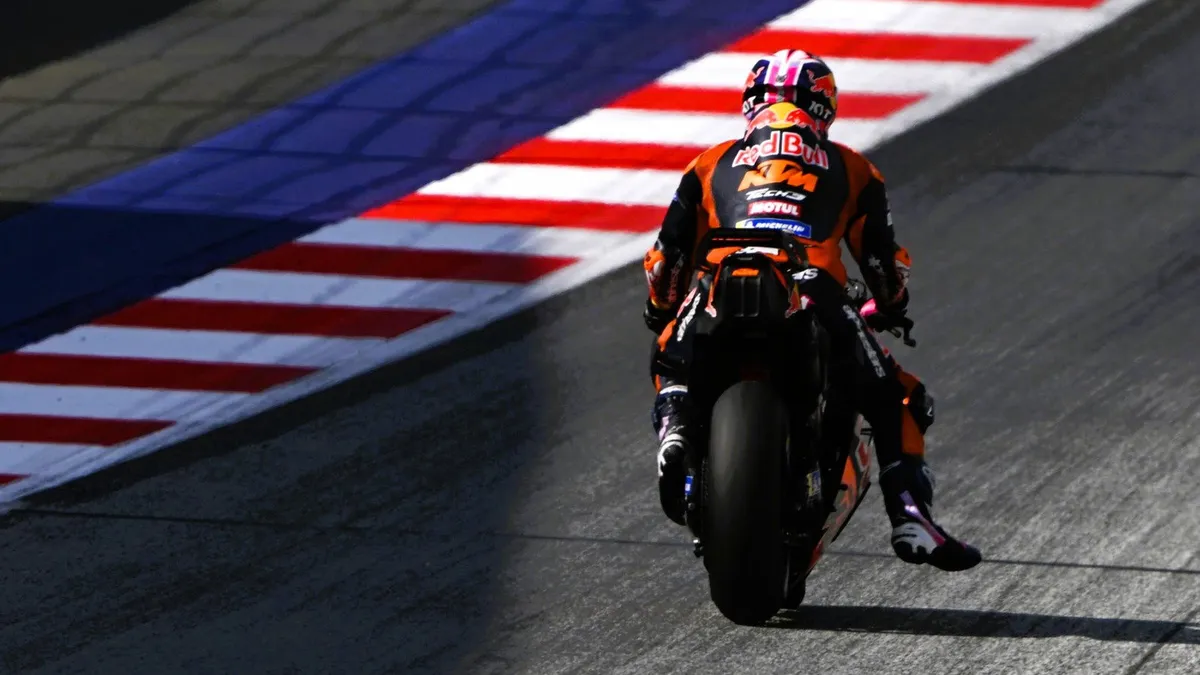
Enea Bastianini menilai uji coba ban Pirelli di MotoGP seharusnya diwajibkan untuk semua pembalap, bukan hanya segelintir. Simak alasannya.
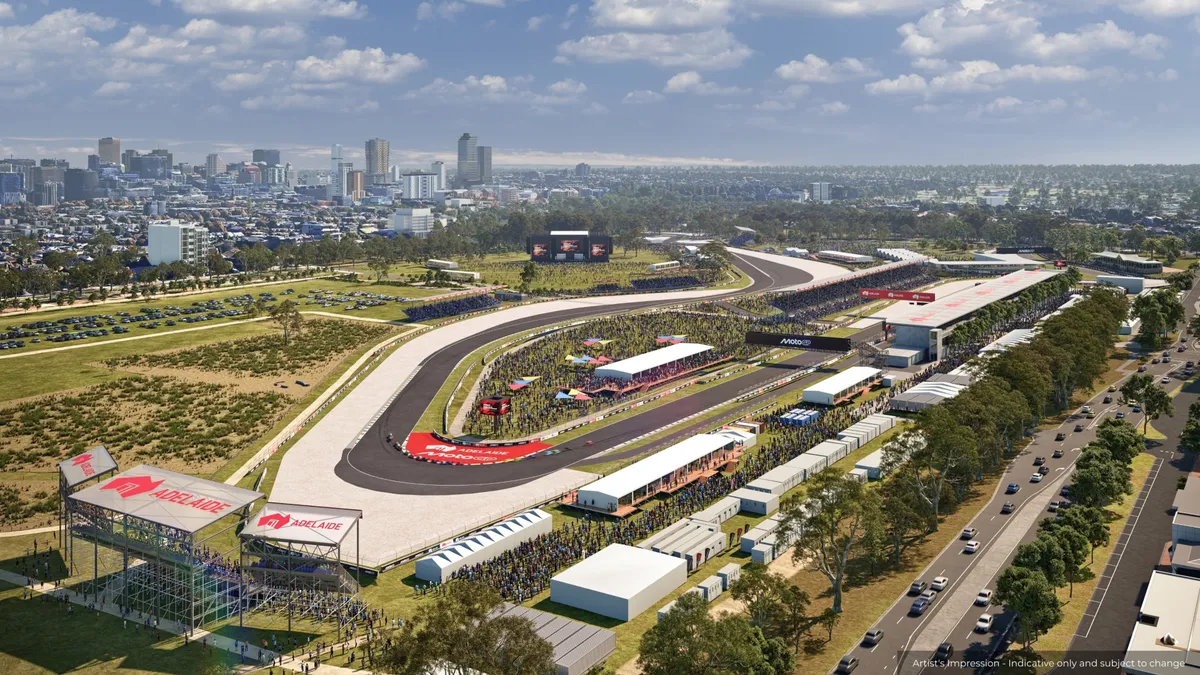
MotoGP resmi merilis kalender 2027 dengan 22 seri, termasuk kembalinya Adelaide sebagai balapan jalanan setelah 28 tahun absen dan debut Buenos Aires.
MotoGP resmi merilis kalender 2027: 22 Grand Prix, Argentina kembali di Buenos Aires, Hungaria hilang, dan era motor 850cc dengan ban Pirelli dimulai.
 Continue with Google
Discussion (0)
Join the Discussion!
Sign in easily to start commenting, replying, and interacting with other readers.
Latest Comments
No comments yet. Be the first!