









The incident between Lewis Hamilton and Liam Lawson in second practice for the Azerbaijan Grand Prix was no ordinary mistake. The FIA deemed Hamilton guilty of 'severe' impeding for blocking Lawson through the high-speed Turns 18/19 at Baku City Circuit. Lawson, travelling at 300 km/h, had to brake and take evasive action, sparking anger on the team radio.
"Oh my God. That is so f**king dangerous," Lawson said. However, the root cause was not the usual inattention in practice. It was a fundamental risk point that had been warned about ahead of the weekend, due to the energy-starved 2026 cars and Baku's layout.
The speed difference between the Ferrari and the Racing Bulls was not because one was flat out and the other cruising. Both were flat out. But Hamilton was only doing 250 km/h while Lawson was at 300 km/h because Hamilton's power unit was in 'auto-k' mode, where the battery is not deployed and he is only running on the internal combustion engine. This happens in that area because teams do not want to waste battery energy before the start line.
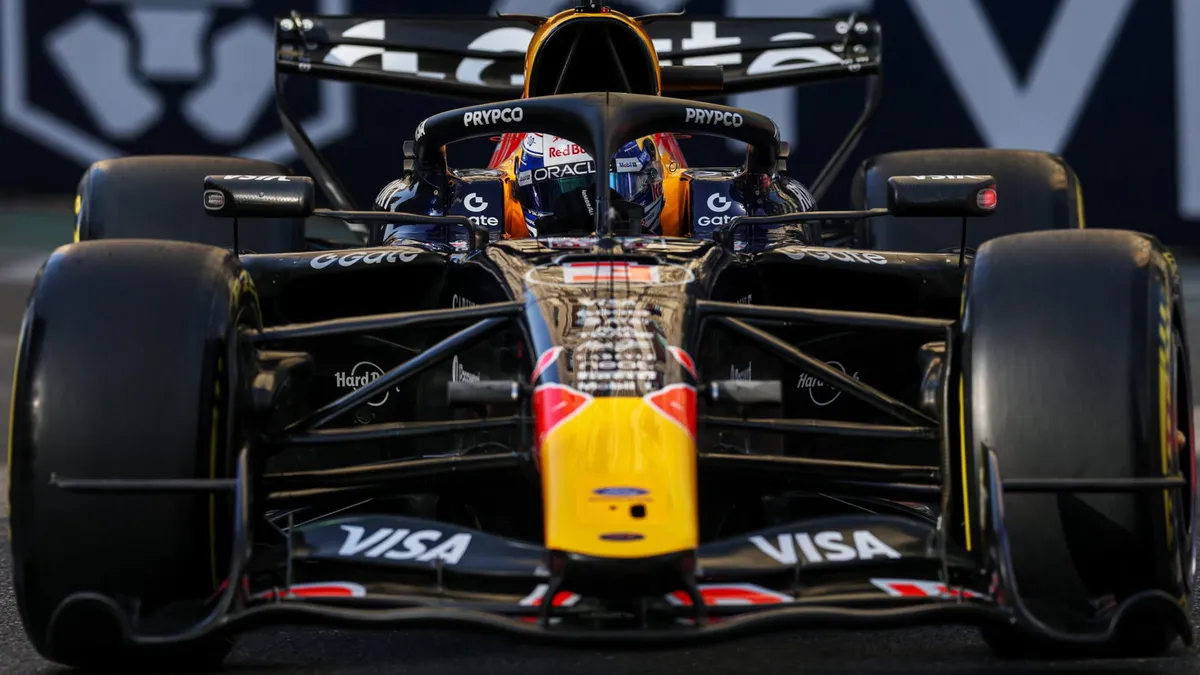
There is a set point on the straight after Turn 19 where the MGU-K kicks in and delivers the power boost for maximum speed. Teams and drivers knew that speed offsets between out-laps (not using battery) and full deployment would exist. That is why F1 race director Rui Marques issued revised event notes on Thursday morning to avoid a collision risk through Turns 18/19.
Marques demanded that drivers on out or slow laps keep to the extreme left from the exit of Turn 16 to Turn 18, and manage gaps to cars behind. In theory good, but in practice hard as teams struggled to learn the required gaps. Hamilton thought a four-second buffer was enough, but it was not. "I was four seconds ahead and went into the last corner pushing. I could see him. I thought the gap was enough. I got into full throttle. And then literally, as we got into Turn 18, it's like the car just died, and he swamped up the gap massively. That could happen to anyone," Hamilton explained.
Lawson had some sympathy for Hamilton's situation. "I know he didn't do it on purpose. But still, it's very dangerous," he added. This incident serves as a stark warning for F1 and the FIA to find a solution before the race. With 2026 regulations relying on battery energy, managing deployment strategies becomes crucial, especially at circuits like Baku with long straights and fast corners.
The event also highlights the importance of communication between teams and drivers in managing energy modes. In the future, the FIA may need to review rules on battery usage during practice and qualifying. Clearly, the Hamilton-Lawson incident is a valuable lesson that extreme speed differences on track can lead to disaster.
Read Also
Mercedes tampil dominan di sesi latihan F1 Baku, tetapi rival meragukan keunggulan tersebut. Simak analisis lengkapnya di Sportrik.
F1 2026 masih menanti kepastian balapan di Qatar dan Abu Dhabi. Imola disiapkan sebagai opsi cadangan jika konflik Timur Tengah berlanjut.

Corinna Schumacher berbagi kenangan manis tentang Michael Schumacher dalam dokumenter Netflix terbaru, termasuk momen mengharukan dan cerita lucu dari penggemar.
 Continue with Google
Discussion (0)
Join the Discussion!
Sign in easily to start commenting, replying, and interacting with other readers.
Latest Comments
No comments yet. Be the first!