








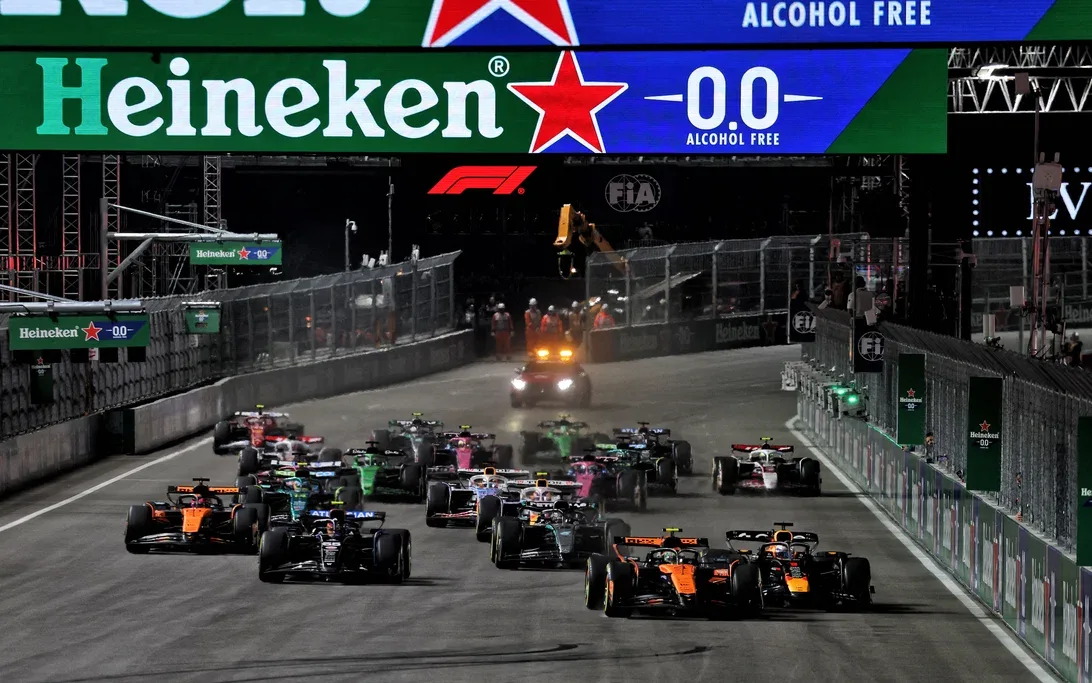
The eagerly anticipated Formula 1 weekend at the Las Vegas Strip Circuit is shaping up to present a technical puzzle unlike anything the grid has faced before. George Russell, the leading charger for the Mercedes squad, has openly detailed why tyre temperatures will pose an unprecedented headache in the Mojave Desert.
A volatile mix of plunging nighttime ambient temperatures and cutting-edge aerodynamic regulations has created a severe mechanical hurdle. Temperatures for the start of both qualifying and the 50-lap main race are expected to hover around 12 degrees Celsius, only to drop further as the on-track action unfolds under the neon lights.
This thermal dilemma is critically compounded by the introduction of the new Straightline Mode, which replaces the traditional DRS system. Unlike the old setup that only tweaked the rear wing flap, the SM system opens moveable flaps on both the front and rear wings simultaneously across designated straights, stripping away massive amounts of downforce.
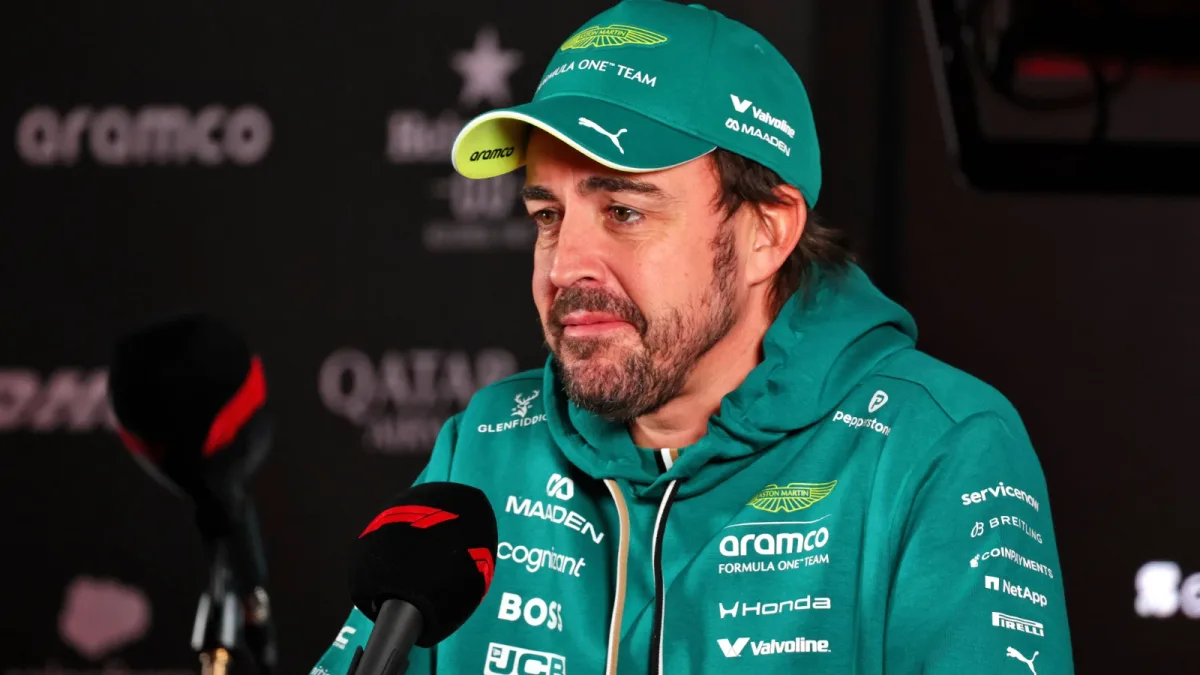
With significantly less load pressing the rubber compounds into the tarmac during the circuit's notoriously long straights, keeping the tyres within their optimal operating window becomes an uphill battle. The British driver explained the sheer scale of the engineering headache.
“It's going to be a lot harder, and one of the extra challenges this time around in Vegas is having the SM modes,” Russell told media members. “So when you go down all the straights and the wings are open, there's much less downforce going through the tyres.”
Russell elaborated on the monumental loss of downward load once the system opens up fully on the back straightaway for sustained periods lasting up to 25 seconds. The loss of massive loads transforms the long flat-out sections into a cooling nightmare for the tyre treads.
“So it's doubly hard to keep the temperature in the tyres,” the Grand Prix winner added. “When you're going down that back straight, 25 seconds, with hundreds of kilos less downforce than we had on the cars last year, probably even thousands of kilos less with the SM open compared to when DRS is closed, it's going to be a challenge.”
Strict energy management requirements further complicate matters on the power-sensitive layout, forcing teams to balance deployment strategies with the desperate need to keep their rubber from going cold before heavy braking zones.
Read Also
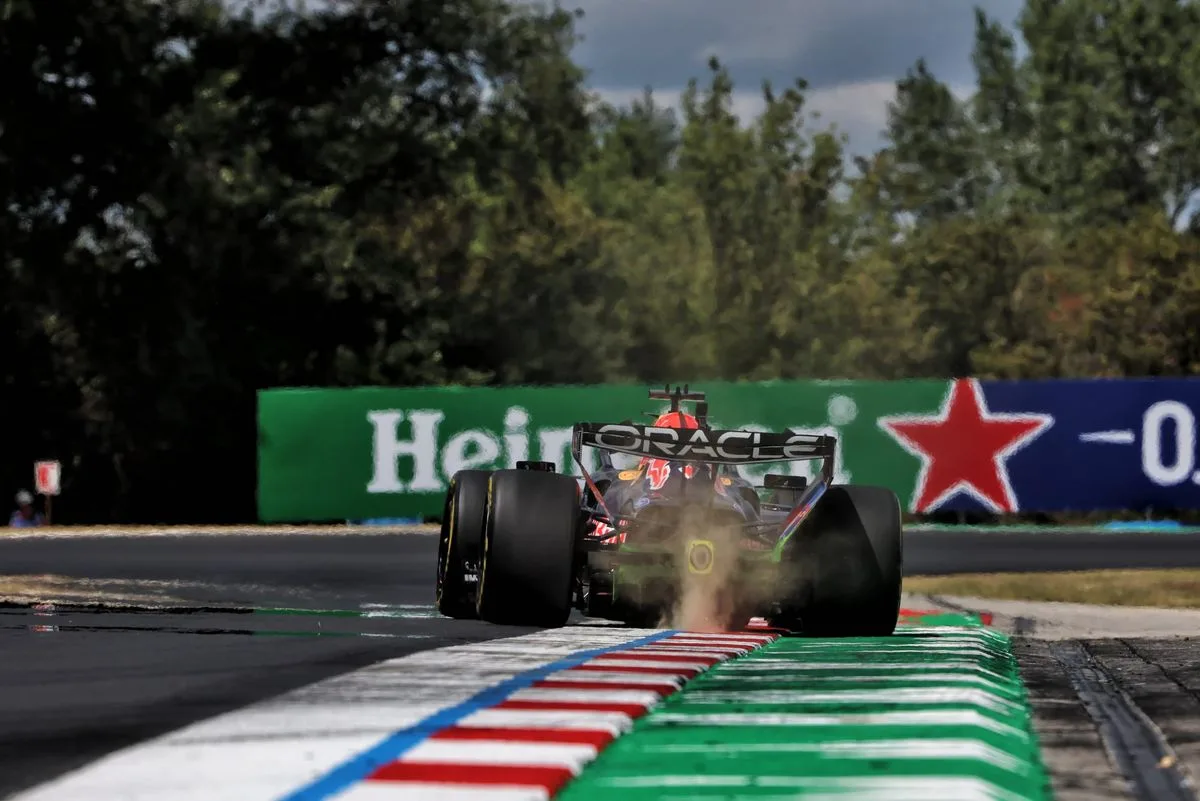
Lukas Chalabala raih tiket musiman F1 2027 di Las Vegas, dikejutkan Max Verstappen. Baca analisis mendalam di sini.
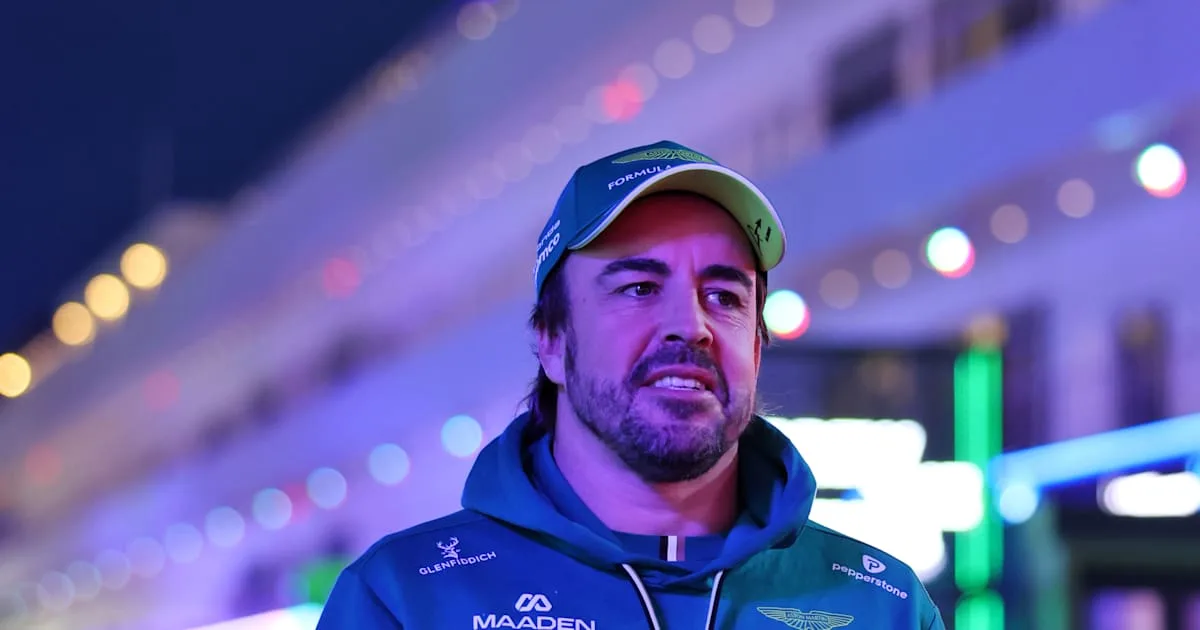
Fernando Alonso memastikan akan pensiun sebelum regulasi mesin V8 F1 diberlakukan. Simak pandangan tajam sang juara dunia mengenai masa depan balap di sini.
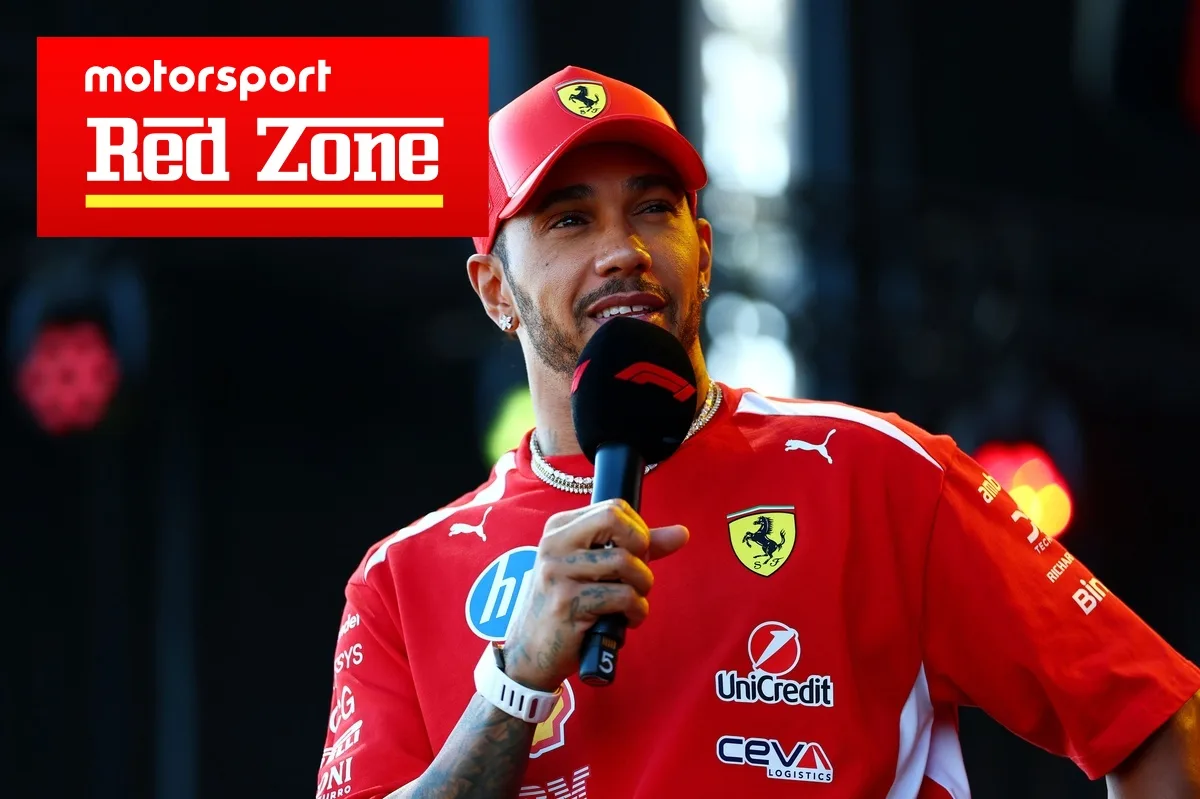
Simak curhatan emosional Lewis Hamilton tentang sisi sunyi paddock F1 dan persiapannya menghadapi Las Vegas GP. Baca analisis lengkap di sini.
 Continue with Google
Discussion (0)
Join the Discussion!
Sign in easily to start commenting, replying, and interacting with other readers.
Latest Comments
No comments yet. Be the first!