








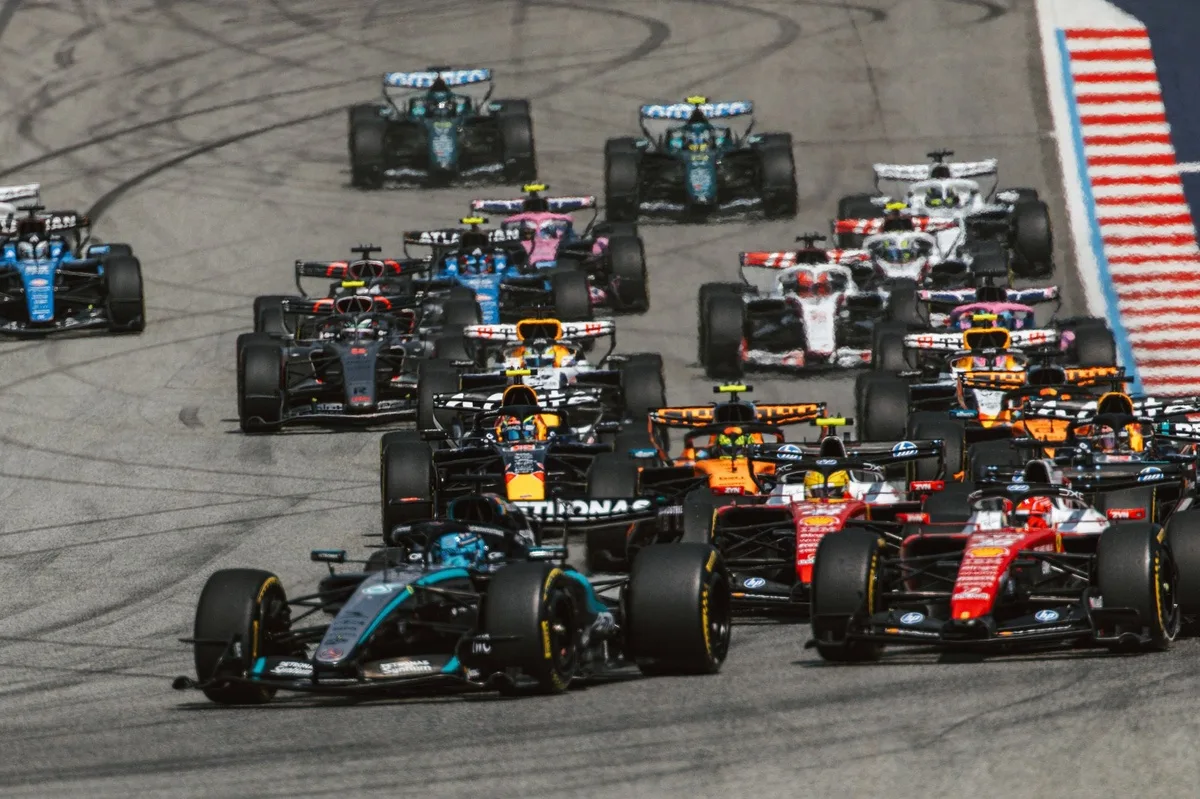
A new era for Formula 1 is on the horizon with the confirmed return of the iconic engine configuration. Stakeholders, including the governing body and power unit manufacturers, have reached a unanimous agreement to adopt a 2.1-litre turbocharged V8 engine starting from the 2030 season. This strategic shift aims to strip away the excessive technical complexity that has burdened the current regulation cycle.
The move is designed to produce cars that are significantly lighter, more agile, and more cost-effective to develop. The new power unit will feature a 200kW electric component, with half of that power dedicated specifically for overtake-mode deployment. This change is intended to revitalize the racing dynamics while restoring the signature engine sound that has been a long-standing request from the global fanbase.
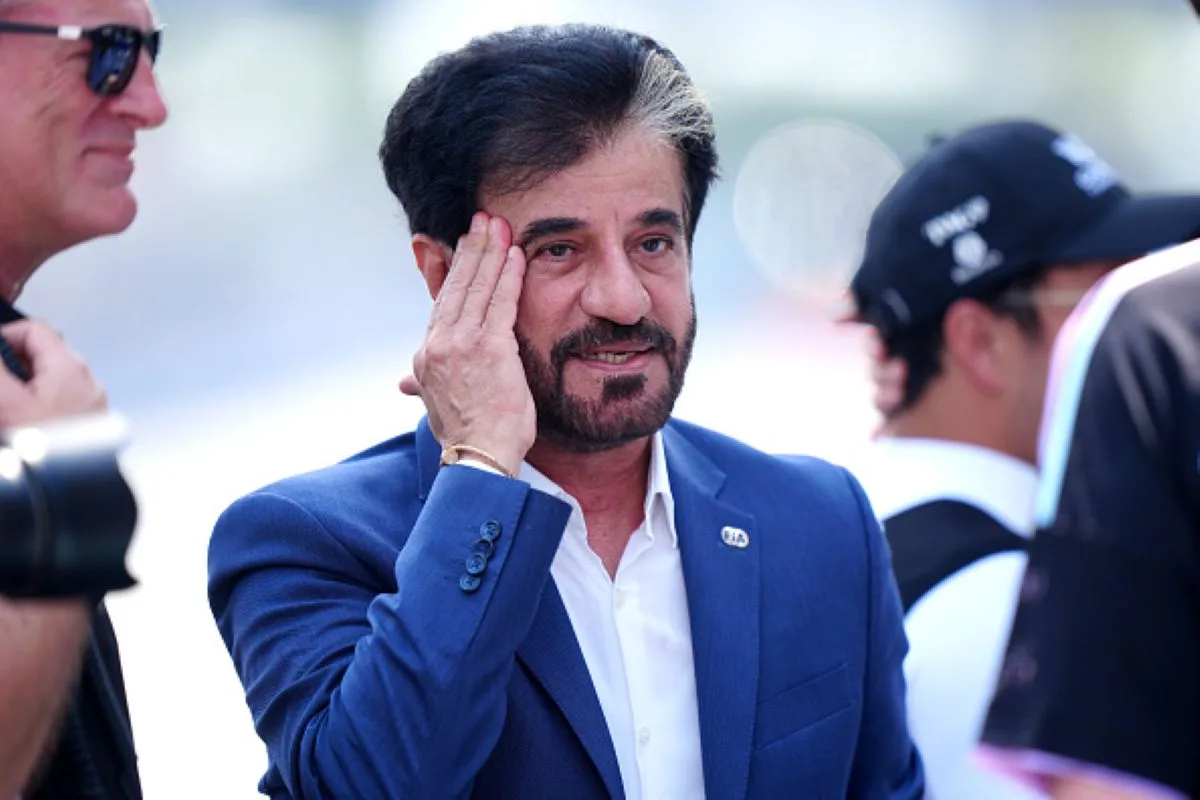
FIA President Mohammed Ben Sulayem emphasized that this agreement marks a major milestone in the sport's future. "From the outset, I have been clear in my ambition to deliver a sport that is more competitive and more exciting for our fans, while remaining at the forefront of innovation and sustainability," he stated. He further noted that the return of V8 engines represents an opportunity to reconnect with the championship's DNA, bringing back the emotion and pure racing loved worldwide.
F1 CEO Stefano Domenicali has been instrumental in pushing this timeline forward. The core vision for the future chassis is to place driver skill back at the heart of the competition rather than relying on heavy, complex hybrid systems. By reducing overall car weight, the sport aims to foster closer racing, demanding greater precision in braking zones and more tactical tire management from every driver on the grid.
While formal approval of the specific technical regulations is still pending, the consensus confirms a shift toward a more purist philosophy. By simplifying the engine architecture, the sport seeks to remove technical bottlenecks that currently limit performance in corners, ultimately allowing for more aggressive maneuvers and dynamic overtaking opportunities across all Grand Prix events.
Read Also
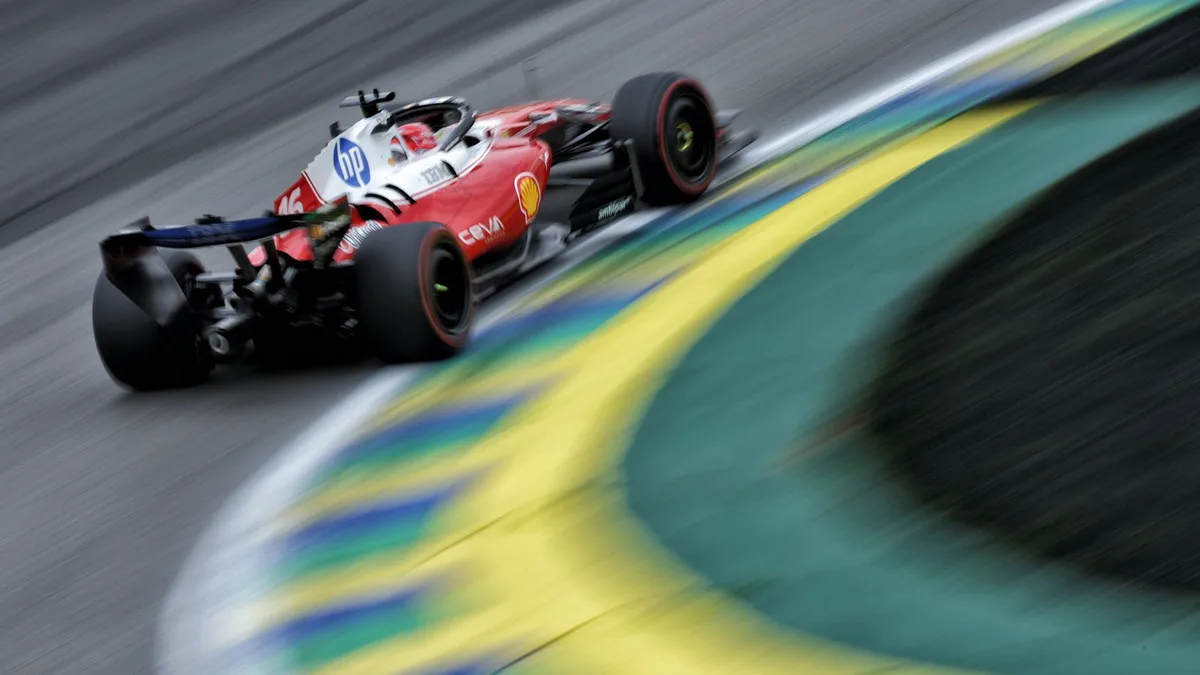
Formula 1 capai kesepakatan bulat kembalikan mesin V8 mulai 2030 demi pangkas biaya dan tingkatkan daya saing. Baca analisis mendalam di sini.
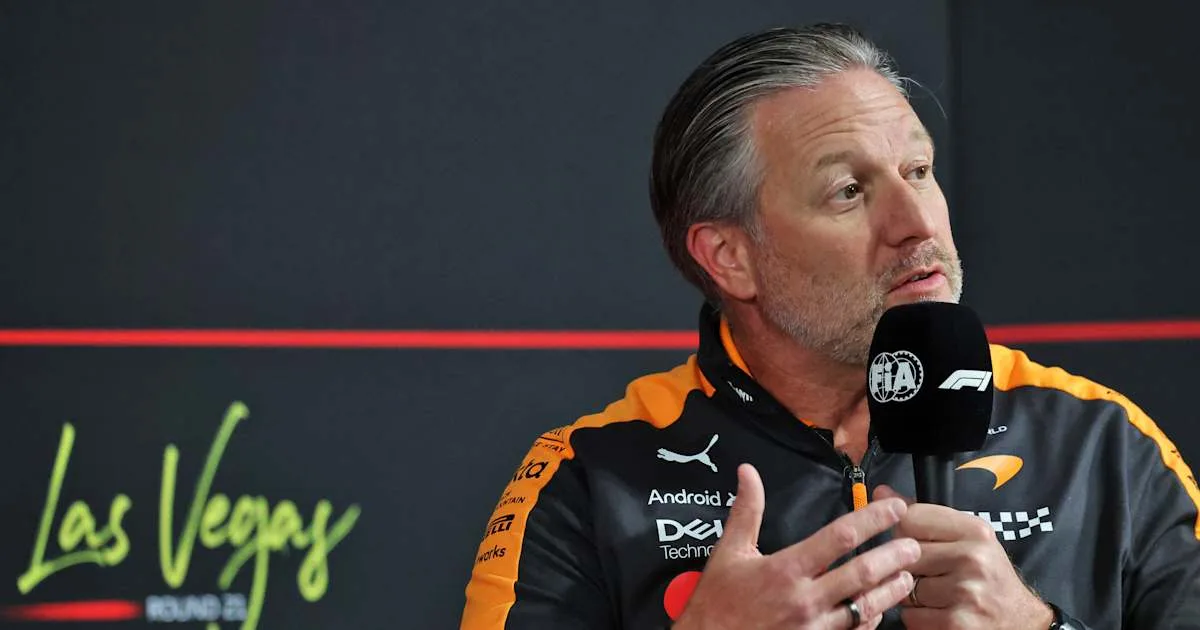
Zak Brown sebut Max Verstappen selalu ciptakan ancaman nyata bagi rival F1. Simak analisis mendalam performa sang juara dunia di sini.
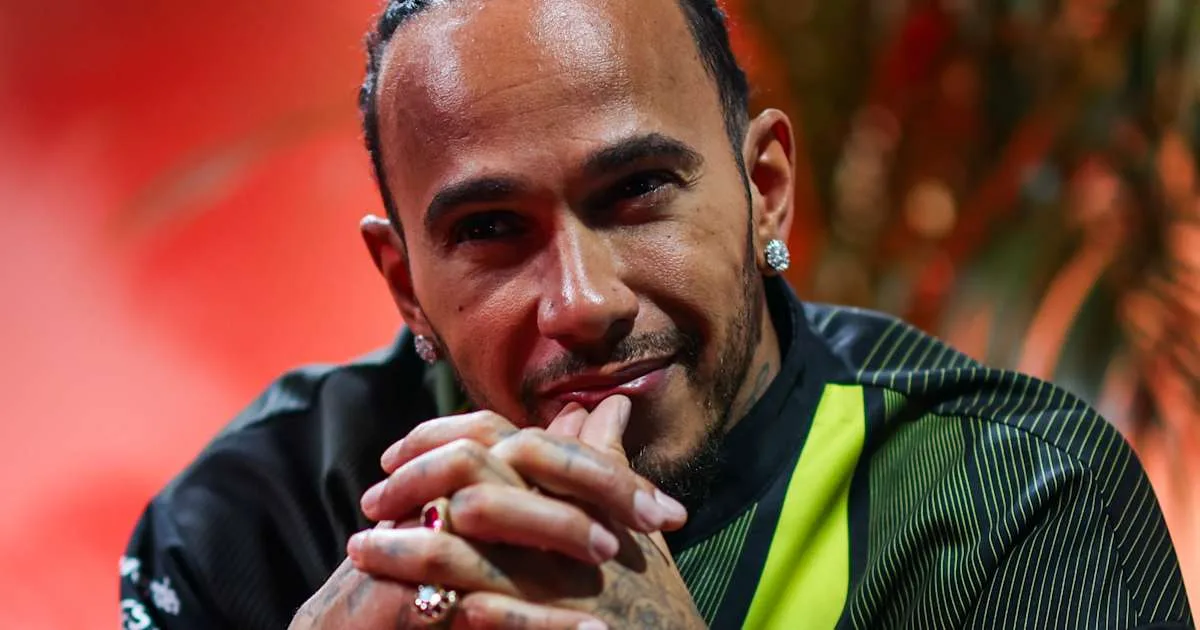
Lewis Hamilton tepis rumor pensiun dan fokus pada kontraknya di Ferrari. Simak analisis lengkap mengenai ambisi sang juara dunia di sini.
 Continue with Google
Discussion (0)
Join the Discussion!
Sign in easily to start commenting, replying, and interacting with other readers.
Latest Comments
No comments yet. Be the first!