







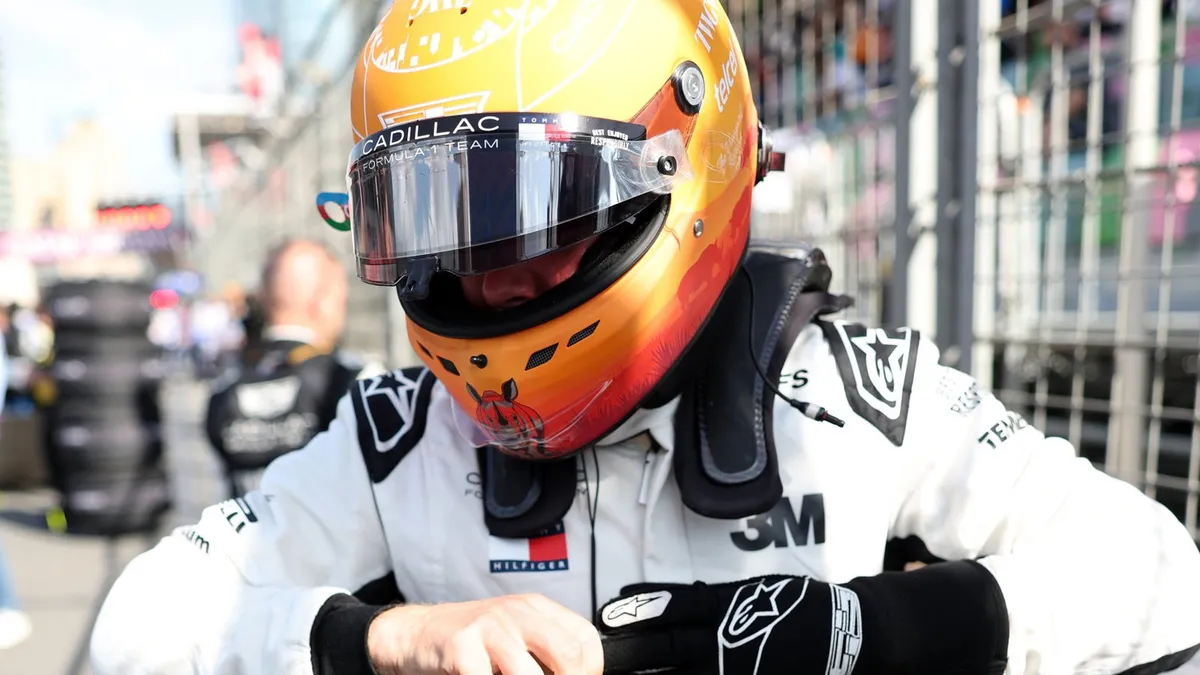

The FIA has provided an official explanation for its decision not to deploy a safety car or virtual safety car (VSC) after Valtteri Bottas crashed late in the Azerbaijan Grand Prix. Bottas, driving for Cadillac, hit the barrier at Turn 15 with only a few laps remaining, leaving his wrecked car stranded on the track. Instead of halting the race, the race director opted to manage the incident with double waved yellow flags.
The decision sparked discussion among fans and pundits regarding safety standards. However, an FIA spokesperson explained that the race director deemed the incident manageable with double yellows because drivers were able to cut the apex at Turn 15, and the fact that it is a slow corner meant the isolated incident did not require further intervention. "The race director was happy to let the field race to the finish line because drivers were able to cut the apex at Turn 15 and the fact it is a slow corner meant the isolated incident could be successfully managed by double yellows," the FIA spokesperson told Crash.net.
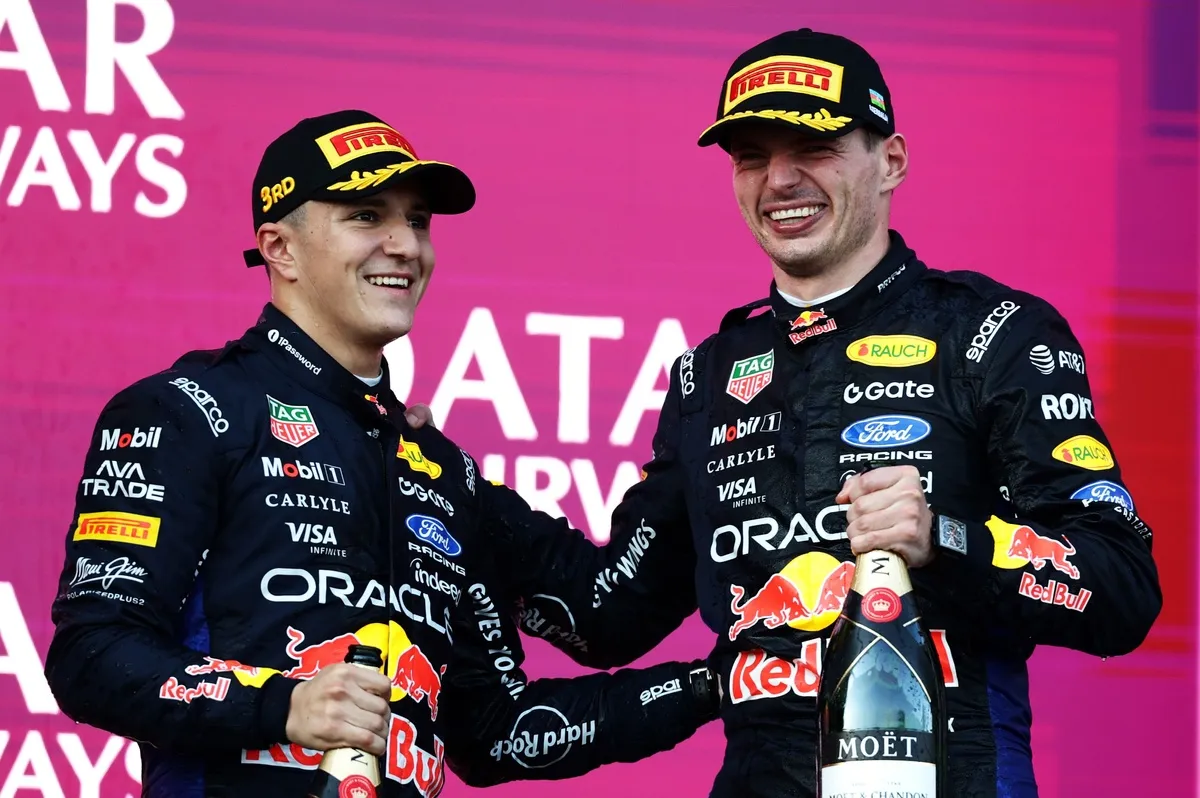
The race continued with a fierce battle between George Russell and Max Verstappen. Both passed the scene of Bottas' accident on their way to the chequered flag and engaged in a tight fight for victory. Russell held off Verstappen to win by just 0.196 seconds, marking the closest finish in F1 since the 2002 Austrian Grand Prix. Green flags were shown after they passed Bottas' car, allowing the duel to continue to the line.
Bottas himself revealed that a technical problem on his Cadillac caused the crash. "It was quite strange. I went off in turn one on that same lap, so I think the system's got a bit confused," the Finn explained. "I'd had a big super-clip, like 100 metres, and then only the front brakes would probably work. So it's almost like I wasn't harvesting anymore with the rears."
The incident also prompted a stewards' investigation because Bottas remained in the vicinity of his car after the crash. In their verdict, the stewards noted that Bottas explained he exited the car, replaced the steering wheel, and proceeded to the rear to ascertain whether a technical issue may have contributed to the incident. "The Stewards noted that the driver remained in the vicinity of the car for a relatively extended period of time rather than moving promptly to a place of safety. During the hearing, the driver acknowledged that he could have left the area more quickly and confirmed that, in similar circumstances in the future, he would endeavour to do so," the verdict read.
The stewards considered whether the driver's actions constituted an unsafe act or a failure to take reasonable measures resulting in an unsafe situation within the meaning of Article 12.2.1.h of the FIA International Sporting Code. Having considered the circumstances, including the location of the car and the prevailing track conditions at the time, the stewards determined that the situation did not present a significant level of danger. The stewards also acknowledged that Bottas had cooperated and no penalty was imposed.
The FIA's decision not to deploy a safety car or VSC drew mixed reactions, but the official explanation underscores that driver safety remains the top priority. The Bottas incident became a notable talking point in a dramatic race at the Baku City Circuit, where Russell ultimately emerged victorious.
Read Also
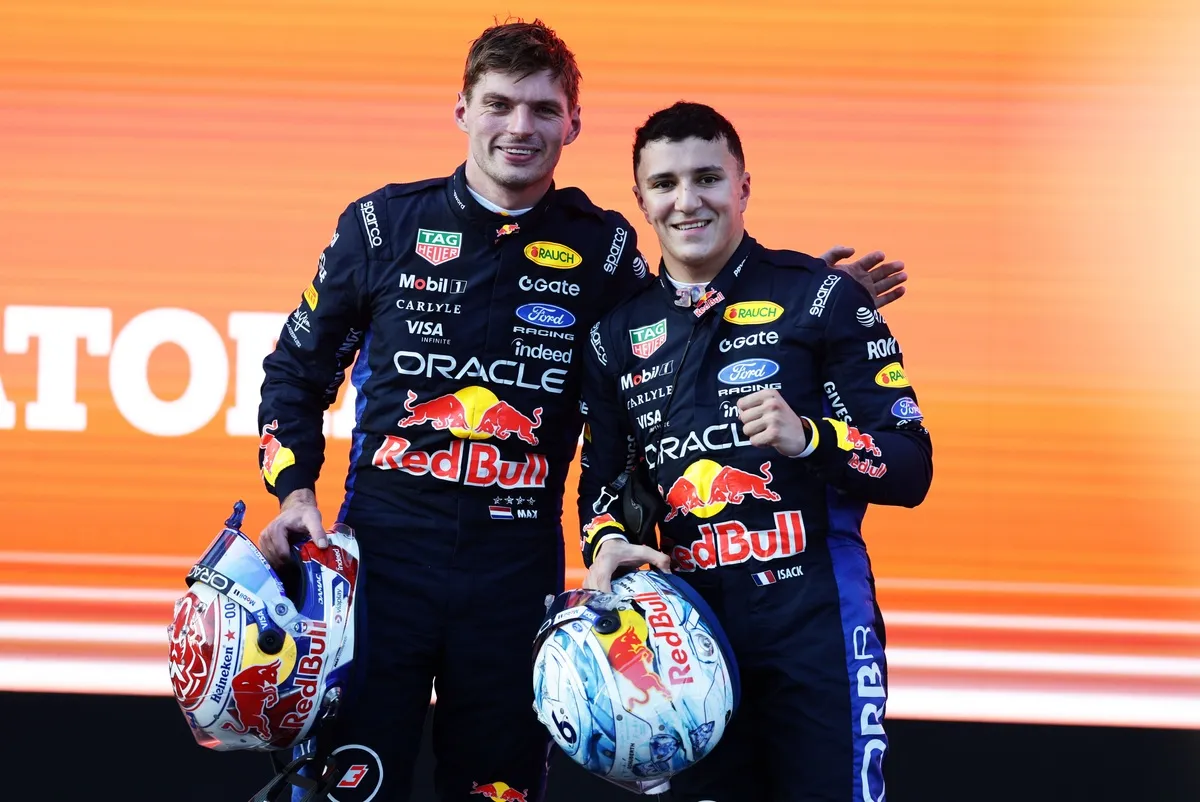
Isack Hadjar kembali ke F1 di GP Azerbaijan dan langsung impresif. Red Bull terkesan dengan kecepatan, komunikasi radio, dan kerja samanya dengan Verstappen.
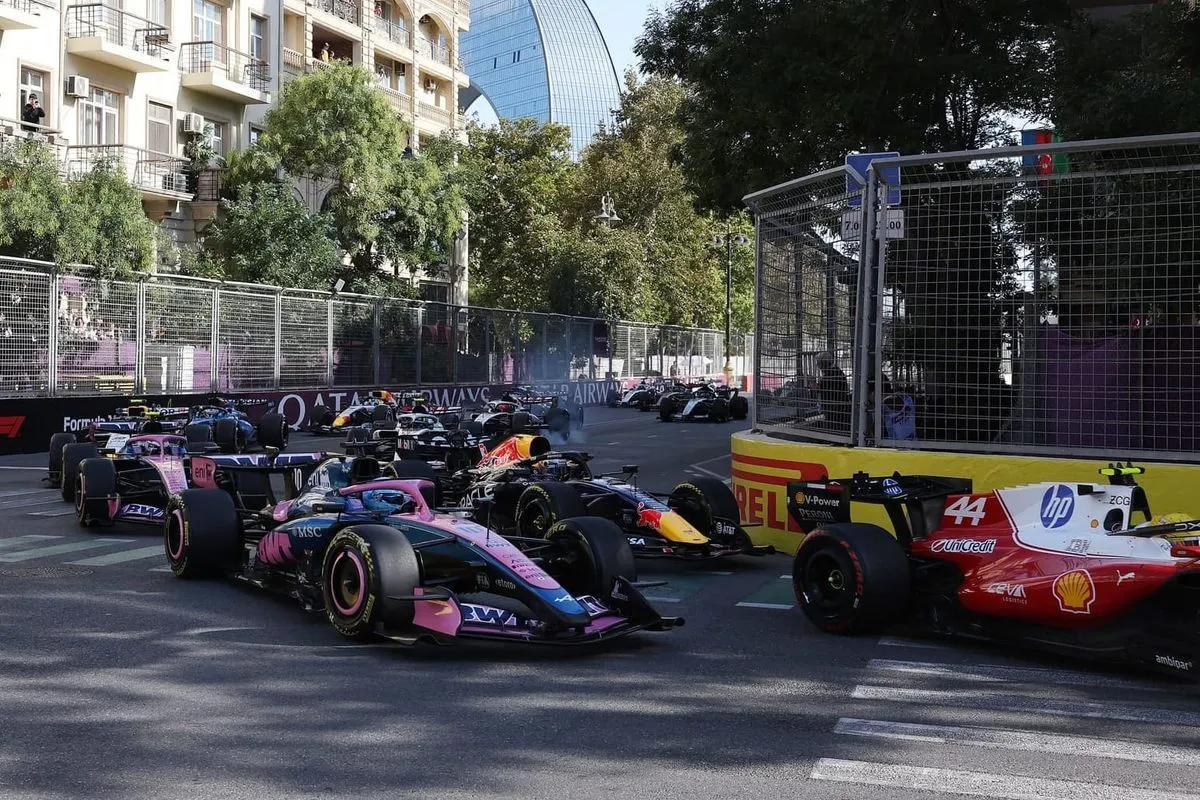
Ranking pembalap F1 GP Azerbaijan 2026: George Russell tampil terbaik, Verstappen kedua, Sainz DNF. Simak analisis lengkapnya di sini.
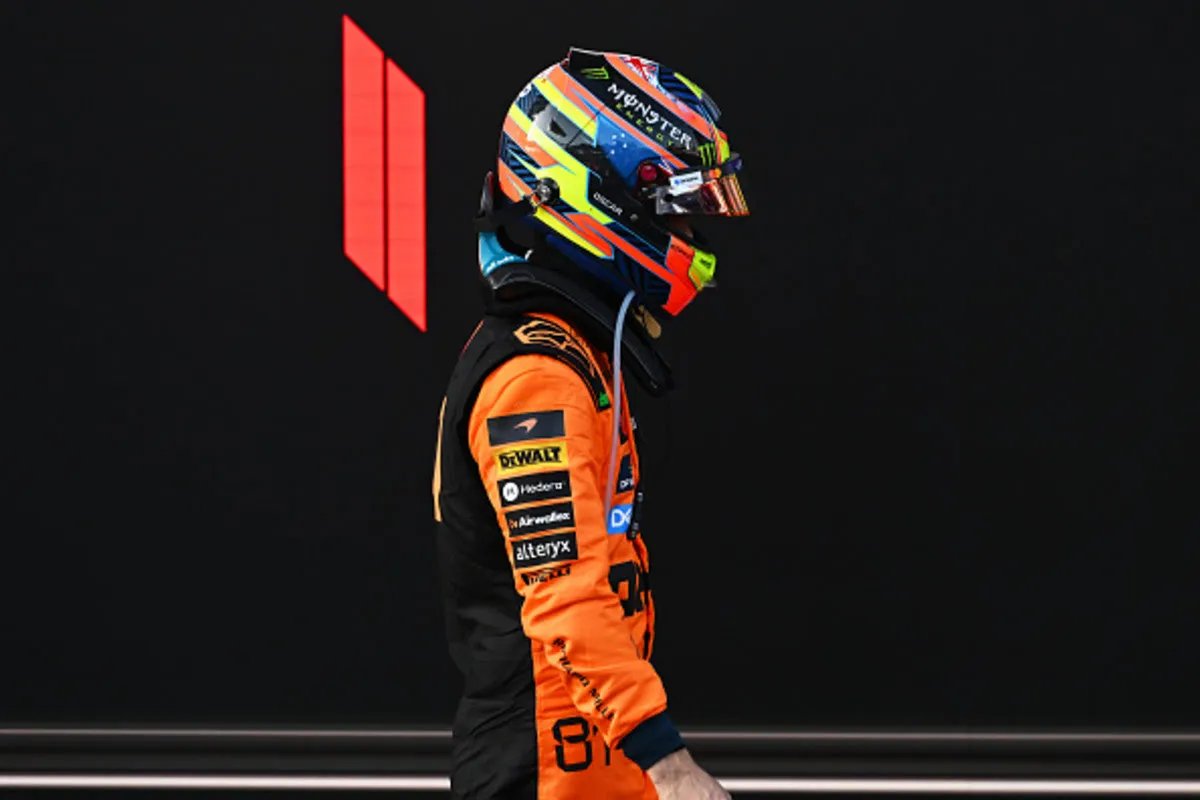
Oscar Piastri gagal finis di zona poin setelah blunder di Tikungan 1 GP Azerbaijan. Peluang podium McLaren sirna, begini komentarnya.
 Continue with Google
Discussion (0)
Join the Discussion!
Sign in easily to start commenting, replying, and interacting with other readers.
Latest Comments
No comments yet. Be the first!