






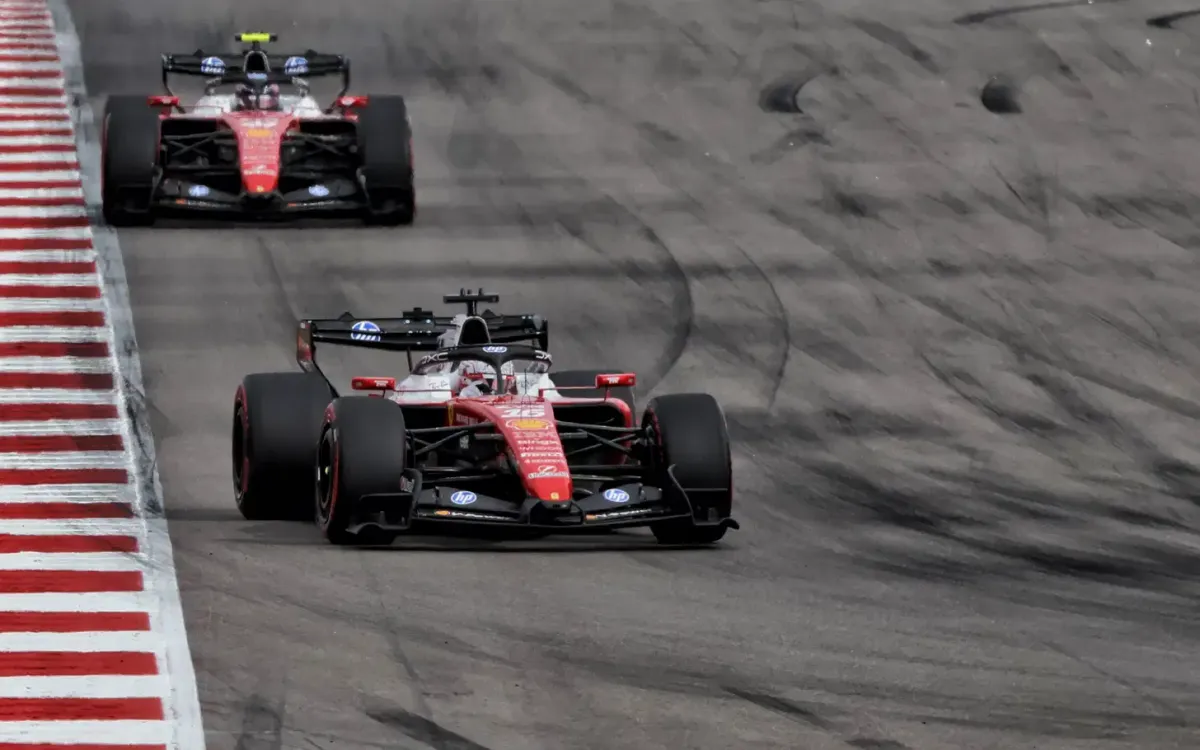

Ferrari's final major aerodynamic upgrade package of the Formula 1 season delivered encouraging results at the United States Grand Prix in Austin. Still, the performance of the SF-26 has also underlined the critical importance of addressing its power unit deficit for the 2027 campaign, as detailed by technical insights. The speed shown in Texas should not be attributed solely to the latest developments, but rather to the cumulative effect of successive upgrades building on previous foundations.
It became apparent early in the year that the SF-26 was a remarkably receptive platform for technical development. Every package introduced by Ferrari delivered expected gains because the underlying car concept provided a solid structure. Throughout the rounds, the team progressively addressed initial weaknesses, including excessive aerodynamic drag, while successfully broadening the operating window across diverse circuit layouts.
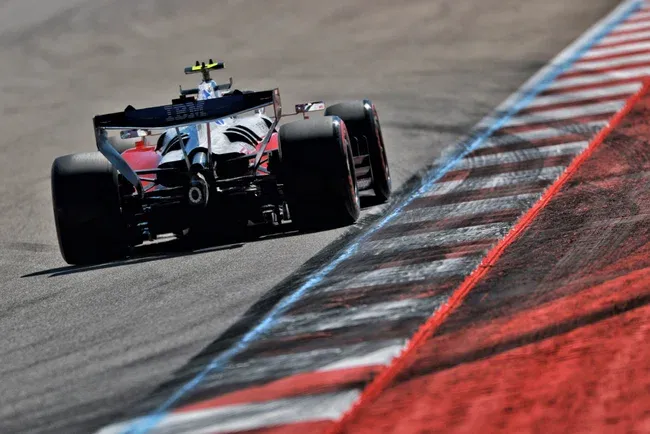
The engineering group led by Loic Serra successfully balanced aerodynamic demands with mechanical characteristics during this evolution. Crucially, these upgrades helped compensate for limitations imposed by the power unit, whose output remained a relative weakness. As the chassis improved alongside stellar feedback from Charles Leclerc, those engine shortcomings became increasingly difficult to overlook, even drawing praise from rival engineers regarding the chassis architecture.

Interestingly, the power unit shortcomings do not stem from packaging compromises made to prioritize aero performance. Instead, they originate from fundamental design decisions within the power unit itself, such as the adoption of a smaller-diameter turbine that influences output independently of chassis installation. This means the performance deficit cannot simply be resolved through aerodynamic repacking alone.
Looking ahead to 2027, the engine department led by Enrico Gualtieri has a definitive objective to provide a completely new power unit design. Backed by a substantial body of performance data gathered throughout the year, engineers can now execute fundamental revisions. With Lewis Hamilton and the team witnessing the true potential of the chassis, the ultimate challenge for the next generation is ensuring the engine matches the rest of the car.
Read Also
Simak pengakuan jujur Daniel Ricciardo tentang fase terberat usai hengkang dari F1 dan rasa syukurnya. Baca analisis mendalam di sini!
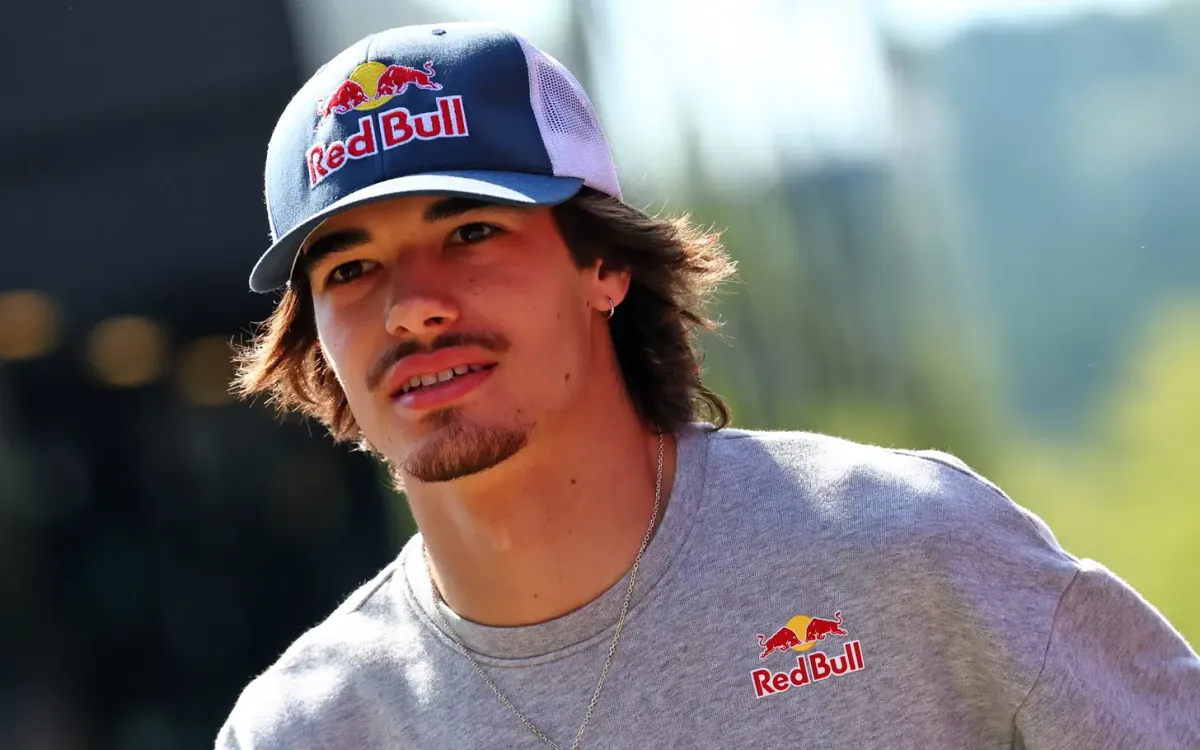
Nikola Tsolov jalani debut FP1 GP Meksiko bersama VCARB 03 gantikan Liam Lawson. Simak analisis mendalam, regulasi rookie, dan persiapan akhir pekan ini.
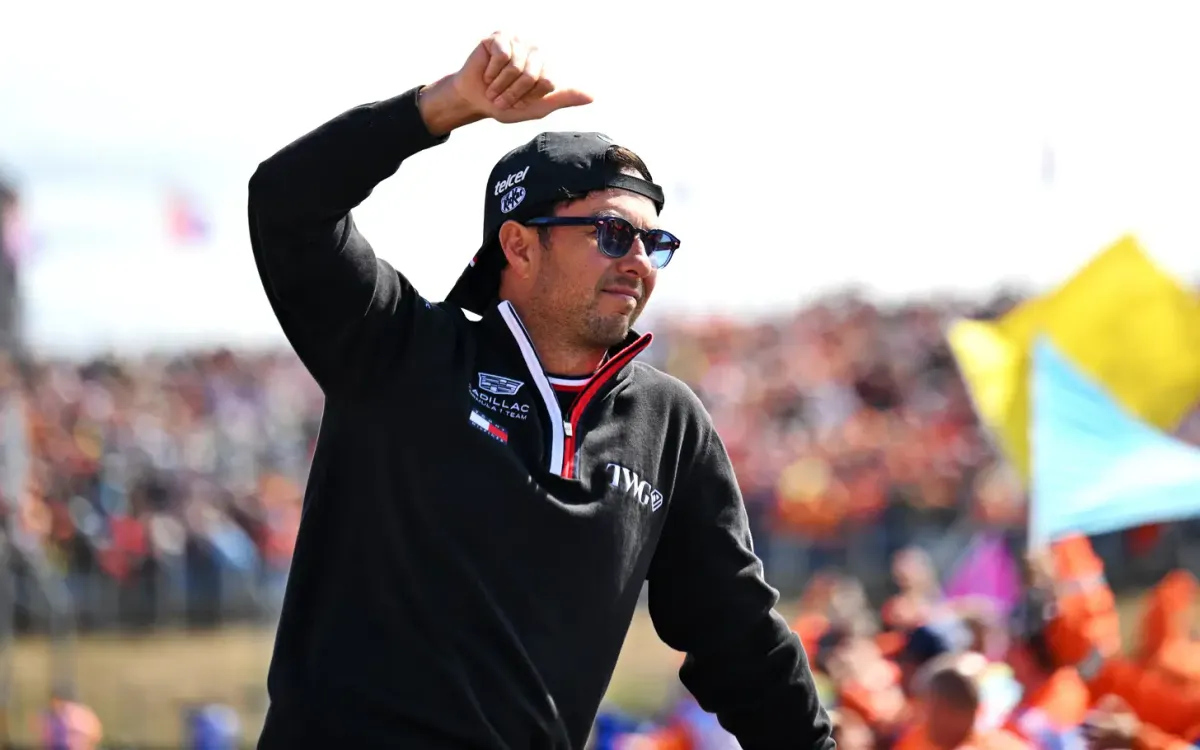
Sergio Perez catat sejarah 300 start F1 di kandang sendiri. Simak analisis rekor milestone pembalap Meksiko ini dan daftar legenda elit di sini.
 Continue with Google
Discussion (0)
Join the Discussion!
Sign in easily to start commenting, replying, and interacting with other readers.
Latest Comments
No comments yet. Be the first!