







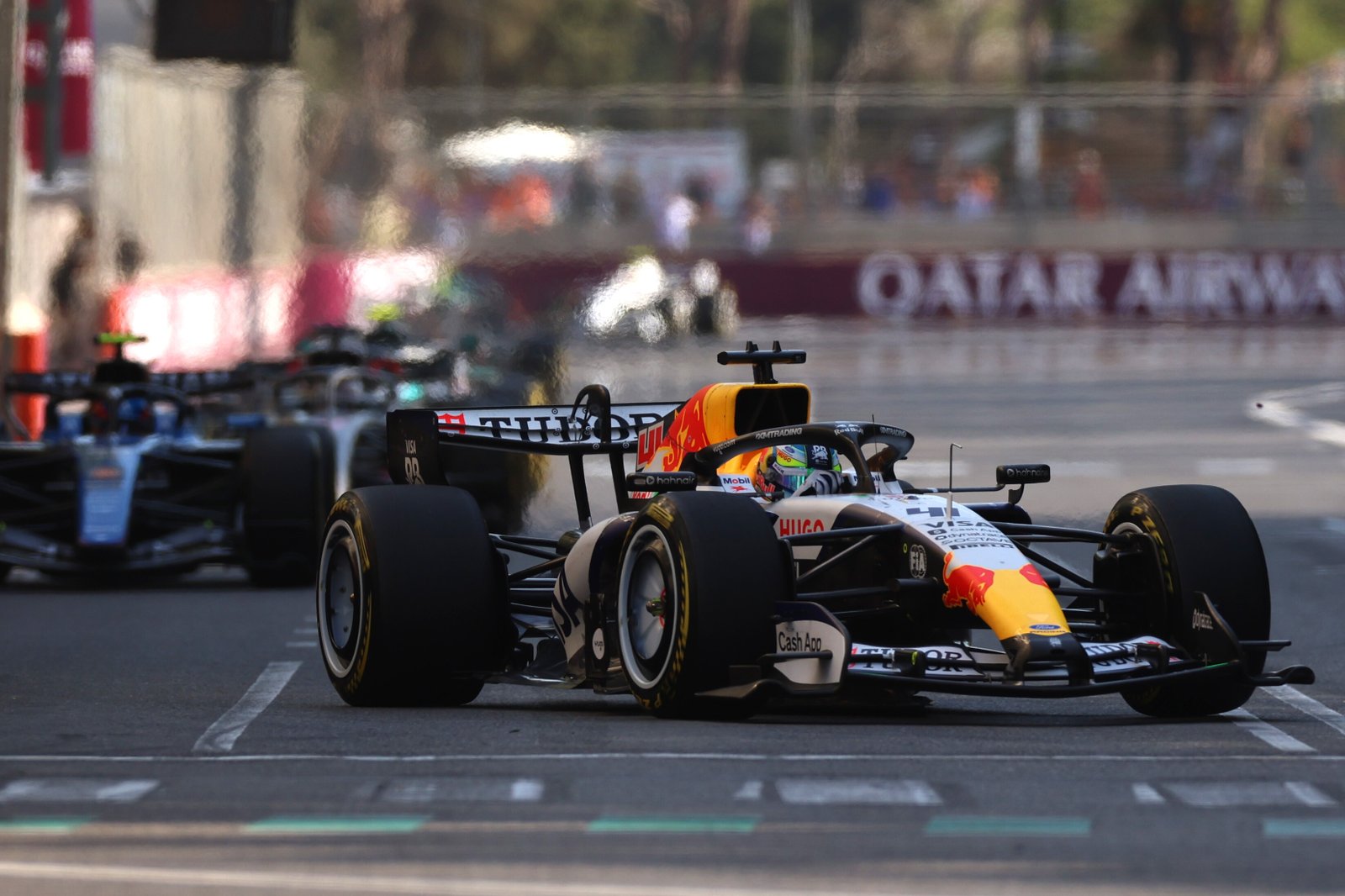

Formula 1 is moving closer to a major engine regulation overhaul after the sport's stakeholders reached an agreement on the direction of its next power unit. According to information understood by RacingNews365, F1 is heading towards a 3.0-litre turbocharged V8 engine with a simplified electrical system and a minimum 50kg reduction in weight.
The regulations are being considered for introduction in 2030, one year earlier than the end of the current technical cycle. The proposal would represent a significant change after the 2026 regulations increased the role of the battery and electrical systems within the power unit.
FIA president Mohammed Ben Sulayem had previously outlined his desire to bring V8 engines back to Formula 1. V8 power units were last used in 2013, while the idea of returning to the configuration has received support from several team principals.
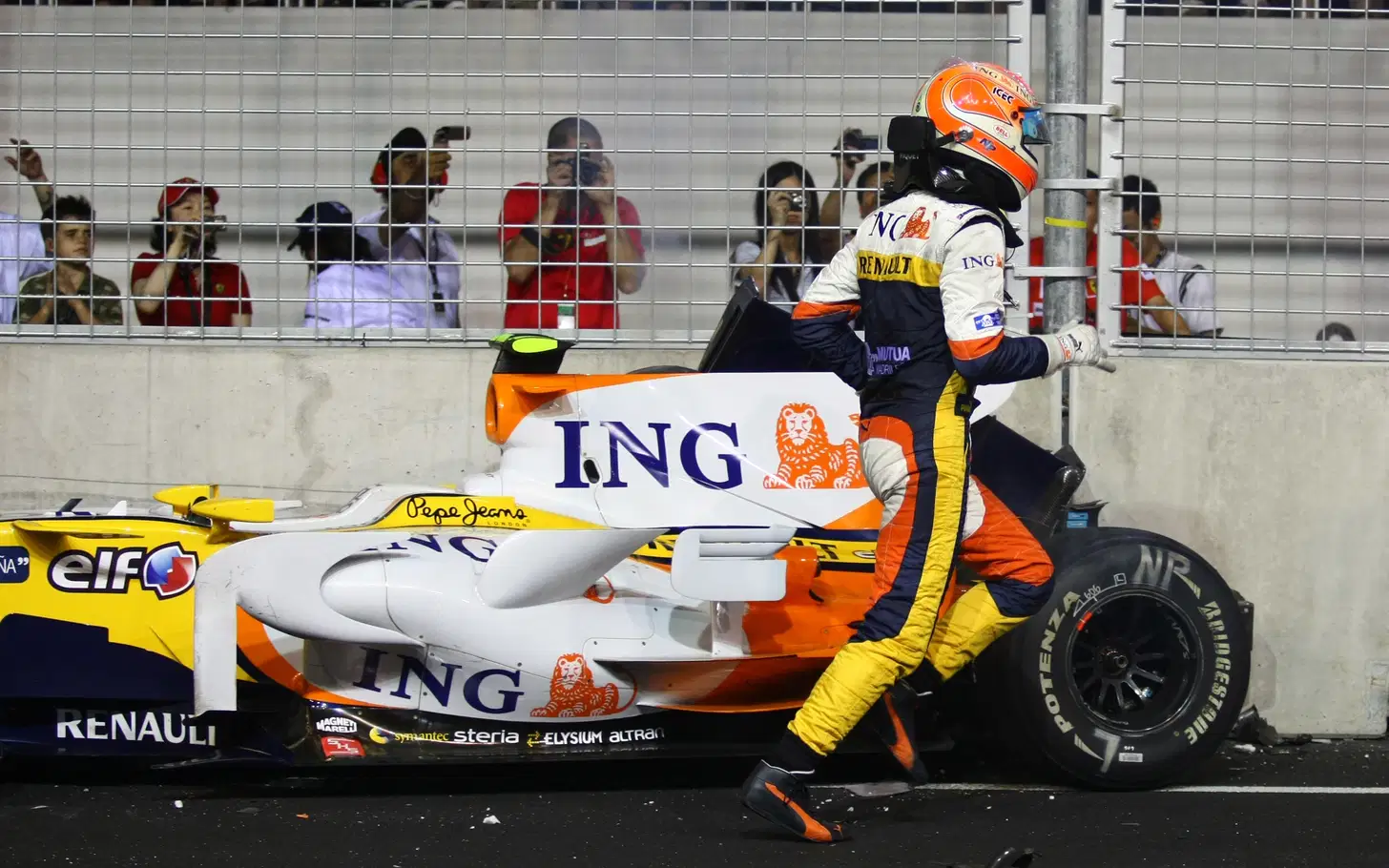
One of the major discussions has centred on whether the next-generation engine should retain a turbocharger or return to a naturally aspirated configuration. Under the direction currently being discussed, the turbocharger is expected to remain. The new engines are projected to be considerably louder than the current power units while still accounting for noise restrictions at street circuits including Melbourne, Miami, Madrid, Singapore, Baku and Las Vegas.
Electrification will not be removed entirely. The proposed regulations are expected to feature a 100kW electric motor, a substantial reduction from the 350kW electrical component used in the current generation of power units. The intention is to retain a connection with the automotive industry's electrification priorities without reproducing the complexity of the current hybrid system.
Weight reduction is another major target. The new power unit is being designed to be at least 50kg lighter than the current units, addressing several years of complaints over the weight of modern Formula 1 cars.
The regulations must also determine the overtaking aid that will replace DRS, which was used through the end of the 2025 season. Current discussions are based on a push-to-pass philosophy similar to IndyCar, providing drivers with additional power under defined conditions rather than using a mechanical drag-reduction device.
However, the push-to-pass system has not yet been finalised between the FIA and manufacturers. The introduction date also remains unresolved, although 2030 is currently under active discussion. The final timeline will depend on how quickly the remaining technical and regulatory details can be agreed.
Read Also
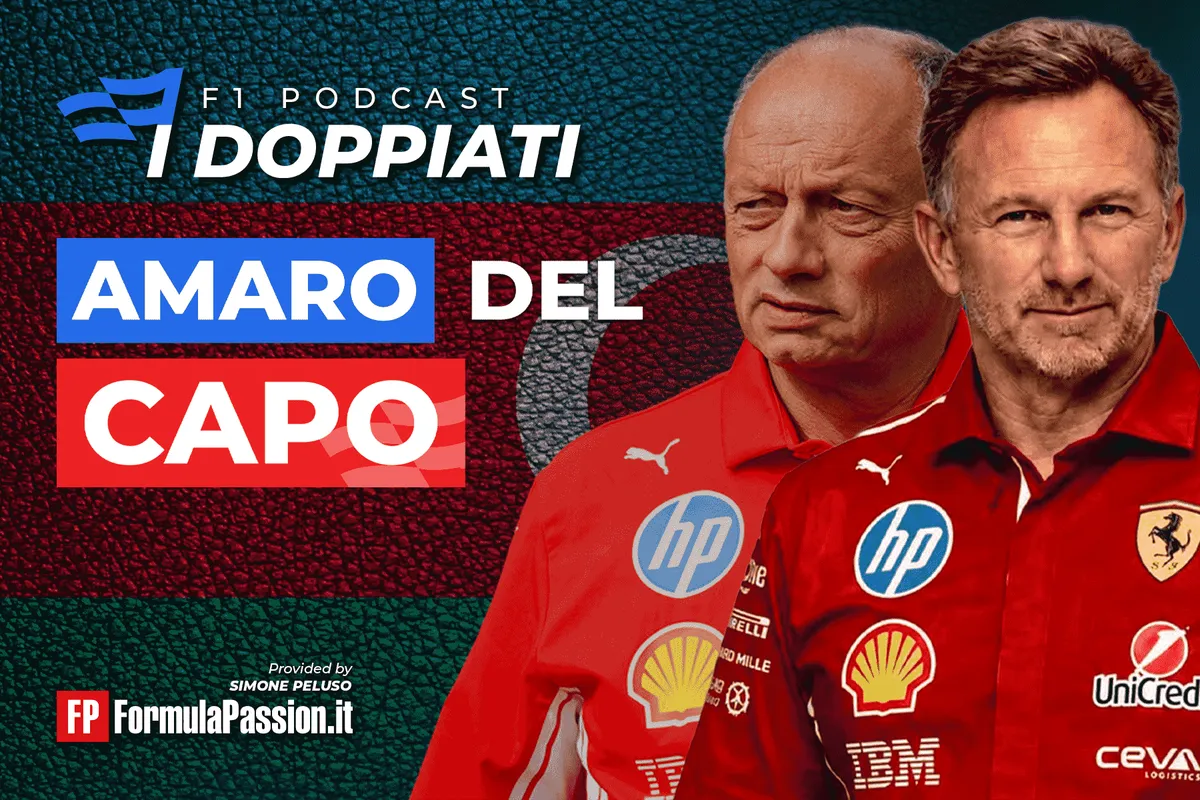
Mercedes bangkit di Baku, Russell menang, Ferrari tenggelam karena defisit mesin. Simak analisis lengkap dan podcast I Doppiati episode 19.
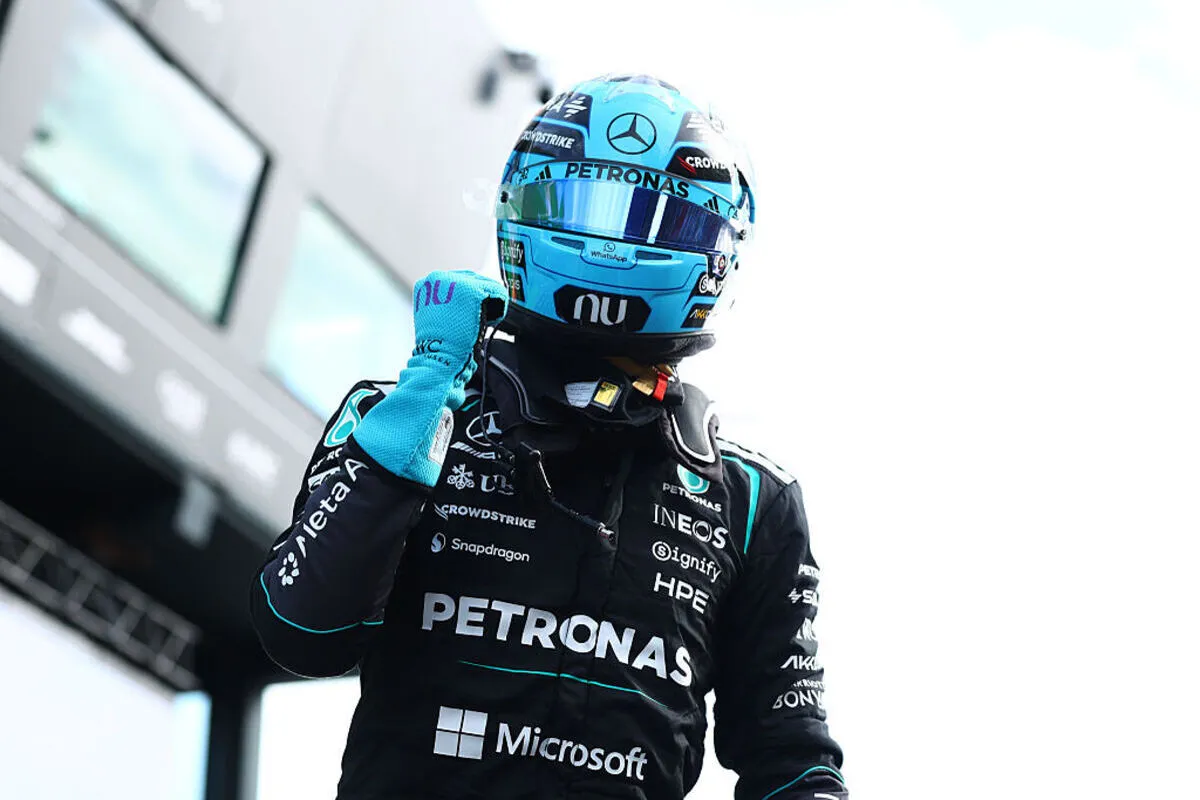
Mercedes resmi menjadi pemasok mesin tersukses di F1 setelah kemenangan George Russell di Azerbaijan, menyalip Ferrari yang bertahan sejak 2004.
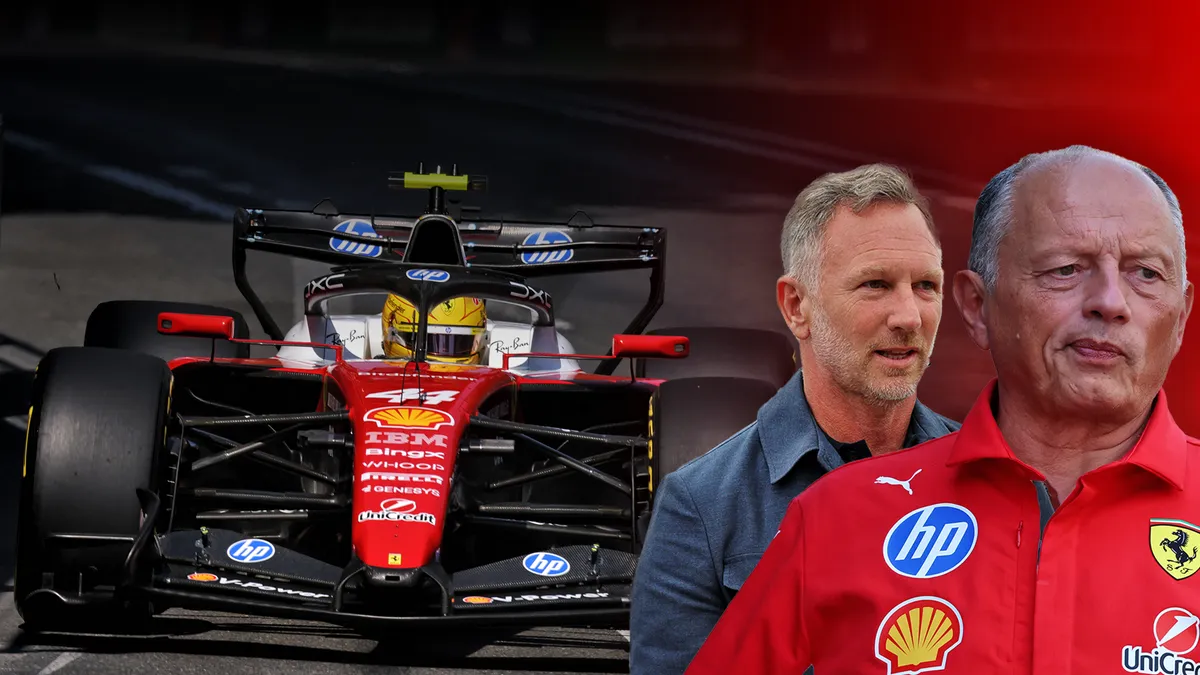
Rumor Christian Horner ke Ferrari kembali mencuat setelah wawancaranya dengan The Times. Simak analisis lengkap dan fakta di balik spekulasi ini.
 Continue with Google
Discussion (0)
Join the Discussion!
Sign in easily to start commenting, replying, and interacting with other readers.
Latest Comments
No comments yet. Be the first!