







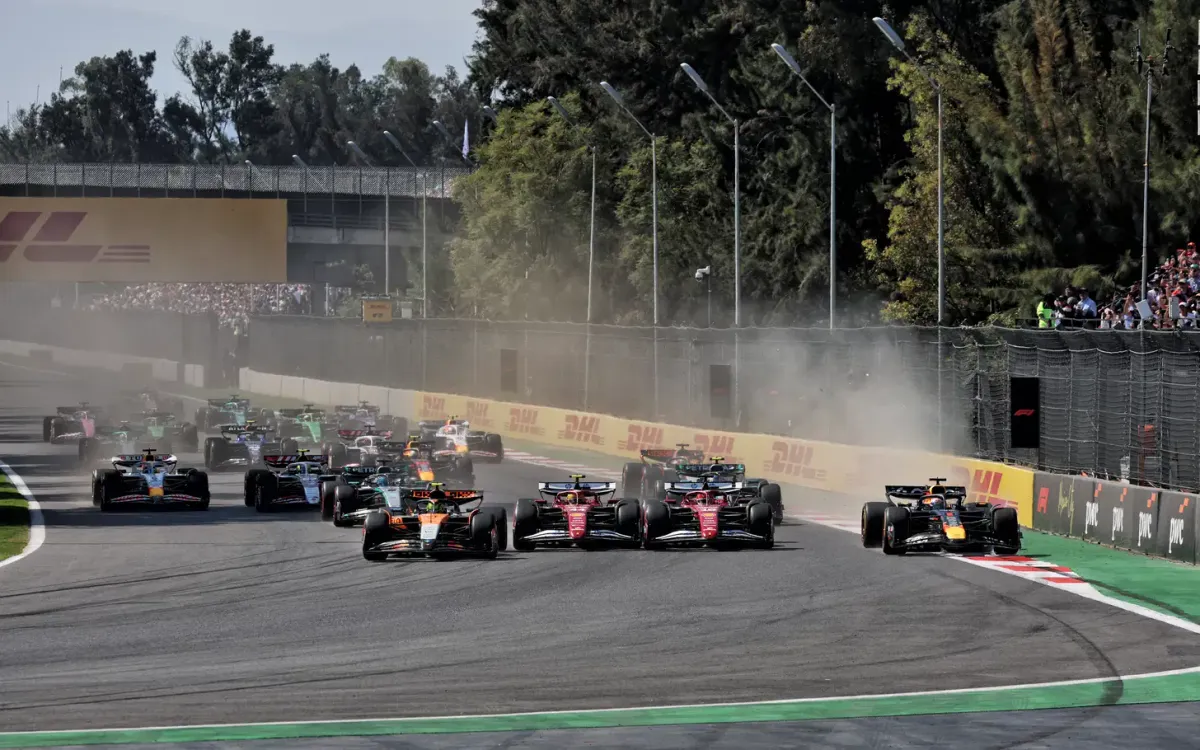

The extreme altitude of the Autodromo Hermanos Rodriguez, sitting 2,240 meters above sea level, presents a unique engineering challenge unlike any other venue on the Formula 1 calendar. With air density dropping by more than 25 percent compared to Monaco, the thinner atmosphere exerts a massive influence on aerodynamics, cooling systems, and power unit performance. Ferrari faces a particularly stern test due to the characteristics of their internal combustion engine and smaller-diameter turbocharger design choices.
The immediate consequence of the thin air is a severe reduction in generated downforce. Even when running maximum downforce configurations similar to those used in the Principality, teams can only achieve roughly 60 percent of that aerodynamic grip in Mexico City. This forces engineers to completely rethink their setup philosophy, balancing slow-corner agility with high-speed stability along the circuit's notoriously long straightaways.
Beyond aerodynamics, thermal management becomes a major headache for mechanics in the pit lane. The reduced air density provides poorer heat exchange, necessitating larger bodywork cooling louvres and expanded brake duct openings. Without these mandatory modifications to maximize airflow, internal components and braking systems would quickly succumb to critical overheating temperatures during the grueling race distance.
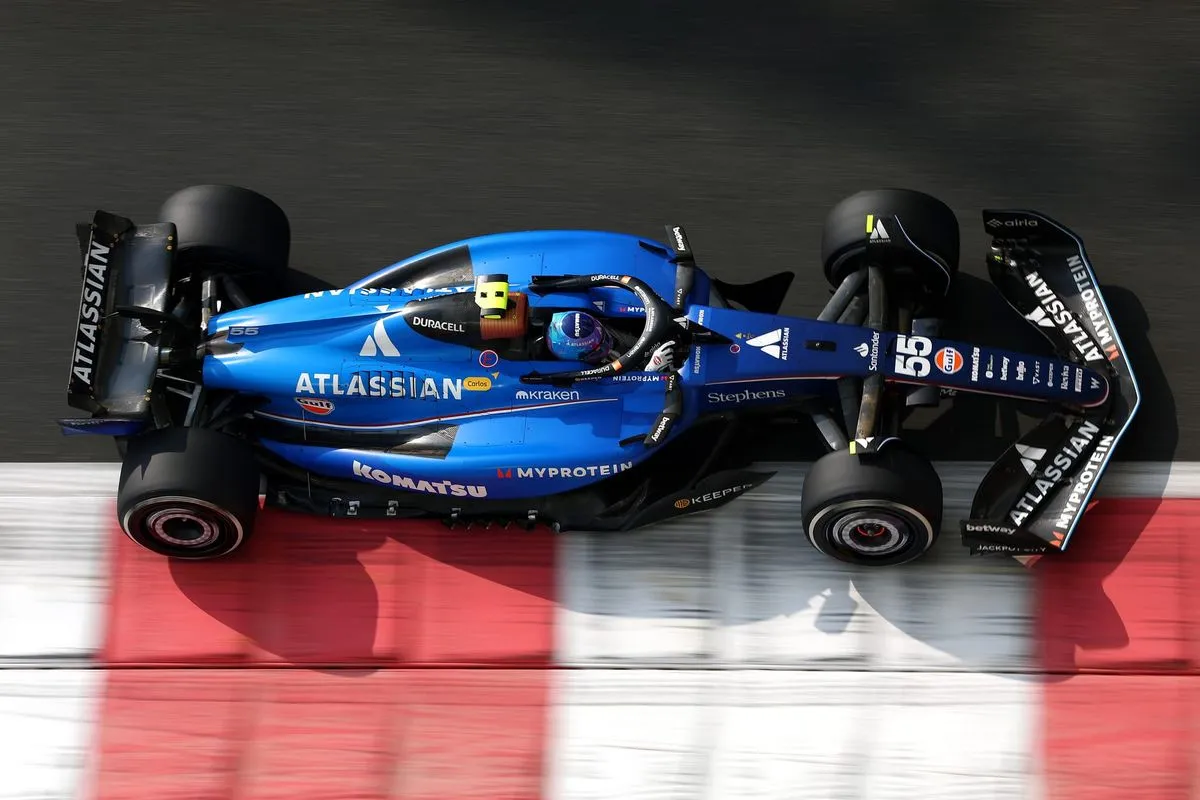
However, the thin air is not without its advantages, as aerodynamic drag is significantly reduced at high altitudes. This decrease in drag means cars require less maximum power on the straights, fundamentally altering energy deployment and harvesting strategies for contenders like Red Bull. Every team has logged extensive simulator hours to dial in the optimal engine maps required to conquer these unusual atmospheric conditions.
Heading into the Grand Prix weekend, Ferrari will be looking to confirm the strong performance seen in recent rounds, though power unit limitations at high altitude will test their resolve. Conversely, Red Bull enters the weekend as the theoretical favorite thanks to their superior internal combustion engine performance, setting the stage for a fascinating technical showdown.
Read Also
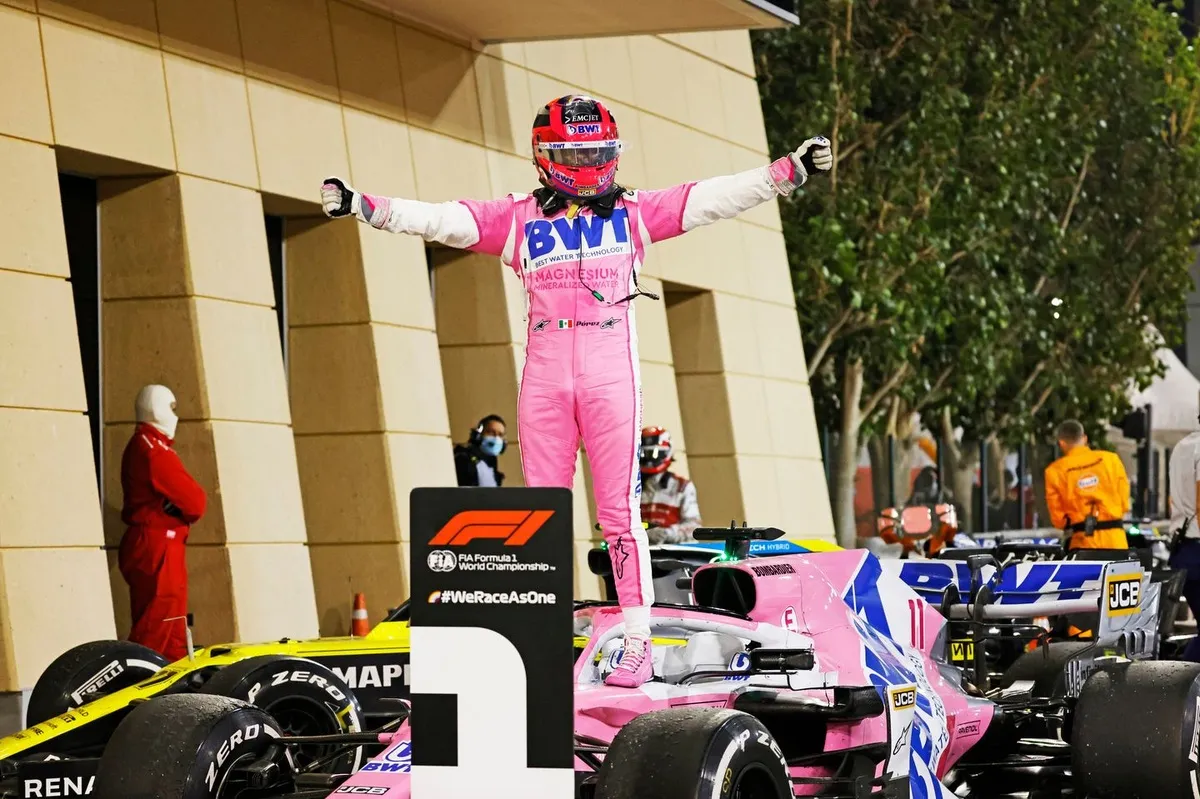
Simak perjalanan karier F1 Sergio Perez menjelang rekor 300 Grand Prix, dari debut dramatis bersama Sauber hingga sukses bersama Red Bull. Baca selengkapnya!
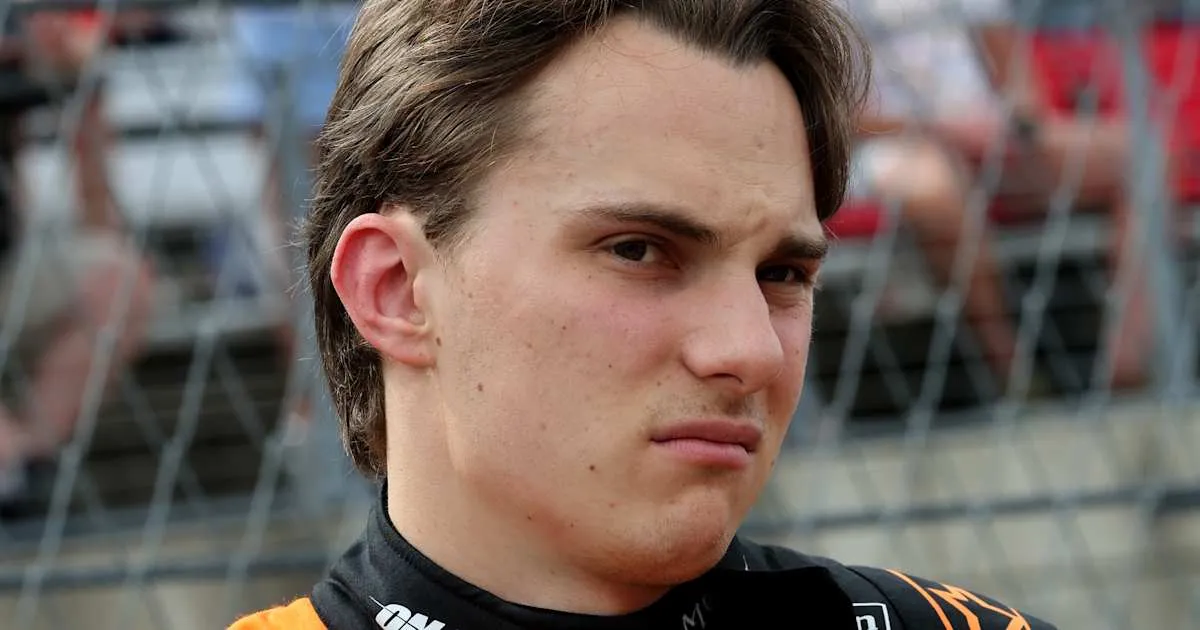
Gunther Steiner berubah pikiran dan sarankan Oscar Piastri bertahan di McLaren. Simak analisis lengkap dan update terbaru F1 di sini!
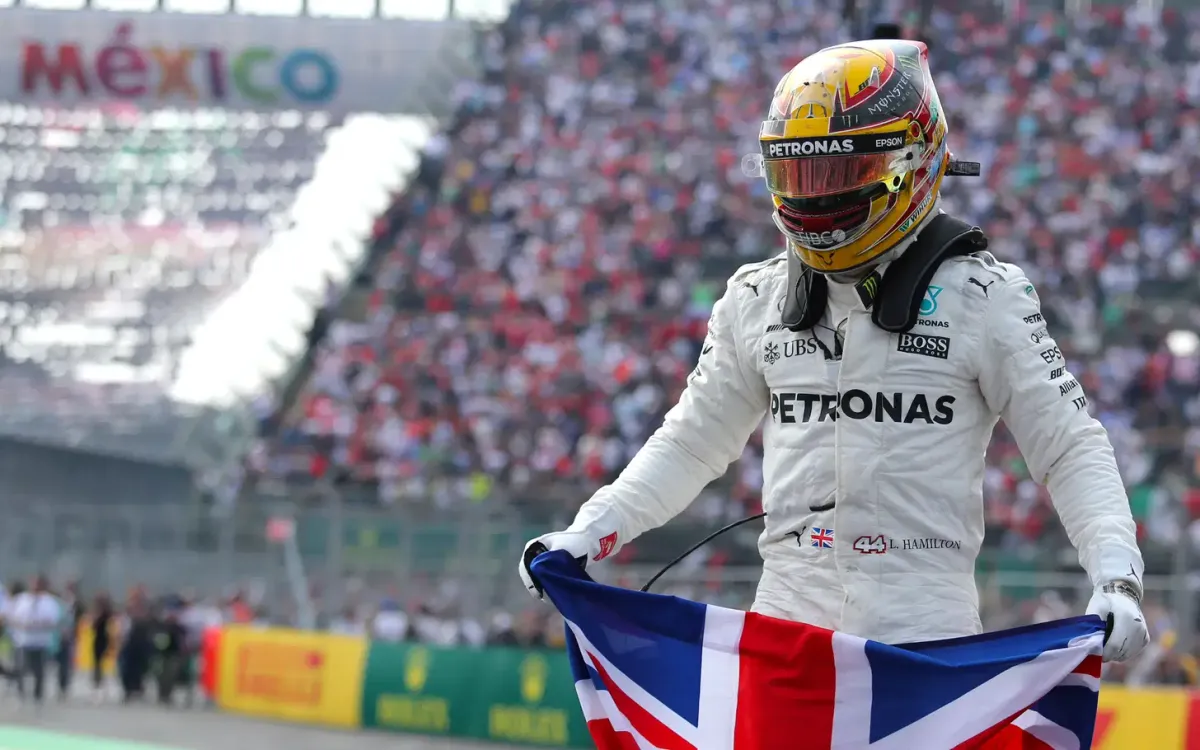
Simak kisah dramatis saat Lewis Hamilton mengunci gelar juara dunia F1 keempat di GP Meksiko 2017 meski mengalami insiden lap pertama. Baca selengkapnya!
 Continue with Google
Discussion (0)
Join the Discussion!
Sign in easily to start commenting, replying, and interacting with other readers.
Latest Comments
No comments yet. Be the first!