






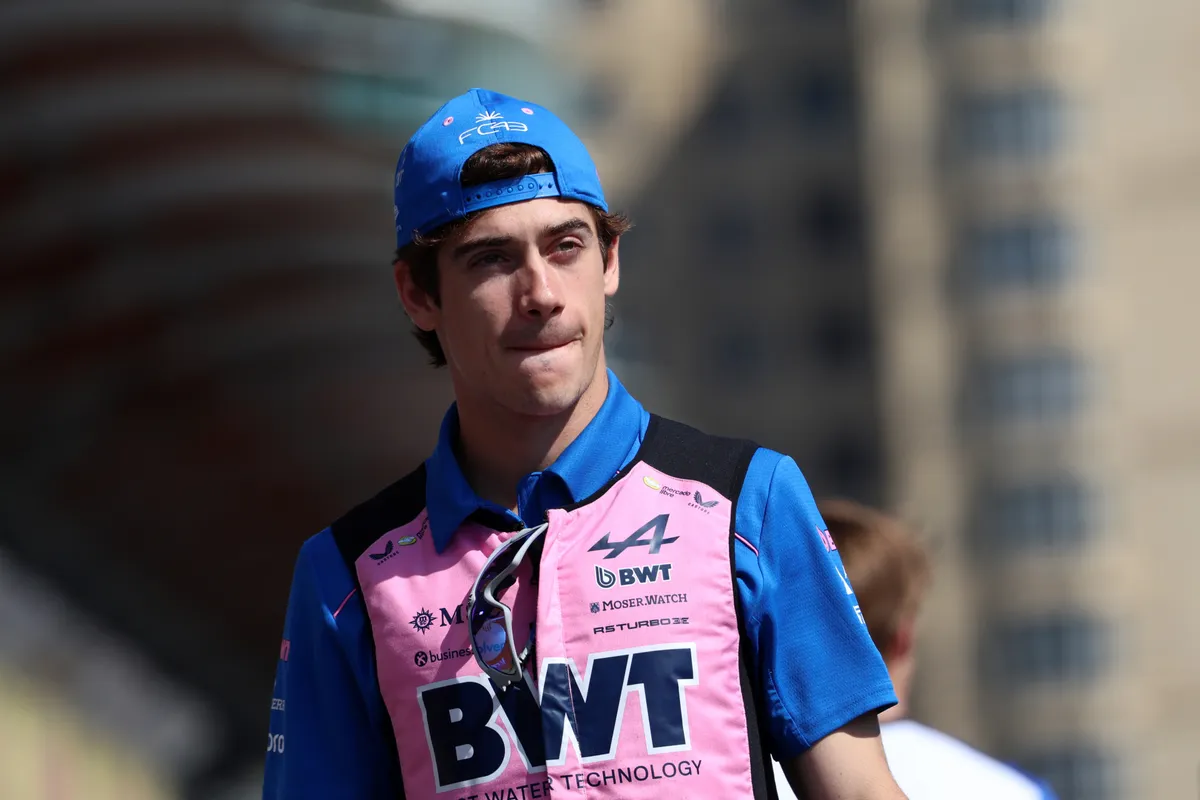

The three-car crash involving Franco Colapinto at the Formula 1 Azerbaijan Grand Prix 2026 has sparked intense debate in the paddock. The Alpine driver triggered a chain reaction at Turn 1 after the Safety Car restart, locking his front tyres and hitting teammate Pierre Gasly, who then collided with McLaren's Lando Norris. All three retired, ruining Alpine's strong afternoon and ending Norris's race through no fault of his own.
Colapinto quickly accepted responsibility and apologised. "It's a big mistake. Cold brakes, cold tyres, and locked up and completely out of control. So unfortunately I took Pierre out. And Lando of course," he said. "But yeah, big sorry to both." The stewards handed Colapinto a 10-second penalty for causing the collision, which was converted into a five-place grid drop for the following round because he did not finish the race.
However, the punishment was deemed too lenient by Norris. "I think the FIA should be stricter and start handing out bans for this kind of stuff," said Norris. "It's careless from people. It costs a lot of money; all my parts are in the bin now. People should just get banned, because that's not driving that deserves to be in Formula 1. I've not seen it, but if you cause a crash in a restart like this, you should have at least a one-race ban."
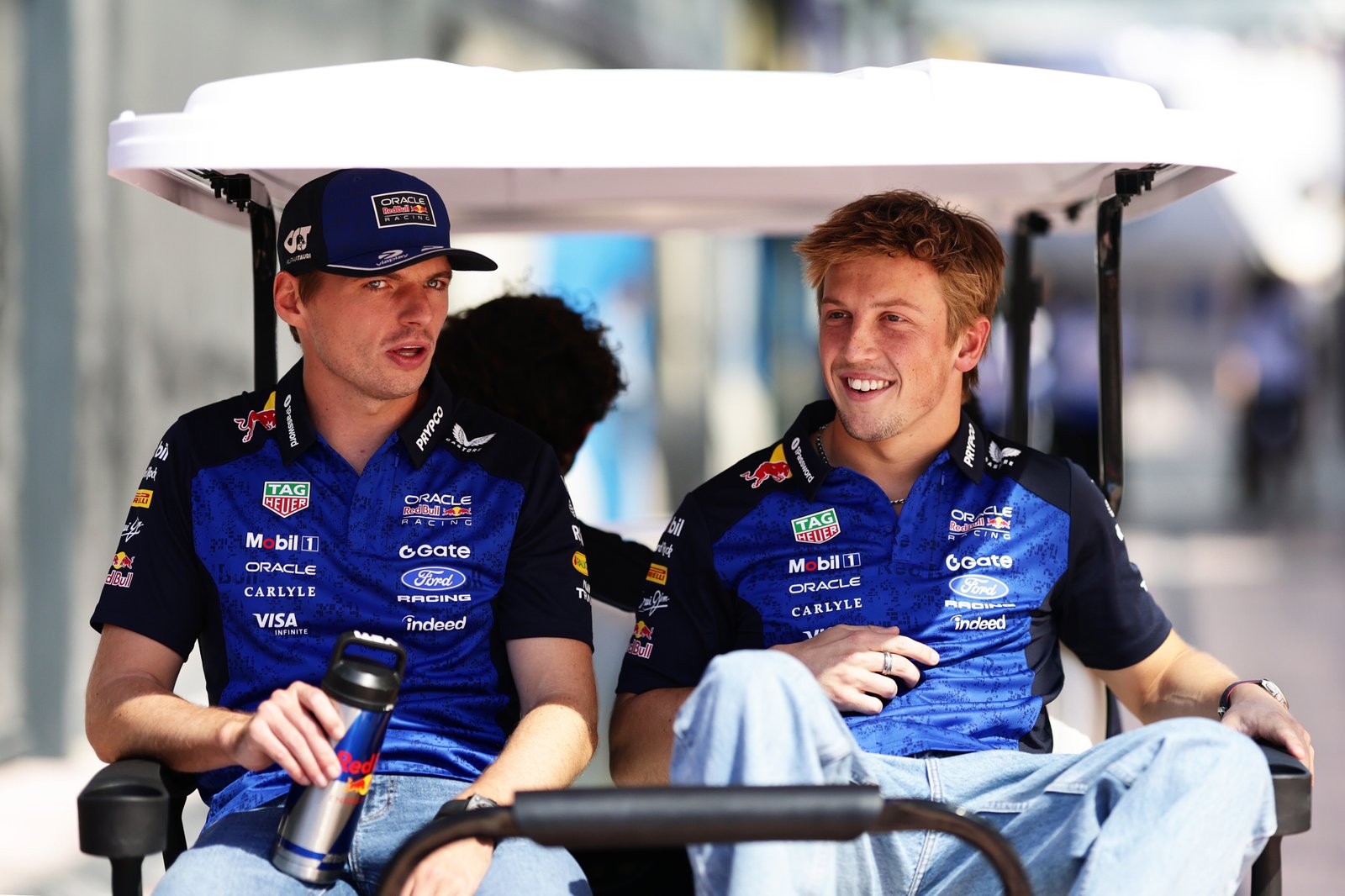
That view was not shared by several of his rivals. Race winner George Russell argued a suspension would be excessive, saying a small mistake on cold tyres after a Safety Car can produce much bigger consequences. "I think, personally, race bans should come from drivers intentionally doing something very dangerous and very reckless. So, I think it was unfortunate," Russell said. Max Verstappen took a similar position, while Isack Hadjar pointed to the low grip off the racing line in Baku as another factor behind the crash.
The debate is significant because race bans are exceptionally rare in modern Formula 1. Only two drivers have served one this century. Romain Grosjean was suspended for the 2012 Italian Grand Prix after causing a major opening-lap crash at Spa, while Kevin Magnussen missed Azerbaijan in 2024 after reaching the automatic threshold under F1's penalty-points system. Grosjean's ban is particularly relevant because his Spa crash helped drive the introduction of that system in 2014.
Rather than relying only on standalone suspensions, drivers now accumulate penalty points for serious offences across a rolling 12-month period, with 12 points resulting in an automatic one-race ban. The FIA has since made those points harder to earn, with the 2026 approach focusing more heavily on dangerous, reckless or apparently deliberate actions. Colapinto entered the Azerbaijan weekend on four penalty points, the joint-highest tally on the grid at the time, but still well below the threshold for an automatic suspension.
This creates the key question: are individual incidents like Colapinto's serious enough to justify a ban on their own, regardless of a driver's existing penalty points? Norris argues yes, while most of his rivals believe bans should be reserved for intentional or highly reckless actions. The incident also highlights the technical challenges of Safety Car restarts, where low tyre and brake temperatures can cause sudden loss of control, especially on street circuits like Baku.
With regulations constantly evolving and pressure to improve safety, the Colapinto case could set a precedent for future enforcement. For now, the Argentine driver must accept the grid penalty and criticism from his peers, hoping to bounce back in the next race.
Read Also

International media focused on Christian Horner, Lando Norris, Oscar Piastri and Ferrari's straight-line struggles after the 2026 Azerbaijan GP.
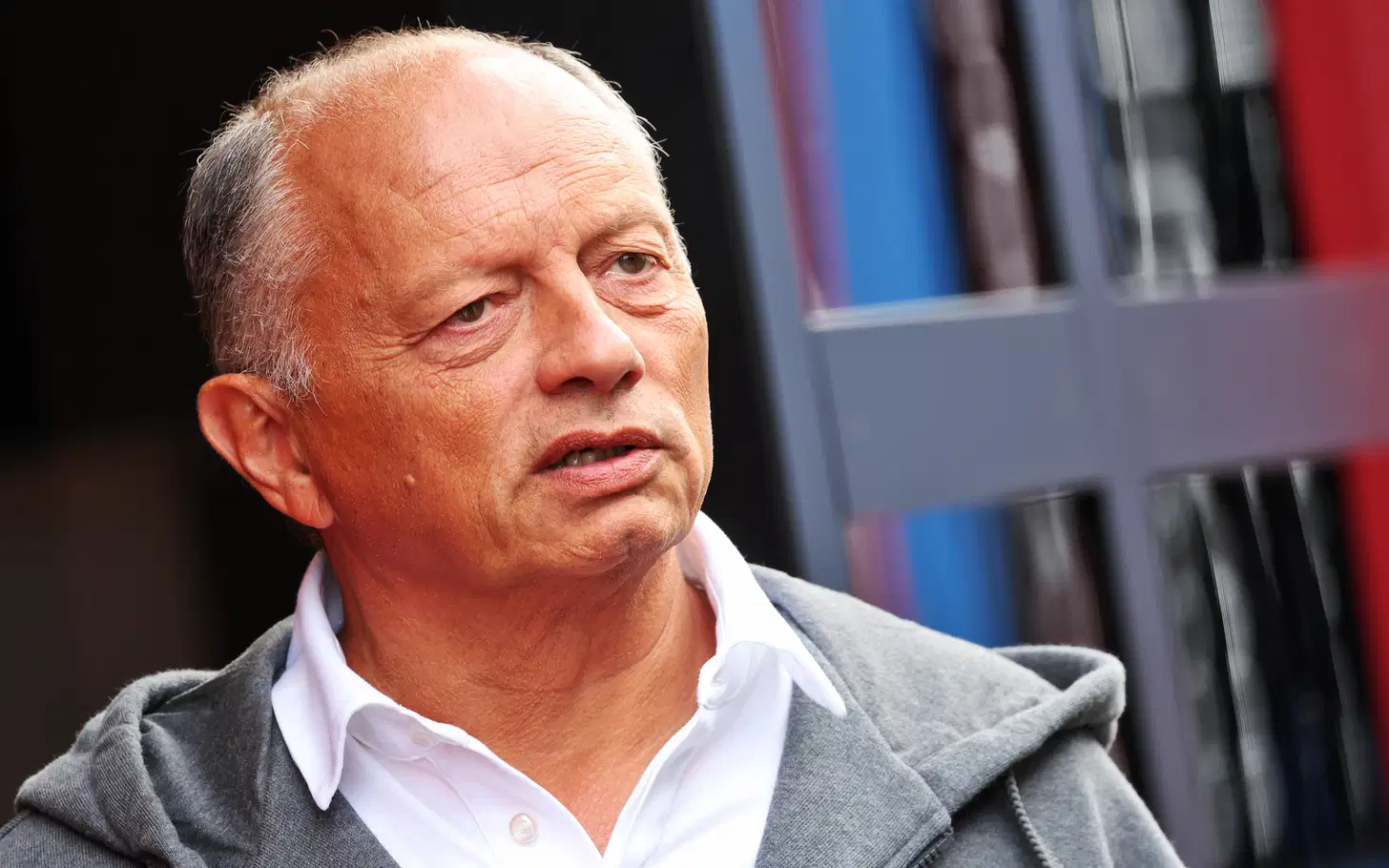
Fred Vasseur faces renewed pressure at Ferrari as the team's 2026 shortcomings fuel speculation over his future and Christian Horner's potential arrival.
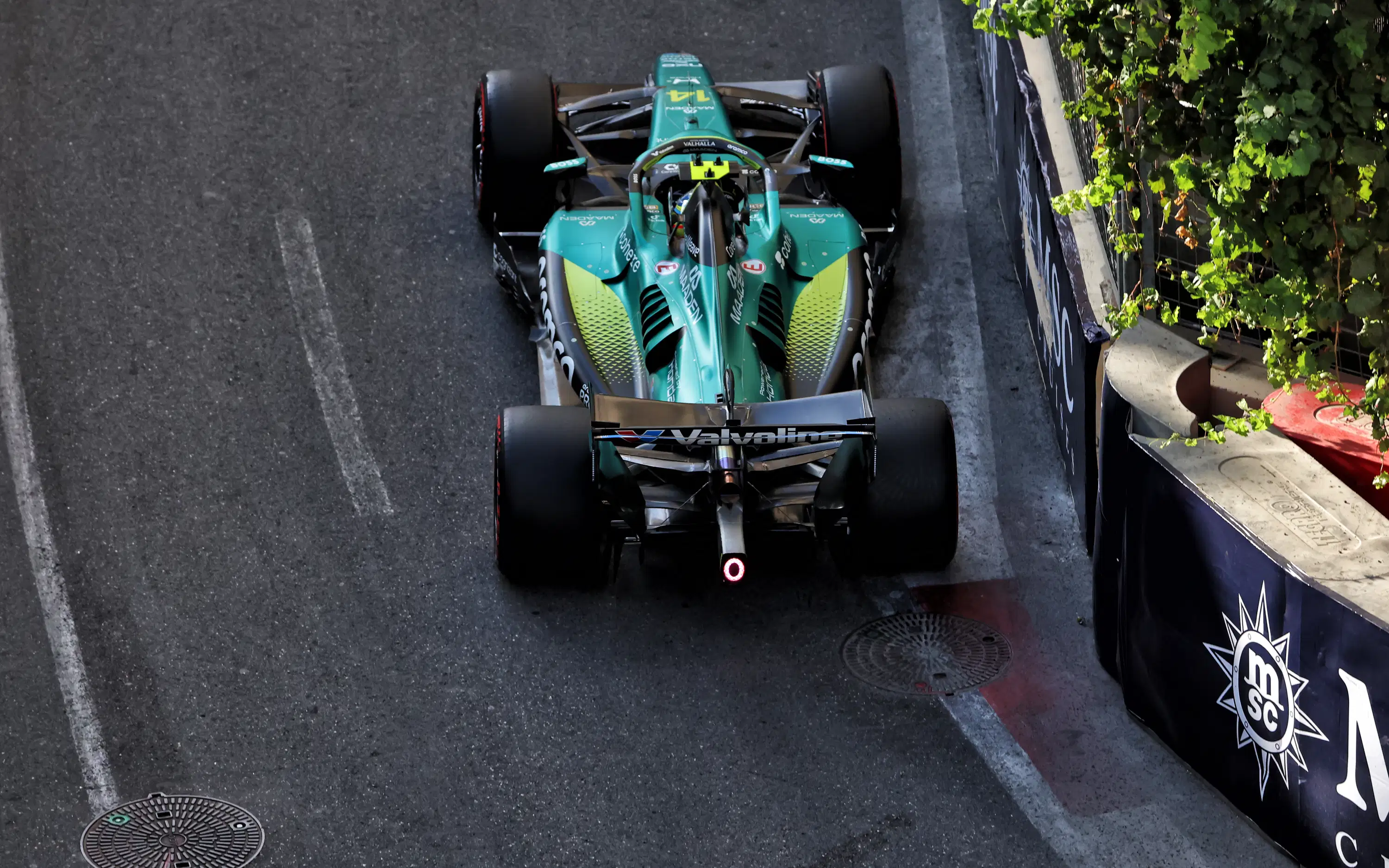
Fernando Alonso lost up to 1.5 seconds on the straights before retiring in Baku, while Honda found no evidence of a power unit problem in its initial data.
 Continue with Google
Discussion (0)
Join the Discussion!
Sign in easily to start commenting, replying, and interacting with other readers.
Latest Comments
No comments yet. Be the first!