








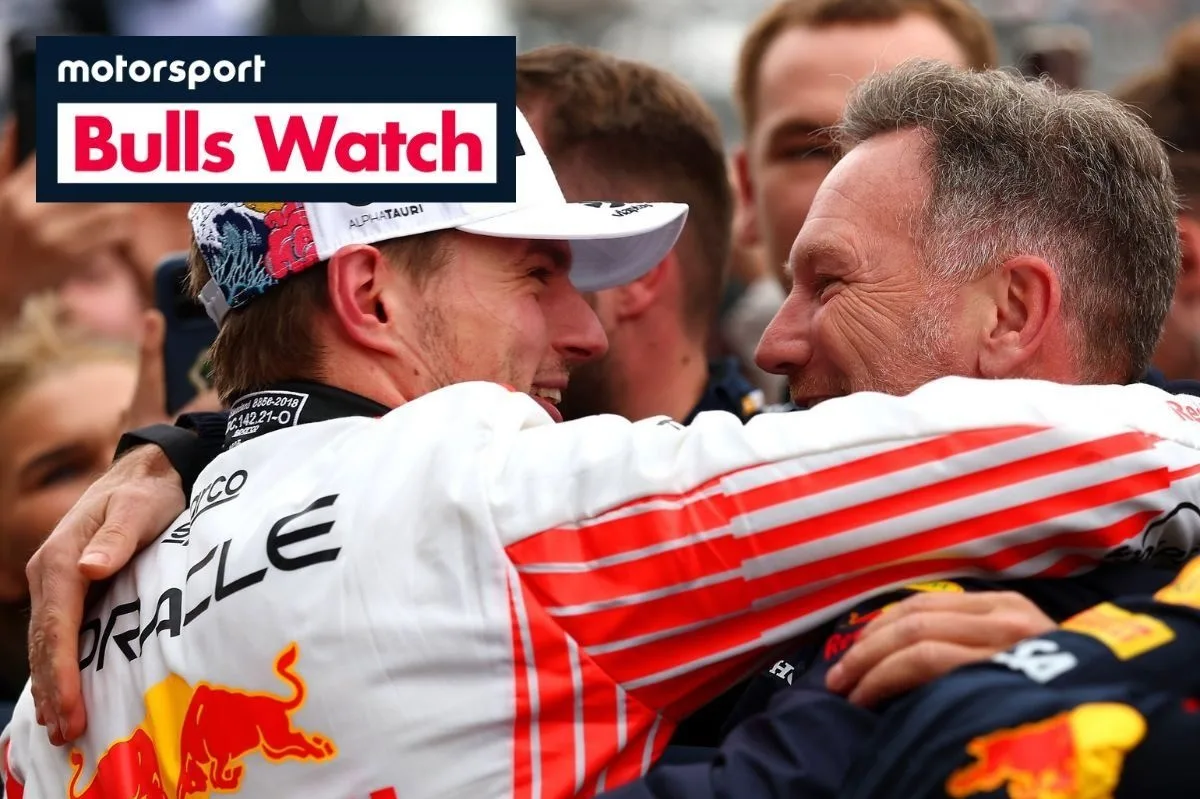
The internal dynamic within the Red Bull Racing garage over recent years has consistently featured a rotating cast of drivers struggling to keep pace with the reigning world champion. The lingering mystery behind the notorious struggles of the second Red Bull seat has finally received a direct technical clarification from former team principal Christian Horner.
Speaking on the High Performance podcast, Horner revealed that the so-called curse of the second car actually stems from the engineering department's efforts to satisfy the unique physiological inputs and demands of Max Verstappen. According to the long-serving boss, the Dutch driver possesses an exceptional skill set that sits far beyond conventional boundaries.
"Max is tremendously demanding for what he wants, and he has a skill that is abnormal," Horner explained when reflecting on his tenure leading the Milton Keynes squad. This distinct requirement naturally shapes how the chassis evolves throughout a grueling Formula 1 season.
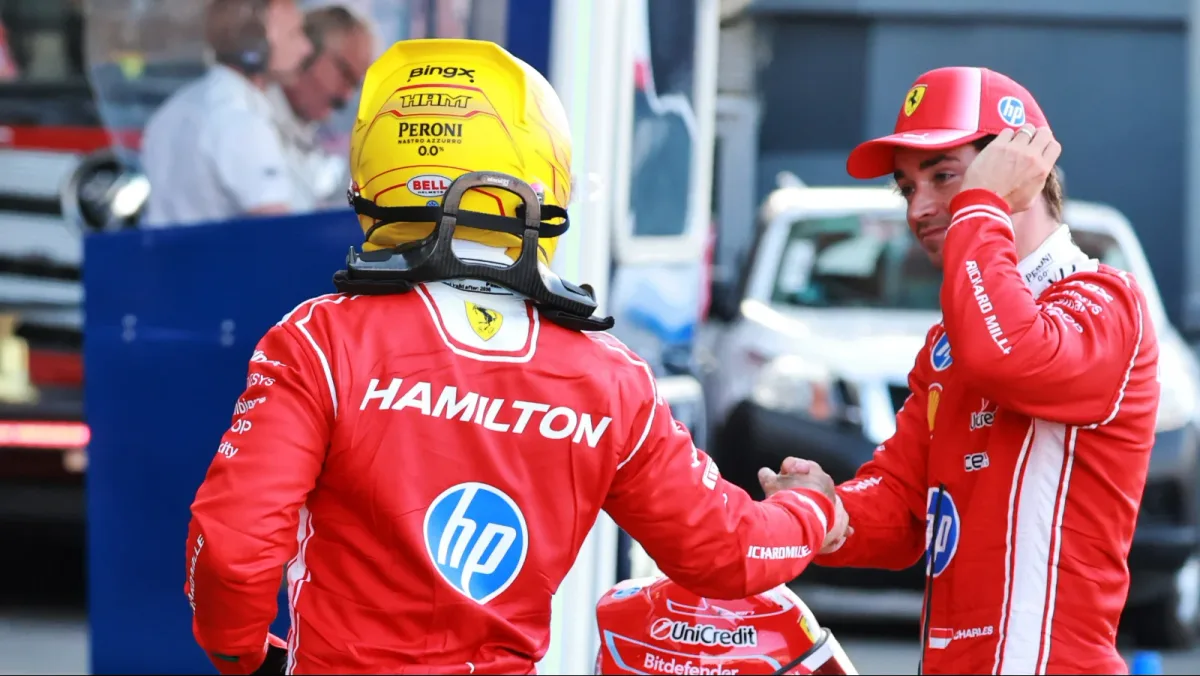
In top-tier motorsport engineering, a car setup is typically compromise-driven, balancing understeer and oversteer to provide a predictable platform. Most competitors rely on a stable platform that allows them to build confidence through corner entry and apply throttle smoothly without constantly fighting sudden mechanical corrections.
Verstappen, however, thrives on the absolute extreme edge of setup philosophy. He possesses an extraordinary capacity to artificially balance a loose, sliding rear end, allowing him to demand hyper-responsive front-end steering that rotates the car aggressively upon apex entry under heavy trail braking.
"He demands more and more front end from the car, and he can just cope with whatever the rear does in pursuit of that goal," Horner noted. Because Verstappen extracts unprecedented lap time from this volatile setup, the entire technical development path naturally follows his telemetry feedback.
The inevitable byproduct of this developmental trajectory is a machine engineered around one specific driving style. When replacement team-mates step into the sister car expecting a traditional, balanced handling characteristic, they instead find themselves wrestling a volatile chassis that feels completely untrustworthy to their natural instincts.

As reported by Motorsport.com, drivers entering the second Red Bull seat face a double jeopardy: competing against an all-time great while simultaneously trying to master a car configuration engineered in direct contradiction to conventional driving preferences.
Read Also
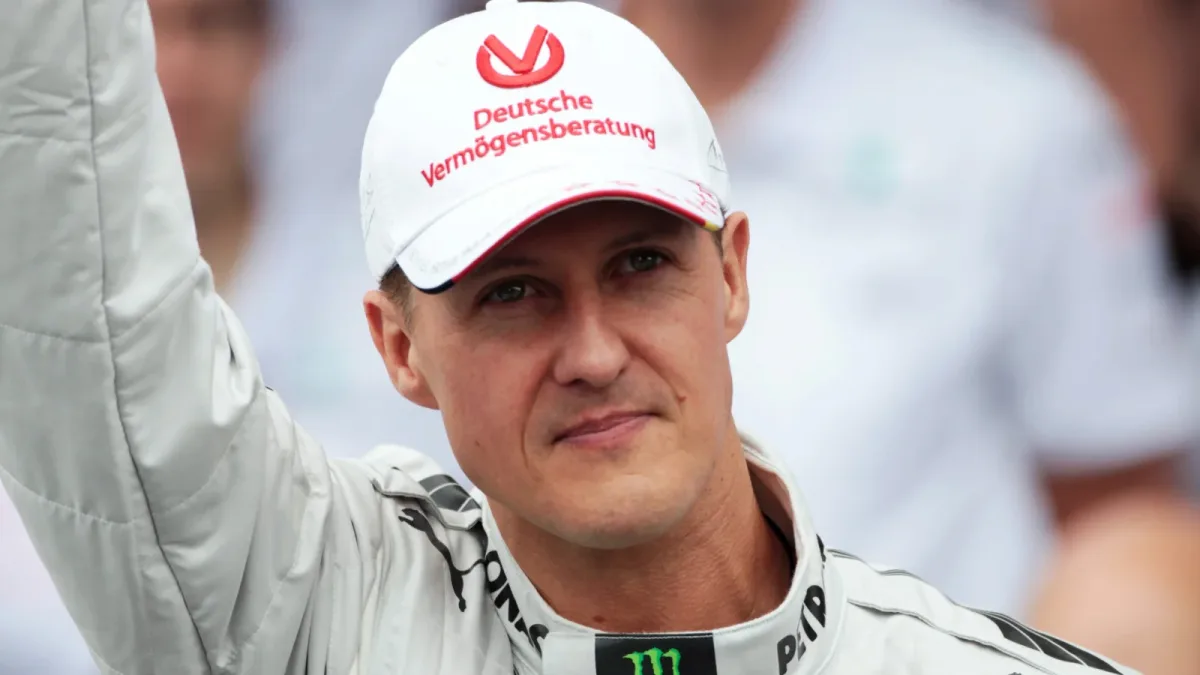
Nico Rosberg membeberkan alasan teknis dan mental di balik masa sulit Michael Schumacher saat comeback bersama Mercedes di F1. Baca analisis mendalam di sini.
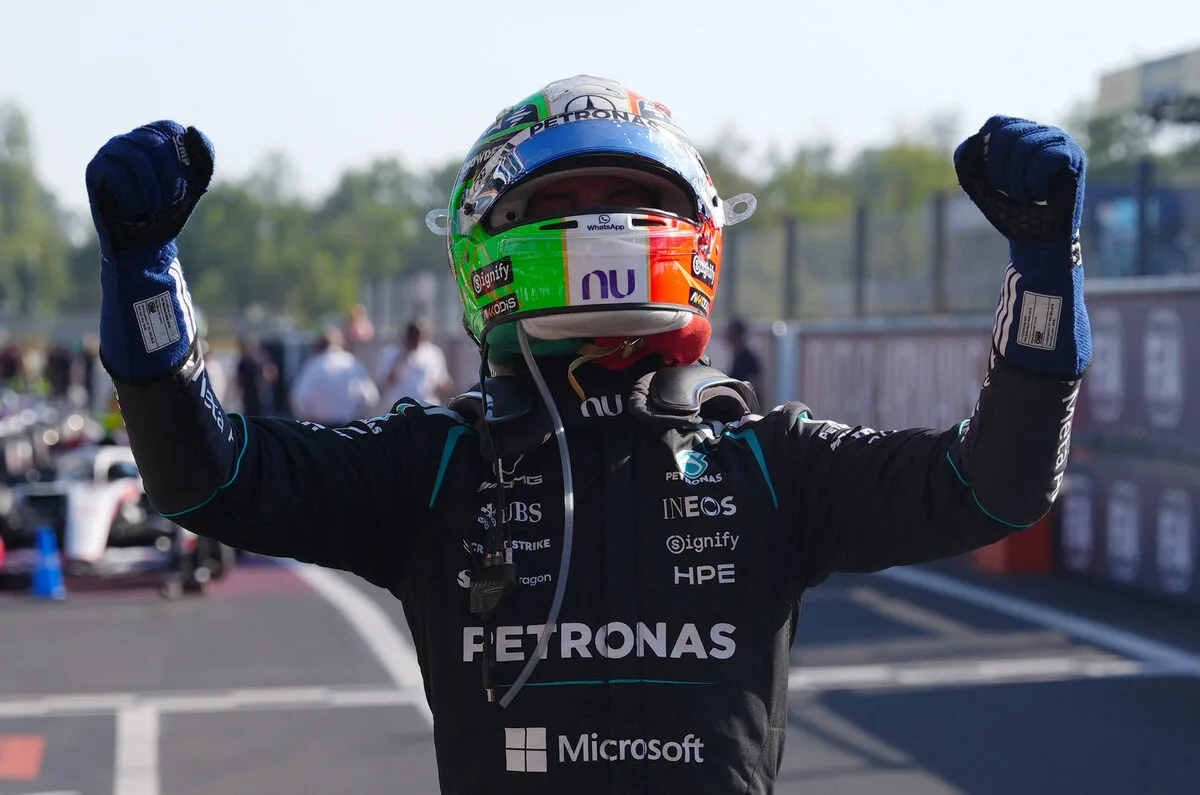
Simak kisah transformatif Kimi Antonelli di Monza yang mengubah strategi bertahan menjadi kemenangan sensasional. Baca analisis lengkapnya di sini.
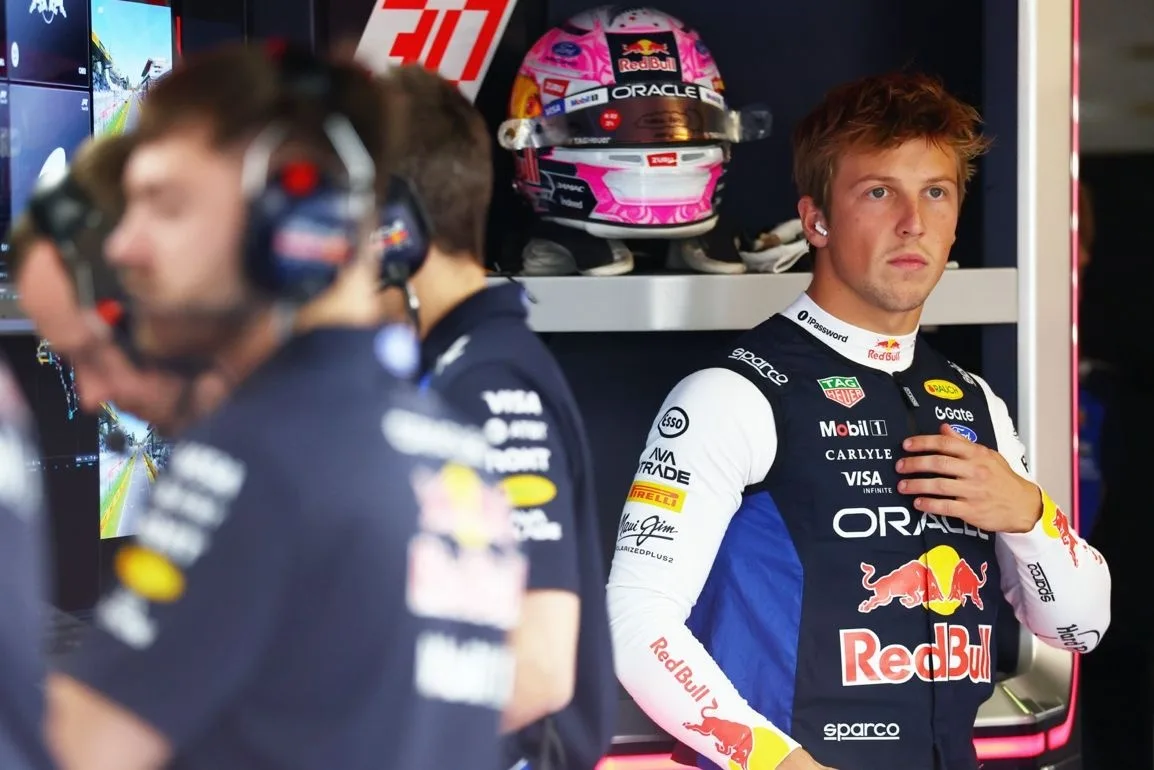
Simak analisis mendalam mengapa keputusan mempertahankan Liam Lawson menjadi titik balik penting dalam evolusi mentalitas manajemen Red Bull Racing musim ini.
 Continue with Google
Discussion (0)
Join the Discussion!
Sign in easily to start commenting, replying, and interacting with other readers.
Latest Comments
No comments yet. Be the first!