








Mattia Binotto, Audi's Formula 1 boss, has revealed that the sport is exploring the possibility of bringing back the iconic V8 engines. The last time the F1 paddock heard a roaring V8 was in the 2013 season, before the V6 turbo-hybrid era began. Now, with the new 2026 power units—featuring a 50-50 split between internal combustion and battery—just introduced, talk of a V8 return has resurfaced.
Binotto explained that discussions between teams, engine manufacturers, and the FIA are ongoing to determine the details of the planned engine formula shift. He disclosed plans to emulate an IndyCar-style 'push-to-pass' system, but its form is yet to be decided. "Yes, it [a push-to-pass system for the next engine regulations cycle] is on the menu," he admitted to media including Motorsport Week. "Push to pass is important for the racing situation, for overtaking, and making sure that we are not creating trains and no one can overtake. So a push-to-pass will be there. What type of push-to-pass is still to be discussed. So there is not a clear way of doing it; there are multiple ways of doing it. It can be boost pressure, it can be DRS, it can be KERS, so electrical, so the way we will do it will be part of the discussions with the FIA."
Furthermore, Binotto clarified that Audi is not opposed to a potential return to the V8 configuration. However, he stressed the importance of reaching a consensus on the formula soon to make it feasible. "There is no clarity yet, so we know that the FIA is still elaborating on what maybe the concepts they would like to propose," he added. "We know it's a V8 for 2030 at the earliest, but the timing is uncertain. Development has to start before the end of the year. I think the regulation needs to be agreed and voted on before the end of the year to have certainty and clarity on by 2027 to start the design and concept phase."
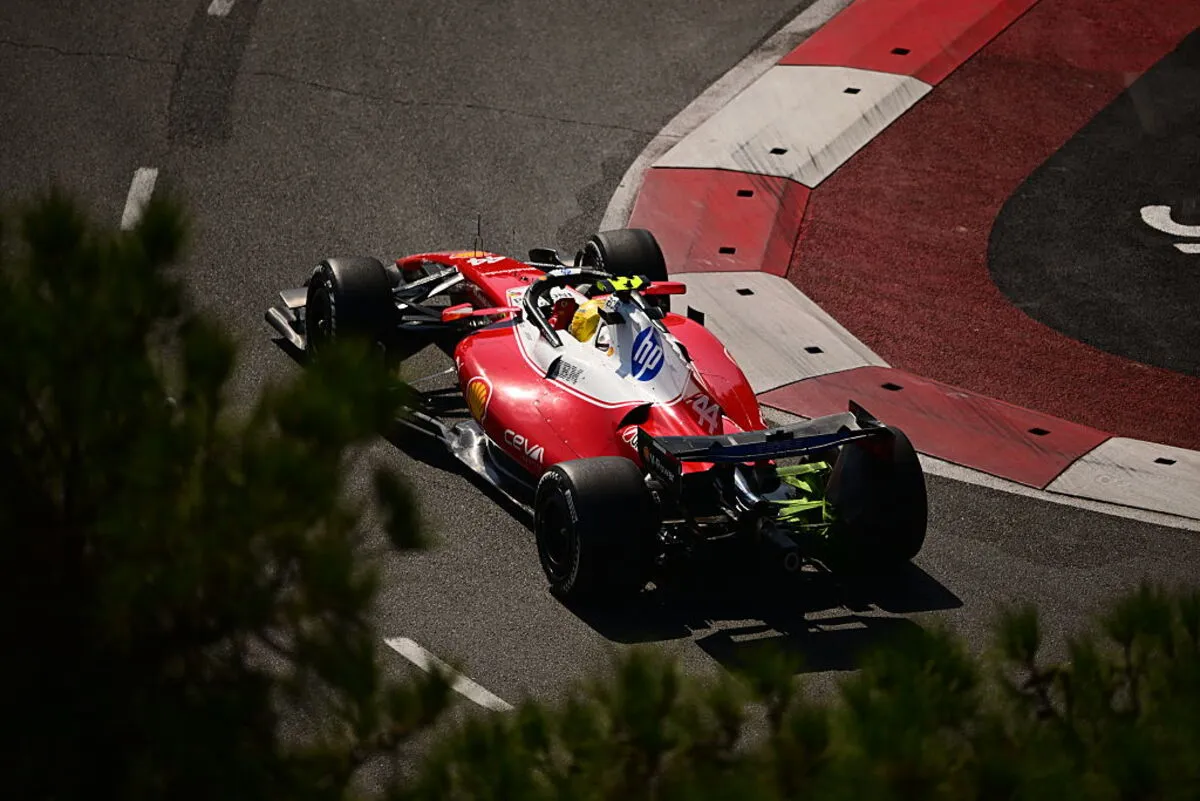
Audi's F1 entry was based on the 2026 turbo-hybrid concept, coupled with a push for sustainability that it hoped would track to its road-going technology. Therefore, the German marque, while not miffed by the idea of scrapping the current formula, is concerned of the cost implications given its substantial investment in a project that has been swatted away as soon as it was introduced. "What's the main objective we are looking at? I think we are we all agree. First, there will be significant cost savings required," Binotto explained. "The current power unit is still very expensive, and we believe that having a cl..."
The potential return to V8 raises big questions for Audi and other manufacturers like Cadillac that are set to join. If F1 does switch to V8 in 2030, the investment in the 2026 turbo-hybrid power units could be wasted. On the other hand, fans might welcome the return of the louder, more aggressive V8 sound, as well as the potential for closer racing with push-to-pass.
Binotto also highlighted that cost savings are a major consideration. With the high cost of current power unit development, switching to a simpler and cheaper formula could appeal to teams looking to reduce spending. However, this transition must be carefully planned to avoid disrupting competitive balance and the stability of the sport.
So far, the FIA has not issued an official statement regarding the details of future engine regulations. Discussions are ongoing and a final decision is expected to be made soon. For Audi, regulatory clarity is crucial to determine the direction of their technical development and long-term strategy in F1.
With uncertainty still looming, fans and industry stakeholders await the next move from the FIA and all parties involved. Will F1 truly return to V8, or will the hybrid era continue with refinements? Time will tell.
Read Also
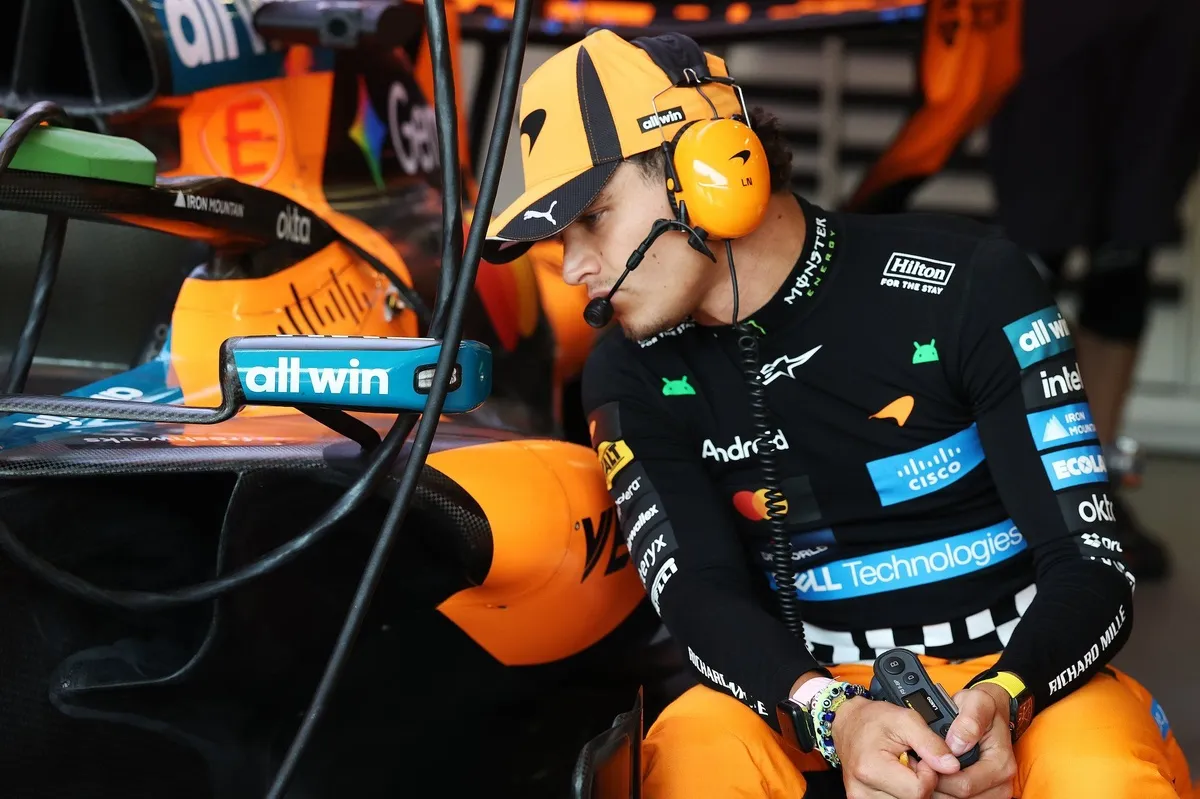
Lando Norris sebut defisit McLaren di Baku bak pisau di hati. Masalah teknis dan kurangnya pace bikin tim harus kerja ekstra sebelum kualifikasi.
F1 2026: Imola bersiap jadi plan B, sementara Qatar dan Abu Dhabi tetap plan A. Ketidakpastian akhir musim meningkat, F1 tanggung risiko finansial.
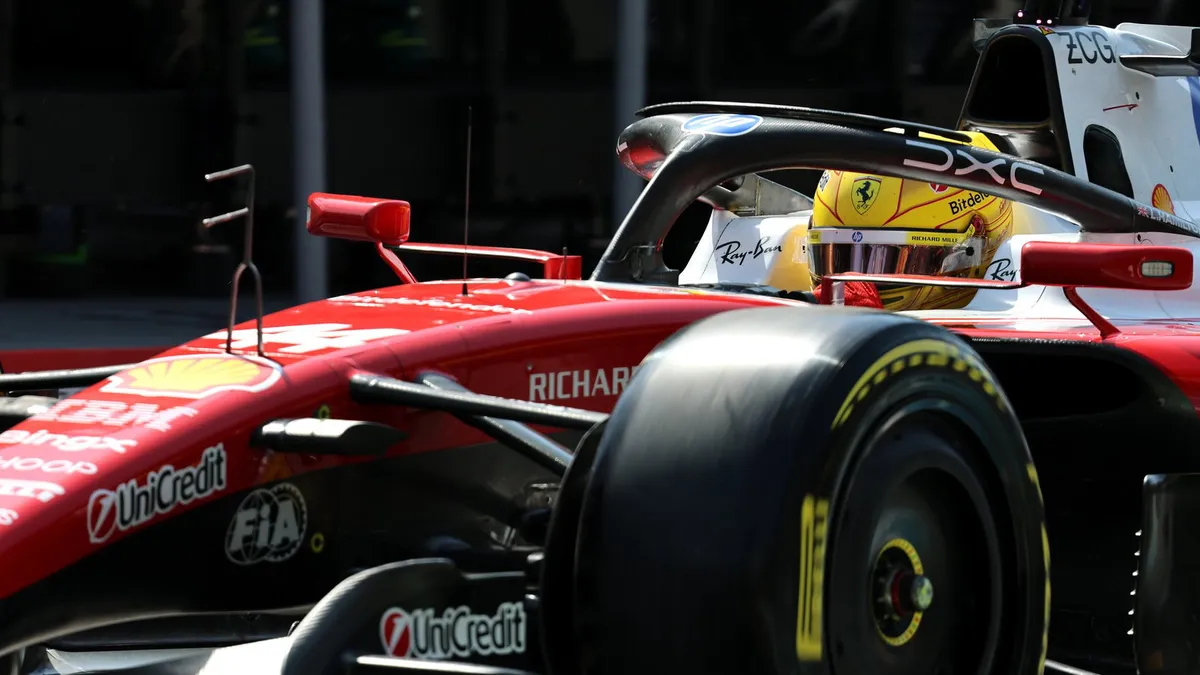
Lewis Hamilton menyalahkan regulasi mesin F1 2026 setelah nyaris tabrakan dengan Liam Lawson di Baku. Insiden ini memicu penyelidikan steward dan usulan perubahan aturan.
 Continue with Google
Discussion (0)
Join the Discussion!
Sign in easily to start commenting, replying, and interacting with other readers.
Latest Comments
No comments yet. Be the first!