







Formula 1, Sportrik Media - David Coulthard has proposed a technical adjustment in Formula 1 following a high-speed incident at the 2026 Japanese Grand Prix that has raised fresh concerns over the safety of the new-generation cars.
The incident involved Oliver Bearman, who was caught out by a sudden closing speed while following Franco Colapinto. The situation was triggered by the behaviour of the new power units, which reduce speed at the end of straights to harvest energy, creating abrupt speed differentials between cars.
The 2026 power unit regulations place increased emphasis on energy efficiency, with more aggressive harvesting strategies playing a central role. However, in racing conditions, this has introduced scenarios where drivers may encounter unexpected deceleration from cars ahead, particularly in high-speed sections.
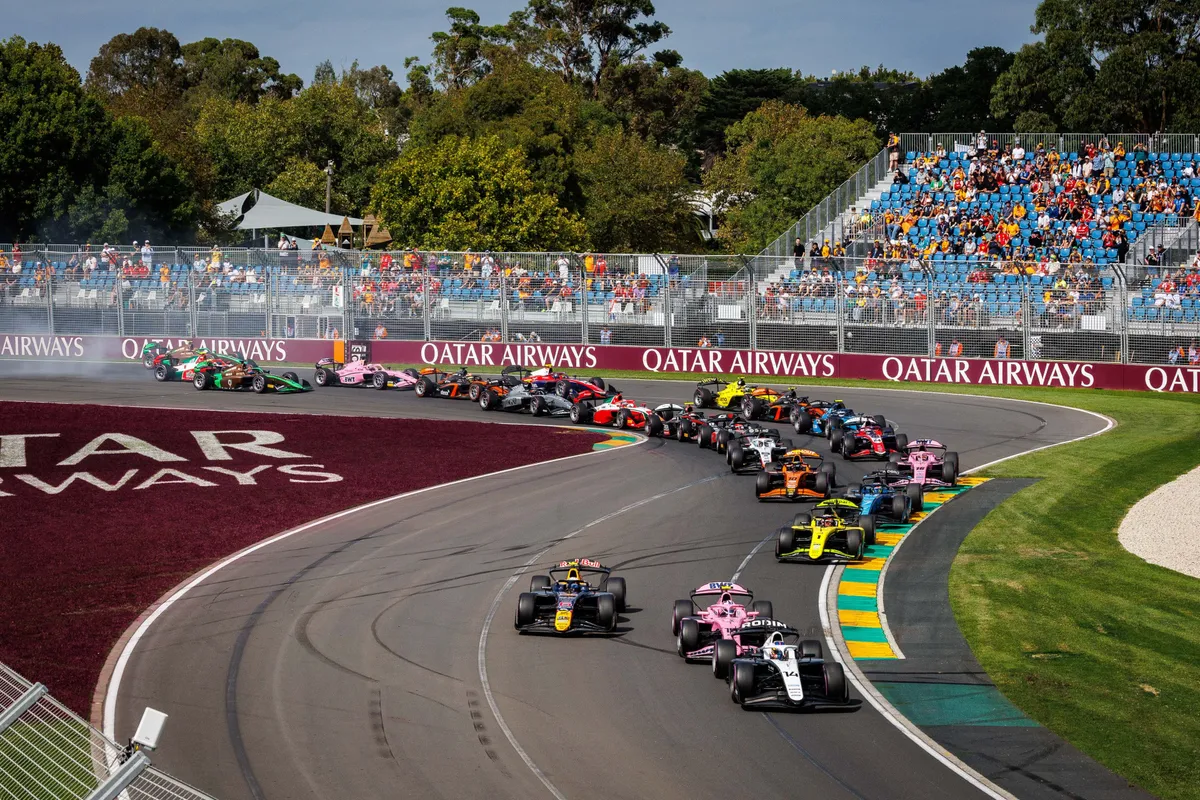
In response, Coulthard suggested that certain corners should be excluded from energy harvesting usage, especially in areas where visibility is limited or where drivers commit at high speed based on established reference points.
“There are certain corners that almost should be exempt from being able to harvest [energy]. You’re just so used to them,” Coulthard said on the Up to Speed podcast.
He specifically highlighted Eau Rouge at Spa-Francorchamps as a potential high-risk location. The iconic corner features a blind crest, where drivers lose forward visibility as they climb the elevation, making it difficult to anticipate slower cars ahead.
“Like up through Eau Rouge in Belgium, one of the most iconic corners in the world. There are points where you can’t see as you go over the rise if there’s a car on the other side,” he explained.
According to Coulthard, allowing energy harvesting in such sections could generate closing speed differences of up to 30–40 mph, significantly increasing the risk of serious accidents.
“You just can’t catch people out with a closing speed of 30, 40 miles per hour. That’s just very dangerous,” he stated.
The issue highlights a broader challenge within the 2026 technical regulations, as Formula 1 seeks to balance energy efficiency with safety considerations. The interaction between hybrid systems and on-track behaviour is now under scrutiny, particularly in scenarios where driver expectation and car performance diverge.
Potential solutions could include restricting harvesting zones or refining energy deployment maps in specific track sections. However, any regulatory adjustment would require alignment between the FIA, teams, and power unit manufacturers.
As the season progresses, attention will focus on whether governing bodies take action to address these concerns, ensuring that advancements in hybrid technology do not compromise driver safety in high-speed racing environments.
Baca Juga
George Russell terancam penalti grid di F1 GP Singapura usai mengalami kerusakan mesin di Sepang, memperberat peluangnya mengejar Kimi Antonelli.
Naomi Schiff memperingatkan masalah unit daya Mercedes bisa merugikan Kimi Antonelli dan mengancam peluang juara dunia F1 musim ini.

Kupas tuntas insiden bug software yang hentikan start F1 Bahrain. Analisis mendalam teknis unit daya dan evaluasi sistem elektronik.
 Lanjutkan dengan Google
Diskusi & Komentar (0)
Mari Bergabung dalam Diskusi!
Masuk dengan mudah untuk mulai memberikan komentar, membalas, dan berinteraksi dengan pembaca lainnya.
Komentar Terbaru
Belum ada komentar. Jadilah yang pertama!