






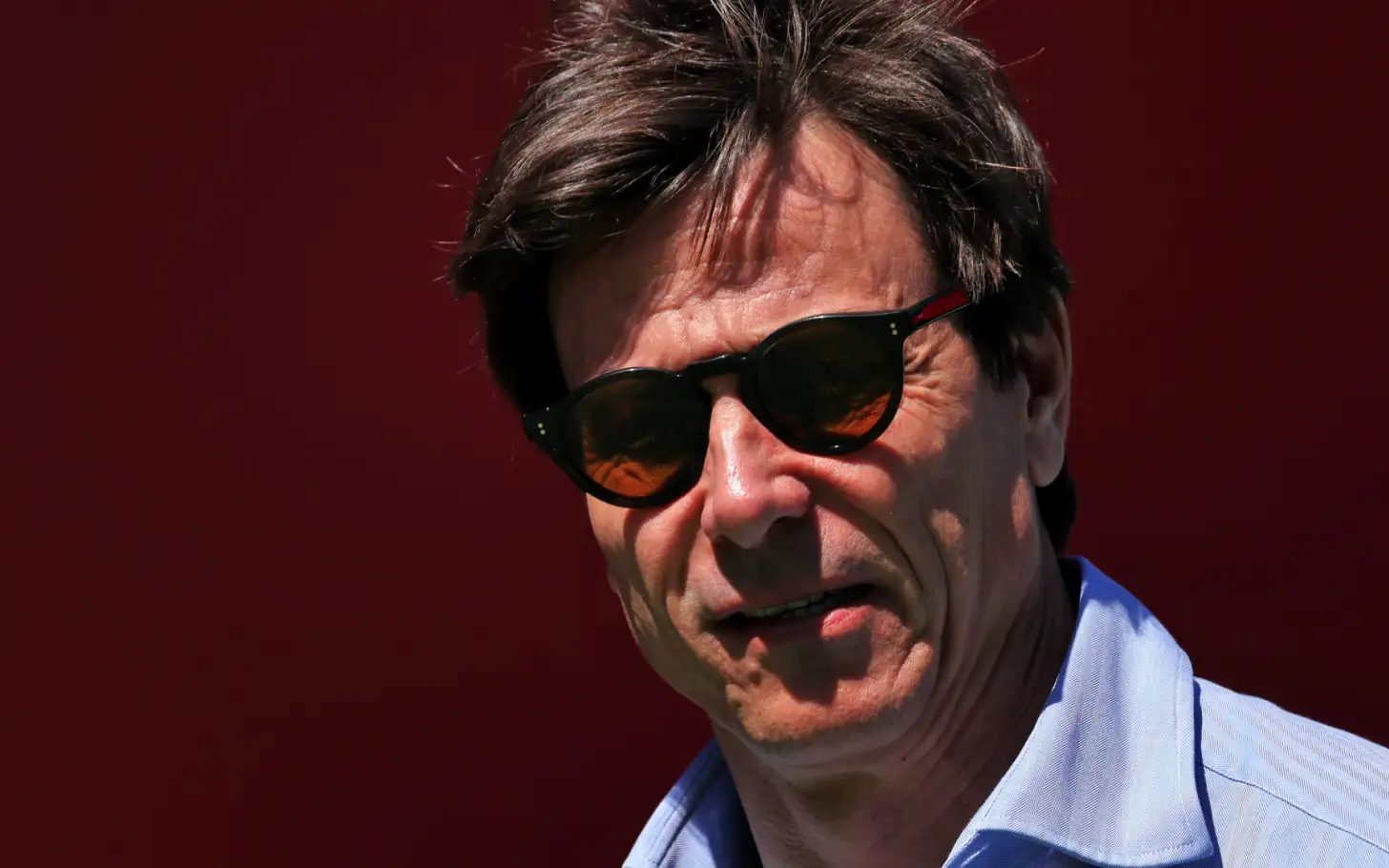

Formula 1, Sportrik Media - The long-standing rivalry between Christian Horner and Toto Wolff has resurfaced after the former Red Bull boss revealed the final text message he received from the Mercedes team principal following his dismissal from Red Bull Racing.
For over a decade, Horner and Wolff defined one of Formula 1’s most influential management rivalries. Red Bull’s dominant run with Max Verstappen intensified tensions, particularly after Mercedes’ hybrid-era supremacy from 2014 to 2021 came to an end. Horner’s recent remarks have been interpreted as a final pointed exchange in a competitive relationship that shaped the sport’s political and technical landscape.
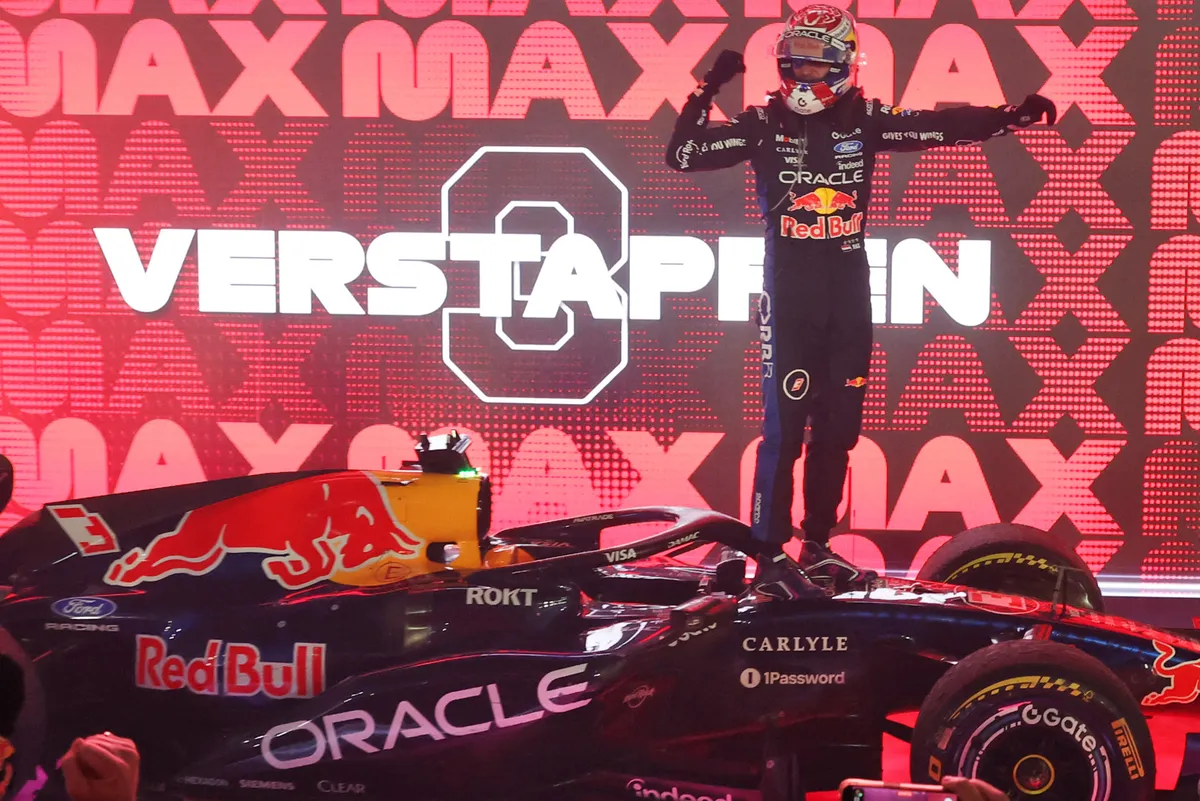
Meanwhile, Red Bull’s internal structure continues to evolve. Ralf Schumacher has described Verstappen as the “absolute team leader” amid a wave of high-profile departures within the Milton Keynes organisation. With the 2026 regulations introducing complex power unit and aerodynamic shifts, Verstappen’s role is viewed as central to maintaining competitive direction and technical coherence within the team.
Elsewhere on the grid, major projects are facing scrutiny. Aston Martin has been subjected to sharp criticism, with Schumacher branding its early 2026 position a “big disaster”. The Silverstone-based squad’s works partnership with Honda and technical influence from Adrian Newey were expected to form the backbone of a title-contending package. However, pre-season testing exposed reliability concerns and development correlation issues ahead of the season-opening Australian Grand Prix.
Attention has also shifted to driver communication and brand positioning. Lewis Hamilton drew interest after posting professional reflections on LinkedIn, an unconventional platform for an active F1 driver. The seven-time world champion, now racing for Scuderia Ferrari, used the networking site to discuss adaptation and growth during his first year with the Maranello outfit.
All of this unfolds against the backdrop of the radical 2026 engine regulations. The new power unit formula significantly increases electrification, with electrical output approaching parity with internal combustion power. This shift impacts not only energy deployment strategies but also cooling architecture, chassis packaging and overall aerodynamic philosophy.
With management rivalries reignited, leadership dynamics shifting, technical projects under pressure and regulatory change reshaping the competitive order, the 2026 season represents one of the most pivotal transition phases in modern Formula 1 history. The Australian Grand Prix will provide the first competitive benchmark to assess whether these ambitious projects are structurally sound — or already under strain.
Baca Juga
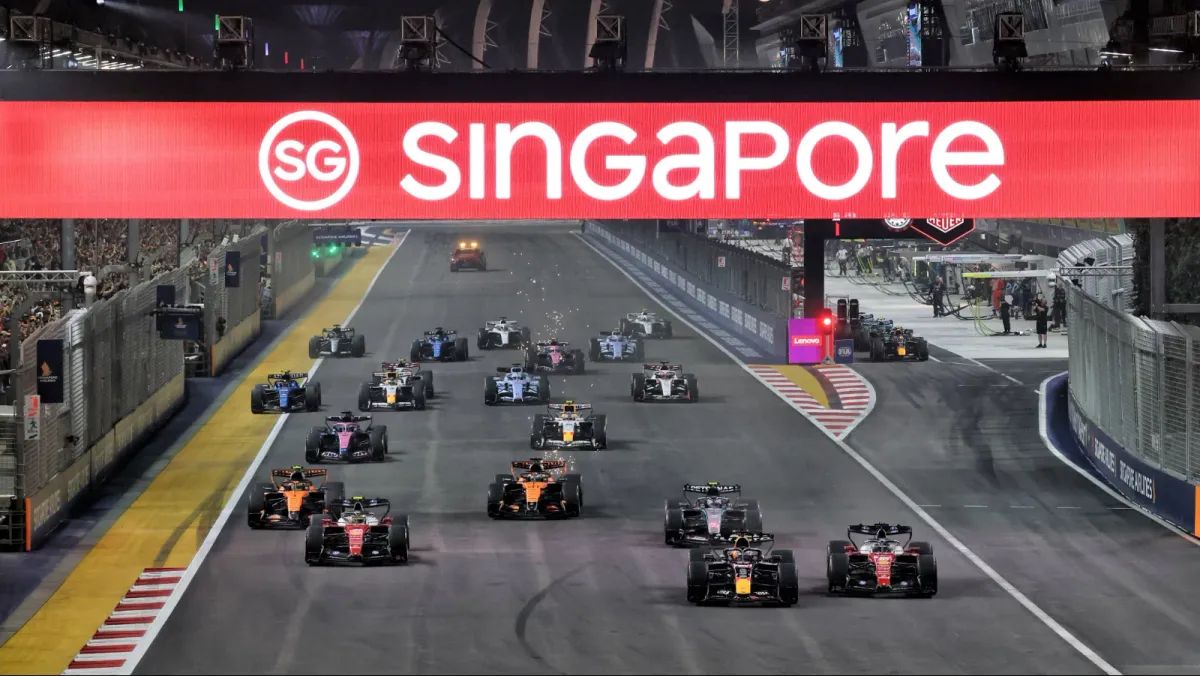
Simak hasil lengkap GP Singapura 2026 saat Max Verstappen menang di Marina Bay. Baca analisis mendalam dan update klasemen terbaru di sini!
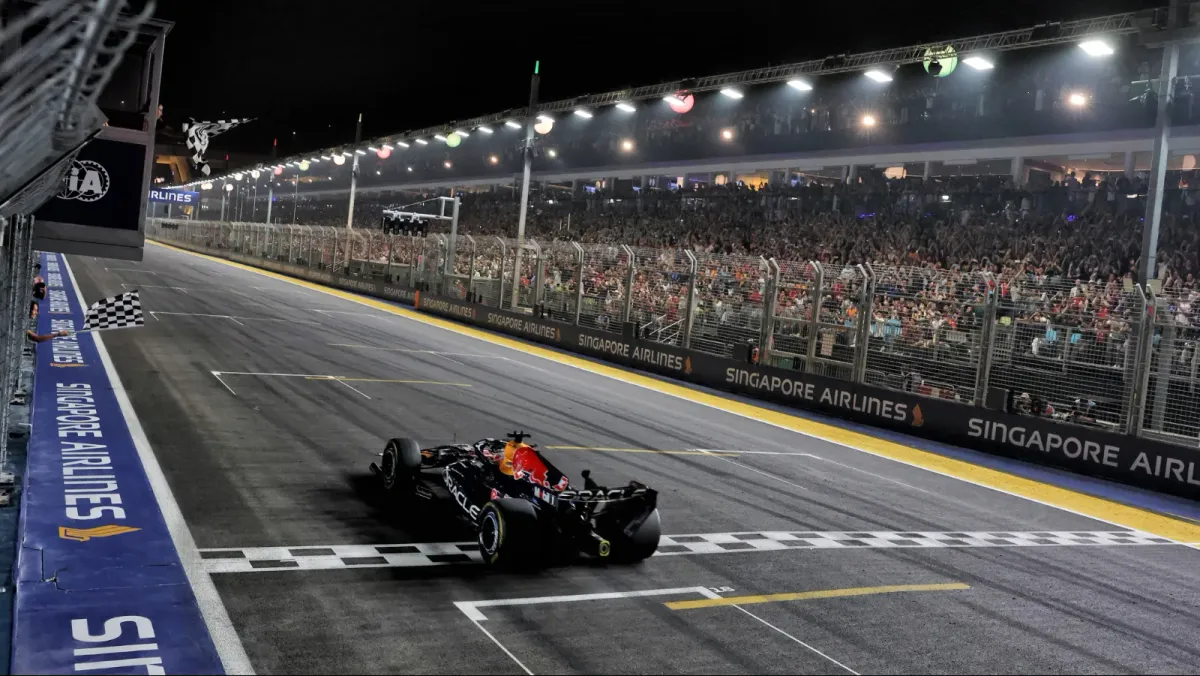
Simak analisis lengkap kemenangan dominan Max Verstappen di GP Singapura 2026. Baca laporan mendalam jalannya balapan dan perebutan podium di sini.
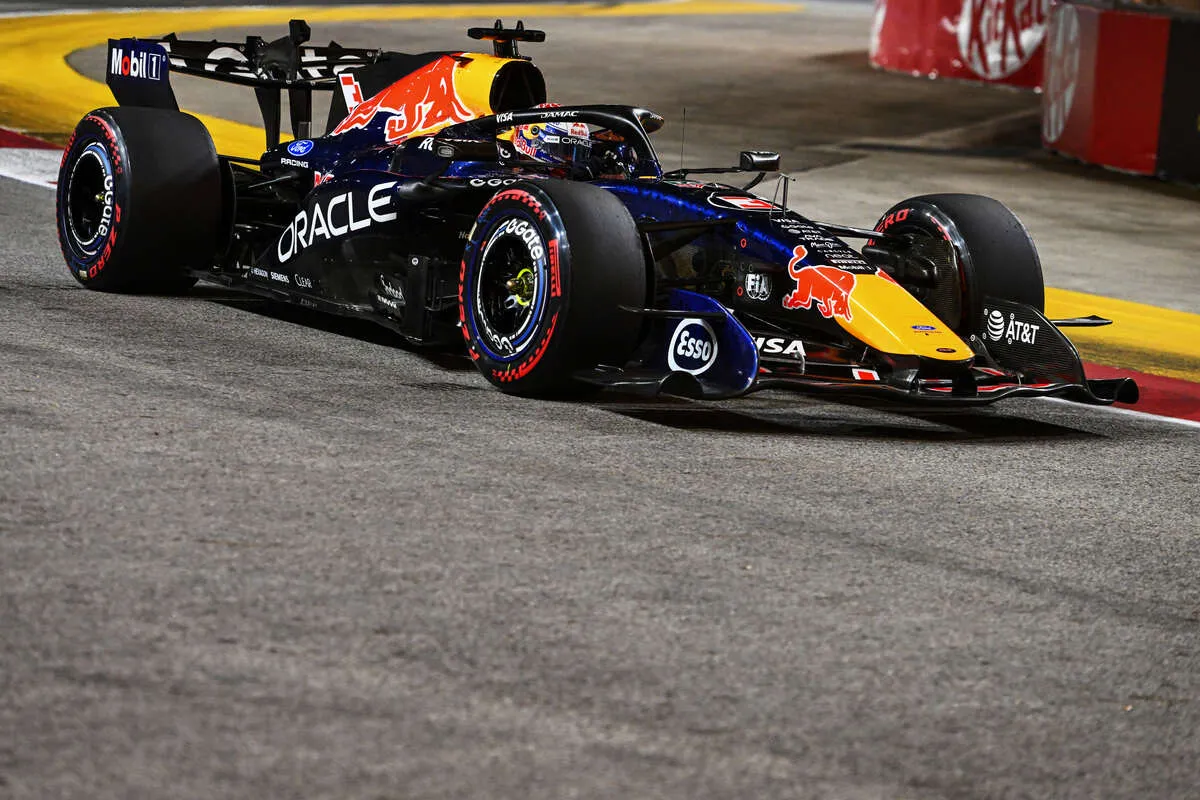
Simak pembaruan klasemen F1 2026 dan peluang emas Kimi Antonelli mengunci gelar juara dunia di GP Austin. Baca analisis selengkapnya di sini!
 Lanjutkan dengan Google
Diskusi & Komentar (0)
Mari Bergabung dalam Diskusi!
Masuk dengan mudah untuk mulai memberikan komentar, membalas, dan berinteraksi dengan pembaca lainnya.
Komentar Terbaru
Belum ada komentar. Jadilah yang pertama!