








In the paddock, oil additives often spark heated debates. Factory mechanics call them 'black magic' that can't be measured, while riders only care about one thing: does the engine still deliver power until the last corner? Ceroil, one of the players in the additive segment, tries to answer that skepticism with its Ceramic Antifriction Treatment Platinum Moto. But is this racing science or just marketing hype?
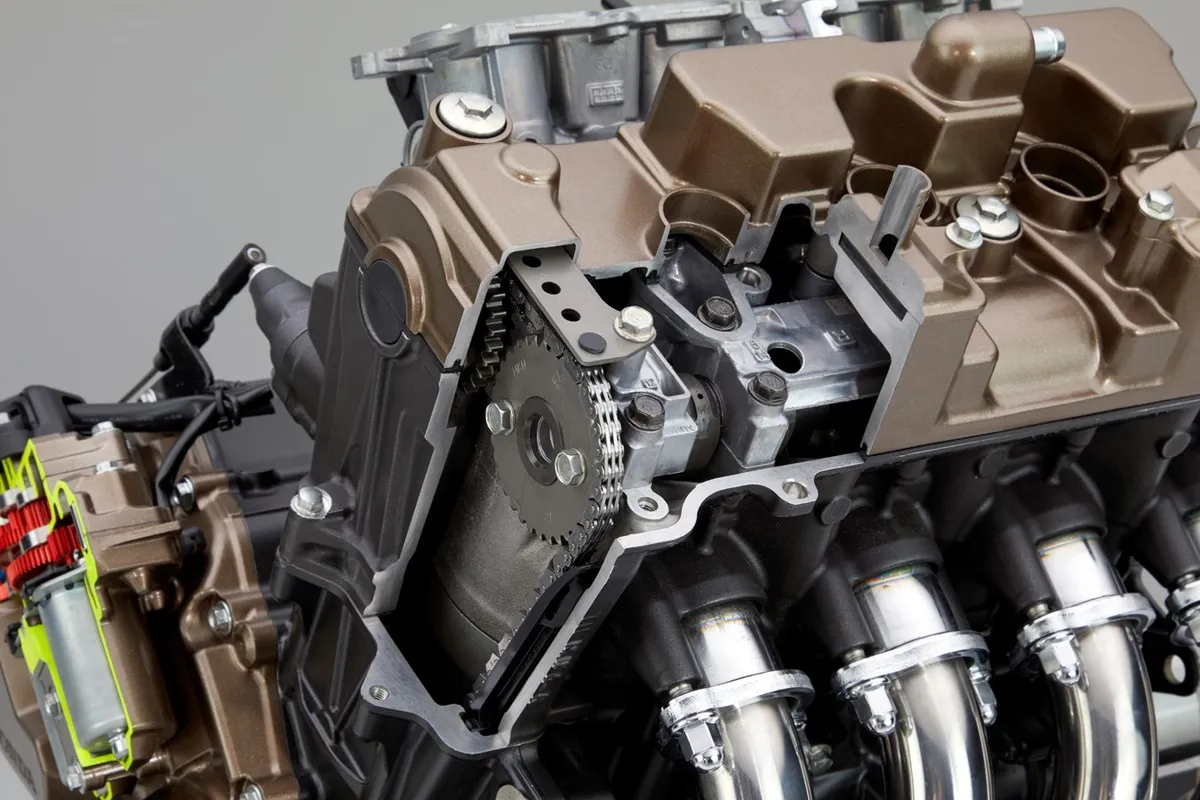
Let's set the record straight. Modern motorcycle engines, especially big-bore ones, operate at extreme limits. Revving to 10,000 or even 12,000 rpm generates heat and friction that conventional oil alone struggles to handle. This is where the latest generation of ceramic additives comes in. Unlike traditional PTFE or molybdenum additives that alter oil properties, ceramic molecular particles use oil as a carrier. As the engine heats up, these particles microscopically adhere to cylinder walls, pistons, and other moving parts. The result is an ultra-thin protective film claimed to have near-diamond hardness and extreme slipperiness.
What's intriguing is its stability: this layer withstands temperatures above 1,000°C without degrading. That means protection remains optimal even under the most extreme conditions. But there's one critical moment often overlooked: cold starts. According to Ceroil's internal data, about 80% of engine wear occurs during cold starts, when oil hasn't fully circulated. This is where ceramic additives shine: they're already clinging to surfaces from the start, providing instant protection before oil reaches ideal lubrication points.
Wet Clutch: The Vulnerable Point That Often Becomes a Victim
For anyone who's tried generic anti-friction additives in a wet-clutch motorcycle, the horror stories are common: clutch slip, power loss, and erratic acceleration. This happens because additives that are too slippery disrupt the friction coefficient needed by clutch plates to transfer power. Ceroil seems well aware of this trap. Platinum Moto is specially formulated for two-wheeled engines with wet clutches. It reduces internal friction in cylinders and transmission but maintains the grip needed by clutch plates.
According to the official spec sheet, the benefits go beyond metal protection. There are three positive side effects riders can feel immediately. First, fuel optimization: by reducing resistance between components, the engine recovers energy otherwise wasted as heat. The claim is up to 15% reduction in fuel consumption. Second, smoother gear shifts. With less friction in the gearbox, gears engage more precisely and quietly. Third, reduced emissions due to more efficient combustion.
So, does this technology actually work in the real world? The answer depends on expectations. Ceramic additives aren't magic that instantly adds horsepower. But for older engines or those frequently used in stop-and-go conditions, extra protection during cold starts and reduced friction can extend engine life. At the racing level, top teams might still stick to specialized racing oils, but for everyday riders, technology like this offers a reasonable layer of protection.
Ultimately, the decision is yours. Are you the type who believes in the science behind ceramic particles, or remain skeptical and see it as a mere marketing trick? Either way, in racing, every small detail can be the difference between finishing on the podium or watching from the first corner.
Baca Juga

Ollie Millroy pulih usai kecelakaan horor di China GT Shanghai. Ia kembali ke rumah dan berbagi refleksi hidup yang mengubah segalanya.

Volvo resmi menunjuk Klaus Zellmer, CEO Skoda, sebagai presiden dan CEO baru efektif 2027. Ia akan menggantikan Hakan Samuelsson dan menghadapi tantangan elektrifikasi.
Bridgestone Battlecross X31 adalah ban motocross inovatif dengan teknologi Castle Block untuk traksi dan kontrol superior di medan menengah hingga lunak.
 Lanjutkan dengan Google
Diskusi & Komentar (0)
Mari Bergabung dalam Diskusi!
Masuk dengan mudah untuk mulai memberikan komentar, membalas, dan berinteraksi dengan pembaca lainnya.
Komentar Terbaru
Belum ada komentar. Jadilah yang pertama!