








The recent software chaos witnessed at the Bahrain Grand Prix was far more than a minor technical glitch. Charles Leclerc has firmly stated that the incident highlighted a much broader and deeper concern among drivers regarding the current generation of power unit regulations in Formula 1. When a wet formation lap turned into absolute chaos due to unexpected system failures, cars abruptly lost power, leaving drivers helpless inside their cockpits.
A handful of drivers found themselves utterly frustrated as their throttle pedals failed to deliver any meaningful response, temporarily transforming multimillion-dollar machinery into unresponsive paperweights out on the asphalt. Reflecting on the tense moments behind the wheel of his #16 Ferrari, Charles Leclerc opened up about how strange and baffling the entire ordeal felt from a driver's perspective.
"Very tricky, very strange," Charles Leclerc told reporters. "At first I thought that safety car had switched off the light. I couldn't see the safety car. I was too far and there was too much spray so I thought the safety car had gone and Max was taking the gap to warm up the tyres, which I was like, 'OK fine,' and then they told me on the radio, 'we think Max has a problem.' I was like, OK."

The situation grew increasingly puzzling as cars ahead began to slow down drastically, forcing Charles Leclerc to make split-second decisions amid poor visibility and limited real-time dashboard guidance. "Then Max went, then Lewis was slow. And I waited and then at one point I was just like, 'OK I'm probably just going to go.' And when I went on throttle I had exactly the same problem and I realized everybody was in the same boat. We were stuck at like 20 kph. So, I don't know. It's a little bit scary to see that on a Formula 1 car," he added.
The underlying technical reasoning was later clarified by FIA single-seater director Nikolas Tombazis, who explained that a software bug prevented power from being redeployed and stopped cars from restarting smoothly once they dropped below a certain threshold. Charles Leclerc's Ferrari team-mate, Lewis Hamilton, was notably forced to shut down his engine completely and execute a full system reboot just to get moving again.
For Charles Leclerc and his fellow competitors, the core anxiety stems from the automated manner in which these power units regulate output. The absolute lack of direct physical control experienced on Sunday afternoon simply served to amplify long-standing reservations held since before the season even kicked off.
"I think that's a bit our worry with these cars is that, not to that extent of course this was a problem, but whatever you have when you get out of the corner sometimes you can have 100 horsepower more, 100 horsepower less. You are not completely in control of the power you are given," Charles Leclerc concluded, ringing an early alarm bell over technical control in modern motorsport.
Baca Juga

Simak analisis lengkap kekacauan GP Bahrain 2026, kemenangan perdana Red Bull Powertrains, serta preview eksklusif Bathurst 1000 bersama David Reynolds.
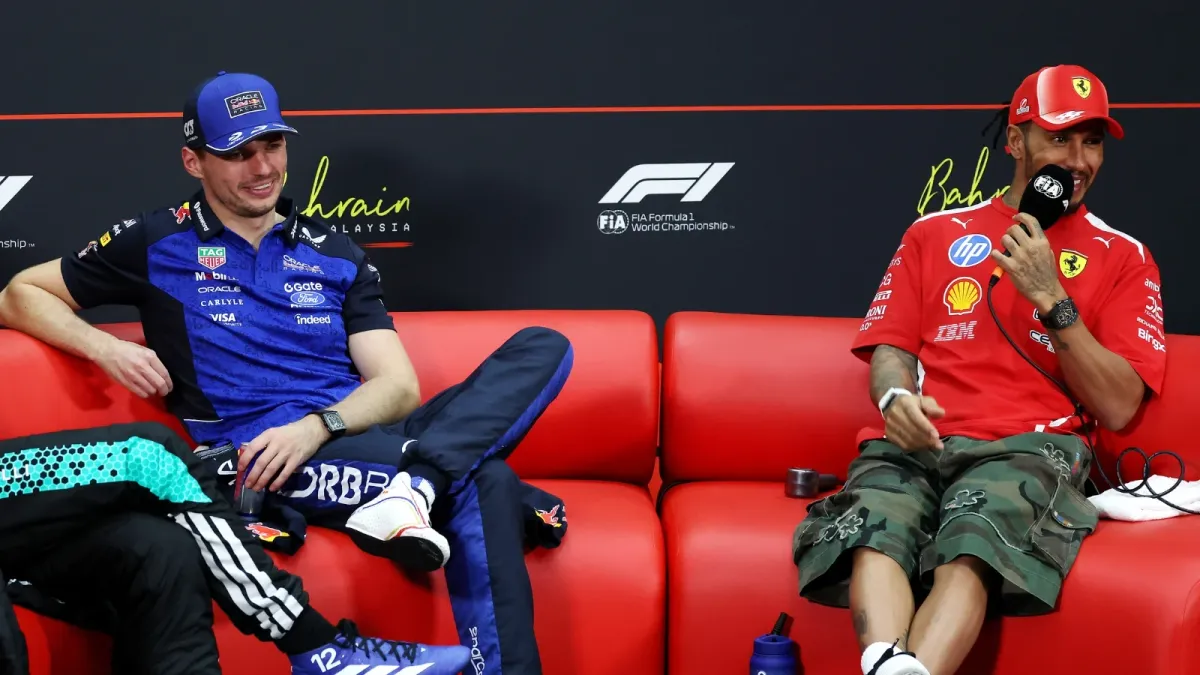
Lewis Hamilton dan Max Verstappen samakan masalah perangkat lunak F1 di Sepang dengan balap Lego setelah insiden aneh di trek basah Malaysia.
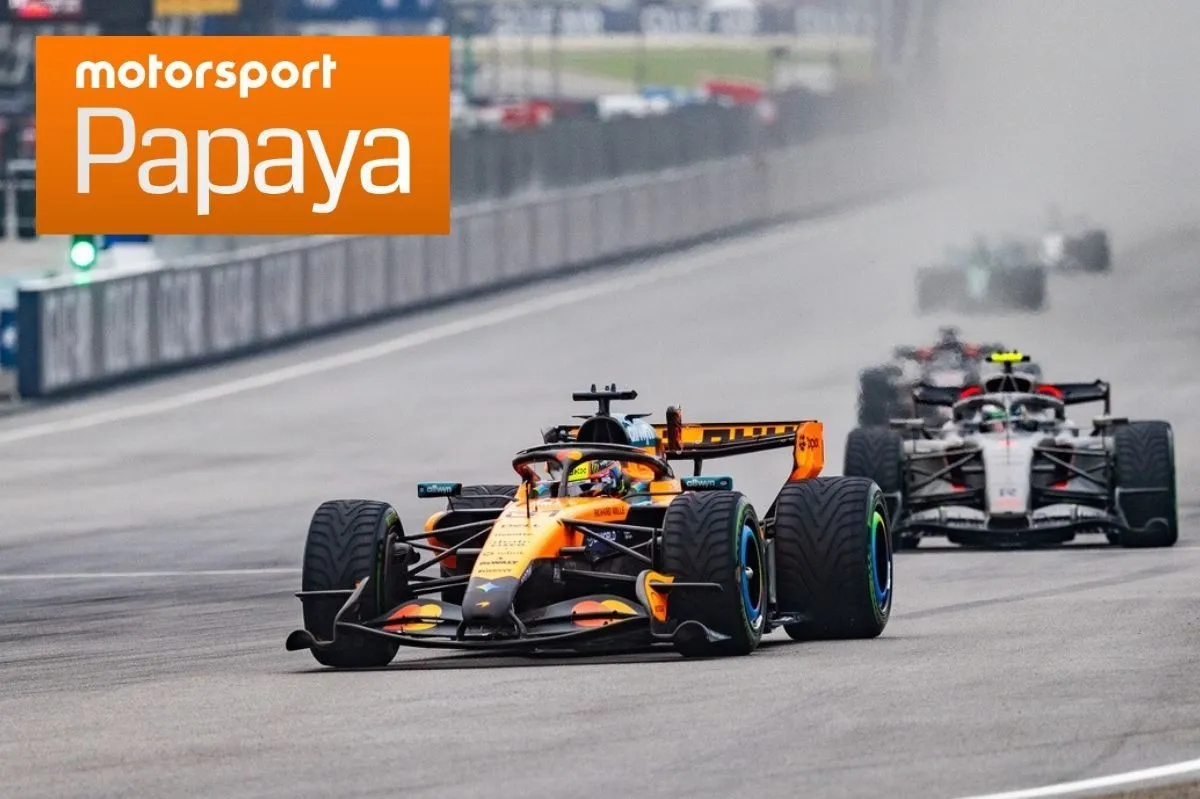
Andrea Stella akui McLaren buat kesalahan strategi ban di GP Bahrain, bikin Lando Norris dan Oscar Piastri langsung kesulitan sejak awal.
 Lanjutkan dengan Google
Diskusi & Komentar (0)
Mari Bergabung dalam Diskusi!
Masuk dengan mudah untuk mulai memberikan komentar, membalas, dan berinteraksi dengan pembaca lainnya.
Komentar Terbaru
Belum ada komentar. Jadilah yang pertama!